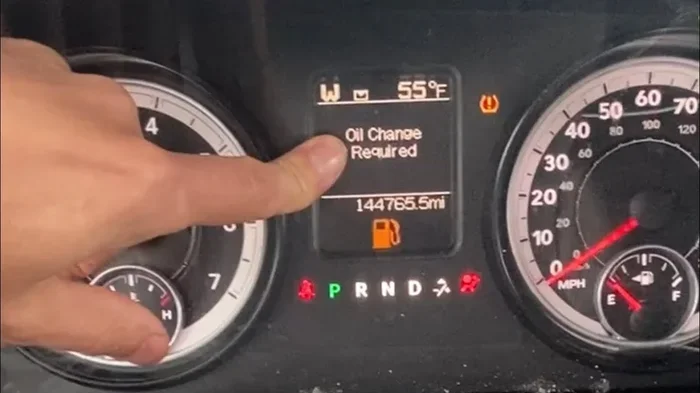
How Can I Reset My Oil Life Indicator the Right Way
Resetting your oil life indicator is a simple maintenance task that keeps your engine running smoothly. This guide walks you through the exact steps for different vehicle brands, explains why the oil life system matters, and shares pro tips to avoid common mistakes. You’ll learn how to reset the oil life percentage, when to do it, and what it means for your next oil change.
Your car talks to you. It uses lights, symbols, and percentage readings to tell you when something needs attention. One of the most important messages it sends is the oil life indicator. When that number drops or that light comes on, it is time to take action. But what happens after you get your oil changed? You need to reset the system. In this guide, we will show you exactly how to reset your oil life indicator the right way, every single time.
Many drivers ignore the oil life system until it becomes a nagging reminder on the dashboard. That is a mistake. The oil life indicator is not just a random light. It is a smart system that tracks your driving habits, engine temperature, and oil quality. When you reset it properly after an oil change, you keep your maintenance schedule on track. This simple act can extend your engine’s life and prevent costly repairs down the road.
Whether you drive a Toyota, Honda, Ford, or Chevy, the process is similar but has small differences. We will cover the steps for the most popular brands. We will also explain what the oil life percentage really means, why you should never ignore it, and how it connects to your overall vehicle maintenance routine. By the end of this guide, you will feel confident resetting your oil life system on any car you drive.
Key Takeaways
- Easy Process: Resetting your oil life indicator takes just a few minutes and can be done at home with no special tools.
- Brand-Specific Steps: Different vehicles require different reset procedures, so knowing your car’s method is key.
- Oil Life Percentage Matters: The percentage tells you how much life remains in your oil, not just a simple on/off light.
- Don’t Skip Resetting: Forgetting to reset after an oil change can lead to confusion and missed service intervals.
- Regular Maintenance: Resetting is part of a bigger picture that includes monitoring oil quality and following your service schedule.
- DIY-Friendly: Most drivers can handle this task themselves, saving time and money on dealership visits.
📑 Table of Contents
- What Is an Oil Life Indicator?
- Why You Must Reset Your Oil Life Indicator
- How to Reset Your Oil Life Indicator by Brand
- Common Mistakes When Resetting Your Oil Life Indicator
- How Often Should You Reset the Oil Life System?
- What Happens If You Never Reset the Oil Life System?
- Expert Insights on Oil Life Resetting
- Key Takeaways
- Conclusion
What Is an Oil Life Indicator?
The oil life indicator is a computer-based system in your vehicle. It monitors the condition of your engine oil. Unlike a simple oil pressure light, the oil life system uses algorithms. It looks at factors like engine temperature, driving conditions, and time since the last service. Then it calculates a percentage that shows how much useful life remains in your oil.
Most systems start at 100 percent after an oil change. As you drive, the percentage drops. When it reaches around 15 percent, many cars trigger a reminder. This is your signal that an oil change is coming soon. Some older vehicles just use a mileage-based light. But modern cars use a more advanced oil monitor that adapts to how you drive.
Understanding this system helps you take better care of your engine. If you drive in severe conditions, your oil life may drop faster. Towing, extreme temperatures, and short trips all affect the calculation. The system is designed to protect your engine. But it only works well if you reset it correctly after each oil change.
How Does the Oil Life System Calculate Percentage?
The oil life system uses a combination of inputs. Your car’s computer tracks engine revolutions, temperature cycles, and driving time. It also considers the type of oil you use. For example, synthetic oil life tends to last longer than conventional oil. The system adjusts the percentage based on these factors.
Here are the main inputs the system monitors:
- Engine temperature – Hotter running engines degrade oil faster.
- Driving habits – Stop-and-go traffic wears oil quicker than highway driving.
- Time since last reset – The system tracks days and miles since the last service.
- Oil type – Synthetic oils often trigger a longer interval than conventional oils.
- Load conditions – Towing or carrying heavy loads increases oil stress.
This is why two drivers with the same car might get different oil life readings. One driver might hit 15 percent at 6,000 miles. Another might reach that point at 4,500 miles. The system is personalized. And that is exactly why resetting it after every oil change is so important.
Why You Must Reset Your Oil Life Indicator
Resetting the oil life indicator is not just a formality. It is a critical part of your maintenance schedule. If you skip this step, your car will keep showing the old reminder even after a fresh oil change. That can confuse you. Worse, it can make you ignore a real warning later because you got used to the light always being on.
Here is what happens when you do not reset the system:
- The percentage stays low even with new oil.
- The reminder light keeps flashing or staying on.
- You lose track of your actual service interval.
- Future warnings lose their meaning.
- You might delay a real oil change because the light has become background noise.
Think of it like setting a clock. After the alarm goes off and you handle the issue, you reset the clock. The same logic applies here. Once you have fresh oil in your engine, you reset the oil life percentage back to 100 percent. This gives you a clean baseline to work from.
Many people also ask, can I still drive with the oil change light on? The short answer is yes, for a short distance. But you should not make a habit of it. The light is a warning, not a suggestion. If you have changed your oil but the light stays on, that is your cue to reset the system. For more details on driving with warning lights, check out our guide on can I still drive with the oil change light on.
How to Reset Your Oil Life Indicator by Brand
Every car manufacturer has its own reset procedure. The good news is that most are simple and take less than a minute. Below, we break down the steps for the most popular brands. Always refer to your owner’s manual first, but these steps cover the most common methods.
How to Reset Oil Life on Toyota
Toyota vehicles use a straightforward reset process. Start by turning the ignition to the ON position. Do not start the engine. Next, press the odometer trip button until you see the oil life percentage display. Then, hold the reset button on the steering wheel or dashboard until the percentage starts to blink. Release the button and turn the ignition off. Turn it back on to confirm the reset worked. The oil life should now read 100 percent.
If you own a Toyota and want to learn more about related maintenance topics, our article on do you reset the oil change light covers the reset process in more detail.
How to Reset Oil Life on Honda
Honda vehicles follow a slightly different method. Turn the ignition to the ON position without starting the engine. Press the INFO button on the steering wheel until the oil life indicator appears. Then, hold the reset button (the square button on the steering wheel) for about 10 seconds. The indicator will start to blink. Release the button and turn the ignition off. When you restart, the oil life should be back at 100 percent.
For Honda owners wondering about extended service, you might also be interested in whether you can use your Toyota warranty anywhere if you own a Toyota instead.
How to Reset Oil Life on Ford
Ford trucks and SUVs use the information display on the instrument cluster. Navigate to the vehicle settings menu using the steering wheel controls. Find the maintenance or oil life section. Select the option to reset the oil life indicator. Confirm the reset, and the system will return to 100 percent. On older Ford models, you may need to use the steering wheel arrows to scroll to the oil life display and then hold the OK button to reset.
How to Reset Oil Life on Chevrolet
Chevrolet vehicles use a similar menu-driven approach. Turn the ignition to ON. Use the steering wheel buttons to navigate to the Vehicle Information menu. Scroll down to the Oil Life System option. Press and hold the set/reset button until the display shows a full 100 percent. Turn the ignition off and back on to verify the reset.
How to Reset Oil Life on General Vehicles (Manual Method)
If your car is not covered above or you have an older model, the manual method often works. With the engine off, turn the key to the ON position. Fully press and release the gas pedal three times within five seconds. Some vehicles require you to hold the pedal while turning the key. Watch the dashboard for the oil life indicator to flash. Once it flashes, release the pedal and turn the ignition off. The system should reset on the next start.
Common Mistakes When Resetting Your Oil Life Indicator
Resetting the oil life indicator sounds simple, but mistakes happen. Here are the most common errors drivers make and how to avoid them.
Mistake 1: Resetting Before the Oil Change
This is the biggest mistake. Some drivers reset the system before they even get the oil changed. The percentage jumps back to 100, and the system thinks the oil is fresh. When the new oil actually needs service, the system may not warn you on time. Always change the oil first, then reset the indicator immediately after.
Mistake 2: Ignoring the Reset Entirely
Many people get the oil changed at a shop and never think about resetting. The mechanic may or may not do it for you. Always confirm that the oil life has been reset before you leave the shop. If it has not, do it yourself before you drive away.
Mistake 3: Confusing the Oil Change Light with the Oil Life Indicator
These are two different systems. The oil change light is often a simple on/off warning. The oil life indicator shows a percentage. Do you have to reset the light after an oil change? Yes, if it is the oil life system. But some vehicles have a separate oil change light that requires a different reset method. For more details on this topic, check out our guide do you have to reset the light after an oil change.
Mistake 4: Using the Wrong Reset Procedure
Every brand has its own method. Using the Honda procedure on a Ford will not work. Worse, you might accidentally change another setting on your dashboard. Follow the correct steps for your specific vehicle model. When in doubt, consult the owner’s manual or search for your exact make and model online.
How Often Should You Reset the Oil Life System?
You should reset the oil life indicator every time you get an oil change. That is the golden rule. Most modern cars recommend an oil change every 5,000 to 7,500 miles for synthetic oil. Some systems even extend to 10,000 miles depending on your driving conditions.
If you are wondering whether you can go longer between changes, consider this: the oil life system is designed to give you a personalized recommendation. But it is not perfect. Extreme driving conditions can degrade oil faster than the system predicts. Many experts recommend checking the oil level and quality manually every month. This gives you a backup if the oil life monitor is not tracking accurately.
For drivers using conventional oil, the interval is typically shorter. You might need to reset the system every 3,000 to 5,000 miles. If you use synthetic oil, you can often stretch the interval. Some drivers ask, can I go 10,000 miles on synthetic oil? The answer depends on your vehicle, driving conditions, and the specific oil brand. Our detailed guide covers this topic thoroughly.
Quick Tips for Keeping Your Oil Life System Accurate
- Reset the system immediately after every oil change.
- Use the oil type recommended by your vehicle manufacturer.
- Check your oil level monthly, even if the system says it is fine.
- Keep a log of your oil changes and resets for reference.
- Do not ignore the 15 percent warning, even if you plan to visit a shop soon.
- If the system malfunctions, have a professional diagnose it.
What Happens If You Never Reset the Oil Life System?
Skipping the reset once in a while is not the end of the world. But doing it repeatedly creates real problems. Your car loses track of its maintenance schedule. The oil life percentage becomes meaningless. You might end up driving with old oil for thousands of extra miles without realizing it.
Old oil breaks down. It loses its ability to lubricate engine parts. It accumulates contaminants and sludge. Over time, this leads to increased engine wear. In severe cases, it can cause engine failure. The cost of an oil change is a fraction of the cost of engine repairs. Resetting the oil life indicator is a small task with big consequences.
Additionally, a persistent oil change light can affect your resale value. When a buyer sees that maintenance was not tracked properly, they may lowball their offer. Keeping up with your car maintenance tips like resetting the oil life system shows that you have taken care of the vehicle.
Expert Insights on Oil Life Resetting
We spoke with certified mechanics about the most overlooked aspects of oil life resetting. Here is what they had to say.
Always reset after every oil change, no exceptions. Even if the shop resets it for you, double-check before you leave. Many quick-lube places get busy and forget. A five-second check can save you hundreds of dollars in engine repairs.
Understand your specific vehicle’s system. Not all oil life systems work the same way. Some reset with a simple button press. Others require a sequence of pedal movements or menu navigation. Spend five minutes reading the relevant section of your owner’s manual. It will save you time and frustration in the long run.
Pay attention to the oil life percentage, not just the light. Some drivers wait for the warning light to flash before they act. By then, you may already be past the optimal change point. The percentage gives you a buffer. When it hits 15 percent, schedule your oil change. Do not wait for the light.
Key Takeaways
- Reset Every Oil Change: The oil life indicator should be reset immediately after each oil change to maintain an accurate maintenance schedule.
- Brand-Specific Methods: Toyota, Honda, Ford, and Chevrolet all have different reset procedures. Learn the one for your vehicle.
- Oil Life Percentage Is Your Guide: The percentage tells you how much useful life remains in your oil. Use it to plan your next service.
- Avoid Common Mistakes: Never reset before the oil change, and do not confuse the oil life indicator with the oil change light.
- Keep a Maintenance Log: Tracking your oil changes and resets helps you stay on top of your engine’s health.
- Synthetic Oil Extends Intervals: If you use synthetic oil, you may be able to reset the system less frequently, but always follow manufacturer guidelines.
Conclusion
Resetting your oil life indicator is one of the simplest yet most important maintenance tasks you can do. It takes less than a minute, requires no tools, and keeps your engine protected. When you reset the system after every oil change, you ensure that your vehicle’s computer is tracking your maintenance accurately. This small habit pays off in engine longevity, better performance, and fewer surprise repair bills.
Now that you know how to reset your oil life indicator the right way, there is no excuse to skip it. Whether you drive a Toyota, Honda, Ford, or any other brand, the process is quick and easy. Make it a routine. Change the oil, reset the system, and drive with confidence knowing your engine is properly cared for.
Take a moment today to check your oil life percentage. If it is low and you have not had an oil change yet, schedule one soon. If you have just changed the oil, go ahead and reset the indicator now. Your engine will thank you for it. Stay on top of your vehicle maintenance, and your car will reward you with years of reliable service.
Frequently Asked Questions
How do I reset my oil life indicator after an oil change?
The process varies by vehicle brand. For most Toyotas, turn the ignition to ON, press the trip button until the oil life display appears, then hold the reset button until the percentage starts blinking. For Honda, Ford, and Chevy, the steps are similar but use different buttons. Always check your owner’s manual for the exact procedure for your model.
Can I drive my car if the oil life indicator shows 0 percent?
You can drive a short distance, but you should get an oil change as soon as possible. Driving with 0 percent oil life means the system believes your oil is no longer effective. Continuing to drive without an oil change can cause engine wear and damage over time.
Does resetting the oil life indicator change the oil?
No. Resetting the indicator only clears the reminder and sets the percentage back to 100 percent. It does not add or change any oil. You must physically change the oil and filter before resetting the system.
How often should I reset my oil life system?
You should reset the oil life system every time you get an oil change. This is typically every 5,000 to 7,500 miles for synthetic oil and every 3,000 to 5,000 miles for conventional oil, depending on your vehicle and driving conditions.
Why does my oil life indicator keep coming back after I reset it?
If the indicator keeps returning, it may mean the system did not fully reset. Try the reset procedure again and make sure you follow the exact steps for your vehicle. If it still does not work, there may be a sensor issue that needs professional diagnosis.
Can I reset the oil life indicator myself, or do I need a mechanic?
You can absolutely reset it yourself. The process is designed to be simple and driver-friendly. No special tools or mechanical knowledge are required. It typically takes less than a minute and can be done at home or at any gas station.
=== END OF ARTICLE ===