Why Is My Remote Start Key Fob Not Working Right Now
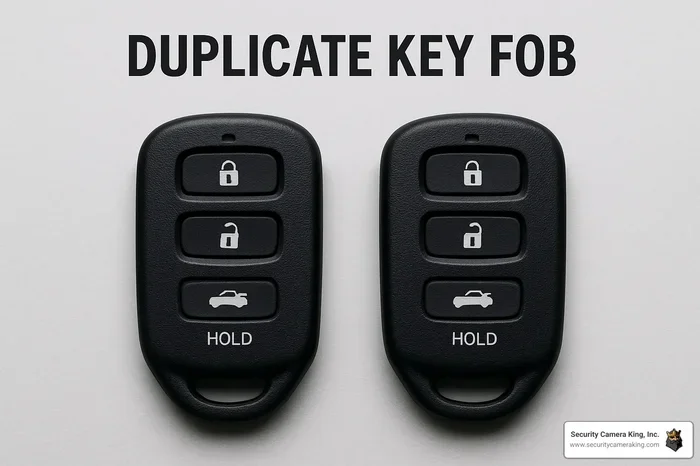
Your remote start key fob not working can be frustrating, but the fix is often simpler than you think. Most of the time, the culprit is a dead battery, signal interference, or a programming glitch. This guide walks you through every possible reason and shows you exactly how to fix it yourself. By the end, you will know how to troubleshoot your remote start key fob like a pro and get back to comfortable driving in no time.
There is nothing worse than standing by your car on a cold morning, pressing the button on your remote start key fob, and getting nothing. No lights flash. No engine turns over. Just silence. You are not alone. Thousands of drivers deal with this exact problem every single day. The good news is that in most cases, the fix is quick, cheap, and something you can do yourself at home.
Whether your car remote not working is a brand new issue or a recurring annoyance, this guide covers every possible cause and solution. We will walk through battery swaps, signal problems, programming steps, and more. By the time you finish reading, you will have a clear plan to get your remote start system back up and running.
Key Takeaways
- Dead key fob battery is the #1 reason your remote start stops working
- Signal interference from nearby electronics can block your fob from reaching the car
- Cold weather drastically reduces key fob range and battery life
- Reprogramming your fob is often easier than you think and costs nothing
- Aftermarket remote start systems may need professional installation to work reliably
- Replacing the key fob battery is a quick DIY fix that solves most problems
- Knowing when to call a pro saves you time and money on stubborn issues
📑 Table of Contents
Common Reasons Your Remote Start Key Fob Stops Working
Before you start replacing parts or visiting a mechanic, it helps to understand what is actually going wrong. A key fob malfunction usually comes down to one of several common causes. Let us break them down so you can pinpoint your problem fast.
Dead or Weak Key Fob Battery
This is the number one reason remote start key fob not working issues happen. The coin-cell battery inside your fob typically lasts two to three years. Once it starts to fade, your signal gets weaker. Eventually, it stops working entirely. You might notice that you need to stand right next to your car for the fob to work. That is a clear sign the battery is dying.
A quick tip: if your key fob has a backup mechanical key, use it to get into your car. Then replace the battery before you get stranded. Most fobs use a CR2025 or CR2032 battery, which you can grab at any grocery store or pharmacy for under a few dollars.
Signal Interference from Nearby Electronics
Your key fob communicates with your car using a low-frequency radio signal. Other electronics can block or disrupt that signal. This is called key fob signal interference. Common culprits include:
- Other key fobs sitting close together in your pocket or bag
- Laptop chargers or power banks nearby
- Cell phone signal boosters or USB hubs
- Nearby radio towers or construction equipment
If you have ever tried to unlock your car in a crowded parking lot and nothing happened, this is likely why. The signals from dozens of other fobs create a wall of noise that blocks yours. Try stepping away from the crowd and pressing the button again. If it works, interference was your problem.
Cold Weather and Extreme Temperatures
Do you notice your cold weather key fob acting up in winter? You are not imagining it. Extreme cold drains batteries faster and reduces the range of your fob’s signal. In freezing temperatures, a weak fob battery can go from “okay” to “dead” almost overnight.
Here is a practical example. Sarah lives in Minnesota. Every winter, her remote start not engaging becomes a daily struggle. She tried three different fobs before realizing the real issue was the cold draining her battery. Once she started keeping a spare fob warm in her coat pocket, the problem mostly went away.
Pro tip: in extreme cold, keep your spare fob close to your body. Your body heat helps maintain the battery charge. This simple trick can save you a lot of frustration on icy mornings.
Key Fob Needs Reprogramming
Sometimes the fob and your car simply lose their connection. This happens after a battery change, a jump start, or even a minor electrical glitch. When this happens, your key fob programming is out of sync with the car’s computer. The fob still sends a signal, but the car no longer recognizes it.
Reprogramming is usually straightforward. Most car manufacturers have a simple process that involves turning the ignition on and off in a specific sequence while pressing buttons on the fob. Check your owner’s manual for the exact steps. Many newer vehicles also allow you to reprogram through the infotainment screen.
Worn-Out Key Fob Buttons
Over time, the rubber contacts inside your fob wear down. You might press the button hard and still get no response. This is especially common with fobs that are several years old. The buttons physically degrade, and the electrical connection becomes unreliable.
You can test this by pressing each button and listening for a faint click. If a button feels mushy or unresponsive, the internal contact is likely worn. Replacing the entire fob is usually the best fix at that point, though you can also try cleaning the contacts with a small amount of electrical contact cleaner.
Aftermarket Remote Start System Issues
If you added a remote start module to your car after purchase, the fob issues might be tied to that installation. Aftermarket remote start systems are generally reliable, but they can develop problems over time. Loose wiring, faulty relays, or compatibility issues with your vehicle’s immobilizer system can all cause the fob to fail.
For example, some remote start compatibility issues arise when the aftermarket module conflicts with the factory push button start system. The car’s security system may not recognize the aftermarket fob signal, and the engine will not start. If you installed your remote start yourself, double-check all connections. If a professional did the install, go back to them for a diagnostic check.
How to Diagnose the Problem Step by Step
Now that you know the common causes, let us walk through a systematic troubleshooting process. Following these steps in order helps you eliminate possibilities quickly and find the real fix.
Step One: Check the Battery
Open your fob and look at the battery. If it has a white or crusty buildup, that is a sign of a leaking battery. Replace it immediately. Even if the battery looks fine, try a fresh one. Batteries are cheap, and this is the fastest way to rule out power issues.
Step Two: Test the Range
Walk to the farthest point of your driveway or parking spot. Try unlocking your car from there. If it works at a distance but not up close, the problem is likely interference, not the fob itself. If it does not work at any distance, the battery or internal electronics are probably the issue.
Step Three: Check for Error Lights
Some vehicles display a warning light on the dashboard when the fob is not detected. If you see a key symbol or a “no key detected” message, your car’s transponder key system is not recognizing the fob. This points to a programming issue or a faulty fob antenna ring around the ignition.
Step Four: Try a Spare Fob
If you have a second fob, use it. If the spare works, your primary fob is the problem. If neither fob works, the issue is likely with the car’s receiver or the remote start module, not the fob itself.
Step Five: Reset the System
Disconnect your car battery for 15 minutes and reconnect it. This resets the car’s computer and can clear temporary glitches that prevent fob recognition. It is a simple trick that fixes more problems than people realize.
Quick Tips:
- Always carry a spare fob when possible
- Replace your fob battery every two years as a preventive measure
- Keep your fob away from other electronic devices when using it
- Store your fob in a signal-blocking pouch to prevent battery drain when not in use
Key Fob Battery: Replacement Guide and Best Practices
Replacing your key fob battery is the single most effective fix for most remote start key fob not working problems. Here is everything you need to know to do it right.
Which Battery Does Your Fob Use?
Most key fobs use one of three battery types:
- CR2025 – Common in many Toyota, Honda, and Ford models
- CR2032 – Used in many GM, Chrysler, and European vehicles
- CR1632 – Found in some smaller or newer fob designs
Check your owner’s manual or look at the old battery to confirm the type. Using the wrong battery size will not work and could damage the fob.
How to Replace the Battery
- Find the small seam or screw on the back of your fob
- Use a small flathead screwdriver or coin to gently pry it open
- Note which side the old battery faces (positive or negative)
- Insert the new battery in the same orientation
- Snap the fob back together and test it
This entire process takes about two minutes. No tools are required for most fobs. If your fob is sealed and does not open easily, take it to a dealer or locksmith. They can swap the battery for a small fee, often for free.
How Long Should a Key Fob Battery Last?
A typical key fob battery replacement cycle is every two to three years. However, if you live in an area with extreme temperatures, your battery may drain faster. Frequent use also shortens battery life. If you find yourself replacing the battery more than once a year, consider getting a higher-quality lithium battery. They tend to last longer and perform better in temperature extremes.
Signal and Range Problems Explained
Your fob signal range is the distance at which the fob can communicate with your car. Most standard key fobs work within 30 to 60 feet under normal conditions. Several factors can shrink that range dramatically.
What Reduces Your Fob’s Range?
Physical barriers like concrete walls, metal buildings, and even your own body can block the signal. But the most common range killers are electronic interference and a weak fob battery. When the battery drops below a certain voltage, the signal strength falls below the threshold the car’s receiver needs to detect it.
How to Boost Your Fob Signal
You cannot boost the actual signal strength of your fob, but you can improve the connection in a few practical ways:
- Hold the fob directly against your head when pressing the button. Your body acts as an amplifier
- Stand in an open area away from large metal objects
- Make sure nothing else is pressing the buttons in your pocket or bag
- Replace the fob battery before it fully dies
One expert tip from automotive technicians: if your fob works intermittently, the battery is almost certainly on its way out. Do not wait until it dies completely. Replace it at the first sign of weakness.
When to Seek Professional Help
Most remote start troubleshooting steps can be done at home. But some problems need a trained professional. Here is when you should stop DIY fixes and call for help.
Signs You Need a Professional
- Neither your fob nor your spare fob works, and you have tried resetting the system
- Your car’s dashboard shows a persistent key or security warning light
- The fob physically breaks or water damage has occurred
- Your remote start module needs reprogramming or replacement
- You recently had electrical work done and the fob stopped working afterward
What a Professional Diagnostic Costs
A basic fob diagnostic at a dealership or locksmith typically costs between $50 and $100. This covers testing the fob signal, checking the car’s receiver, and verifying the vehicle security system is functioning properly. If the fob needs replacement, aftermarket fobs range from $20 to $80, while OEM fobs from the dealership can cost $100 to $400 or more depending on your vehicle.
Choosing Between OEM and Aftermarket Fobs
| Factor | OEM Fob | Aftermarket Fob |
|---|---|---|
| Price | $100 – $400+ | $20 – $80 |
| Compatibility | Guaranteed for your model | Varies by brand |
| Programming | Usually requires dealer | Often DIY-friendly |
| Durability | High quality build | Good, but varies |
| Remote Start Features | Full factory integration | May need extra setup |
Both options work well. Your choice depends on your budget and how much you trust DIY programming. If you are handy, an aftermarket fob can save you a lot of money. If you want guaranteed plug-and-play compatibility, go with OEM.
Preventing Key Fob Problems in the Future
The best way to deal with a key fob malfunction is to prevent it from happening in the first place. A few simple habits can keep your remote start system working reliably for years.
Common Mistakes That Damage Key Fobs
- Dropping your fob on hard surfaces – This can crack the circuit board inside. Even if it still works, internal damage may shorten its lifespan
- Storing fobs near strong magnets – Magnets can interfere with the fob’s internal electronics and corrupt stored data
- Exposing fobs to moisture – Water damage is one of the leading causes of permanent fob failure
- Using the wrong battery – Always match the battery type and voltage exactly
- Ignoring warning signs – If your fob starts acting sluggish, replace the battery right away
Expert Insights on Extending Fob Lifespan
Automotive technicians who specialize in key fob repair recommend a simple routine: replace your fob battery every 24 months, keep a spare fob in a safe place at home, and avoid storing fobs in glove boxes that get extremely hot in summer. Heat is just as damaging as cold when it comes to battery life.
Another expert suggestion is to invest in a key fob sync tool if you own multiple vehicles. These small devices let you reprogram fobs quickly and can save you a trip to the dealership. They are especially useful for people who work on their own cars or manage a fleet of vehicles.
Finally, if you have an aftermarket remote start system, schedule a check-up once a year. A technician can verify all wiring connections are secure and that the module is communicating properly with your car’s computer. This small investment can prevent bigger, more expensive problems down the road.
Conclusion
Dealing with a remote start key fob not working does not have to be a major headache. In the vast majority of cases, the fix is simple: replace the battery, clear up signal interference, or reprogram the fob. By working through the steps in this guide, you can save time and money while getting your car back to running smoothly.
Remember to keep a spare battery on hand and pay attention to the early warning signs of a failing fob. A little preventive care goes a long way. And when the problem is beyond DIY fixes, do not hesitate to call a professional. Your remote start system is designed to make your life easier, and with the right care, it will keep doing that for years to come.
Now that you know the common causes and solutions, you are ready to tackle any key fob not working situation with confidence. Grab that spare battery, follow the troubleshooting steps, and you will be back to starting your car from the comfort of your couch in no time.
Frequently Asked Questions
Why did my remote start key fob stop working all of a sudden?
The most common reason is a dead or dying battery inside the fob. Other sudden causes include signal interference from nearby electronics, a programming glitch after a jump start, or water damage to the fob. Start by replacing the battery, and if that does not fix it, try reprogramming the fob according to your vehicle’s manual.
How much does it cost to replace a key fob battery?
A key fob battery costs between $2 and $10 at most stores. If you buy a pack of two, you can replace your fob battery for years to come for just a few dollars. Some dealerships and locksmiths will also replace the battery for free or a small service fee.
Can cold weather really stop a remote start key fob from working?
Yes, absolutely. Extreme cold reduces battery voltage and weakens the fob’s signal. In freezing temperatures, a fob that works fine in summer may become unreliable. Keeping your fob warm by storing it in an inside pocket close to your body can significantly improve performance in cold weather.
How do I know if my fob needs reprogramming or a new battery?
If you have recently changed the battery and the fob still does not work, reprogramming is likely the issue. If the fob works at very close range but not from a distance, the battery is probably weak. Try replacing the battery first, then reprogram if the problem persists.
Is it safe to use an aftermarket key fob for my remote start system?
Yes, aftermarket fobs are generally safe and much cheaper than OEM options. Make sure the fob is compatible with your vehicle model and year. Some aftermarket fobs require a bit more effort to program, but many come with clear instructions. If you are unsure, a locksmith can help with the setup.
What should I do if water gets inside my key fob?
Remove the battery immediately and let the fob dry completely for at least 24 hours. You can place it in a bowl of uncooked rice to help absorb moisture. Once dry, insert a new battery and test it. If the fob still does not work, the water damage may have affected the circuit board, and you will need a replacement fob.