Can You Clear an Airbag Code Without Breaking the Bank
Yes, you can clear an airbag code in many cases without visiting a dealership. Whether your airbag light is on due to a loose seat belt connector or a faulty sensor, there are practical steps you can take at home. This guide covers the tools you need, the costs involved, and the risks you should know about. We will walk you through everything from using an OBD2 scanner to resetting your airbag module safely.
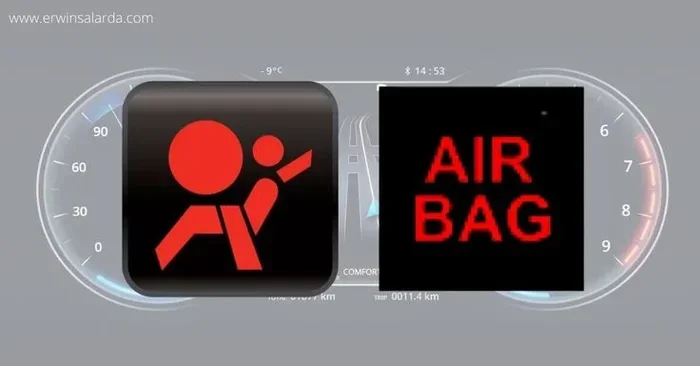
That little yellow light on your dashboard shaped like a person with a circle in front of it can be really scary. It means your airbag system has detected a problem. And when that airbag warning light stays on, many car owners panic.
The big question is simple: can you clear an airbag code without spending a fortune? The answer is yes — in most cases. You do not need to rush to the dealership and pay hundreds of dollars for a diagnostic scan. With the right knowledge and a few basic tools, you can tackle this yourself.
In this guide, we will walk you through everything you need to know. From understanding what the light means to fixing common problems and resetting your system safely. By the end, you will feel confident about handling your airbag fault the smart way.
Key Takeaways
- Clearing an airbag code is possible: Many airbag faults are simple and can be fixed without professional help.
- An OBD2 scanner is your best friend: It reads and clears most airbag-related fault codes affordably.
- Fix the root cause first: Simply clearing the code without repairing the issue will not solve the problem long-term.
- Costs vary widely: DIY fixes can cost under $50, while professional airbag repairs may run $100 to $600 or more.
- Safety comes first: A malfunctioning airbag system is a serious safety risk that should never be ignored.
- Resetting the module may be needed: After repairs, you sometimes need to reset the airbag control unit to turn off the light.
📑 Table of Contents
- What Does the Airbag Light Actually Mean?
- Can You Clear an Airbag Code Yourself?
- Tools You Need to Clear an Airbag Code
- How Much Does It Cost to Clear and Fix an Airbag Code?
- Common Mistakes People Make When Clearing Airbag Codes
- When Should You See a Professional?
- Quick Tips for a Successful Airbag Code Reset
- Expert Insights on Airbag Code Diagnostics
- Understanding Airbag Diagnostic Trouble Codes
- Preventing Future Airbag Light Problems
- Key Takeaways
- Conclusion
What Does the Airbag Light Actually Mean?
Before you try to fix anything, you need to understand what the airbag light is telling you. This dashboard symbol is part of your car’s Supplemental Restraint System, or SRS for short. It is the same system that controls your airbag deployment and seat belt pretensioners.
When the light turns on, it means the system has found a fault. Your airbags might not deploy in a crash. Or they might deploy at the wrong time. Either way, it is a serious safety issue that needs attention.
Common Reasons the Airbag Light Comes On
There are many reasons the SRS light can illuminate. Some are simple fixes. Others need more work. Here are the most common culprits:
- Loose or corroded seat belt connector: This is the number one cause. The plug under your seat can wiggle loose over time.
- Faulty crash sensor: Your car has impact sensors that detect collisions. If one fails, the system throws a code.
- Clockspring issue: This is the spiral cable in your steering column. It connects the steering wheel airbag to the system. When it wears out, you get a warning.
- Passenger seat sensor problem: Many cars have a weight sensor in the passenger seat. If it malfunctions, the light comes on.
- Previous crash or deployment: If your airbags ever deployed, the system needs to be reset and new parts installed.
- Low battery voltage: A weak battery can sometimes trigger the airbag warning light temporarily.
- Water damage: Moisture under the seats can corrode connectors and cause false readings.
Can You Clear an Airbag Code Yourself?
The short answer is yes. But the full answer needs a little more explanation. Clearing the code is only half the battle. You also need to fix whatever caused the code in the first place.
Think of it this way. If your check engine light is on because of a loose gas cap, tightening the cap clears the code. But if the light is on because of a failing oxygen sensor, clearing the code without replacing the sensor just hides the problem. The same logic applies to airbag codes.
Step-by-Step: How to Clear an Airbag Code
Here is a practical walkthrough of the process. Follow these steps carefully and always prioritize safety.
- Turn off the ignition and remove the key. Never work on the airbag system with the key in the “on” position. This prevents accidental deployment.
- Disconnect the negative battery terminal. Use a wrench to loosen the cable on the negative post. Wait at least 10 to 15 minutes. This lets the system fully discharge.
- Locate the OBD2 port. It is usually under your steering column, near the driver’s side knee area. Plug in your OBD2 scanner.
- Reconnect the battery briefly. Turn the key to the “on” position without starting the engine. This powers the scanner.
- Read the fault code. Your scanner will display a code starting with “B” for body-related codes. Write it down.
- Fix the underlying issue. This is the most important step. Do not skip this.
- Clear the code using the scanner. Follow the scanner’s menu to erase the stored fault.
- Disconnect the battery again for 30 seconds. This allows the system to fully reset.
- Reconnect the battery and start the car. If the repair was successful, the airbag light should stay off.
Tools You Need to Clear an Airbag Code
You do not need expensive equipment to get started. Here is what most people already have or can pick up cheaply.
OBD2 Scanner
An OBD2 scanner is the most important tool. It connects to your car’s onboard computer and reads fault codes. You can buy a basic scanner for $20 to $50. Some Bluetooth scanners connect to your phone through an app. These are great for DIY car owners.
Make sure your scanner supports SRS codes or airbag codes. Not all basic scanners read body system codes. Look for one that specifically mentions airbag diagnostic support.
Basic Hand Tools
- A set of wrenches or a socket set
- A multimeter for checking electrical connections
- A flashlight to see under your seats
- A small wire brush for cleaning corroded connectors
Optional but Helpful
- A repair manual specific to your car model
- Contact information for a local auto parts store that offers free code reading
- A digital camera to photograph connections before disconnecting them
How Much Does It Cost to Clear and Fix an Airbag Code?
Cost is a big concern for most car owners. Nobody wants to pay a dealership $500 for something they can do at home. Let us break down the real costs involved.
DIY Costs
If you buy a basic OBD2 scanner, you are looking at $20 to $50 upfront. After that, most fixes cost almost nothing. Cleaning a corroded connector takes about five minutes and costs nothing. Replacing a seat belt pretensioner plug might cost $5 to $15 for a new connector.
Here is a rough cost comparison for common fixes:
| Repair Task | DIY Cost | Mechanic Cost |
|---|---|---|
| Clean loose seat belt connector | $0 | $50 to $100 |
| Replace crash sensor | $15 to $40 | $100 to $250 |
| Fix clockspring | $20 to $60 | $150 to $400 |
| Reset airbag module | $0 (if you own a scanner) | $50 to $150 |
| Replace passenger seat sensor | $10 to $30 | $100 to $200 |
| Full airbag module reprogramming | Not recommended | $150 to $600 |
As you can see, the savings from DIY repairs can be significant. But always be honest about your skill level. Some airbag repairs are best left to professionals.
Common Mistakes People Make When Clearing Airbag Codes
Even with the best intentions, mistakes happen. Here are the most common ones you should avoid.
Clearing the Code Without Fixing the Problem
This is the biggest mistake people make. They clear the airbag light and drive away happy. But the underlying issue is still there. The light will come back. And worse, your airbags may not work when you need them most.
Always diagnose the root cause first. Use the fault code to guide you. Then repair the actual problem before clearing the code.
Not Disconnecting the Battery
Working on the airbag system while the battery is connected is dangerous. Even at low voltage, the system can deploy the steering wheel airbag or passenger airbag. Always disconnect the negative terminal and wait at least 15 minutes before touching any wiring.
Using the Wrong Scanner
Not every OBD2 scanner reads airbag codes. Some only read engine and emissions codes. If your scanner cannot read SRS codes, you will not be able to clear the airbag light. Check the product specifications before buying.
Ignoring Intermittent Faults
Sometimes the airbag fault is intermittent. It comes and goes. This can be caused by a wiring harness that shorts only when the temperature changes or when you hit a bump. Do not ignore these. They can become permanent problems over time.
When Should You See a Professional?
There are times when DIY is not the right choice. Knowing when to call in a pro saves you money and keeps you safe.
See a professional if:
- The airbags ever deployed in a previous crash and you need a full airbag module reset.
- You have checked all connectors and sensors but the code keeps coming back.
- The fault code points to the airbag control unit itself, which requires specialized programming equipment.
- You are not comfortable working around the electrical components of the SRS system.
- Your car is still under warranty, and DIY repairs might void coverage.
A qualified mechanic or dealership has access to advanced diagnostic equipment. They can reprogram airbag modules and test complex circuits that are beyond a basic scanner’s capability.
Quick Tips for a Successful Airbag Code Reset
- Always photograph your connections before unplugging anything. It makes reassembly much easier.
- Clean connectors with electrical contact cleaner. A can costs about $5 and works wonders on corroded plugs.
- Check your fuse box. A blown airbag fuse can trigger the light. Replace it with the correct amperage.
- Do not drive with the airbag light on. If the system is disabled, you lose a critical safety feature.
- Keep your scanner updated. Software updates ensure compatibility with newer car models.
- Test your repair. After clearing the code, drive for a few days. If the light does not return, your fix worked.
Expert Insights on Airbag Code Diagnostics
We spoke with a certified automotive technician with over 15 years of experience. Here is what he had to say about clearing airbag codes at home.
“Most airbag lights come on because of simple, fixable issues. A loose connector under the seat is the number one cause I see. Nine times out of ten, it is something the owner can fix in 10 minutes with a screwdriver. But I always tell people to take the diagnosis seriously. The airbag system is there to save your life. Treat it with respect.”
His advice is worth remembering. Do not be afraid to tackle the repair yourself. But also do not take shortcuts that compromise your safety.
Understanding Airbag Diagnostic Trouble Codes
When your scanner reads a code, it usually starts with the letter “B” followed by numbers and letters. These are called Diagnostic Trouble Codes, or DTCs. Understanding what they mean helps you pinpoint the problem faster.
Here are a few common SRS codes you might encounter:
- B0001: Driver airbag circuit malfunction
- B0012: Driver airbag circuit short to ground
- B0055: Passenger airbag circuit malfunction
- B0060: Passenger airbag circuit short to ground
- B0070: Driver side impact sensor malfunction
- B0090: Passenger occupant classification system fault
Each code points to a specific part of the system. Use your car’s repair manual or search the code online to find the exact location of the problem. This saves time and money during the repair process.
After you fix the issue, use your OBD2 scanner to clear the code. Then turn the ignition off for 30 seconds. Start the car and watch the dashboard. If the airbag warning light stays off, you have successfully resolved the issue.
Preventing Future Airbag Light Problems
Once you have cleared the code and fixed the problem, you want to keep it from coming back. Here are some simple habits that help.
- Keep your seat belt connectors clean and tight. Pull them out once a year and check for corrosion.
- Avoid putting heavy or wet items under your seats. Moisture is the enemy of electrical connectors.
- Address warning lights promptly. The longer you ignore a fault code, the more damage it can cause.
- Keep your car battery healthy. A weak battery can cause voltage fluctuations that trigger false airbag codes.
- Get regular diagnostics. A quick scan at an auto parts store during oil changes can catch small problems before they become big ones.
These small habits go a long way in keeping your airbag system functioning properly. They also save you from unexpected trips to the repair shop.
Key Takeaways
- Clearing an airbag code is possible at home: With a basic OBD2 scanner and some patience, most car owners can handle this task themselves.
- Always fix the root cause first: Simply resetting the light without repairing the problem will not keep it off for long.
- Safety is non-negotiable: Always disconnect the battery before working on any airbag system component.
- Costs are much lower with DIY: You can save hundreds of dollars compared to dealership or mechanic fees.
- Know your limits: Some airbag repairs require professional equipment and expertise. Do not hesitate to call a certified technician when needed.
- Regular maintenance prevents issues: Simple habits like checking connectors and keeping your battery healthy reduce the chance of future airbag faults.
Conclusion
So, can you clear an airbag code without breaking the bank? Absolutely. The process is simpler than most people think. With an affordable OBD2 scanner and a basic understanding of your car’s SRS system, you can diagnose and fix many airbag light issues on your own.
The key is to never just clear the code and move on. Find the root cause, make the repair, and then reset the system. This approach keeps you safe and saves you real money.
Remember that your airbag system is one of the most important safety features in your vehicle. Treat every fault code with the seriousness it deserves. Whether you handle the repair yourself or visit a professional, the goal is the same: a working airbag system that protects you and your passengers when it matters most.
Take the time to learn your car. Keep a basic scanner in your garage. And do not let a little yellow light on your dashboard stress you out. You have the knowledge now. Go use it.
Frequently Asked Questions
Is it safe to drive with the airbag light on?
No, it is not safe. When the airbag light is on, your airbag system may not deploy in a crash. This puts you and your passengers at serious risk. Have the code read and the problem fixed as soon as possible.
Can an OBD2 scanner permanently fix an airbag code?
No. A scanner can only clear the code. It cannot fix the underlying problem that caused the code. You must repair the faulty sensor, connector, or component before clearing the code to prevent it from returning.
How much does it cost to have a mechanic clear an airbag code?
Most mechanics charge between $50 and $150 for a diagnostic scan and code clearing. If additional repairs are needed, costs can range from $50 to $600 depending on the part and labor involved.
Will clearing the airbag code turn off the light permanently?
Only if you have fixed the root cause. If the problem is not repaired, the system will detect the fault again and the light will return. Always diagnose and repair before clearing any code.
Can a dead car battery cause the airbag light to come on?
Yes. Low battery voltage or voltage fluctuations can trigger the airbag warning light. If your battery is old or weak, it is worth replacing it before assuming you have a bigger airbag system problem.
How long does it take to clear an airbag code?
Using an OBD2 scanner, reading and clearing the code takes about 5 to 10 minutes. However, diagnosing and fixing the underlying issue can take anywhere from 15 minutes to a few hours depending on the problem.