How to Reset the Tire Pressure Warning Light on Your Car
The tire pressure warning light can scare any driver, but resetting it is usually quick and easy. This guide walks you through every method to reset the tire pressure warning light on your car, from manual button presses to sensor replacements. You will learn what triggers the light, how to check your tire pressure correctly, and when it is safe to drive with the light on.
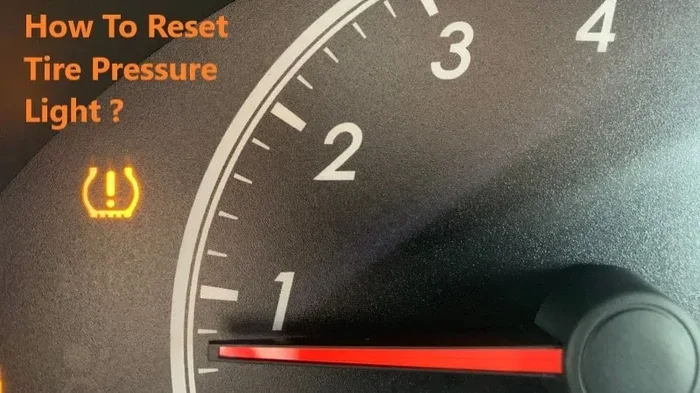
That little horseshoe-shaped light with an exclamation mark popped up on your dashboard, and now you are staring at it wondering what to do. You are not alone. The tire pressure warning light is one of the most common dashboard alerts drivers see, and for good reason. Tires lose air naturally over time, and temperature changes can make the problem worse overnight.
Here is the good news. Resetting the tire pressure warning light is something you can do yourself in most cases. You do not need expensive tools or a trip to the mechanic. This guide will show you exactly how to handle the TPMS reset step by step, no matter what kind of car you drive.
We will cover everything from finding the reset button to understanding when the light means something more serious. By the end, you will feel confident tackling this common car maintenance task on your own.
Key Takeaways
- Quick Reset: Most cars let you reset the tire pressure warning light in under five minutes using the dashboard controls.
- Check First: Always verify your tire pressure with a gauge before resetting the light to avoid driving on underinflated tires.
- Sensor Issues: A flashing light often means a faulty TPMS sensor, not just low air, which needs different attention.
- Temperature Matters: Cold weather commonly triggers the light temporarily, and a simple reset usually fixes it.
- Safety First: Never ignore a tire pressure light for long, as underinflated tires reduce fuel economy and increase blowout risk.
- DIY Friendly: You do not need a mechanic for most resets, saving time and money.
- Know Your Car: The reset process varies by make and model, so check your owner manual for specific steps.
📑 Table of Contents
- What Triggers the Tire Pressure Warning Light
- How to Check Your Tire Pressure Before Resetting
- How to Reset the Tire Pressure Warning Light
- When the Light Flashes Instead of Staying Solid
- How Long Can You Drive With the Tire Pressure Light On
- Preventing the Tire Pressure Warning Light From Coming Back
- Frequently Asked Questions
- Final Thoughts
What Triggers the Tire Pressure Warning Light
The TPMS, or tire pressure monitoring system, keeps an eye on the air inside your tires. When the system detects pressure below the recommended level, it lights up your dashboard. But what exactly causes this to happen?
Low Air Pressure
The most common reason is simply low air. Tires naturally lose about one pound per square inch (PSI) every month. A small leak from a nail or valve stem can speed this up. Even a tiny drop of a few PSI can trigger the tire pressure light on your dash.
Temperature Changes
Cold weather is a sneaky culprit. When the temperature drops, the air inside your tires contracts. This can lower the pressure enough to set off the warning. Many drivers notice the light first thing in the morning during winter and wonder if something is seriously wrong.
Faulty TPMS Sensor
Sometimes the problem is not the tire at all. The sensor itself can fail or lose its battery. A tire pressure sensor battery typically lasts five to ten years before it needs replacement. When the sensor malfunctions, the light stays on even if your tires are perfectly fine.
After a Tire Change or Rotation
If you recently got new tires, rotated your tires, or changed a flat, the system may need a manual reset. The TPMS reset procedure tells the car that the tires are now at the correct pressure and everything is back to normal.
How to Check Your Tire Pressure Before Resetting
Before you reset anything, you need to make sure your tires actually have the right amount of air. Skipping this step can lead to driving on unsafe tires, which is dangerous and wastes fuel.
Find the Recommended PSI
Look for a sticker on the driver side door jamb. It shows the recommended tire pressure for your specific vehicle. Do not use the number on the tire sidewall. That number is the maximum pressure the tire can handle, not the pressure your car needs.
Use a Tire Pressure Gauge
A basic tire pressure gauge costs just a few dollars and is worth every penny. Remove the valve cap, press the gauge firmly onto the valve stem, and read the number. Compare it to the recommended PSI on the door jamb sticker.
Add Air If Needed
If any tire is low, add air at a gas station air pump. Most stations let you set the desired PSI. Fill slowly and check frequently to avoid overinflating. Overinflated tires wear unevenly and feel bumpy to drive on.
Quick Tip
Check your tire pressure when the tires are cold, meaning the car has been parked for at least three hours. Driving heats up the air inside the tires and gives you a falsely high reading.
How to Reset the Tire Pressure Warning Light
Now for the part you have been waiting for. Resetting the tire pressure warning light is different for every car, but the general methods fall into a few categories.
Method One: The Reset Button
Many vehicles have a dedicated TPMS reset button somewhere in the cabin. Common locations include the dashboard area near the steering column, the center console, or under the steering wheel. Look for a button labeled TPMS or a symbol that looks like a horseshoe with an exclamation mark.
Here is the general process:
- Turn the ignition to the ON position without starting the engine.
- Press and hold the TPMS reset button until the warning light blinks three times.
- Release the button.
- Start the engine and let the car run for about 20 minutes.
- The light should turn off as the system recalibrates.
Method Two: Through the Dashboard Menu
Newer cars with digital dashboards often let you reset the light through the infotainment screen. Navigate to the vehicle settings menu and look for a section called Tire Pressure or TPMS. Select the option to reset or calibrate the system. The exact steps vary by brand, so check your owner manual if you get stuck.
Method Three: The Steering Wheel Controls
Some vehicles use the steering wheel buttons to access the TPMS settings. Scroll through the menu options until you find the tire pressure reset function. Hold the OK or confirm button to start the reset process.
Method Four: Disconnect the Battery
If none of the above methods work, you can try disconnecting the car battery for about 15 minutes. This resets the entire electrical system, including the TPMS. However, this method also resets other settings like your radio presets and clock, so use it as a last resort.
Keep in mind that this approach is different from how you would reset the check engine light without disconnecting the battery, which is another common dashboard reset task. The battery disconnect method for the tire pressure light is generally safe but should not be your first choice.
When the Light Flashes Instead of Staying Solid
A solid light usually means low pressure. A flashing light tells a different story. If your tire pressure warning light flashes for about 60 to 90 seconds and then stays solid, this typically indicates a problem with the TPMS system itself, not the tire pressure.
Common Causes of a Flashing Light
- Dead Sensor Battery: The sensor inside the tire has a small battery that eventually dies. The system cannot communicate with the sensor, so it flashes to alert you.
- Sensor Damage: A sensor can get damaged from road debris, potholes, or during a tire change. Physical damage means the sensor needs replacement.
- Aftermarket Tires: If you recently installed aftermarket wheels or tires that are not TPMS-compatible, the system may not detect the sensors properly.
- System Malfunction: Sometimes the TPMS module itself has an electrical glitch. A flashing light that persists after a reset may need professional diagnosis.
If your light is flashing, do not just reset it and ignore it. A malfunctioning TPMS system means you have no electronic monitoring of your tire pressure. This is a safety concern, especially on long drives or in bad weather.
Expert Insight
Many drivers confuse a flashing TPMS light with the check engine light. While both are warning lights, they monitor different systems. The check engine light relates to engine performance and emissions, while the TPMS light is strictly about tire pressure. If both lights are on at the same time, you have two separate issues to address.
How Long Can You Drive With the Tire Pressure Light On
This is a question many drivers ask, and the answer depends on why the light came on in the first place.
If the light is on because one tire is slightly low, you can usually drive a short distance to get air. But you should not drive far or fast on underinflated tires. Underinflated tires cause uneven wear, reduce fuel efficiency, and increase the risk of a blowout at highway speeds.
If the light is flashing, the situation is more serious. You should get the TPMS system checked as soon as possible. Driving without a functioning TPMS means you will not get early warnings about pressure loss, which could lead to a dangerous situation.
Think of the tire pressure warning light like the maintenance required light. Both are alerts that something needs attention. Ignoring either one can lead to bigger problems down the road.
Quick Tips for Safe Driving With the Light On
- Keep your speed below 50 mph until the issue is resolved.
- Avoid highway driving if the light is solid and you know one tire is low.
- Do not ignore a flashing light. Get it checked immediately.
- Check your tire pressure manually before every drive if the light stays on.
- Carry a portable air compressor in your trunk for emergencies.
Preventing the Tire Pressure Warning Light From Coming Back
The best way to deal with the tire pressure warning light is to stop it from coming back in the first place. A little regular maintenance goes a long way.
Check Your Tires Monthly
Get into the habit of checking your tire pressure once a month. A $10 gauge and five minutes of your time can save you from unexpected lights and costly tire damage. Make it part of your monthly car care routine.
Check Before Long Trips
Before any road trip, check all four tires plus the spare. Long drives put more stress on tires, and starting with the right pressure keeps you safe and improves your fuel economy.
Rotate Your Tires Regularly
Tire rotation helps your tires wear evenly and keeps the TPMS sensors working properly. Most manufacturers recommend rotating your tires every 5,000 to 7,500 miles.
Replace Sensor Batteries When Needed
If your TPMS sensors are getting old, the batteries will eventually die. When this happens, you need to replace the entire sensor. Some shops can replace just the battery, but most recommend a full sensor replacement for reliability.
Keep Your Tires Properly Inflated Year Round
Temperature changes throughout the year affect tire pressure. In winter, air contracts and pressure drops. In summer, heat can cause pressure to rise. Adjust your tire pressure with the seasons to keep the TPMS reset from becoming a recurring chore.
Common Mistakes to Avoid
- Resetting without checking pressure first: This is the biggest mistake people make. You will just have to reset again once the tire loses air.
- Using the wrong PSI: Always follow the door jamb sticker, not the tire sidewall number.
- Ignoring a flashing light: A flashing light means a sensor problem, not just low air. Resetting it will not fix the underlying issue.
- Relying only on the dashboard: The TPMS is a backup system, not a replacement for regular manual checks.
Frequently Asked Questions
Can I reset the tire pressure light after adding air to my tires?
Yes, absolutely. Once you have added air and all tires are at the recommended PSI, you can reset the light using the TPMS reset button or your vehicle menu. Just make sure the pressure is correct before you reset, or the light will come back on.
Why does my tire pressure light come on in cold weather?
Cold air causes the air inside your tires to contract, which lowers the pressure. A drop of just a few PSI can trigger the light. Adding air and resetting the system usually fixes this. The light should stay off once temperatures warm up again.
How much does it cost to replace a TPMS sensor?
TPMS sensor replacement typically costs between $50 and $100 per sensor, depending on your vehicle. Some sensors are integrated into the valve stem, which makes replacement a bit more involved. Many tire shops offer TPMS services as part of a tire change or rotation.
Will the tire pressure light reset itself after I inflate my tires?
On most vehicles, the light will not reset automatically. You need to manually trigger the TPMS reset procedure after inflating your tires. However, some newer cars do turn the light off automatically once the pressure reaches the correct level and you drive for a certain distance.
Is it safe to drive with the tire pressure light on?
If the light is solid and you know the tire is only slightly low, you can drive carefully to a nearby air pump. Avoid highway speeds and long distances. If the light is flashing, do not drive far. The TPMS system is malfunctioning, and you need professional help.
How do I know if my TPMS sensor battery is dead?
A dead sensor battery usually triggers a flashing TPMS light that stays on for 60 to 90 seconds each time you start the car. Some vehicles also display a specific message on the dashboard. The only fix is to replace the sensor, as the battery cannot be replaced separately in most models.
Final Thoughts
The tire pressure warning light might seem like a small thing, but it plays a big role in your safety and fuel economy. Resetting it is quick and easy once you know where to look and what to do. Whether you use the reset button under your dash, the infotainment menu, or the steering wheel controls, the process takes just a few minutes.
Remember to always check your tire pressure before resetting the light. A reset without checking is just a temporary fix, and the light will come right back on. Make tire pressure maintenance part of your regular car care routine, and you will rarely have to deal with this warning again.
If you ever find that the light keeps coming back despite proper inflation, have a mechanic check your TPMS sensors. A faulty sensor is an easy and affordable fix that keeps your car running safely and efficiently.
Now you know exactly what to do when that little horseshoe light shows up on your dash. You are prepared, you are informed, and you can handle it like a pro. Safe driving starts with properly inflated tires, and you have all the tools you need to keep them in great shape.