What Does Resetting the Throttle Do and Why It Matters
Resetting the throttle clears stored error codes, recalibrates the electronic throttle control system, and restores proper airflow to your engine. It is a simple fix for common problems like rough idle, engine hesitation, and the dreaded check engine light. Knowing how and when to reset your throttle can save you time and money on costly repairs.
Have you ever noticed your car hesitating when you press the gas pedal? Or maybe the check engine light popped on out of nowhere and you had no idea why. These frustrating moments often point to a problem with your throttle system. The good news is that a simple throttle reset can often fix the issue and get your car running smoothly again.
So what does resetting the throttle do exactly? In short, it clears the stored data in your car’s computer, resets the electronic throttle control, and gives the engine a fresh start. Think of it like restarting your phone when it starts acting glitchy. Sometimes all the system needs is a clean slate to work properly again.
In this article, we will walk you through everything you need to know about throttle reset. You will learn what the throttle does, why it needs resetting, how the process works, and when you should call a professional. Whether you are a DIY enthusiast or just curious about your car, this guide has you covered.
Key Takeaways
- Throttle reset clears error codes: It wipes stored fault codes from the ECU and allows the system to recalibrate fresh.
- Fixes rough idle and hesitation: A reset restores proper airflow and fuel delivery, smoothing out your engine.
- Simple DIY procedure: You can often do it at home with no special tools in under 15 minutes.
- Not a permanent fix for hardware issues: If the throttle body is physically damaged, a reset will only be a temporary solution.
- Related to throttle body relearn: After a reset, the car may need a relearn procedure to adapt to new throttle settings.
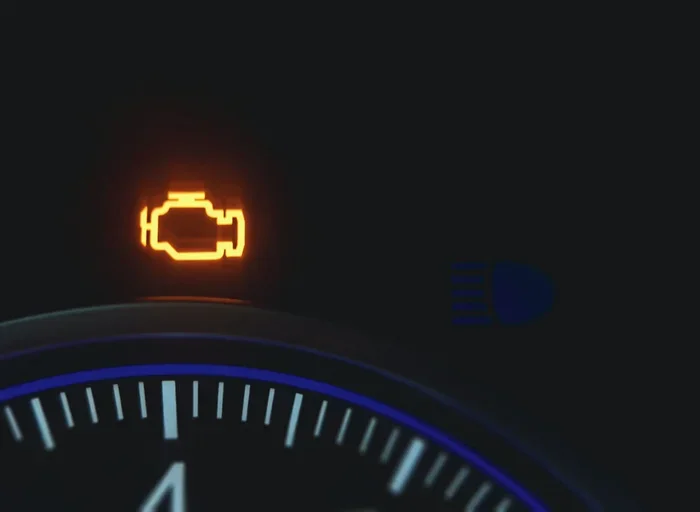
- Check engine light connection: Resetting the throttle can turn off the check engine light if the issue was a sensor glitch.
📑 Table of Contents
- What Is the Throttle and How Does It Work?
- What Does Resetting the Throttle Do?
- Common Signs You Need a Throttle Reset
- How to Reset the Throttle: Step-by-Step Guide
- When a Throttle Reset Is Not Enough
- Throttle Reset vs. Throttle Body Cleaning
- How Often Should You Reset the Throttle?
- Can a Bad Battery Affect Throttle Performance?
- Expert Insights on Throttle Maintenance
- Final Thoughts
What Is the Throttle and How Does It Work?
Before we dive into the reset process, let us understand what the throttle actually does. The throttle controls how much air flows into your engine. More air means more fuel gets burned, which means more power. It is the link between your foot on the gas pedal and the engine’s response.
Modern cars use electronic throttle control instead of a physical cable. This system is called drive by wire. When you press the accelerator pedal, sensors send a signal to the engine control unit (ECU). The ECU then tells the throttle plate to open by a certain amount. It happens in milliseconds.
The Throttle Position Sensor
The throttle position sensor (TPS) plays a key role in this process. It tells the ECU exactly how far the throttle plate is open. If the sensor sends wrong data, the engine gets the wrong amount of air. This can cause rough idle, engine hesitation, or even a misfire. A throttle reset helps recalibrate this sensor and restore accurate readings.
Throttle Body and Airflow
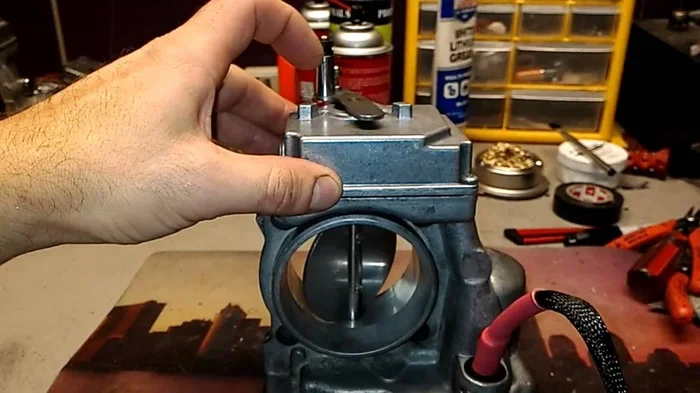
The throttle body is the housing that contains the throttle plate. Over time, carbon buildup can restrict the plate’s movement. This limits airflow and causes performance issues. While a reset does not clean the throttle body physically, it does reset the electronic settings that control how the plate operates. If you are dealing with a dirty throttle body, you might also want to look into throttle body cleaning as part of your maintenance routine.
What Does Resetting the Throttle Do?
Now that you understand the basics, let us answer the main question. What does resetting the throttle actually do? The reset process clears stored fault codes, recalibrates the throttle body, and resets the idle air control system. Here is a closer look at what happens during a reset.
Clears Stored Error Codes
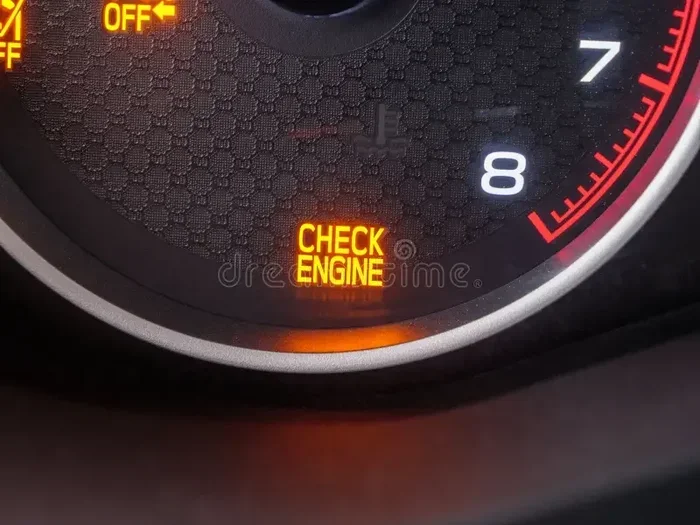
When something goes wrong with the throttle system, the ECU stores a fault code. These codes trigger the check engine light and can cause your car to enter limp mode. Limp mode limits engine power to protect the vehicle from further damage. A throttle reset clears these codes and allows the ECU to start fresh. This is similar to how you might reset the check engine light without disconnecting the battery using an OBD2 scanner or a specific key cycle procedure.
Recalibrates the Electronic Throttle Control
After a reset, the ECU goes through a relearn process. It relearns the idle speed, throttle response, and airflow parameters. This is especially important after you have cleaned the throttle body or replaced a sensor. The car needs to adapt to the new conditions, and a reset kicks off that adaptation process.
Resets the Idle Air Control System
The idle air control (IAC) valve manages your engine’s RPM when you are stopped at a light or in traffic. If the IAC gets stuck or sends incorrect signals, your idle becomes rough or inconsistent. A throttle reset clears the IAC settings and forces the system to recalibrate. This often fixes rough idle issues without any mechanical work.
Restores Throttle Response
Have you ever pressed the gas pedal and felt a delay before the car responded? That is called throttle lag. It happens when the ECU has stored incorrect data about throttle position. A reset clears this data and restores the normal response time. You will notice smoother acceleration and more predictable power delivery after the reset.
Common Signs You Need a Throttle Reset
How do you know if your car needs a throttle reset? There are several warning signs that point to throttle-related issues. Here are the most common ones to watch for.
- Rough idle: The engine shakes or RPM fluctuates when stopped.
- Engine hesitation: The car delays or stumbles when you press the gas.
- Check engine light: The light comes on with throttle-related fault codes like P0121 or P0122.
- Limp mode activation: The car limits speed and power unexpectedly.
- Unstable RPM at stops: The engine surges or drops RPM while idling.
- Poor fuel economy: The engine works harder due to incorrect air-fuel mixture.
- Throttle body warning light: Some vehicles display a specific throttle warning on the dashboard.
If you notice any of these symptoms, a throttle reset should be one of the first things you try. It is a quick fix that costs nothing and takes just a few minutes. However, if the problem persists after the reset, there may be a deeper hardware issue that needs attention.
How to Reset the Throttle: Step-by-Step Guide
Resetting the throttle is something most car owners can do themselves. You do not need expensive tools or mechanic skills. Here is a simple step-by-step guide that works for most vehicles.
Method 1: Key Cycle Reset
This is the most common method and works on many makes and models.
- Turn the ignition key to the ON position. Do not start the engine.
- Wait for 10 to 15 seconds. This lets the ECU power up fully.
- Turn the key back to the OFF position.
- Wait another 10 seconds.
- Turn the key back to ON and start the engine.
- Let the car idle for 2 to 3 minutes without touching the gas pedal.
During the idle period, the ECU goes through the throttle relearn process. You may notice the idle RPM is slightly higher than normal at first. This is normal. It should settle down within a few minutes.
Method 2: Disconnect the Battery
Another way to reset the throttle is by disconnecting the battery. This method clears all stored codes and resets the entire electrical system. However, you need to be careful. Disconnecting the battery reset codes also erases other settings like radio presets, clock, and power window calibration on some vehicles.
- Turn off the engine and remove the key.
- Disconnect the negative battery terminal first.
- Wait for at least 15 minutes. This gives the ECU time to fully discharge.
- Reconnect the negative terminal.
- Start the engine and let it idle for 5 to 10 minutes.
- Take a short test drive to allow the throttle relearn to complete.
Some people worry about whether disconnecting the battery will cause damage. It will not harm your vehicle when done correctly. Just make sure you do not disconnect the positive terminal first, as this can cause a short circuit.
Method 3: Using an OBD2 Scanner
If you have an OBD2 scanner, you can use it to reset the throttle more precisely. This method allows you to target specific fault codes without clearing everything else.
- Plug the OBD2 scanner into the diagnostic port under your dashboard.
- Turn the ignition to ON.
- Follow the scanner prompts to read and clear throttle-related codes.
- Start the engine and let it idle through the relearn process.
This method is the most controlled approach. It lets you see exactly which codes were stored and whether they return after the reset. If the same codes come back, you likely have a hardware problem that needs professional diagnosis.
Quick Tips for a Successful Throttle Reset
- Always let the car idle for at least 2 to 3 minutes after the reset.
- Do not press the gas pedal during the idle relearn period.
- Make sure your battery is fully charged before starting the reset.
- Perform the reset when the engine is cold for the most accurate relearn.
- Take a 10 to 15 minute drive after the reset to complete the adaptation process.
When a Throttle Reset Is Not Enough
A throttle reset is not a magic fix for every problem. Sometimes the underlying issue is mechanical or electrical, and a reset will only provide temporary relief. Here are situations where you should skip the reset and see a professional.
Physical Throttle Body Damage
If the throttle body is physically damaged or severely worn, a reset will not fix it. You might notice a grinding noise, a throttle plate that does not move smoothly, or visible carbon buildup that cannot be cleaned with a simple spray. In these cases, a throttle body replacement may be necessary. If you are handy, you can try a DIY approach by following guides on how to replace your throttle body yourself.
Faulty Throttle Position Sensor
A failing throttle position sensor will keep throwing codes even after a reset. The sensor is an electronic component that wears out over time. If you clear the codes and they return within a few days, the sensor is likely the culprit. Replacing a TPS is relatively affordable and straightforward for most vehicles.
Wiring and Electrical Issues
Corroded connectors, damaged wiring harnesses, or poor ground connections can all cause throttle-related problems. A reset will temporarily clear the codes, but the electrical issue will keep triggering them. If you have checked the throttle body and sensor and everything looks fine, inspect the wiring next.
ECU Software Issues
In rare cases, the ECU itself may have a software glitch that causes throttle problems. A simple reset will not fix this. A dealership or qualified mechanic may need to reflash the ECU with updated software. This is more common in older vehicles or models that have known software recalls.
Throttle Reset vs. Throttle Body Cleaning
People often confuse a throttle reset with a throttle body cleaning. While both address throttle-related issues, they are two very different procedures. Here is a quick comparison.
| Aspect | Throttle Reset | Throttle Body Cleaning |
|---|---|---|
| Purpose | Clears codes and recalibrates the ECU | Removes carbon buildup from the throttle plate |
| Tools Needed | Key or OBD2 scanner | Throttle body cleaner, cloth, and basic tools |
| Time Required | 5 to 15 minutes | 30 to 60 minutes |
| Fixes Electronic Issues | Yes | No |
| Fixes Physical Buildup | No | Yes |
| Cost | Free (DIY) | Free (DIY) or $100 to $300 at a shop |
| Best For | Rough idle, hesitation, check engine light | Dirty throttle plate, carbon buildup |
In many cases, the best approach is to do both. Clean the throttle body first to remove any physical buildup, and then perform a reset to recalibrate the system. This combination addresses both the mechanical and electronic sides of the problem.
How Often Should You Reset the Throttle?
You should not reset the throttle as a regular maintenance task. A reset is a corrective action, not a preventive one. You only need to reset the throttle when you notice symptoms or after you have performed maintenance on the throttle body.
Some mechanics recommend a reset after replacing the air filter, spark plugs, or mass airflow sensor. These changes can affect how the ECU manages airflow and fuel delivery. A reset helps the system adapt to the new components.
If your car is running fine, there is no need to reset the throttle. The system is designed to manage itself. Forcing unnecessary resets can sometimes cause the ECU to lose learned adaptations that improve fuel economy over time.
Can a Bad Battery Affect Throttle Performance?
Yes, a weak or failing battery can cause throttle-related issues. The ECU relies on a stable power supply to operate correctly. If the voltage drops, the throttle position sensor and idle air control valve can send erratic signals. This can trigger the check engine light and cause rough idle or hesitation.
If you are experiencing throttle problems and cannot figure out the cause, it is worth checking your battery. A bad battery can cause the wrench light to come on and mimic throttle-related symptoms. A simple battery test at an auto parts store can rule this out quickly and cheaply.
Expert Insights on Throttle Maintenance
Experienced mechanics agree that most throttle-related issues stem from neglect. Regular maintenance goes a long way in preventing problems before they start. Here are some expert tips to keep your throttle system in top shape.
- Keep up with air filter changes: A clogged air filter restricts airflow and puts extra strain on the throttle body.
- Use quality fuel: Lower quality fuel can cause more carbon buildup inside the throttle body and intake manifold.
- Address warning lights promptly: Ignoring the check engine light can lead to bigger problems over time. The longer you wait, the more damage can occur.
- Clean the throttle body every 30,000 to 50,000 miles: This prevents excessive carbon buildup and keeps the throttle plate moving freely.
- Do not ignore software updates: Some manufacturers release ECU updates that improve throttle response and fix known issues.
Taking care of your throttle system is one of the easiest ways to keep your car running smoothly. A little preventive maintenance now can save you from expensive repairs later.
Final Thoughts
Resetting the throttle is one of the simplest and most effective things you can do to fix common engine problems. Whether you are dealing with rough idle, engine hesitation, or a check engine light, a reset gives your car’s computer a fresh start and often resolves the issue quickly.
The process is straightforward, costs nothing, and takes just a few minutes. You do not need to be a mechanic to do it. With the steps outlined in this guide, you can handle a throttle reset confidently in your own driveway.
Remember that a throttle reset is not a cure-all. If the problem comes back or if you suspect a hardware issue, it is time to see a professional. But for most electronic glitches and sensor-related codes, a reset is all your car needs to get back to normal.
Keep this guide handy for your next throttle-related issue. Your car will thank you with smoother acceleration, better fuel economy, and fewer warning lights on the dashboard.
Frequently Asked Questions
How long does a throttle reset take?
A throttle reset typically takes between 5 and 15 minutes depending on the method you use. The key cycle method is the fastest, while the battery disconnect method requires waiting at least 15 minutes for the ECU to fully discharge. After the reset, you should let the car idle for 2 to 3 minutes to complete the relearn process.
Will resetting the throttle clear the check engine light?
Yes, a throttle reset can clear the check engine light if the light was triggered by a temporary throttle-related fault code. However, if the underlying issue is a hardware problem like a faulty sensor or damaged throttle body, the light will likely come back after the reset. Always investigate the root cause before clearing codes.
Is it safe to drive after a throttle reset?
Yes, it is safe to drive after a throttle reset. In fact, taking a short 10 to 15 minute drive after the reset helps the ECU complete the throttle relearn process. Just avoid aggressive driving or heavy acceleration during the first few minutes after the reset.
Do I need any special tools to reset the throttle?
No special tools are needed for a basic throttle reset. You only need your ignition key for the key cycle method. An OBD2 scanner is optional but helpful if you want to view and clear specific fault codes. A battery wrench is all you need for the battery disconnect method.
Can a throttle reset fix limp mode?
A throttle reset can fix limp mode if the issue was caused by a temporary sensor glitch or stored error code. Limp mode activates when the ECU detects a problem that could damage the engine. Clearing the codes and allowing the system to recalibrate often restores normal operation. If limp mode returns, there is likely a persistent hardware issue that needs professional diagnosis.
How often should I clean my throttle body?
Most mechanics recommend cleaning the throttle body every 30,000 to 50,000 miles. However, this interval can vary depending on your driving conditions and fuel quality. If you frequently drive in stop-and-go traffic or use lower quality fuel, you may need to clean it more often. Regular cleaning prevents carbon buildup and keeps the throttle plate operating smoothly.