What Happens If You Do Not Change Your Oil Regularly
Skipping your oil change can cause serious engine damage over time. Dirty motor oil loses its ability to lubricate, leading to overheating, sludge buildup, and eventually engine failure. Regular vehicle maintenance keeps your engine running smoothly and saves you from expensive repairs down the road.
Your car’s engine has hundreds of moving parts. These parts spin, slide, and collide at high speeds every time you turn the key. Without proper lubrication, they would grind against each other and destroy your engine in minutes. That is exactly what engine oil does. It keeps everything smooth, cool, and protected.
But what happens when you skip an oil change? The oil gets old. It breaks down. It stops doing its job. And your engine starts paying the price. In this article, we will walk you through exactly what happens if you do not change your oil. We will also show you how to avoid costly mistakes and keep your car running strong for years.
Whether you drive a Toyota, a Honda, or any other vehicle, this guide applies to you. Oil changes are not optional. They are one of the most important parts of vehicle maintenance. Let us dive into the details.
Key Takeaways
- Engine Damage: Old oil loses lubrication, causing metal parts to grind and wear out faster.
- Sludge Buildup: Contaminated oil forms sludge that blocks oil passages and starves your engine.
- Overheating Risk: Degraded oil cannot regulate engine temperature, leading to potential warping and cracking.
- Costly Repairs: Neglecting oil changes often results in engine replacement costs that far exceed a simple oil change.
- Reduced Fuel Economy: Dirty oil increases friction, making your engine work harder and burn more fuel.
- Warranty Voiding: Skipping scheduled oil changes can void your manufacturer warranty.
- Easy Prevention: Sticking to a regular oil change schedule is the cheapest way to protect your engine.
📑 Table of Contents
- What Does Engine Oil Do?
- What Happens If You Do Not Change Your Oil?
- How Often Should You Change Your Oil?
- Where Should You Get Your Oil Changed?
- Signs Your Oil Needs Changing
- Common Mistakes People Make With Oil Changes
- Expert Insights on Oil Change Maintenance
- The Cost of Skipping Oil Changes vs. the Cost of Regular Maintenance
- Conclusion
What Does Engine Oil Do?
Before we talk about what happens when you skip an oil change, let us understand what oil does in the first place. Engine oil is the lifeblood of your car. It performs several critical jobs every single time you drive.
Lubrication
Oil creates a thin film between metal parts. This film prevents direct metal-to-metal contact. It reduces friction and keeps everything moving smoothly. Without this layer, your pistons, crankshaft, and camshaft would wear out very quickly.
Cooling
Your engine generates a lot of heat. The oil cooling system helps pull heat away from hot components. Fresh oil does this job well. But old oil loses its ability to transfer heat effectively.
Cleaning
Good oil carries dirt and debris to the oil filter. It keeps the inside of your engine clean. Over time, the oil becomes saturated with contaminants. It stops cleaning and starts depositing grime inside your engine.
Sealing
Oil helps seal the gaps between piston rings and cylinder walls. This keeps combustion pressure where it belongs. Old oil loses its viscosity and cannot seal these gaps properly.
What Happens If You Do Not Change Your Oil?
Now that you know what oil does, let us look at what happens when you ignore it. Skipping an oil change does not just affect one part of your engine. It triggers a chain reaction of problems.
Oil Breakdown and Loss of Viscosity
Over time, motor oil breaks down. Heat and contaminants cause the oil to thin out or thicken. This is called a loss of viscosity. When oil loses its proper viscosity, it cannot flow correctly through your engine. Thin oil fails to create a strong lubricating film. Thick oil cannot reach all the parts that need it.
Both scenarios are dangerous. Thin oil leads to increased friction and wear. Thick oil means poor lubrication during cold starts. Either way, your engine suffers.
Sludge Formation
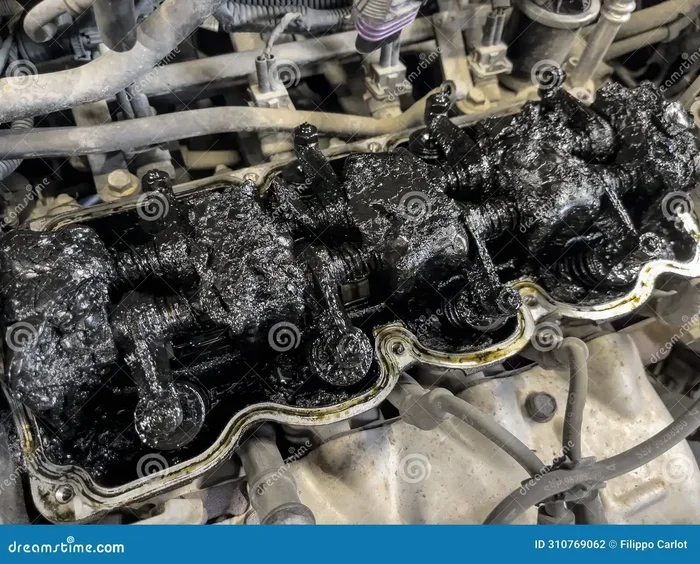
As oil ages, it oxidizes and forms a sticky substance called sludge. This sludge coats the inside of your engine. It clogs tiny oil passages. It blocks the pickup tube that feeds oil to your engine. When oil cannot flow freely, parts start grinding.
Sludge buildup is one of the most common causes of premature engine failure. It develops slowly, so you might not notice it at first. But once it builds up, it is very hard to remove. In many cases, the engine needs to be disassembled and cleaned, or even replaced entirely.
Increased Engine Wear
Dirty oil contains abrasive particles. These tiny particles act like sandpaper inside your engine. They scratch bearing surfaces, wear down cylinder walls, and damage precision-machined components. Over thousands of miles, this wear adds up. Your engine loses compression. It starts making strange noises. Performance drops.
Engine wear from old oil is cumulative. It does not happen overnight. But every mile you drive with degraded oil shortens your engine’s lifespan. This is why sticking to your oil change interval is so important.
Overheating
Old oil cannot absorb and transfer heat the way fresh oil does. Your engine starts running hotter than it should. This leads to overheating, which can warp metal components, crack engine blocks, and blow head gaskets.
Overheating is not just an inconvenience. It can destroy your engine in a matter of minutes if you keep driving. If your temperature gauge starts climbing, pull over safely and turn off the engine immediately.
Reduced Fuel Efficiency
When your engine has to work harder because of poor lubrication, it burns more fuel. Dirty oil increases internal friction. Your engine compensates by using more energy. This means you will fill up your tank more often.
Many car owners do not realize that skipping oil changes costs them money at the pump. A simple oil change can improve your fuel economy by a noticeable margin over time.
Check Engine Light and Oil Pressure Warnings
Modern cars have sensors that monitor oil pressure and oil life. When your oil gets too old or too low, these sensors trigger warning lights on your dashboard. If you see an oil pressure warning or a check engine light, do not ignore it. These are your car’s way of telling you something is wrong.
Some drivers wonder, can I still drive with the oil change light on? The answer is: not for long. Driving with low or degraded oil risks severe engine damage. If you notice these warnings, check your oil level and get an oil change as soon as possible.
If you have recently had your oil changed and the light is still on, you might need to reset the oil change light. Many drivers are unsure how to do this, and it can cause unnecessary worry. Check your owner’s manual or consult a professional for guidance.
How Often Should You Change Your Oil?
The old rule of thumb was to change your oil every 3,000 miles. But modern engines and oils are different today. The right interval depends on several factors.
Conventional vs Synthetic Oil
Conventional oil breaks down faster than synthetic oil. Most mechanics recommend changing conventional oil every 3,000 to 5,000 miles. Synthetic oil lasts longer and handles extreme temperatures better. With synthetic oil, you can often go 7,500 to 10,000 miles between changes.
Some drivers ask, do I really need to change synthetic oil every 6 months? The answer depends on your driving conditions. Even if you do not drive many miles, oil degrades over time. Moisture and contaminants build up in the crankcase. For this reason, most manufacturers recommend changing oil at least twice a year.
Driving Conditions Matter
Your driving habits affect how quickly your oil degrades. Here are some factors that can shorten your oil change interval:
- Stop-and-go city driving
- Extreme hot or cold weather
- Towing heavy loads
- Short trips under 5 miles
- Dusty or off-road conditions
- Idling for long periods
If you drive in any of these conditions, you should change your oil more frequently. These are considered “severe” driving conditions by most manufacturers. Check your owner’s manual for the recommended schedule.
Where Should You Get Your Oil Changed?
There are several options for getting your oil changed. Each has its pros and cons. Let us look at the most common choices.
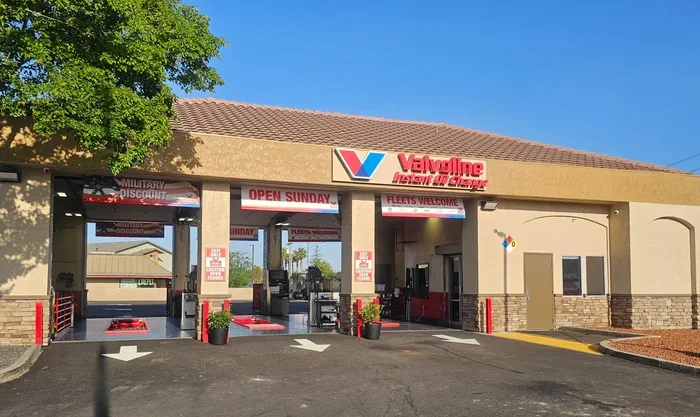
Dealership Service Centers
Getting your oil changed at a dealership has some advantages. The technicians know your specific vehicle. They use manufacturer-approved parts and fluids. Many dealerships offer free or discounted oil changes as part of a maintenance plan. Some even run promotions where dealerships give free oil changes to attract new customers.
If you are a Toyota owner, you might wonder, can you use Toyota Care at any dealership? Toyota Care is a maintenance program that covers certain services at authorized dealers. It is worth checking if your vehicle qualifies.
Quick-Lube Shops
Places like Autozone and other quick-lube chains offer convenient oil change services. They are fast and often affordable. If you are wondering, does Autozone do oil changes? Yes, many Autozone locations offer oil change services or can direct you to a partner shop.
DIY Oil Changes
Some car owners prefer to change their own oil. It saves money and gives you full control over the quality of the oil and filter. If you go this route, make sure you dispose of the old oil properly. Many auto parts stores accept used oil for recycling.
Signs Your Oil Needs Changing
You do not always need a mileage counter to tell you it is time for an oil change. Your car gives you several warning signs. Watch for these indicators:
- Dark, Dirty Oil: Fresh oil is amber in color. As it gets old, it turns dark brown or black. Check your dipstick regularly.
- Burning Smell: A burnt odor coming from the engine bay can mean old oil is breaking down.
- Unusual Engine Noise: If your engine sounds louder than usual or makes knocking sounds, the oil may not be lubricating properly.
- Oil Pressure Warning Light: This is a serious warning. Pull over and check your oil level immediately.
- Reduced Performance: Sluggish acceleration or rough idling can be signs of poor oil condition.
- Exhaust Smoke: Blue or gray smoke from the exhaust can indicate oil is burning inside the engine.
Common Mistakes People Make With Oil Changes
Even well-meaning car owners make mistakes when it comes to oil changes. Here are some of the most common ones:
Ignoring the Oil Change Reminder
Modern cars have oil life monitoring systems. These systems track your driving conditions and tell you when it is time for a change. Many drivers ignore these reminders. They think the car will be fine for a few more weeks. This is a mistake. The reminder is based on real data from your vehicle. Trust it.
Using the Wrong Oil
Not all oil is the same. Using the wrong viscosity or type of oil can cause serious problems. Always check your owner’s manual for the recommended oil specification. If you are unsure, ask a service advisor at your dealership or local shop.
Forgetting to Change the Oil Filter
The oil filter catches contaminants and keeps them out of your engine. A clogged filter restricts oil flow. Always replace the filter when you change the oil. A new filter is a small cost that makes a big difference.
Overfilling or Underfilling
Too much oil can cause foaming and pressure problems. Too little oil means poor lubrication. Always check the level with the dipstick after an oil change and add or remove oil as needed.
Expert Insights on Oil Change Maintenance
Automotive experts agree that regular oil changes are the single most important thing you can do for your engine. According to the American Automobile Association (AAA), neglecting oil changes is one of the leading causes of engine failure in vehicles across the country.
Industry professionals recommend building a relationship with a trusted service provider. Whether you choose a dealership, a quick-lube chain, or a local mechanic, consistency matters. A technician who knows your vehicle’s history can spot potential problems early and recommend the right maintenance schedule.
For Toyota owners, Toyota Care is a valuable resource. It covers basic maintenance services, including oil changes, at authorized Toyota dealerships. This program can save you money and ensure your vehicle gets the right service using genuine Toyota parts.
If you are ever unsure about your oil change schedule, do not hesitate to ask a professional. A few minutes of conversation can save you thousands of dollars in engine repairs. Prevention is always cheaper than cure.
The Cost of Skipping Oil Changes vs. the Cost of Regular Maintenance
Let us put this in real dollars. A standard oil change costs between $35 and $75 for most vehicles. Synthetic oil changes run a bit higher, around $65 to $125. Now compare that to the cost of engine repair or replacement.
A new engine can cost anywhere from $4,000 to $8,000 or more, depending on the vehicle. Even a rebuilt engine runs $2,500 to $4,500. The math is simple. Regular oil changes cost a fraction of what engine repairs cost. They are the best investment you can make in your car.
Think of it this way. You would not skip brushing your teeth and expect your dentist to fix the damage easily. Your car’s engine works the same way. Regular care prevents big problems down the road.
Conclusion
Oil changes are not just a routine chore. They are a critical part of keeping your engine healthy and your car reliable. When you skip an oil change, you risk oil breakdown, sludge buildup, overheating, and serious engine damage. The cost of a simple oil change is tiny compared to the cost of a new engine.
Follow your manufacturer’s recommended oil change interval. Pay attention to warning signs. Use the right type of oil and filter. And if you ever need help, visit a trusted dealership or service center. Your engine works hard for you every day. Give it the care it deserves with regular oil changes.
Stay on top of your vehicle maintenance schedule. Your future self and your wallet will thank you. A well-maintained engine runs better, lasts longer, and keeps you safe on the road. Do not wait until it is too late. Change your oil on time, every time.
Frequently Asked Questions
Can I Still Drive With the Oil Change Light On?
You can drive a short distance with the oil change light on, but you should not push it. The light means your oil is due for a change. Driving too long with old oil risks engine damage. Get your oil changed as soon as possible to protect your engine.
How Much Does an Oil Change Cost?
A standard oil change typically costs between $35 and $75. Synthetic oil changes range from $65 to $125. The price depends on your vehicle type, the oil used, and where you get the service. Many dealerships and shops offer coupons and discounts.
What Happens If You Never Change Your Oil?
If you never change your oil, it will eventually turn into sludge. The sludge blocks oil passages and starves your engine of lubrication. This leads to increased friction, overheating, and ultimately complete engine failure. The repair or replacement cost will be thousands of dollars.
Can You Go Two Years Without Changing Synthetic Oil?
While synthetic oil lasts longer than conventional oil, going two years without a change is risky. Oil degrades over time even if you do not drive many miles. Moisture and contaminants accumulate in the crankcase. Most manufacturers recommend changing synthetic oil at least once a year or every 7,500 to 10,000 miles.
Do Dealerships Give Free Oil Changes?
Some dealerships do offer free oil changes as part of promotional events or maintenance programs. Toyota Care and similar programs often cover oil changes for new vehicles. Check with your local dealership to see if any current offers are available for your vehicle.
How Do I Reset My Oil Change Light After an Oil Change?
Resetting the oil change light varies by vehicle model. Most cars have a simple procedure in the owner’s manual. You can also search for your specific model online or visit a service center. Properly resetting the light ensures the system tracks your next service interval accurately.