What Is MPG and How Is It Calculated for Your Vehicle
MPG stands for miles per gallon and measures how far your vehicle travels on one gallon of fuel. Calculating your own MPG is easy, requires only basic math, and helps you understand your fuel economy better than any sticker number. Whether you drive a sedan, truck, or hybrid, knowing your MPG empowers you to save money and drive smarter.
Have you ever wondered how far your car can really go on a single tank of gas? That question comes down to one simple number: MPG. Understanding MPG is one of the most practical things any driver can learn. It affects your wallet, your planning, and even your impact on the environment.
In this guide, we will walk you through exactly what MPG means, how it is calculated, and why it matters for your daily driving. We will break down the math so it is easy to follow. You do not need to be a mechanic or a math whiz to figure this out. By the end, you will know how to calculate your own fuel economy and use it to your advantage.
Whether you are trying to stretch your budget or just curious about how your car performs, this article covers everything you need. Let us dive into the world of miles per gallon and make sense of your MPG rating once and for all.
Key Takeaways
- MPG Defined: MPG measures the distance your car travels per gallon of fuel, giving you a clear picture of vehicle efficiency.
- Two Simple Methods: You can calculate MPG using the odometer and fill-up method or by using your car’s onboard computer display.
- City vs. Highway: Your MPG will differ between city driving and highway driving, and understanding both helps you plan better.
- Real-World MPG Matters: EPA estimates are helpful but your actual fuel economy depends on driving habits, road conditions, and vehicle maintenance.
- Track Your MPG: Regularly monitoring your MPG helps you catch mechanical issues early and save money on fuel costs.
- Hybrid Vehicles: Hybrid cars offer different MPG calculations and can sit idle longer without wasting fuel compared to traditional combustion engines.
- Small Changes Add Up: Simple habits like smooth acceleration and proper tire pressure can significantly improve your gas mileage over time.
📑 Table of Contents
- What Does MPG Mean?
- How Is MPG Calculated? The Simple Method
- City MPG vs. Highway MPG: What Is the Difference?
- How Long Can a Car Idle Safely and What Does It Mean for MPG?
- MPG for Hybrid Vehicles: How Is It Different?
- How to Improve Your MPG: Practical Tips
- Understanding Your Vehicle’s Fuel Tank and Range
- Why Tracking Your MPG Over Time Is a Smart Habit
- Conclusion
What Does MPG Mean?
MPG stands for miles per gallon. It is a measurement that tells you how many miles your vehicle can travel using one gallon of fuel. Think of it as a scorecard for your car’s fuel efficiency. The higher the number, the farther you go without stopping for gas.
When you see an MPG number on a new car sticker or in a vehicle listing, it usually comes from EPA testing. The EPA, or Environmental Protection Agency, tests vehicles under controlled conditions. They measure both city MPG and highway MPG. These numbers give buyers a baseline for comparing vehicles.
But here is the catch. Your real-world MPG will almost always differ from the EPA estimate. Driving style, weather, cargo weight, and road conditions all play a role. This is exactly why learning how to calculate your own MPG is so valuable. You get numbers that reflect YOUR driving, not a lab test.
Why MPG Matters for Your Wallet
Fuel costs are one of the biggest ongoing expenses of car ownership. When you understand your MPG, you can predict how much you will spend on gas each month. This helps you budget more accurately and avoid surprises at the pump.
For example, if your car gets 25 MPG and gas costs $3.50 per gallon, you can calculate your cost per mile. Simply divide the price of gas by your MPG. In this case, that is about 14 cents per mile. Over a 1,000-mile month, you are looking at roughly $140 in fuel costs. Knowing this number helps you make smarter decisions about your driving habits.
How Is MPG Calculated? The Simple Method
Calculating your own MPG is surprisingly easy. You only need two pieces of information: the miles you drove and the gallons of fuel you used. Here is the basic formula:
MPG = Miles Driven ÷ Gallons of Fuel Used
That is it. No fancy equipment needed. Just some basic division. Let us walk through a real example so you can see how simple it is.
Step-by-Step: The Odometer Fill-Up Method
This is the most reliable way to track your MPG at home. Follow these steps carefully for the most accurate results.
- Start with a full tank. Drive to your nearest gas station and fill up completely. Record your starting odometer reading. Write it down or take a photo of the gauge.
- Drive normally. Go about your regular driving routine. Do not try to drive differently just for this test. You want real-world data.
- Fill up again. When you need fuel next, go back to the same station if possible. Fill the tank completely again. Note the number of gallons it took to fill up.
- Record your new odometer reading. Subtract your starting odometer number from your ending number. This gives you the total miles driven between fill-ups.
- Do the math. Divide your total miles driven by the gallons of fuel you added. The result is your MPG for that trip.
Let us say your starting odometer was 45,200 miles. After driving normally, your ending odometer reads 45,500 miles. That is 300 miles driven. If it took 12 gallons to fill your tank back up, your MPG is 300 ÷ 12 = 25 MPG. Simple as that.
Using Your Car’s Trip Meter
Most modern vehicles have a trip meter feature. You can reset this counter at each fill-up. The trip meter tracks your miles automatically, so you do not need to write down odometer numbers manually. Just reset it when you fill up, and check the miles when you fill up again. Combine that with the gallons pumped, and you have your MPG instantly.
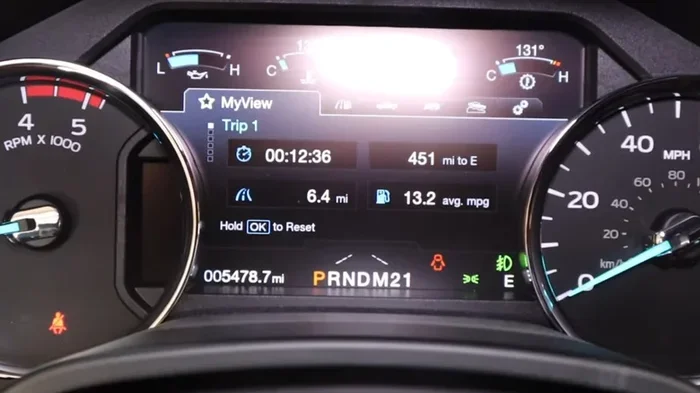
Some vehicles also have a built-in fuel economy display in the dashboard. This feature calculates your MPG in real time. While convenient, these built-in systems are not always perfectly accurate. It is still a good idea to double-check with the manual method every few weeks.
City MPG vs. Highway MPG: What Is the Difference?
You have probably noticed that vehicles come with both a city MPG and a highway MPG rating. These numbers represent different driving conditions and they are usually quite different from each other.
City MPG measures fuel economy in stop-and-go traffic. You are dealing with frequent acceleration, braking, and idling. All of these actions burn more fuel. Your MPG in the city is typically lower than on the highway.
Highway MPG measures fuel economy at steady speeds. There is less stopping and starting, which means the engine works more efficiently. Most drivers see better fuel economy on long highway trips compared to short city commutes.
Why Your Driving Style Changes Your MPG
Your personal driving habits have a huge impact on your MPG. Aggressive acceleration, speeding, and hard braking all lower your fuel efficiency. Smooth, steady driving helps you get the best possible MPG from your vehicle.
Here are some factors that affect your real-world MPG:
- Speed: Driving above 60 mph steadily reduces your MPG. Aerodynamic drag increases significantly at higher speeds.
- Idling: Letting your car idle wastes fuel. If you are parked for more than a minute, turning off the engine saves gas.
- Air Conditioning: Running the AC puts extra load on the engine, which lowers your MPG.
- Tire Pressure: Underinflated tires create more rolling resistance. This means your engine works harder and uses more fuel.
- Payload Weight: Carrying heavy items in your trunk or truck bed reduces fuel economy. Lighter loads mean better MPG.
Understanding these factors helps you make small adjustments that add up to meaningful savings over time.
How Long Can a Car Idle Safely and What Does It Mean for MPG?
Idling is one of the biggest hidden fuel wasters. When your engine is running but the car is not moving, you are getting zero MPG. Your car is burning fuel for nothing. This is especially relevant if you leave your car running while waiting or sitting in traffic.
Most experts agree that you should not let your car idle for more than a few minutes. Modern engines do not need extended warm-up periods. After about 30 seconds, your car is ready to drive gently. The best way to warm up your engine is to drive it softly.
For drivers who live in colder climates, this is an important point. Many people still believe they need to idle their car for several minutes before driving. That old habit wastes fuel and actually does very little to help your engine. If you are curious about safe idling limits, you can check out our guide on how long a car can idle safely for detailed recommendations.
The Impact of Idling on Fuel Economy
Even short periods of idling add up over time. If you idle for 10 minutes every day while waiting for passengers, you could be wasting several gallons of fuel per month. Over a year, that adds up to a surprising amount of money and wasted fuel.
The good news is that turning your engine off and back on uses less fuel than idling for extended periods. Modern starter motors are designed to handle frequent restarts. So next time you are parked for more than a minute, consider shutting off the engine. Your MPG and your wallet will thank you.
MPG for Hybrid Vehicles: How Is It Different?
Hybrid cars use a combination of a gasoline engine and an electric motor. This dual system changes how MPG is calculated and experienced. Hybrids often deliver significantly better fuel economy than traditional combustion engine vehicles.
When calculating MPG for a hybrid, the same basic formula applies. You still divide miles driven by gallons of fuel used. However, hybrids use much less gasoline in many driving situations because the electric motor handles part of the work.
Some hybrid drivers report getting 50 MPG or more in city driving. That is nearly double what a comparable gasoline-only vehicle might achieve. The electric motor assists during low-speed driving, which is exactly where traditional cars struggle with fuel efficiency.
Can a Hybrid Sit Without Being Driven?
Hybrid vehicles are designed to be more efficient even when sitting idle. The electric motor can power accessories like air conditioning while the car is stopped, which means the gasoline engine can shut off entirely. This feature alone improves MPG significantly in stop-and-go traffic.
If you are considering a hybrid or already own one, you might wonder how long a hybrid can sit without being driven. Hybrid batteries are designed to maintain charge over longer periods compared to traditional car batteries. For more details on this topic, check out our article on how long a hybrid can sit without being driven.
MPG Ratings for Popular Hybrid Models
Different hybrid models offer different MPG ratings. Here is a quick comparison of some popular hybrid vehicles and their estimated combined MPG:
- Toyota Prius: Around 57 MPG combined
- Honda Accord Hybrid: Around 48 MPG combined
- Toyota Camry Hybrid: Around 52 MPG combined
- Ford Escape Hybrid: Around 44 MPG combined
- Hyundai Ioniq: Around 58 MPG combined
Keep in mind that these are EPA estimates. Your actual MPG will vary based on how you drive and the conditions you face. Using the manual calculation method we described earlier will give you the most accurate picture of your hybrid’s real-world performance.
How to Improve Your MPG: Practical Tips
Now that you know how to calculate your MPG and understand what affects it, let us talk about how to improve it. Small changes in your driving and maintenance routine can lead to noticeable gains in fuel economy.
Quick Tips to Boost Your MPG
- Keep your tires properly inflated. Check your tire pressure at least once a month. The correct PSI is listed on the driver’s side door jamb.
- Remove unnecessary weight. Clean out your trunk and back seat. Every extra pound means your engine works harder.
- Use cruise control on highways. Maintaining a steady speed is more efficient than constantly adjusting your speed.
- Accelerate smoothly. Avoid jackrabbit starts. Gentle acceleration uses less fuel and is safer.
- Plan your trips efficiently. Combine errands into one trip to reduce total miles driven and cold starts.
- Use the right oil. Synthetic or high-quality motor oil reduces engine friction and can improve your MPG.
- Replace your air filter regularly. A clogged air filter restricts airflow and forces your engine to work harder.
Common Mistakes That Lower Your MPG
Many drivers unknowingly habits that hurt their fuel economy. Here are the most common mistakes to avoid:
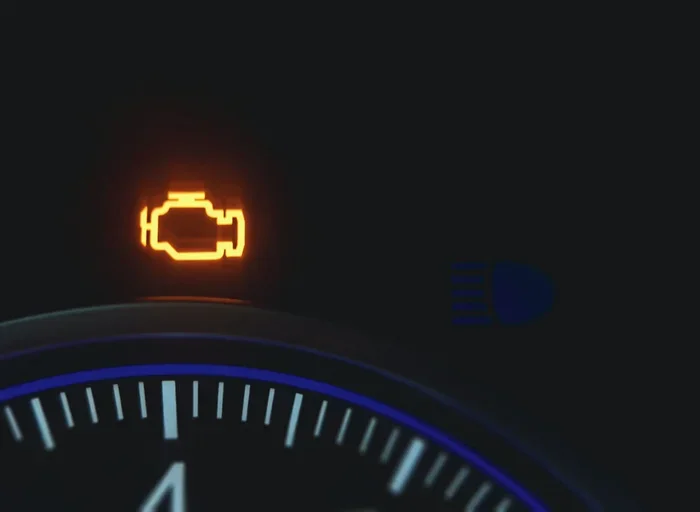
- Ignoring the check engine light. A failing oxygen sensor can lower your MPG by up to 40%. If your light is on, get it checked.
- Using the wrong fuel grade. Using premium fuel when your car requires regular will not improve MPG and just costs more.
- Leaving windows open at high speeds. Open windows create drag that reduces fuel economy at highway speeds.
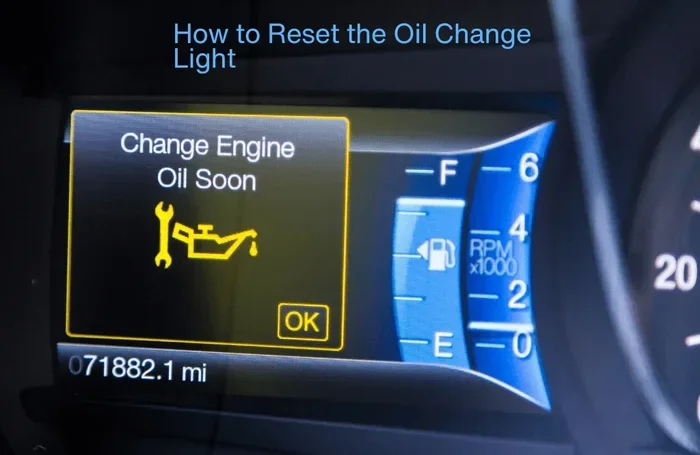
- Delayed maintenance. Skipping oil changes and tune-ups lets your engine fall out of peak efficiency.
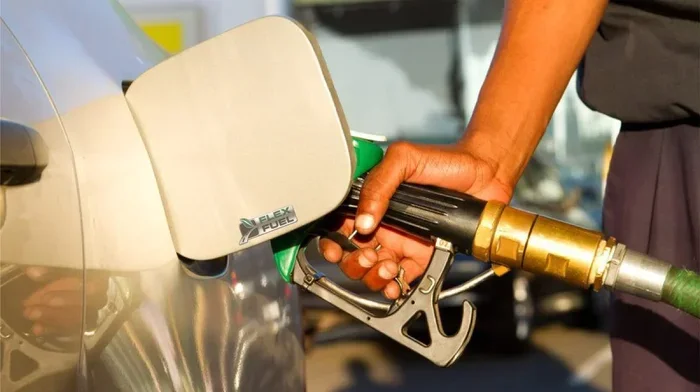
- Overfilling your tank. Topping off your tank can damage the charcoal canister and actually reduce fuel efficiency over time.
Avoiding these mistakes keeps your vehicle running efficiently and your MPG numbers closer to the optimal range.
Understanding Your Vehicle’s Fuel Tank and Range
Your MPG and your fuel tank size together determine your total driving range. If you know your MPG and your tank capacity, you can estimate how far you can go before needing to refuel. This is especially helpful for road trips or when driving through areas with few gas stations.
To calculate your estimated range, multiply your MPG by your tank size in gallons. For example, if your car gets 25 MPG and has a 15-gallon tank, your estimated range is 375 miles. This gives you a good baseline for planning your fuel stops.
If you want to know the exact capacity of your specific vehicle, you can look up your model or check our guide on how many gallons your car tank holds. Knowing your tank size helps you make the most of your MPG calculations and plan your trips with confidence.
Why Tracking Your MPG Over Time Is a Smart Habit
Calculating your MPG once is helpful, but tracking it over time is even better. A single number gives you a snapshot. A trend over weeks and months tells a much bigger story. If your MPG starts dropping, it could signal a problem with your vehicle.
Common issues that cause declining MPG include clogged fuel injectors, worn spark plugs, a failing oxygen sensor, or low tire pressure. By monitoring your fuel economy regularly, you can catch these problems early before they become expensive repairs.
Think of tracking your MPG as a diagnostic tool. Your car cannot talk to you, but your MPG numbers can tell you a lot about its health. A sudden drop in MPG is often the first warning sign of a mechanical issue. The sooner you notice it, the sooner you can address it.
You do not need a complicated app or spreadsheet to track your MPG. A simple notebook in your glove box works perfectly. Just record your odometer reading, gallons added, and calculated MPG at each fill-up. Over time, you will build a valuable record that helps you understand your vehicle better.
Conclusion
MPG is one of the most useful metrics any driver can understand. It tells you how efficiently your vehicle uses fuel, helps you predict costs, and serves as an early warning system for mechanical problems. Calculating your own MPG is simple, requires no special tools, and gives you information that is far more accurate than any sticker number.
We have covered the basics of what MPG means, how to calculate it using the fill-up method, and how city and highway driving affect your numbers. We explored how hybrids calculate MPG differently and shared practical tips to improve your fuel economy. We also discussed how tracking your MPG over time can help you maintain your vehicle and catch issues early.
The key takeaway is this: MPG belongs to you, not the EPA. Your driving habits, your vehicle condition, and your maintenance routine all determine your real-world MPG. Take control of your fuel economy today. Start calculating your MPG at your next fill-up. The savings and insights are well worth the effort.
Frequently Asked Questions
What does MPG stand for?
MPG stands for miles per gallon. It is a measurement of how many miles your vehicle can travel on one gallon of fuel. This number helps drivers understand their fuel economy and estimate fuel costs.
How accurate are EPA MPG estimates?
EPA estimates are a good starting point for comparing vehicles, but they are based on controlled lab conditions. Your real-world MPG will usually differ due to driving style, weather, road conditions, and vehicle maintenance. The best way to get accurate numbers is to calculate your own MPG using the fill-up method.
What is a good MPG for a daily commuter?
A good MPG depends on your vehicle type and driving conditions. For a compact sedan, 30 MPG or higher is considered good. For a truck or SUV, 20 MPG or higher is respectable. The key is to compare your MPG to the EPA rating for your specific model to see how you are performing.
Does air conditioning affect MPG?
Yes, running your air conditioning puts extra load on the engine, which reduces your MPG. At low speeds, using the AC has a bigger impact than at highway speeds. On the highway, using the AC is actually more efficient than driving with the windows open because open windows create aerodynamic drag.
How often should I calculate my MPG?
Calculating your MPG once a month is a good habit. This frequency gives you enough data to spot trends without being tedious. If you notice a sudden drop in your MPG, it is worth investigating possible causes like maintenance needs or mechanical issues.
Can a bad fuel pump lower my MPG?
Yes, a failing fuel pump can deliver inconsistent fuel pressure to the engine, which reduces fuel efficiency and lowers your MPG. Other fuel system issues like clogged injectors can have a similar effect. If you notice a significant drop in your MPG along with rough idling or hesitation, have your fuel system inspected.