How Do You Manually Reset Car Codes And Save Money
Manually resetting car codes is easier than most people think, and it can save you hundreds of dollars in mechanic fees. Whether you need to clear a check engine light, erase fault codes, or reset your OBD-II system, this guide walks you through every method. You will learn the safest techniques, common mistakes to avoid, and expert tips that dealerships do not want you to know.
Car codes can feel scary when they pop up on your dashboard. That little check engine light seems to shout at you every time you start the ignition. But here is the truth — most car codes are not emergencies. They are simply your vehicle telling you something needs attention.
Many people rush to the dealership or local mechanic the moment a code appears. They pay a diagnostic fee of $75 to $150 just to have someone plug in a scanner and tell them the same thing the code already said. Then they pay even more to reset the codes. This cycle wastes your money and your time.
Manually resetting car codes puts you back in control. You learn what the codes mean. You decide when to act. And you save real money along the way. This guide covers every method you can use to reset your car codes without spending a dime on labor.
Whether you drive a Toyota, Honda, Ford, or any other make, the process is simpler than you imagine. Let us walk through it together.
Key Takeaways
- You can reset car codes at home using simple tools like an OBD-II scanner or a battery disconnect method.
- Clearing codes yourself saves hundreds compared to paying a mechanic for a basic reset.
- Not all reset methods work the same way — some clear codes temporarily while others fix the root problem.
- Always diagnose the real issue first before resetting any codes, or the light will just come back.
- Some codes require specific procedures depending on your vehicle make, model, and year.
- Resetting the check engine light does not erase emissions test readiness in many states.
📑 Table of Contents
- What Are Car Diagnostic Codes And Why Do They Appear
- Why You Should Reset Car Codes Yourself
- Methods To Manually Reset Car Codes
- Common Mistakes People Make When Resetting Car Codes
- How To Know If A Code Has Been Successfully Reset
- Can A Dealership Tell If You Reset Codes Yourself
- How Often Should You Reset Car Codes
- Quick Tips For Safe Code Resetting
- Expert Insight: The Real Cost Of Ignoring Car Codes
- Conclusion
What Are Car Diagnostic Codes And Why Do They Appear
Before you can reset anything, you need to understand what car codes actually are. Your vehicle has a built-in computer called the Engine Control Unit, or ECU. This computer monitors hundreds of sensors throughout the engine, transmission, and exhaust system. When a sensor detects something outside normal range, the ECU stores a code.
These codes are also called diagnostic trouble codes or DTC codes. Each code has a specific meaning. For example, a P0301 code means cylinder one is misfiring. A P0420 code usually points to a catalytic converter issue.
The check engine light is the visual signal that a code has been stored. It does not always mean something is broken. Sometimes it means a sensor is reading slightly out of range. Other times it flags a real problem that needs immediate attention.
How OBD-II Codes Work
Modern cars use a system called OBD-II, which stands for On-Board Diagnostics II. This system has been standard in all cars sold in the United States since 1996. The OBD-II port is usually located under your dashboard on the driver side. You plug a scanner or code reader into this port to read the stored codes.
OBD-II codes start with a letter followed by four numbers. The letter tells you the category:
- P = Powertrain (engine and transmission)
- B = Body (airbags, climate control)
- C = Chassis (brakes, suspension)
- U = Network (communication between modules)
The first number after the letter tells you if it is a generic code or manufacturer-specific. A zero means generic. A one means it is specific to your car brand.
Why You Should Reset Car Codes Yourself
Resetting car codes yourself is one of the easiest ways to save money on car maintenance. Most people do not realize how simple the process really is. You do not need special training. You do not need to book an appointment. And you certainly do not need to pay someone else to do it.
Save Money On Diagnostic Fees
When you visit a mechanic for a check engine light, the first thing they do is charge you a diagnostic fee. This fee covers the time they spend plugging in their scanner and reading the codes. But here is the thing — you can do this exact same step at home with a cheap OBD-II scanner that costs $20 to $50.
Once you own a scanner, you never need to pay a diagnostic fee again. You can check your codes anytime, anywhere. And if the code turns out to be something minor, you can fix it yourself and reset the light without ever leaving your driveway.
Avoid Unnecessary Repairs
Sometimes a code appears because of a loose gas cap or a temporary sensor glitch. If you take the car to a shop, the mechanic might recommend expensive repairs that were never needed. By reading the code yourself and understanding what it means, you can make a smarter decision about whether to proceed with repairs.
Methods To Manually Reset Car Codes
There are several ways to reset car codes at home. Each method has its pros and cons. Some work better for certain vehicles than others. Let us go through every option so you can pick the best one for your situation.
Method 1: Using An OBD-II Scanner
An OBD-II scanner is the most reliable way to reset car codes. You plug the device into your OBD-II port, turn the ignition on, and follow the on-screen prompts. Most scanners have a clear or erase function that removes stored codes.
Here is how to do it step by step:
- Locate your OBD-II port under the dashboard.
- Plug the scanner into the port firmly.
- Turn the ignition to the ON position (do not start the engine).
- Wait for the scanner to connect with the ECU.
- Select the option to read codes and write them down.
- Navigate to the erase or clear codes function.
- Confirm the action and wait for the scanner to finish.
- Turn the ignition off and then back on to verify the codes are gone.
If you want to learn more about resetting your check engine light without a full scanner, check out this guide on Can You Reset The Check Engine Light Without Disconnecting The Battery. It covers alternative methods that do not require any equipment at all.
Method 2: Disconnecting The Battery
Disconnecting the battery is one of the oldest and most popular methods to reset car codes. When you remove the battery cables, the ECU loses power and clears all stored codes. This method also resets other settings like your radio presets and clock.
Here is how to safely disconnect your battery:
- Turn off the engine and all electrical accessories.
- Open the hood and locate the battery.
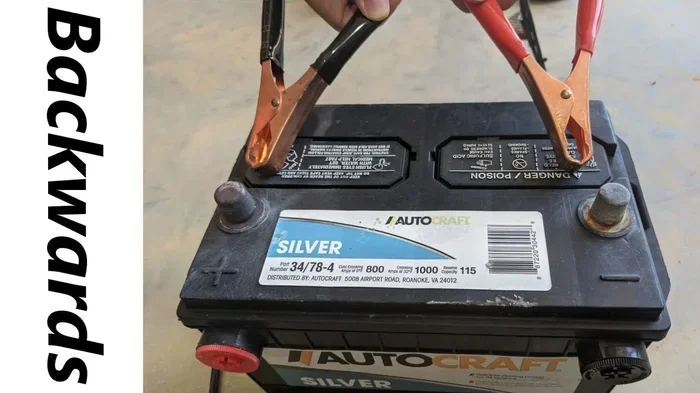
- Use a wrench to loosen the negative (black) cable first.
- Disconnect the cable from the battery terminal.
- Wait at least 15 minutes for the ECU to fully reset.
- Reconnect the negative cable and tighten it securely.
- Start the engine and check if the check engine light is off.
Some people wonder whether does disconnecting battery reset codes. The answer is yes, it does. But there are a few important things to keep in mind. Not all codes will disappear permanently. If the underlying problem still exists, the codes will come back within a few drive cycles.
Method 3: The Fuse Pull Method
Some vehicles have a specific fuse that controls the ECU or the check engine light. Pulling this fuse for a few minutes can reset the codes. This method works well when you do not have a scanner and do not want to disconnect the battery.
You can find the correct fuse by checking your owner manual. Look for a fuse labeled ECM, ECU, or PCM. Pull it out with a fuse puller or a pair of needle-nose pliers. Wait five to ten minutes, then push it back in.
Warning: This method can also reset other electronic settings. Your radio, power windows, and clock may need to be reprogrammed after you put the fuse back in.
Method 4: Turning The Ignition On And Off
This is the simplest method and requires no tools at all. It works on many older vehicles and some newer models too. Here is what you do:
- Insert the key into the ignition.
- Turn the key to the ON position without starting the engine.
- Wait for 10 to 15 seconds.
- Turn the key back to the OFF position.
- Wait another 10 seconds.
- Repeat this cycle three to four times.
- Start the engine and see if the codes are cleared.
This method does not work on all vehicles. Newer cars from 2010 and beyond often have security systems that prevent this simple reset. But it is always worth trying before spending money on tools.
Common Mistakes People Make When Resetting Car Codes
Resetting car codes sounds simple, but people make mistakes that cause bigger problems. Learning what not to do is just as important as learning how to do it right.
Resetting Codes Without Fixing The Problem
This is the number one mistake people make. They reset the codes, the check engine light goes off, and they feel relieved. But two weeks later, the light comes back. Why? Because the actual problem was never fixed.
Always read the code first. Understand what it means. Then decide if you need to make a repair before you reset anything. If you clear codes without addressing the root cause, you are just hiding the symptom, not fixing the disease.
Using The Wrong Scanner
Not all code readers are the same. A basic scanner can read and clear generic codes. But it may not work with manufacturer-specific codes. If you have a European car like a BMW or Mercedes, you may need a more advanced scanner that supports your brand.
Also, some cheap scanners only read codes. They cannot clear them. Always check the product description before you buy. Look for a scanner that supports both reading and erasing functions.
Disconnecting The Battery On Modern Cars
Modern vehicles have complex computer systems. When you disconnect the battery, you do more than just reset codes. You can erase adaptive learning data that the ECU has stored over time. This can cause rough idling, poor fuel economy, and shifting problems until the system relearns your driving habits.
If you do disconnect the battery, drive gently for the first 50 to 100 miles afterward. Let the ECU relearn your driving patterns naturally.
Ignoring Pending Codes
Your car stores two types of codes. Current codes are active problems that are happening right now. Pending codes are intermittent issues that have been detected once but have not triggered the check engine light yet. If you reset your car and a pending code becomes a current code, the light will come back immediately.
Always check for pending codes before resetting. If you see pending codes, investigate them even if the check engine light is not on yet.
How To Know If A Code Has Been Successfully Reset
After you reset the codes, you want to confirm that the process worked. Here is how to verify that your car codes have been cleared properly.
First, turn the ignition off and wait 30 seconds. Then turn it back to the ON position without starting the engine. Watch the check engine light. If it stays off, the codes have been successfully cleared.
Second, plug your scanner back in and read the codes again. If the scanner shows no codes stored, the reset was successful. If codes appear again, the underlying problem is still present and needs to be addressed.
Third, take the car for a test drive. Drive for at least 10 to 15 minutes across different speeds. Watch the dashboard. If the check engine light does not return, your reset was successful and the problem was either minor or already fixed.
When The Light Comes Back After Resetting
If the check engine light returns shortly after resetting, that is a clear sign the problem is still there. Do not keep resetting the codes over and over. This will not fix anything and can damage your catalytic converter over time.
Instead, use the scanner to read the code again. Write it down. Then research what it means for your specific vehicle. You may be able to fix the issue yourself with a simple repair like replacing a sensor or tightening a loose hose.
Can A Dealership Tell If You Reset Codes Yourself
Many car owners worry that resetting codes themselves will cause problems during future service visits. They fear the dealership will know they cleared the codes and not perform warranty work.
The good news is that dealerships cannot always tell if you cleared codes yourself. When you use an OBD-II scanner to erase codes, the ECU clears the current code history. However, some advanced diagnostic tools can still show freeze frame data or pending codes that were recorded before the reset.
That said, if you have a warranty issue, the best approach is always to have the problem properly diagnosed and repaired before visiting the dealership. This protects your warranty and ensures your car is running at its best.
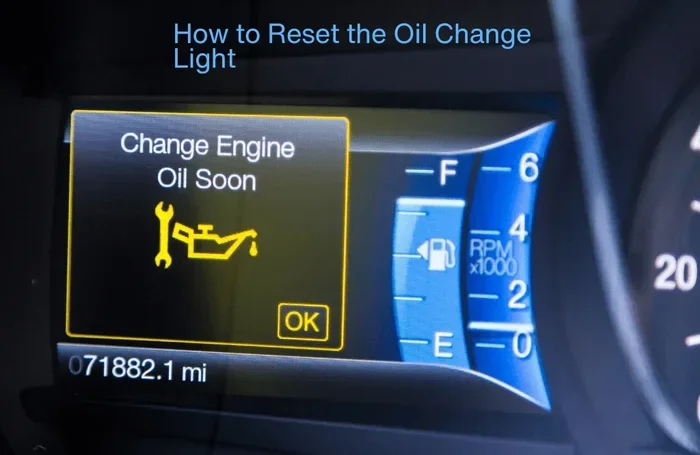
Some people also wonder whether resetting the light after an oil change follows the same process. In most cases, yes. After an oil change, you can use the same methods described above to clear the oil change reminder code.
How Often Should You Reset Car Codes
You should only reset car codes when you have addressed the underlying issue. There is no reason to reset codes regularly as part of routine maintenance. Doing so can actually mask real problems and make diagnostics harder later.
The only time you should reset codes without a repair is when a code was triggered by a temporary condition. For example, if you filled up with bad gas and got a lean fuel code, the code might clear on its own after a few tanks of good fuel. In that case, a manual reset can speed up the process.
Quick Tips For Safe Code Resetting
- Always write down your codes before resetting them. You never know when you might need that information for a future repair.
- Keep a quality OBD-II scanner in your glove box. It pays for itself the first time you avoid an unnecessary diagnostic trip.
- Drive gently after a reset so the ECU can relearn properly and avoid rough running.
- Do not reset codes right before an emissions test. Many states require the check engine light to be off for a full drive cycle before testing.
- Address pending codes early before they become current codes and trigger the check engine light.
Expert Insight: The Real Cost Of Ignoring Car Codes
Some drivers see a code and ignore it for months. They reset it whenever it comes back and keep driving. This approach can lead to expensive repairs down the road. A small sensor issue that costs $50 to fix today can turn into a $1,500 catalytic converter replacement if left unaddressed.
The smartest approach is to read the code, understand it, and fix the problem promptly. Resetting the codes is just the final step after the repair is complete. It is not a substitute for proper maintenance.
Conclusion
Manually resetting car codes is a skill every car owner should learn. It saves you money, gives you more control over your vehicle, and helps you understand what your car is trying to tell you. Whether you use an OBD-II scanner, disconnect the battery, or try the fuse pull method, the process is straightforward and doable at home.
Remember to always diagnose the real problem first. Resetting codes without fixing the issue just hides the problem temporarily. Take care of the root cause, clear the codes, and drive with confidence knowing you handled the job yourself.
Your car works hard for you every day. Taking a few minutes to understand its codes and reset them properly is a small effort that pays off in big savings. Start today. Grab a scanner, read your codes, and take charge of your car maintenance.
Frequently Asked Questions
Can I reset car codes without a scanner?
Yes, you can reset car codes without a scanner by disconnecting the battery, pulling a fuse, or using the ignition on-off method. However, an OBD-II scanner is the most reliable and precise option for clearing codes safely.
Will resetting car codes erase my radio presets?
It depends on the method you use. Disconnecting the battery usually resets radio presets and other electronic settings. Using an OBD-II scanner or the fuse pull method typically preserves these settings.
How long does it take for the check engine light to come back after a reset?
If the underlying problem is fixed, the check engine light should stay off permanently. If the problem is not resolved, the light can return within one to three drive cycles, which usually takes a few days of normal driving.
Is it legal to reset car codes yourself?
Yes, it is completely legal to reset car codes yourself. You own your vehicle and have every right to diagnose and clear codes. Just make sure you fix any real problems before resetting to avoid failing emissions inspections.
Can resetting car codes damage my vehicle?
No, resetting car codes does not damage your vehicle when done correctly. However, repeatedly resetting codes without fixing the underlying issue can lead to more serious and expensive problems over time.
Do I need to reset codes after replacing a part?
Yes, after replacing a part that triggered a code, you should reset the codes so the ECU can relearn the system. This helps the computer recognize that the new part is functioning properly.