What Is the Lifetime of Transmission Fluid and Why It Matters
Transmission fluid typically lasts between 30,000 and 100,000 miles, depending on your vehicle type, driving habits, and fluid quality. Regularly checking and changing your transmission fluid can prevent costly repairs and keep your car running smoothly for years. Ignoring this simple maintenance task can lead to serious transmission problems down the road.
Your car’s transmission is one of the hardest-working parts under the hood. It shifts gears, transfers power from the engine to the wheels, and keeps your ride smooth. But here is something many drivers overlook: the transmission fluid that makes all of this possible.
The lifetime of transmission fluid is not something most people think about until something goes wrong. And by then, the repair bill can be staggering. Whether you drive a daily commuter or a heavy-duty truck, understanding how long your transmission fluid lasts and why it matters can save you thousands of dollars.
So, how long does transmission fluid actually last? The short answer is: it depends. Your driving style, vehicle type, and the kind of fluid you use all play a role. In this guide, we will break down everything you need to know about transmission fluid life. We will cover when to change it, how to check it, and what happens when you ignore it. Let us dive in.
Key Takeaways
- Transmission fluid lifespan varies: Most fluids last between 30,000 and 100,000 miles, but this depends on several factors.
- Regular checks matter: Checking your transmission fluid level and condition can catch problems early.
- Driving habits affect fluid life: Towing, stop-and-go traffic, and extreme temperatures shorten fluid lifespan.
- Type of fluid matters: Synthetic fluids typically last longer than conventional ones.
- Neglecting fluid changes can be expensive: A new transmission costs thousands, while a fluid change is much cheaper.
- You can still drive with low fluid: But it risks damaging your transmission over time.
📑 Table of Contents
- What Is Transmission Fluid and What Does It Do?
- How Long Does Transmission Fluid Last?
- Signs Your Transmission Fluid Needs Changing
- Types of Transmission Fluid
- How to Check and Maintain Your Transmission Fluid
- The Cost of Transmission Fluid Replacement
- Common Mistakes People Make With Transmission Fluid
- Conclusion
What Is Transmission Fluid and What Does It Do?
Before we talk about how long transmission fluid lasts, let us understand what it does. Transmission fluid is a specially formulated liquid that serves several critical functions in your vehicle. It is not just a simple lubricant.
Think of it as the lifeblood of your transmission. Without it, the gears would grind against each other, overheat, and eventually fail. Here is what transmission fluid does:
- Lubricates moving parts: It reduces friction between gears, bearings, and other internal components.
- Cools the transmission: It absorbs heat generated during gear shifts and carries it away.
- Transmits power: In automatic transmissions, fluid pressure helps engage and disengage gears.
- Protects against corrosion: Additives in the fluid prevent rust and wear on metal surfaces.
- Conditions seals: It keeps rubber seals soft and flexible to prevent leaks.
Without clean, healthy fluid, your transmission simply cannot perform at its best. And when fluid breaks down, the effects are gradual but serious.
How Long Does Transmission Fluid Last?
General Lifespan Guidelines
The lifetime of transmission fluid varies widely based on your vehicle and driving conditions. Here are the general guidelines most mechanics follow:
- Automatic transmissions: Typically every 60,000 to 100,000 miles.
- Manual transmissions: Usually every 30,000 to 60,000 miles.
- Synthetic fluids: Can last up to 100,000 miles or more.
- Conventional fluids: Often need changing every 30,000 to 50,000 miles.
Some newer vehicles claim to have “lifetime” fluid. But even manufacturers like Ford and Toyota recommend checking the fluid condition around 100,000 miles. The term “lifetime” can be misleading. It does not mean the fluid stays perfect forever.
Factors That Affect Transmission Fluid Life
Several factors can shorten or extend the transmission fluid life. Understanding these can help you create a better maintenance schedule for your specific situation.
Driving conditions are a big one. If you live in a city with lots of stop-and-go traffic, your transmission works harder. Frequent gear changes mean more heat and more stress on the fluid. On the other hand, highway driving at steady speeds is much easier on the fluid.
Towing and hauling also take a toll. If you pull a trailer or carry heavy loads, your transmission runs hotter. This accelerates fluid breakdown. The same goes for driving in extreme temperatures, both hot and cold.
Your vehicle age and mileage matter too. Older vehicles with higher mileage tend to have more contaminated fluid. Internal wear particles mix with the fluid over time, reducing its effectiveness.
Fluid type plays a significant role as well. Synthetic transmission fluid generally lasts longer than conventional fluid. It resists heat better and breaks down more slowly. If you are unsure what type your car uses, check your owner’s manual.
| Factor | Effect on Fluid Life |
|---|---|
| City driving / stop-and-go | Shortens lifespan significantly |
| Highway driving | Extends lifespan |
| Towing or hauling | Shortens lifespan by up to 50% |
| Extreme temperatures | Accelerates fluid breakdown |
| Synthetic fluid | Lasts longer than conventional |
| Older vehicles | Fluid contaminates faster |
Signs Your Transmission Fluid Needs Changing
You cannot always tell just by looking at your mileage. Sometimes the fluid tells you it needs attention. Here are the most common warning signs that your transmission fluid is past its prime.
Dark or burnt-colored fluid. Healthy transmission fluid is typically red or pink and translucent. If it turns dark brown or nearly black, it has been oxidized and is breaking down. A burnt smell is another clear sign of fluid degradation.
Sluggish or rough shifting. If your car hesitates when shifting gears or the shifts feel jerky, old fluid could be the culprit. Clean fluid allows smooth gear engagement. Degraded fluid cannot maintain proper hydraulic pressure.
Slipping gears. This is one of the more serious symptoms. If your transmission slips out of gear or fails to hold a gear under load, the fluid may be too worn to provide adequate pressure. This issue can also indicate deeper transmission damage, so you should act quickly.
Unusual noises. Grinding or whining sounds when shifting can mean the fluid is no longer lubricating properly. Metal-on-metal contact inside the transmission will cause further damage fast.
Fluid leaks. Puddles of red or brown fluid under your car mean you have a leak. Low fluid levels starve the transmission and can cause catastrophic failure. If you notice a leak, check your transmission fluid level immediately and top it off if needed.
If you notice any of these signs, do not ignore them. The longer you wait, the worse the damage gets. And driving with transmission problems can turn a simple fluid change into a major repair job.
Types of Transmission Fluid
Not all transmission fluids are the same. Using the wrong type can reduce performance and shorten the life of your fluid. Here is a quick overview of the main types.
Automatic Transmission Fluid (ATF)
ATF is the most common type used in automatic transmissions. It comes in several formulations, including Dexron, Mercon, and ATF+4. Each vehicle manufacturer specifies which type to use. Mixing incompatible fluids can cause serious damage to your transmission.
Manual Transmission Fluid (MTF)
Manual transmissions often use gear oil instead of traditional ATF. MTF is thicker and designed for the different demands of a manual gearbox. Check your owner’s manual to confirm which type your vehicle needs.
Synthetic vs. Conventional
Synthetic transmission fluid is engineered in a lab for superior performance. It handles extreme temperatures better and lasts longer than conventional fluid. Conventional fluid is derived from crude oil and works well for standard driving conditions. The trade-off is cost. Synthetic fluid is more expensive, but it can extend the time between changes.
How to Check and Maintain Your Transmission Fluid
Regular maintenance is the best way to protect your transmission. Here is a simple step-by-step guide to checking your fluid.
- Park your car on a level surface and let the engine warm up.
- Locate the transmission dipstick. It usually has a bright-colored handle near the back of the engine bay.
- Pull the dipstick out, wipe it clean, then reinsert it fully.
- Pull it out again and check the fluid level against the markings.
- Examine the fluid color and smell. It should be reddish and not have a burnt odor.
If the fluid is low, you can add more. But make sure you use the correct type for your vehicle. Adding the wrong fluid can cause compatibility issues. If you are unsure, ask a mechanic or check your owner’s manual.
How often should you check it? At least once a month. It takes less than five minutes and can catch small problems before they become big ones. Many people check their oil regularly but forget about the transmission fluid entirely. Do not make that mistake.
For a complete fluid change, most shops recommend a transmission fluid flush every 60,000 to 100,000 miles. A flush replaces all the old fluid, including what is trapped in the torque converter and cooler lines. This is more thorough than simply draining the pan. However, some mechanics prefer a simple drain and fill, which is less expensive and still effective for many vehicles.
Quick tip: If you are unsure whether to flush or drain, ask your mechanic what they recommend for your specific vehicle. The right approach depends on your mileage, driving conditions, and the current state of the fluid.
The Cost of Transmission Fluid Replacement
One of the biggest reasons people skip transmission fluid changes is cost. Nobody wants to spend money on maintenance that seems optional. But here is the truth: the cost of a fluid change is nothing compared to the cost of a new transmission.
A typical transmission fluid change costs between $100 and $300 at most shops. A full fluid flush might run $200 to $400. Compare that to the cost of replacing a transmission, which can range from $1,800 to $3,500 or more. The math is simple. Regular fluid changes are one of the cheapest forms of car maintenance you can do.
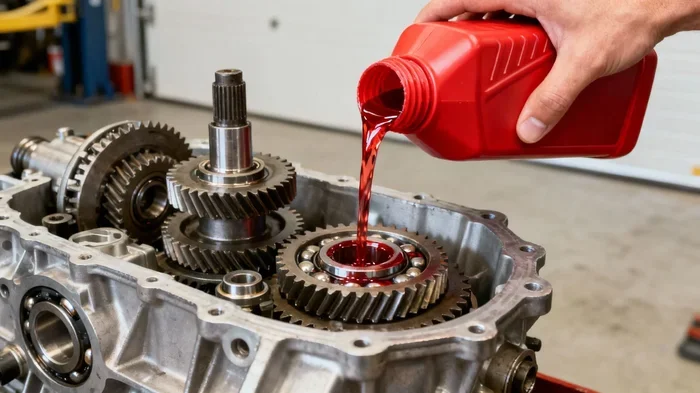
And if you are the DIY type, you can save even more. A do-it-yourself fluid change requires only a few basic tools and the right fluid. Just make sure you dispose of the old fluid properly. Many auto parts stores accept used transmission fluid for recycling.
Some drivers wonder if they can simply add transmission fluid instead of changing it. Topping off is fine for low levels, but it does not replace the contaminated fluid that has broken down over time. For a complete fluid change, you need to drain the old fluid entirely and refill with fresh fluid. If you are not sure which approach you need, read more about adding vs. changing transmission fluid to make the right choice for your situation.
Also, keep in mind that driving with a bad transmission or low fluid can cause irreversible damage. The transmission is one of the most expensive components in your car to repair or replace. Taking care of the fluid is the easiest way to protect that investment.
Common Mistakes People Make With Transmission Fluid
Even well-meaning car owners make mistakes when it comes to transmission fluid. Here are a few to avoid.
- Using the wrong fluid type. This is one of the most common and damaging mistakes. Always use the fluid specified by your vehicle manufacturer.
- Ignoring warning signs. Slipping gears, strange noises, or dark fluid are all red flags. Ignoring them leads to bigger problems.
- Overfilling the fluid. Too much fluid can cause foaming, which reduces lubrication and can lead to overheating.
- Skipping the fluid check entirely. Many people never check their transmission fluid until something goes wrong. Make it part of your regular routine.
- Believing “lifetime” fluid claims. Even fluids labeled as lifetime need to be checked and eventually replaced. No fluid lasts forever.
Avoiding these mistakes will help you get the most life out of your transmission fluid and your transmission itself.
Conclusion
The lifetime of transmission fluid is not a fixed number. It depends on your vehicle, your driving habits, and the type of fluid you use. But one thing is certain: regular maintenance makes a huge difference. Checking your fluid, watching for warning signs, and changing it on schedule can extend the life of your transmission by many years.
Do not wait until something goes wrong. A simple fluid change costs a fraction of what a transmission repair or replacement costs. Your car works hard for you every day. Taking care of the transmission fluid is one of the easiest ways to return the favor.
Stay on top of your maintenance schedule, use the right fluid, and listen to your car. It will thank you with smooth shifts, better performance, and a longer lifespan on the road.
Frequently Asked Questions
How do I know if my transmission fluid is bad?
Check the color and smell of the fluid. Healthy fluid is red or pink and translucent. If it is dark brown or black and smells burnt, it is time for a change. Also watch for rough shifting or slipping gears, which are signs of degraded fluid.
Can I drive with low transmission fluid?
You can, but you should not. Low fluid causes increased friction, overheating, and can lead to serious transmission damage. If your fluid is low, top it off with the correct type as soon as possible. Driving for extended periods with low fluid risks permanent transmission failure.
Does synthetic transmission fluid last longer than conventional fluid?
Yes, synthetic fluid generally lasts longer. It resists heat breakdown better and maintains its properties over a wider range of temperatures. Many mechanics recommend synthetic fluid for vehicles used in towing, hauling, or extreme driving conditions.
How often should I change my transmission fluid?
Most vehicles need a transmission fluid change every 60,000 to 100,000 miles for automatic transmissions and every 30,000 to 60,000 miles for manual transmissions. Always check your owner’s manual for the manufacturer’s specific recommendation. Your driving habits may also require more frequent changes.
What happens if I never change my transmission fluid?
Over time, the fluid breaks down and loses its lubricating and cooling properties. This leads to increased wear on internal components, overheating, and eventually transmission failure. A neglected transmission can cost several thousand dollars to repair or replace.
Is a transmission fluid flush better than a drain and fill?
A flush replaces all the old fluid, including fluid trapped in hard-to-reach areas like the torque converter. A drain and fill only replaces the fluid in the pan. A flush is more thorough, but a drain and fill is simpler and less expensive. Your mechanic can advise which method is best for your vehicle.