What Vehicle Has Two Catalytic Converters And Why It Matters
Many trucks, SUVs, and high-performance cars come equipped with two catalytic converters to handle exhaust flow more effectively. Vehicles like the Toyota Tundra, Ford F-150, and certain V6 or V8 engines use a dual converter setup to reduce emissions and improve exhaust efficiency. Understanding which vehicles have two catalytic converters helps with maintenance, replacement decisions, and avoiding costly mistakes.
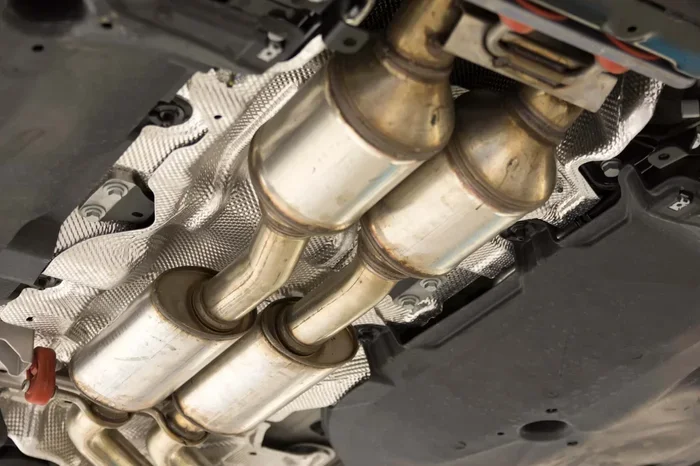
Have you ever looked under your truck or car and noticed two shiny oval-shaped devices hanging from the exhaust system? Those are catalytic converters, and some vehicles have two of them. If you have ever wondered what vehicle has two catalytic converters and why it matters, you are in the right place.
The short answer is that many trucks, SUVs, and performance vehicles use a dual catalytic converter setup. This design helps manage exhaust flow from larger engines and improves overall emission control. But the full story goes deeper than that. Knowing which vehicles have two converters can save you money, help you plan maintenance, and even protect you from theft.
In this article, we will break down everything you need to know. We will cover which specific vehicles use two catalytic converters, why manufacturers choose this setup, and what it means for your wallet. Whether you drive a truck, a hybrid, or a sports car, this guide has you covered.
Key Takeaways
- Trucks and SUVs commonly use two catalytic converters: Models like the Toyota Tundra and Ford F-150 often feature a dual converter system for better exhaust flow.
- V6 and V8 engines are the main culprits: Larger engines produce more exhaust, requiring two converters to handle the volume efficiently.
- Performance vehicles also use dual converters: Sports cars and modified exhaust systems often install a second converter for improved horsepower and emission control.
- Two converters mean better emissions control: Each converter handles a portion of the exhaust, leading to cleaner output and better oxygen sensor readings.
- Replacement costs are higher with two converters: Having two converters means double the potential repair expense if one fails.
- Theft risk increases with dual converters: Vehicles with two catalytic converters, especially trucks like the Tundra, are prime targets for catalytic converter theft.
- Regular maintenance matters more: Dual converter systems need consistent checks to ensure both units are functioning properly.
📑 Table of Contents
- What Is a Catalytic Converter and What Does It Do?
- Which Vehicles Have Two Catalytic Converters?
- Why Do Some Vehicles Use Two Catalytic Converters?
- How to Know if Your Vehicle Has Two Catalytic Converters
- Catalytic Converter Maintenance for Dual-Converter Vehicles
- Protecting Your Dual Catalytic Converters from Theft
- Can You Drive with a Faulty Dual Converter System?
- Frequently Asked Questions
- Final Thoughts
What Is a Catalytic Converter and What Does It Do?
Before we dive into which vehicles have two converters, let us quickly cover what a catalytic converter actually does. Think of it as a filter for your car’s exhaust gases. As hot exhaust flows through the converter, chemical reactions break down harmful pollutants into less dangerous gases.
The converter uses precious metals like platinum, palladium, and rhodium to trigger these reactions. Carbon monoxide, nitrogen oxides, and unburned hydrocarbons get converted into carbon dioxide, nitrogen, and water vapor. This process is essential for passing emissions tests and keeping the air clean.
Most vehicles have one catalytic converter. But when an engine produces a lot of exhaust, one converter may not be enough. That is where a second converter comes in. The dual setup allows for better exhaust flow and more complete filtration of harmful gases.
Which Vehicles Have Two Catalytic Converters?
Now for the fun part. Let us look at the specific types of vehicles that use two catalytic converters. You might be surprised by how many common models fall into this category.
Trucks with V6 and V8 Engines
Full-size trucks are the most common vehicles with dual catalytic converters. The Toyota Tundra is a prime example. This powerful truck uses a V8 engine that produces a lot of exhaust. One converter simply cannot handle the volume efficiently. So Toyota installs two converters, one for each exhaust bank.
Other trucks with two converters include the Ford F-150 with its V6 or V8 options, the Chevrolet Silverado, and the GMC Sierra. These trucks use a twin exhaust system that routes gases through two separate converters before exiting the tailpipe.
If you own a truck, you should know that Are Tundras Targeted For Catalytic Converter Theft? The answer is yes, absolutely. Trucks with dual converters are especially attractive to thieves because they contain more precious metals. The extra converter means more valuable material to steal and sell.
Performance Cars and Sports Vehicles
High-performance cars also frequently use two catalytic converters. Vehicles with larger engines or upgraded exhaust systems need the extra conversion power. Sports cars like certain BMW models, Mercedes-Benz vehicles, and high-end Mustangs often come with a dual converter setup from the factory.
Aftermarket exhaust upgrades also play a role here. Many car enthusiasts install a performance exhaust system that includes a second catalytic converter. This setup improves exhaust flow and can add horsepower. It also helps the engine breathe better, which leads to improved fuel efficiency in some cases.
Hybrid Vehicles with Dual Exhaust
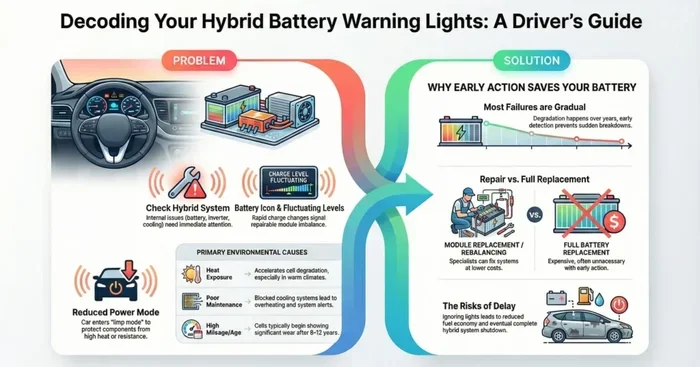
Hybrid vehicles are interesting when it comes to catalytic converters. Some hybrids, like certain Toyota Prius models, have a more complex exhaust setup. Are There Two Batteries In A Prius Hybrid? Yes, and the exhaust system can be just as complex. While the Prius typically has one converter, other hybrid trucks and SUVs may use two.
Hybrid vehicles that also function as trucks or larger SUVs often need dual converters. The combination of a gas engine and electric motor means the exhaust system must handle variable output. Two converters help manage this transition smoothly, especially when the gas engine kicks in at higher speeds.
Why Do Some Vehicles Use Two Catalytic Converters?
The decision to use two converters instead of one comes down to engineering and efficiency. Let us break down the main reasons manufacturers choose this design.
Better Exhaust Flow
Larger engines push more exhaust gases through the system. A single converter can create a bottleneck, causing back pressure. Back pressure is when exhaust gases build up and push against the engine. This reduces performance and fuel efficiency.
Two converters split the exhaust flow in half. Each converter handles a smaller volume of gases. This means less back pressure and better engine breathing. The result is often a smoother ride and improved acceleration.
Improved Emission Control
Two converters mean twice the chemical reaction surface area. More surface area means more pollutants get broken down before exiting the tailpipe. This is especially important for vehicles that must meet strict emission standards.
Dual converters also help oxygen sensors work more accurately. Each converter has its own oxygen sensor that monitors the exhaust. With two sensors providing data, the engine control unit can fine-tune the fuel mixture more precisely. This leads to cleaner combustion and fewer harmful emissions.
Engine Bank Separation
V-shaped engines, like V6 and V8 configurations, have two exhaust banks. Each bank feeds into its own catalytic converter. This is called a “twin exhaust” or “dual exhaust” setup. The separation allows each bank to operate independently, which improves overall engine balance.
Inline engines, like four-cylinder configurations, typically use a single converter because both banks of cylinders feed into one exhaust manifold. But some modified inline engines also use dual converters for performance gains.
How to Know if Your Vehicle Has Two Catalytic Converters
Not sure if your vehicle has one or two converters? There are a few easy ways to check. You do not need to be a mechanic to figure this out.
First, look under your vehicle. Count the number of oval-shaped devices in the exhaust system. If you see two, you have a dual converter setup. They are usually located close to the engine and closer to the rear axle.
Second, check your exhaust pipes. Vehicles with two converters often have two exhaust tips at the rear. While this is not always the case, it is a strong indicator.
Third, consult your owner’s manual. The manual will list the exhaust system components and should mention the number of catalytic converters. You can also check the vehicle identification number (VIN) with a dealership or auto parts store.
Finally, listen to your exhaust. A vehicle with two converters often has a deeper, more resonant sound. If your truck sounds especially beefy when you accelerate, there is a good chance it has a dual converter system.
Catalytic Converter Maintenance for Dual-Converter Vehicles
Having two catalytic converters means more components to maintain. But the good news is that maintenance is straightforward if you stay on top of it.
Regular Inspection
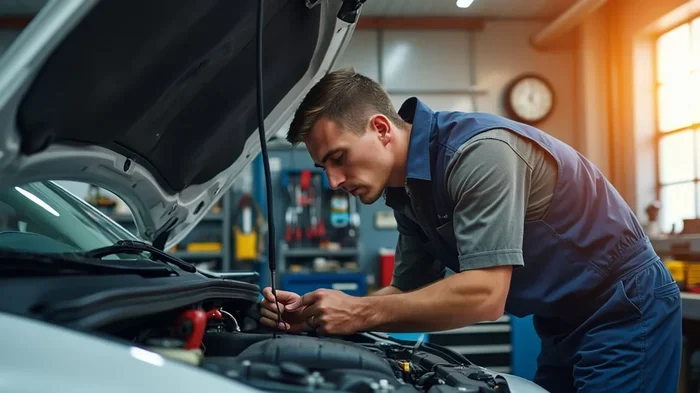
Have a mechanic inspect both converters at least once a year. They will check for cracks, leaks, and signs of wear. A damaged converter can reduce fuel efficiency and increase emissions. Catching problems early saves you from expensive repairs down the road.
Watch for Warning Signs
Your vehicle will tell you when something is wrong with the converters. Pay attention to these warning signs:
- Check Engine Light: A flashing or steady check engine light often indicates a converter problem.
- Reduced Fuel Economy: If you are filling up more often, a clogged converter might be the cause.
- Rattling Noise: A rattling sound from underneath the vehicle can signal a broken converter substrate.
- Rotten Egg Smell: A sulfur smell from the exhaust means the converter is not processing gases properly.
- Poor Acceleration: Sluggish performance, especially at high speeds, can indicate exhaust restriction.
Replacement Considerations
Replacing one catalytic converter is expensive enough. Replacing two can really hurt your wallet. The average cost for a single converter replacement ranges from $800 to $2,500 depending on the vehicle. With two converters, you could be looking at $1,600 to $5,000 or more.
Before you panic, know that you have options. You can replace just the failed converter if the other one is still in good shape. You can also explore aftermarket catalytic converters that cost less than OEM parts. Just make sure any replacement meets your state’s emission standards.
Also, keep in mind that Can You Drive Without A Catalytic Converter? Technically yes, but it is not legal in most states and will fail emissions testing. Driving without a converter also means harmful pollutants enter the atmosphere unchecked.
Protecting Your Dual Catalytic Converters from Theft
Theft of catalytic converters has become a serious problem in recent years. Vehicles with two converters are especially vulnerable because they contain more valuable material. Thieves can crawl under a truck and cut out both converters in minutes.
If you drive a truck like the Toyota Tundra, you should take extra precautions. Are Tundras Targeted For Catalytic Converter Theft? Unfortunately, yes. Their high ground clearance makes them easy targets, and the dual converters contain more precious metals.
Here are some steps to protect your converters:
- Install an anti-theft device: Cat clamp devices lock the converter to the frame.
- Park in well-lit areas: Thieves prefer dark, secluded spots.
- Use a garage: Parking indoors is the best deterrent.
- Engrave your VIN on the converter: This makes it harder to sell stolen parts.
- Consider insurance coverage: Some policies cover catalytic converter theft.
Taking these steps can save you from the headache and expense of replacing stolen converters. Prevention is always cheaper than repair.
Can You Drive with a Faulty Dual Converter System?
You might be wondering if it is safe to drive when one of your two converters is failing. The short answer is: it depends on the severity of the problem.
If one converter is partially clogged, you might notice a slight loss of power but can still drive short distances. However, if both converters are failing, the engine may struggle to run properly. Exhaust back pressure can build up and cause serious engine damage over time.
So, Can I Drive My Toyota With A Catalytic Converter that is partially damaged? You can, but you should get it fixed as soon as possible. Ignoring the problem will only make it worse and more expensive to repair.
Also, driving with a failed converter means your vehicle will likely fail an emissions test. In states with strict inspection requirements, this can prevent you from registering your vehicle. It is always better to address converter issues promptly.
Frequently Asked Questions
How do I know if my vehicle has two catalytic converters?
You can check by looking under your vehicle for two oval-shaped devices in the exhaust system. Counting the exhaust tips at the rear is another clue. Your owner’s manual or a quick VIN lookup at a dealership will also confirm the number.
Why do trucks have two catalytic converters?
Trucks typically use V6 or V8 engines that produce a large volume of exhaust. Two converters split the flow, reduce back pressure, and improve emission control. Each converter handles one exhaust bank, allowing the engine to breathe more efficiently.
Can I replace just one catalytic converter if the other is fine?
Yes, you can replace just the failed converter. However, mechanics often recommend replacing both at the same time if they are the same age. This ensures balanced performance and prevents the new converter from being damaged by the old one.
Are dual catalytic converters more expensive to replace?
Yes, replacing two converters costs roughly double a single replacement. The total cost can range from $1,600 to $5,000 or more depending on the vehicle, parts quality, and labor rates in your area.
Do hybrid vehicles have two catalytic converters?
Some hybrid vehicles do, especially hybrid trucks and SUVs with larger engines. However, many hybrids like the Toyota Prius use a single converter. The number depends on the engine size and exhaust system design.
What should I do if my catalytic converters are stolen?
First, contact the police and file a report. Then take your vehicle to a mechanic for an assessment. Replacement costs can be high, so check if your insurance covers theft. Installing anti-theft devices can prevent future incidents.
Final Thoughts
Understanding what vehicle has two catalytic converters is more important than most people realize. From trucks like the Toyota Tundra to performance cars and larger hybrid SUVs, dual converter systems are common in vehicles with bigger engines. They improve exhaust flow, enhance emission control, and help your engine run at its best.
But with two converters comes added responsibility. Maintenance costs are higher, theft risk increases, and repairs can be pricey. Staying informed and taking preventive steps can protect your investment and keep your vehicle running smoothly for years to come.
Whether you are a truck owner, a hybrid driver, or a car enthusiast, knowing your vehicle’s exhaust system gives you an edge. You will make smarter decisions about repairs, upgrades, and protection. So the next time you look under your car, take a moment to appreciate those two hardworking catalytic converters keeping your ride clean and efficient.