What Happens If You Overfill Oil Dont Ignore These Signs
Overfilling oil can cause serious engine damage, including blown seals, increased pressure, and even engine failure. Recognizing the early signs of overfilled oil can save you hundreds in repairs. This guide covers every symptom, risk, and fix you need to know.
You just finished adding oil to your car. You grab the rag, wipe the dipstick, and reinsert it. When you pull it out again, the level is above the max line. Your stomach drops a little. What happens if you overfill oil? Is it really that bad? The short answer is yes. Overfilling your engine with oil can lead to a range of problems, from minor leaks to catastrophic engine failure. In this guide, we break down every sign, symptom, and consequence of overfilled oil. We also show you exactly how to fix it and prevent it from happening again.
Many car owners don’t realize that too much engine oil is just as dangerous as too little. Oil needs room to move, expand, and circulate properly inside the engine. When you exceed the recommended level, things start going wrong fast. The good news is that catching the problem early makes everything easier to fix. Let’s dive into what actually happens when you overfill your engine.
Key Takeaways
- Overfilling oil creates excess pressure that can damage engine seals and gaskets.
- Blue smoke from the exhaust is one of the most visible signs of too much oil.
- Foaming oil loses its lubricating ability, which increases engine wear.
- Draining excess oil is a simple fix that most people can do at home.
- Ignoring overfill symptoms leads to expensive repairs like catalytic converter failure.
- Always check the dipstick after adding oil to ensure the level is correct.
- Regular oil changes and proper maintenance prevent overfill accidents.
📑 Table of Contents
- What Happens When You Overfill Oil
- Signs Your Oil Is Overfilled
- How to Fix Overfilled Oil
- Can Overfilled Oil Cause Permanent Damage?
- How to Prevent Overfilling Oil
- Common Mistakes People Make With Oil Changes
- When to See a Mechanic
- How Oil Level Affects Overall Engine Health
- Quick Tips for Checking and Maintaining Oil Level
- Final Thoughts
What Happens When You Overfill Oil
Adding extra oil might seem harmless, but your engine works on tight tolerances. Every component is designed to operate with a specific oil level. When that level rises too high, the entire system gets thrown off balance. Here is exactly what goes wrong inside your engine when overfill oil becomes a problem.
Increased Crankcase Pressure
The crankshaft sits at the bottom of the engine and spins inside the oil pan. When there is too much oil, the crankshaft starts churning through it like a blender. This creates foam and increases pressure inside the crankcase. That extra pressure pushes past seals and gaskets that are not designed to handle it. Over time, this leads to oil leaks around the engine.
You might notice oil seeping from the valve cover gasket or the oil pan seal. These leaks start small but get worse fast. If you ignore them, you could end up with a much bigger repair bill. Excess oil in engine also pushes oil into places it does not belong, like the combustion chamber.
Oil Foaming and Loss of Lubrication
When the crankshaft whips through too much oil, it traps air bubbles. This creates a frothy, foamy mixture that looks like a latte. Foam cannot lubricate engine parts the way liquid oil does. Metal-on-metal contact increases, and components wear out faster than they should.
Think of it like trying to exercise with a thick foam instead of water. You would not get the hydration you need. Your engine faces the same problem. Oil foam reduces the protective film between moving parts. This leads to increased friction, heat, and eventually premature wear on bearings, camshafts, and pistons.
Damaged Catalytic Converter
When excess oil enters the combustion chamber, it burns along with fuel. This creates blue or gray smoke from your exhaust. The oil burns into harmful residues that travel into the catalytic converter. Over time, these residues clog the converter and reduce its ability to clean exhaust gases.
A clogged catalytic converter is an expensive repair. It can cost anywhere from $500 to $2,000 depending on your vehicle. This is one of the most serious consequences of engine damage from too much oil. If you see blue smoke, do not wait. Address the oil level immediately.
Engine Misfires and Poor Performance
Oil in the wrong places can foul spark plugs and disrupt combustion. You might notice your engine running rough or stumbling during acceleration. Some drivers experience engine misfire symptoms that feel like a jerking sensation at idle or under load.
Your engine might also feel sluggish or lose power. These signs often get blamed on other issues, but overfilled oil is a common hidden cause. Before you replace spark plugs or spend money on diagnostics, check your oil level first. It is a simple step that saves time and money.
Signs Your Oil Is Overfilled
Catching overfill oil early is the key to avoiding major damage. Most of these overfill oil symptoms are easy to spot if you know what to look for. Here are the warning signs that your engine has too much oil.
Blue or Gray Exhaust Smoke
This is the most obvious sign. When oil enters the combustion chamber, it burns and produces blue or gray smoke. You will see this especially during acceleration or when the engine is under load. If your exhaust emits blue smoke and the oil level is high, overfilling is likely the culprit.
Oil Leaks Around the Engine
Increased crankcase pressure forces oil past seals and gaskets. You might notice fresh oil spots under your car or oil residue around the engine bay. Check areas like the valve cover, oil pan, and front and rear seals. These leaks often start small but worsen as pressure builds.
Oil Pressure Warning Light
Some vehicles have an oil pressure warning light on the dashboard. When crankcase pressure spikes from excess oil, it can trigger this light. Do not ignore it. Pull over safely and check your oil level. Continuing to drive with oil pressure problems can cause severe engine damage.
Unusual Engine Noises
Foamy, aerated oil does not lubricate as effectively. You might hear knocking or ticking sounds from the engine. These noises indicate that metal parts are making contact without proper oil protection. If you hear unusual sounds and your oil level is above normal, overfilled oil is a strong possibility.
Burning Oil Smell
A sharp, burning smell inside or outside the car often signals that oil is dripping onto hot engine components. This can happen when excess oil leaks past seals and contacts the exhaust manifold. The smell is distinct and should never be ignored. If you notice it, check your oil level right away.
How to Fix Overfilled Oil
Finding out you overfilled your engine can feel stressful, but the fix is usually straightforward. The sooner you address it, the less damage occurs. Here is what you need to do step by step.
Step 1: Verify the Oil Level
First, confirm that the oil is actually overfilled. Park your car on a level surface and wait a few minutes for the oil to settle. Pull the dipstick, wipe it clean, reinsert it, and check the reading. The level should fall between the minimum and maximum marks. If it is above the max line, you have confirmed the problem.
Step 2: Drain the Excess Oil
Draining excess oil is simpler than most people think. You will need a socket wrench, an oil drain pan, and the correct size socket for your drain plug. Place the pan underneath the drain plug, loosen it slowly, and let a small amount of oil flow out. Check the dipstick frequently until the level is correct.
Alternatively, you can use a suction pump to remove oil from the dipstick tube. This method works well if you only need to remove a small amount. Many auto parts stores rent these pumps out for free. Either method gets the job done without visiting a mechanic.
Step 3: Reset the Oil Change Reminder
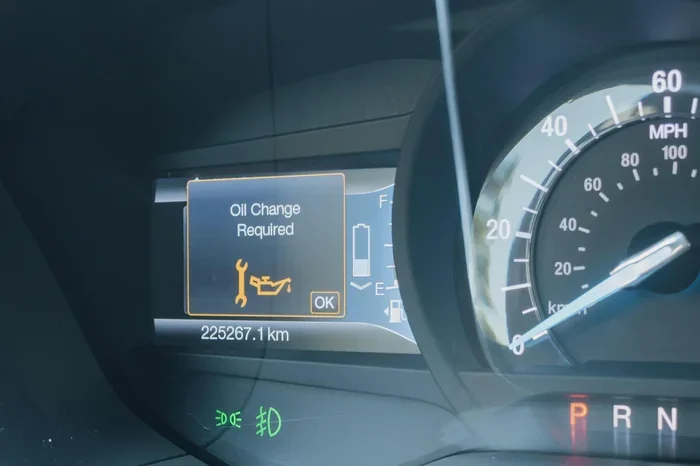
After you fix the oil level, you should do you reset the oil change light if your vehicle has one. This keeps your maintenance schedule accurate and helps you track when the next oil change is due. Reset procedures vary by vehicle, so consult your owner manual or search for your specific model online.
If you ever wonder whether the light resets automatically, you can also read about do you reset the oil change light for detailed guidance on different vehicle models. Keeping your maintenance records up to date also helps when you visit a service center.
Step 4: Monitor Your Engine
After draining the excess oil, drive the car for a few days and watch for any remaining symptoms. Check the exhaust for blue smoke, listen for unusual noises, and look for new leaks. If everything looks normal, you have successfully fixed the problem. If symptoms persist, visit a mechanic to inspect for any damage that may have already occurred.
Can Overfilled Oil Cause Permanent Damage?
The short answer is yes, if left unchecked. A small overfill might not cause immediate problems, but running the engine with too much oil for an extended period creates serious risks. Here is what can happen over time.
Engine damage from too much oil can affect multiple components at once. The crankshaft bearings wear out faster, the catalytic converter clogs, and seals deteriorate. In extreme cases, the increased pressure can actually warp engine components or crack the engine block. These repairs are costly and sometimes make the vehicle uneconomical to fix.
However, the good news is that most people catch the problem before permanent damage occurs. If you fix the oil level within a few hundred miles, the risk of lasting harm is very low. The key is not to ignore the warning signs. Acting quickly protects your engine and your wallet.
How to Prevent Overfilling Oil
Prevention is always easier and cheaper than repair. A few simple habits can keep your oil level exactly where it should be every time.
- Add oil in small amounts. Do not pour a full quart all at once. Add a little, wait a minute, then check the dipstick.
- Use the correct oil type. Check your owner manual for the recommended viscosity and specifications. Using the right oil ensures proper lubrication and expansion rates.
- Check the dipstick twice. After each addition, wait a moment for the oil to settle, then recheck. This prevents guessing and overfilling.
- Keep track of how much you add. Note the amount each time you top off. This helps you spot patterns and avoid repeating mistakes.
- Get professional oil changes when possible. If you are unsure, let a trained technician handle the oil change. Many service centers, including do dealerships give free oil changes on certain models, offer affordable or complimentary services.
Taking these precautions might feel like extra effort, but they save you from the stress and expense of fixing overfill damage. A few minutes of attention during an oil change can protect your engine for thousands of miles.
Common Mistakes People Make With Oil Changes
Even experienced car owners make mistakes during oil changes. Knowing what to avoid helps you stay on track and keep your engine healthy.
Guessing the Oil Level
Never guess how much oil your engine needs. Always use the dipstick and follow the markings. “Eyalling” it from under the hood is not accurate and often leads to overfilling.
Using the Wrong Container Size
Oil bottles come in different sizes, and it is easy to pour too much if you are not paying attention. Pour slowly and stop frequently to check the level. Patience is your best friend during an oil change.
Forgetting to Check After the Engine Warms Up
Oil expands when it is hot. Some vehicles show a different level on the dipstick when the engine is warm compared to cold. Always check oil on a level surface and at the recommended temperature for your vehicle. Check your owner manual for specific guidance.
Ignoring the Oil Filter
A clogged or low-quality are Toyota oil filters good or any brand you use can affect oil flow and pressure. Always replace the oil filter during every oil change. A clean filter helps the system operate at the right pressure and keeps oil circulating properly.
When to See a Mechanic
Some overfill situations require professional help. If you have drained the excess oil but still notice blue smoke, oil leaks, or poor engine performance, it is time to see a mechanic. These symptoms could indicate that oil has already entered the combustion chambers or damaged internal components.
Also, if you are uncomfortable draining oil yourself, a mechanic can do it quickly and safely. Many local shops and dealerships offer affordable oil services. If you own a Toyota, you might wonder whether can you use Toyota Care at any dealership. The answer is yes, Toyota Care provides complimentary maintenance at authorized Toyota dealerships, which can include oil changes and level checks.
Do not wait until a small overfill turns into a major repair. A quick inspection can identify problems before they escalate. Trust your instincts. If something feels off with your engine, get it checked.
How Oil Level Affects Overall Engine Health
Your engine is a precision machine where every component relies on proper lubrication. Oil acts as a cushion, reducing friction between metal parts that move at high speeds. When the oil level is correct, the system works in harmony. When it is too high or too low, that balance breaks down.
Proper oil levels ensure consistent oil pressure throughout the engine. This means every bearing, cam, and piston receives the protection it needs. Engine performance depends on this consistent flow. Even a slight overfill disrupts the delicate balance between oil supply, pressure, and heat dissipation.
Over time, these disruptions compound. Small issues become big problems. A seal that starts leaking might seem minor, but the oil loss from that leak can lead to low oil levels on the other side of the problem. This is why maintaining the correct oil level is so important. It keeps the entire system stable and reliable.
Quick Tips for Checking and Maintaining Oil Level
- Check your oil at least once a month.
- Always check oil on a level surface with the engine cool.
- Keep a record of oil additions and changes.
- Use a quality funnel to avoid spills when adding oil.
- Never exceed the maximum mark on the dipstick.
- Replace oil and filters at the recommended intervals.
- Store extra oil in a cool, dry place to prevent contamination.
These simple habits take just a few minutes each month but pay off enormously in engine longevity and performance. Think of them as insurance against costly repairs down the road.
Final Thoughts
Overfilling oil is a problem that demands attention. The signs are there, and catching them early makes all the difference. From blue exhaust smoke to oil leaks and engine misfires, your vehicle gives you clear warnings when the oil level is too high. Do not ignore these signals. A simple fix today can prevent a major repair tomorrow.
Always check your dipstick after adding oil, and when in doubt, drain a small amount and recheck. Your engine works hard for you every day. Give it the care it deserves by keeping the oil level exactly where it should be. A few minutes of attention now saves you from headaches, expensive bills, and unexpected breakdowns later. Stay proactive, stay informed, and keep your engine running strong for years to come.
Frequently Asked Questions
Can overfilled oil cause the check engine light to come on?
Yes, excess oil can create crankcase pressure that triggers sensors and causes the check engine light to illuminate. If you recently overfilled your oil and the light comes on, check the oil level first before assuming a more serious problem.
How much oil overfill is dangerous?
Even a small overfill of half a quart can cause problems over time. However, being one quart or more above the maximum mark significantly increases the risk of oil foam, seal damage, and catalytic converter issues. Always aim for the level between the minimum and maximum dipstick marks.
Will the engine burn off excess oil on its own?
No, the engine does not burn off excess oil safely. Instead, the excess oil gets churned by the crankshaft, creating foam and pressure that can damage seals, gaskets, and internal components. You must manually drain the excess oil to fix the problem.
Can I drive my car if I overfilled the oil?
You can drive a short distance if the overfill is minor, but it is not recommended. Extended driving with overfilled oil increases the risk of oil leaks, misfires, and catalytic converter damage. Drain the excess oil as soon as possible and avoid long trips until the level is correct.
What is the easiest way to remove excess oil?
The easiest method is using a suction pump through the dipstick tube. You can also remove the drain plug and let a small amount of oil out. Both methods are simple and require only basic tools. If you are unsure, a local mechanic can do it quickly for a small fee.
Does overfilled oil affect fuel economy?
Yes, overfilled oil can reduce fuel economy. Foam and pressure in the crankcase create drag on the crankshaft, which forces the engine to work harder. This extra effort consumes more fuel and can also lead to increased emissions from burning excess oil.
=== CONCLUSION ===
What happens if you overfill oil is a question every car owner should know the answer to. From increased crankcase pressure and oil foaming to blue exhaust smoke and catalytic converter damage, the consequences of too much engine oil are serious and expensive. But the good news is that prevention and early detection make the problem entirely manageable. Check your dipstick regularly, add oil in small amounts, and act quickly if you notice any warning signs. Your engine will reward you with years of reliable performance when you treat it right. Stay vigilant, stay informed, and keep your oil level exactly where it belongs.