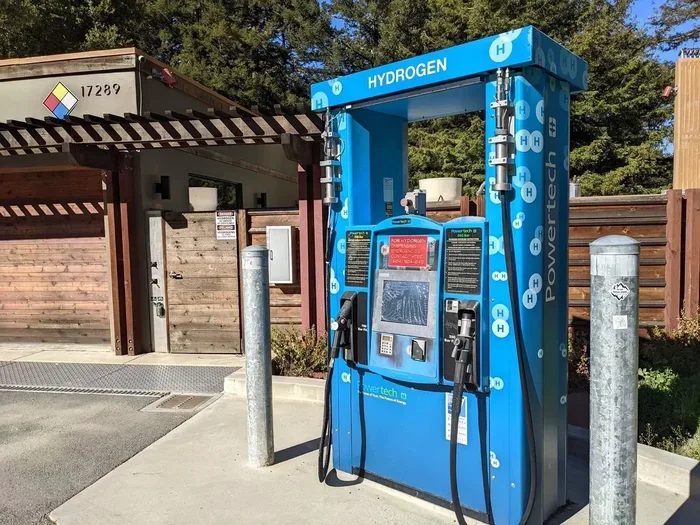
Why Is Hydrogen Fuel So Expensive And How To Fix It
Hydrogen fuel remains expensive due to high production costs, limited infrastructure, and technical challenges in storage and distribution. Understanding the hydrogen fuel cost breakdown reveals that electrolysis, compression, and transportation all add significant expenses. The good news is that innovations in green hydrogen, scaled production, and government incentives are actively working to fix these issues and make hydrogen energy more affordable for everyday drivers.
Key Takeaways
- Production methods drive most of the cost: Grey hydrogen from natural gas is cheaper but dirty, while green hydrogen from renewable energy is clean but expensive.
- Infrastructure gaps inflate prices: With limited hydrogen refueling stations, distribution costs get passed directly to consumers.
- Government incentives are helping: Tax credits and subsidies are lowering the barrier for both producers and buyers of hydrogen fuel cell vehicles.
- Electrolysis technology is improving fast: Newer electrolyzers are cutting green hydrogen production costs significantly.
- Scalability is the key to affordability: As demand grows and production scales up, hydrogen fuel prices will continue to drop.
- Alternative fuels like flex-fuel offer interim options: If you are exploring fuel options now, flex-fuel vehicles can use regular gas as a bridge solution.
- The future looks promising: Experts predict hydrogen costs could halve within the next decade with the right investments.
📑 Table of Contents
- Why Is Hydrogen Fuel So Expensive? A Complete Breakdown
- How Hydrogen Is Produced — And Why It Matters
- The Infrastructure Problem: Why Distribution Costs So Much
- How Technology Is Working to Lower Hydrogen Costs
- Government Incentives and Policy Solutions
- How To Fix the Hydrogen Fuel Cost Problem
- The Future of Hydrogen Fuel Pricing
- Conclusion
Why Is Hydrogen Fuel So Expensive? A Complete Breakdown
Hydrogen fuel has long been pitched as the clean energy source of the future. It powers vehicles with nothing but water vapor coming out of the tailpipe. Yet despite all the excitement, hydrogen fuel remains surprisingly expensive for most consumers. If you have ever wondered why filling up a hydrogen fuel cell vehicle costs so much more than a regular trip to the gas pump, you are not alone.
The truth is that multiple factors stack up to make hydrogen fuel pricing one of the biggest barriers to widespread adoption. From how hydrogen is made to how it gets to the pump, every step in the process adds cost. But here is the good news: solutions are already underway. This guide breaks down exactly why hydrogen fuel is so expensive and what can be done to fix it.
Whether you are a curious car owner, an eco-conscious driver, or someone simply exploring alternative fuel options, this article covers everything you need to know. We will walk through the science, the economics, and the real-world steps being taken to bring hydrogen energy within reach.
What Makes Up the Cost of Hydrogen Fuel?
To understand the price tag, you need to see what goes into making and delivering hydrogen. The hydrogen cost breakdown is not simple. It involves several stages, each with its own expenses.
Here are the main components that contribute to the final price you pay at the pump:
- Production: Extracting or creating hydrogen is the single largest cost driver. Most hydrogen today comes from natural gas through a process called steam methane reforming. This method is cheap but produces carbon emissions.
- Compression and Storage: Hydrogen gas must be compressed to very high pressures for storage and transport. This requires expensive equipment and consumes significant energy.
- Transportation and Distribution: Moving hydrogen from production sites to refueling stations is logistically complex. Specialized tankers and pipelines are needed, and the network is still very limited.
- Refueling Infrastructure: Building and maintaining hydrogen refueling stations is costly. With so few stations in operation, the fixed costs are spread across a small number of users.
- Vehicle Technology: Hydrogen fuel cell vehicles themselves are more expensive to manufacture than conventional cars, which also affects the overall economics of hydrogen adoption.
When you add all of these layers together, it becomes clear why a kilogram of hydrogen can cost several times more than a gallon of gasoline. But the story does not end there.
How Hydrogen Is Produced — And Why It Matters
The way hydrogen is made has a direct impact on its price. There are different hydrogen production methods, and they vary widely in cost and environmental impact. Understanding these methods is essential to grasping why hydrogen fuel cost remains high.
Grey Hydrogen: Cheap but Dirty
Grey hydrogen is the most common type produced today. It is made by splitting natural gas (methane) using high heat in a process called steam methane reforming. This method currently costs around $1 to $2 per kilogram of hydrogen. However, it releases significant amounts of carbon dioxide into the atmosphere.
While grey hydrogen keeps prices low, it defeats the purpose of using hydrogen as a clean fuel. If the goal is to reduce emissions, grey hydrogen is not a long-term solution.
Blue Hydrogen: A Middle Ground
Blue hydrogen is made the same way as grey hydrogen, but with carbon capture and storage technology. This captures the CO2 emissions and stores them underground. Blue hydrogen costs more than grey, typically around $2 to $3 per kilogram. It is cleaner, but the capture technology is not yet perfect or widely available.
Green Hydrogen: Clean but Expensive
Green hydrogen is the gold standard. It is produced by splitting water into hydrogen and oxygen using electricity from renewable sources like solar or wind. This process, called electrolysis, produces zero emissions.
The problem? Green hydrogen currently costs $4 to $6 per kilogram, sometimes even more. The electrolysis process requires a lot of electricity, and renewable energy itself is not yet cheap enough to make green hydrogen affordable at scale.
| Hydrogen Type | Production Method | Approximate Cost per kg | Environmental Impact |
|---|---|---|---|
| Grey Hydrogen | Steam methane reforming | $1 – $2 | High CO2 emissions |
| Blue Hydrogen | Steam methane reforming + carbon capture | $2 – $3 | Moderate emissions |
| Green Hydrogen | Electrolysis using renewable energy | $4 – $6+ | Zero emissions |
As you can see, the cleanest option is also the most expensive. This gap between cost and environmental benefit is at the heart of the hydrogen fuel pricing challenge.
The Infrastructure Problem: Why Distribution Costs So Much
Even if hydrogen were cheap to produce, getting it to the consumer is a massive challenge. The hydrogen infrastructure is still in its early stages, and that drives up costs in several ways.
Limited Refueling Stations
There are only about 60 hydrogen refueling stations in the United States, with most located in California. Compare that to tens of thousands of traditional gas stations across the country. When infrastructure is this sparse, every station has to serve a small number of users. The fixed costs of building and operating a hydrogen station — including compressors, storage tanks, and safety systems — get divided among very few customers.
For comparison, if you are looking at alternative fuel options, a flex-fuel car can use regular gasoline and still give you flexibility. You can learn more about whether a flex-fuel car can use regular gas in our guide on Can A Flex Fuel Car Use Regular Gas.
Transportation Challenges
Hydrogen is not easy to move around. It is the lightest element in the universe, which means it takes up a lot of space for very little energy. It must be either compressed to extremely high pressures or cooled to liquid form. Both methods require specialized equipment and energy input.
Currently, most hydrogen is transported by truck in pressurized tubes. This is expensive and inefficient compared to simply pumping gasoline through a pipeline. Building a dedicated hydrogen pipeline network would cost billions of dollars and take years to complete.
Storage and Safety Costs
Storing hydrogen safely is another major expense. Hydrogen is highly flammable and requires specialized tanks and monitoring systems. The tanks used in hydrogen fuel cell vehicles are made from advanced materials like carbon fiber, which adds to the overall cost of the vehicle and the fuel delivery system.
Every step from production to your vehicle adds layers of cost that simply do not exist for conventional fuels. This is why many experts say that fixing the infrastructure is the single most important step in lowering hydrogen fuel prices.
How Technology Is Working to Lower Hydrogen Costs
The good news is that the hydrogen industry is not sitting still. Significant investments in research and development are driving down costs across the board. Here are the most promising areas where technology is making a difference.
Advanced Electrolyzers
Electrolyzers are the machines that split water into hydrogen and oxygen. Newer designs, including solid oxide electrolyzers and proton exchange membrane (PEM) electrolyzers, are becoming more efficient and less expensive. Researchers have made dramatic improvements in reducing the amount of electricity needed per kilogram of hydrogen produced.
Some companies are now reporting electrolyzer costs that have dropped by over 40% in just the last five years. If this trend continues, green hydrogen could reach cost parity with grey hydrogen within the next decade.
Renewable Energy Synergy
One of the most exciting developments is the direct pairing of renewable energy with hydrogen production. When solar or wind farms produce excess electricity, that energy is often wasted because it cannot be stored easily. Using that surplus electricity to produce green hydrogen solves two problems at once: storing renewable energy and creating clean fuel.
As solar and wind energy continue to get cheaper, the cost of producing green hydrogen will follow. This is perhaps the most powerful lever for reducing hydrogen fuel cost in the long term.
Scaling Up Production
Economies of scale play a huge role in bringing any commodity price down. As demand for hydrogen grows, production facilities can be built larger and more efficiently. The global hydrogen market is projected to grow dramatically over the next 20 years, and this growth will naturally push prices lower.
Countries like Japan, Germany, South Korea, and Australia are making massive investments in hydrogen production facilities. The United States is also ramping up with new federal funding and tax credits designed to boost domestic hydrogen production.
Government Incentives and Policy Solutions
Government action is playing a critical role in making hydrogen more affordable. Several policies and programs are specifically designed to bridge the gap between current high costs and future affordable pricing.
Federal Tax Credits
The United States Inflation Reduction Act includes significant tax credits for clean hydrogen production. The Clean Hydrogen Production Tax Credit can provide up to $3 per kilogram of green hydrogen produced. This dramatically reduces the cost gap between green and grey hydrogen, making clean hydrogen much more competitive.
State-Level Programs
California and several other states offer additional incentives for hydrogen fuel cell vehicle owners. These include rebates for purchasing hydrogen vehicles, grants for building refueling stations, and reduced fuel costs through state-funded programs. These incentives help offset the high upfront costs that currently make hydrogen vehicles and fuel less accessible.
International Cooperation
Countries around the world are collaborating on hydrogen infrastructure and research. The International Energy Agency has outlined a global hydrogen strategy that calls for massive investment in production, storage, and distribution. This coordinated effort is essential for building the scale needed to drive costs down.
How To Fix the Hydrogen Fuel Cost Problem
Now that we have covered why hydrogen fuel is expensive, let us talk about solutions. Fixing the hydrogen fuel pricing problem requires action on multiple fronts. Here is what needs to happen.
1. Invest in Green Hydrogen Production
The single biggest lever for reducing costs is scaling up green hydrogen production. Governments and private companies need to invest heavily in electrolyzer manufacturing and renewable energy integration. The more green hydrogen we produce, the cheaper it becomes.
2. Build Out Refueling Infrastructure
Expanding the network of hydrogen refueling stations is essential. More stations mean more users, which spreads the fixed costs thinner and lowers the price per kilogram. This is a chicken-and-egg problem: consumers will not buy hydrogen vehicles without stations, and companies will not build stations without vehicles. Government incentives can help break this cycle.
If you are curious about how hydrogen infrastructure compares to traditional fueling, consider that the number of hydrogen stations in the US is still very limited. Check out our article on how many hydrogen stations are there in the US for a closer look at current coverage.
3. Improve Vehicle Efficiency
Making hydrogen fuel cell vehicles more efficient means each vehicle needs less hydrogen to travel the same distance. Automakers are actively working on improving fuel cell technology, reducing the amount of platinum used in catalysts, and increasing overall system efficiency. These improvements directly lower the cost of operating a hydrogen vehicle.
4. Develop Better Storage and Transportation Methods
New storage technologies like metal hydride storage and liquid organic hydrogen carriers could make transporting and storing hydrogen much cheaper and safer. These innovations would reduce the infrastructure costs that currently make hydrogen delivery expensive.
5. Create More Demand Through Education
Many consumers simply do not know about hydrogen fuel or understand its benefits. Raising awareness and educating the public about hydrogen energy can help grow demand. More demand leads to more investment, which leads to lower costs. It is a virtuous cycle that starts with informed consumers.
Quick Tips: What You Can Do Right Now
- Stay informed: Follow hydrogen industry news to track cost trends and new developments.
- Consider your local options: If you live near a hydrogen refueling station, a hydrogen vehicle might make sense for your daily commute.
- Explore hybrid approaches: Some drivers use multiple fuel types depending on availability and cost. If you own a vehicle that can run on different fuels, understanding your options helps you save money.
- Look for incentives: Check federal and state programs for rebates and tax credits on hydrogen vehicles and fuel.
- Share what you learn: The more people understand about hydrogen fuel, the faster demand will grow and costs will come down.
The Future of Hydrogen Fuel Pricing
Looking ahead, the outlook for hydrogen fuel is cautiously optimistic. Most industry analysts predict that hydrogen costs will drop significantly over the next 10 to 20 years. The combination of improving technology, government support, and growing demand creates a strong foundation for affordability.
By 2030, many experts expect green hydrogen to cost under $2 per kilogram. By 2040, it could be competitive with gasoline on a per-mile basis. This would make hydrogen fuel cell vehicles a viable option for mainstream consumers, not just early adopters and niche markets.
The transition will not happen overnight. But with sustained investment, smart policy, and public awareness, hydrogen has a real chance of becoming a mainstream fuel source. The key is to keep pushing for progress and supporting the innovations that are bringing us closer to affordable, clean hydrogen energy.
If you are exploring vehicle options and curious about what else affects your costs, understanding your vehicle’s fuel capacity can be helpful. Learn more about how many gallons your car tank holds to better compare fuel costs across different vehicle types.
Conclusion
Why is hydrogen fuel so expensive? The answer comes down to production costs, infrastructure limitations, and the technical challenges of handling a gas that is incredibly light and hard to store. Every step in the hydrogen supply chain adds expense, from electrolysis to compression to delivery at a sparse refueling station.
But the picture is changing fast. Green hydrogen production is getting cheaper, electrolyzer technology is improving, and governments around the world are investing billions in hydrogen infrastructure and incentives. Within the next decade, we can expect hydrogen fuel prices to drop substantially, making clean hydrogen vehicles a realistic choice for everyday drivers.
The journey toward affordable hydrogen is not just about technology. It is about collective action — from policymakers creating the right incentives, to companies scaling production, to consumers showing interest and demand. Every piece of the puzzle matters. And if you want to stay ahead of the curve, understanding hydrogen fuel cost today puts you in a great position for the future of transportation.
Frequently Asked Questions
Why is hydrogen fuel more expensive than gasoline?
Hydrogen fuel costs more because producing it is energy-intensive, the infrastructure for distribution is limited, and the number of refueling stations is very small. These factors combine to create a high per-unit cost compared to gasoline, which benefits from a mature, well-established supply chain.
Will hydrogen fuel ever be affordable for regular drivers?
Yes, most experts believe hydrogen fuel will become affordable within the next 10 to 20 years. As green hydrogen production scales up and technology improves, costs are expected to drop significantly. Government incentives and growing demand will also help drive prices down.
What is the difference between green and grey hydrogen?
Green hydrogen is produced using renewable energy through electrolysis, making it clean but expensive. Grey hydrogen is made from natural gas through steam methane reforming, which is cheaper but produces carbon emissions. The cost difference reflects the environmental trade-off between the two methods.
How far can a hydrogen fuel cell vehicle travel on a full tank?
Most hydrogen fuel cell vehicles can travel between 300 and 400 miles on a full tank, which is comparable to many gasoline-powered cars. The exact range depends on the vehicle model, driving conditions, and tank size.
Are there any incentives for buying a hydrogen vehicle?
Yes, federal tax credits under the Inflation Reduction Act can provide up to $3 per kilogram for clean hydrogen production. Some states also offer vehicle rebates and fuel credits for hydrogen car owners. These incentives help offset the higher upfront and fuel costs.
What role does electrolysis play in hydrogen fuel cost?
Electrolysis is the process of splitting water into hydrogen and oxygen using electricity. It is the primary method for producing green hydrogen, and the cost of the electricity used in electrolysis is the biggest factor in green hydrogen pricing. As renewable electricity gets cheaper, electrolysis-based hydrogen production becomes more affordable.