Why Wont My Parking Brake Button Turn Off Completely
A parking brake button that won’t turn off is frustrating and potentially dangerous. This usually happens due to a stuck cable, faulty switch, or electronic sensor glitch. In this guide, you will learn the top reasons your parking brake won’t release, easy DIY fixes to try first, and warning signs that mean you need a professional. Understanding the root cause saves time, money, and keeps your car safe to drive.
You hop in the car, press the parking brake button, and nothing happens. Or worse, the button stays lit up even after you let go. It is a problem more common than most drivers think. A parking brake that won’t release can turn a simple drive into a stressful situation. Whether you drive a Toyota, a Honda, or any other brand, this issue can strike anyone.
The good news is that you do not need to be a mechanic to understand what is going on. Most of the time, the cause is something simple and fixable at home. Other times, it points to a deeper problem in your brake system that needs professional attention. This guide walks you through every possible reason your parking brake button won’t turn off, gives you practical steps to fix it, and helps you know when it is time to visit a shop.
Let us get into it. By the end of this article, you will have a clear picture of what is wrong and exactly what to do about it.
Key Takeaways
- Stretched or corroded cables are the most common reason a parking brake button stays engaged.
- Electronic parking brake systems use sensors and motors that can fail over time.
- Simple fixes like checking the brake fluid and resetting the system often solve the problem.
- Ignoring a stuck parking brake can damage your rear brakes and reduce fuel efficiency.
- Knowing when to call a mechanic prevents costly repairs down the road.
📑 Table of Contents
- What Does the Parking Brake Button Do?
- Common Reasons Why Your Parking Brake Button Won’t Turn Off
- How to Diagnose the Problem Yourself
- DIY Fixes You Can Try at Home
- When to See a Mechanic
- How to Prevent Parking Brake Problems in the Future
- Quick Tips for Common Parking Brake Issues
- Comparison: Traditional vs. Electronic Parking Brake Systems
- Expert Insights on Parking Brake Reliability
- Final Thoughts
What Does the Parking Brake Button Do?
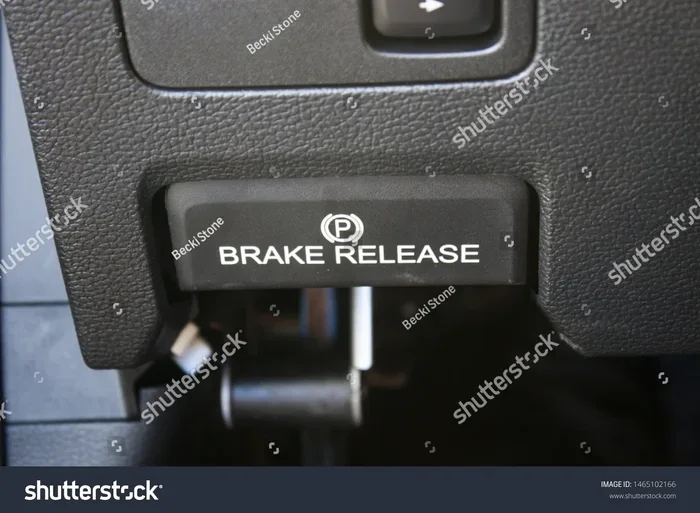
The parking brake button controls a secondary braking system separate from your regular foot brakes. When you press it, it engages the rear brakes either through a cable or an electronic actuator. When you release it, the brakes disengage and your wheels spin freely. This system is essential for keeping your car stationary when parked, especially on hills.
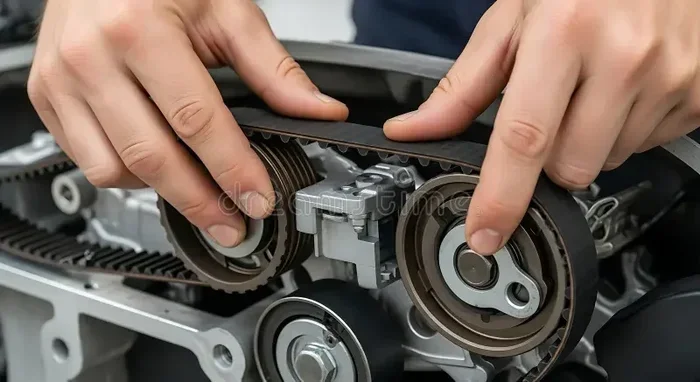
Most modern vehicles use one of two types of parking brake systems. The first is a traditional cable-operated system. This uses a metal cable that runs from the button to the rear brake calipers. The second is an electronic parking brake, which uses a motor and sensors to engage and release the brakes. Both systems can develop problems over time that prevent the button from turning off properly.
How the Button Works in Practice
When you press the parking brake button, it sends a signal. In a cable system, this signal tightens the cable around the rear brakes. In an electronic system, the signal activates a small motor that applies the brakes. When you release the button, the cable should loosen or the motor should retract. If something blocks that process, the button stays on and the brake stays engaged.
Understanding this basic function helps you troubleshoot the problem. If the button will not turn off, something is preventing the release mechanism from working. The cause could be mechanical, electrical, or even something as simple as debris in the button itself.
Common Reasons Why Your Parking Brake Button Won’t Turn Off
Several issues can cause your parking brake to stay engaged. Let us look at each one in detail so you can narrow down the problem.
1. Stretched or Seized Parking Brake Cable
This is the number one reason a parking brake button stays stuck. Over time, the cable that connects the button to the rear brakes stretches out. When it stretches too far, it loses tension and cannot retract fully. The result is a brake that stays partially engaged even when you press the release button.
Rust and corrosion make this worse. If you live in a cold climate or drive near the coast, salt and moisture can eat away at the cable. The cable seizes up inside its housing and cannot move freely. You might hear a grinding or clicking sound when you try to release the brake. In many cases, a simple cable lubrication or replacement solves the problem entirely.
If you have ever dealt with a car won’t start in cold weather but battery is good situation, you know how cold temperatures can wreak havoc on car components. The same cold weather that drains batteries can freeze and stiffen your parking brake cable.
2. Faulty Parking Brake Switch
The parking brake switch is a small sensor that tells your car the brake is engaged or released. It sits near the brake pedal or on the parking brake lever. When this switch goes bad, it sends the wrong signal to the car’s computer. Your dashboard might show a brake warning light, and the button may stay illuminated even when the brake is fully released.
A faulty switch is usually an easy and inexpensive fix. A mechanic can test the switch with a multimeter and replace it if needed. Sometimes the switch just needs repositioning. A loose connection or a worn-out contact point inside the switch can also cause intermittent problems.
3. Electronic Parking Brake Motor Failure
If your car has an electronic parking brake, a small motor does the work of engaging and releasing the brake. This motor can fail due to wear, electrical issues, or a blown fuse. When the motor stops working, the brake stays engaged and the button will not turn off.
Electronic parking brake systems are more common in newer vehicles. They offer convenience but add complexity. A failed motor often requires professional diagnosis. You might hear a clicking noise when you press the button, but the brake does not move. This is a clear sign the motor is trying to work but cannot.
4. Low Brake Fluid or Brake System Leak
Your parking brake shares components with your main hydraulic brake system. If your brake fluid is low, the system may not have enough pressure to release the parking brake fully. A leak in the brake line can cause the same problem.
Check your brake fluid reservoir under the hood. The fluid should be between the minimum and maximum marks. If it is low, top it off and see if the parking brake releases. Low brake fluid is a serious issue that should not be ignored. It can affect your regular braking power too. If you notice a puddle of fluid under your car, get it checked immediately.
5. Debris or Dirt in the Button Mechanism
Sometimes the simplest explanation is the right one. Dirt, crumbs, and debris can get inside the parking brake button and prevent it from clicking properly. A sticky or unresponsive button might just need a good cleaning.
Try pressing the button several times firmly. Use compressed air to blow out any loose debris. If the button feels gummy, a small amount of electrical contact cleaner can help. This is one of those common car maintenance mistakes where people overlook the obvious and jump to expensive repairs.
6. Worn Brake Pads or Calipers
Your rear brake pads and calipers play a role in the parking brake system. If the pads are worn down to the metal, or if the caliper is sticking, the parking brake may not release properly. Worn caliper slides can cause the brake pads to drag against the rotor even when the brake is released.
This issue often comes with a grinding noise when you drive. You might also notice your car pulls to one side. If you suspect worn brakes, get them inspected as soon as possible. Driving on worn brakes is dangerous and can lead to complete brake failure.
How to Diagnose the Problem Yourself
Before you take your car to a mechanic, there are a few simple checks you can do at home. These steps help you understand the problem and may even save you a service call.
Step 1: Check the Dashboard Warning Lights
Your dashboard is your best diagnostic tool. If the parking brake warning light stays on, it means the car’s computer detects the brake is still engaged. Note any other warning lights that are on. A check engine light or a brake system light can give you clues about the root cause.
Step 2: Try the Release Procedure
Different cars have different release procedures. Some require you to press the button and pull the lever at the same time. Others need you to press the brake pedal while pressing the button. Check your owner’s manual for the exact steps. Sometimes the problem is simply that you are not using the correct release method.
Step 3: Inspect the Cable and Button
Pop the hood and look at the parking brake cable. Follow it from the button to the rear brakes. Look for any signs of damage, rust, or slack. The cable should move freely when you press and release the button. If it feels stiff or does not move at all, the cable is likely the problem.
Also, inspect the button itself. Press it and feel for any sticking or resistance. A smooth, crisp click is normal. A mushy or gritty feel suggests debris or a worn-out mechanism.
Step 4: Check the Brake Fluid
Locate the brake fluid reservoir under the hood. It is usually near the back of the engine bay on the driver’s side. Check the fluid level and color. Brake fluid should be clear or light yellow. Dark or brown fluid means it is old and needs to be replaced. Low fluid levels can cause parking brake release problems.
DIY Fixes You Can Try at Home
Once you have a good idea of what is causing the problem, you can try some fixes yourself. Always make sure your car is parked on a flat, level surface before working on the brakes.
Fix 1: Lubricate the Parking Brake Cable
If the cable is stiff or sticking, lubrication can work wonders. Use a cable-specific lubricant or a silicone-based spray. Spray the lubricant into the cable housing where it enters the frame. Work the brake button several times to distribute the lubricant. This can free up a seized cable and restore normal operation.
Quick Tip: Do not use WD-40 as a long-term lubricant. It attracts dirt and can make the problem worse over time. Use a proper cable lubricant or white lithium grease.
Fix 2: Reset the Electronic Parking Brake
For cars with electronic parking brakes, a reset procedure often fixes the issue. Turn the ignition on without starting the engine. Press and hold the parking brake button for about 10 seconds. Release it and wait 30 seconds. Repeat the process two or three times. This can clear sensor errors and reset the system.
If your car has a specific reset procedure in the owner’s manual, follow that instead. Some manufacturers recommend a different sequence. Always consult your manual before attempting any electronic reset.
Fix 3: Clean the Button Mechanism
Remove the button cover if possible. Use a cotton swab dipped in rubbing alcohol to clean around the button and contacts. Blow out any loose debris with compressed air. Let it dry completely before reassembling. This simple cleaning can fix a sticky button that is not making proper contact.
Fix 4: Top Off Brake Fluid
If your brake fluid is low, topping it off might solve the parking brake issue. Use the brake fluid type specified in your owner’s manual. Open the reservoir, add fluid to the maximum line, and then try releasing the parking brake. If the fluid was low due to a leak, this is only a temporary fix. You need to find and repair the leak.
When to See a Mechanic
Some parking brake problems are beyond DIY fixes. Knowing when to seek professional help saves you from making the problem worse.
You should see a mechanic if the parking brake button will not turn off after trying all the DIY steps. If you notice a burning smell while driving, this means the brake is dragging and overheating. This is a serious safety hazard. Pull over safely and get your car towed to a repair shop.
Also, see a mechanic if you hear grinding or metal-on-metal sounds when driving. This indicates worn brake pads that may have damaged the rotors. A mechanic can inspect the entire brake system and recommend the right repairs.
Electronic parking brake issues often require specialized diagnostic tools. A professional mechanic can read the error codes from your car’s computer and pinpoint the exact problem. Attempting to repair an electronic parking brake motor without the right tools can cause more damage.
Cost Considerations
The cost of fixing a stuck parking brake varies widely. A simple cable replacement might cost $100 to $200. A switch replacement is usually $50 to $150. Electronic motor repairs can run $300 to $600 depending on the vehicle. Brake caliper or pad replacements can add another $150 to $400 per axle.
Getting a diagnosis first is always smart. Many shops offer a free or low-cost inspection. This helps you understand the real problem before committing to expensive repairs.
How to Prevent Parking Brake Problems in the Future
Prevention is always better than repair. A few simple habits can keep your parking brake working smoothly for years.
- Use the parking brake every time you park, even on flat ground. This keeps the cable in good condition and prevents it from seizing.
- Get your parking brake inspected during regular oil changes or brake service. A mechanic can spot early signs of cable wear or cable stretch.
- Lubricate the cable every 12 to 18 months. This prevents rust and keeps the cable moving freely.
- Check your brake fluid regularly. Top it off as needed and replace it according to your owner’s manual schedule.
- Do not leave the parking brake engaged for extended periods in hot weather. Heat can cause the cables to stretch and the brake components to degrade faster.
- Address warning signs early. If the parking brake feels different or the button does not click normally, get it checked before it becomes a bigger problem.
Think of your parking brake like your car’s key battery. You do not think about it until it fails. Regular attention keeps everything working when you need it most.
Quick Tips for Common Parking Brake Issues
- Button stays lit but brake releases: The switch is likely faulty. Replace the switch or adjust its position.
- Brake will not release at all: The cable is probably seized. Lubricate or replace the cable.
- Brake releases but warning light stays on: The sensor or switch needs recalibration or replacement.
- Clicking sound but no brake movement: The electronic motor may have failed. Have it diagnosed professionally.
- Brake works intermittently: Check for loose wiring or a corroded connector near the rear brakes.
Comparison: Traditional vs. Electronic Parking Brake Systems
| Feature | Traditional Cable System | Electronic Parking Brake |
|---|---|---|
| How it engages | Cable pulls rear brake calipers | Motor applies brake pads electronically |
| Release method | Press button or pull lever | Press button or automatic release |
| Common problems | Cable stretch, corrosion, seizing | Motor failure, sensor errors, wiring issues |
| DIY fixability | High | Low to moderate |
| Repair cost | Low to moderate | Moderate to high |
| Lifespan | 5 to 10 years with maintenance | 8 to 15 years |
Both systems have their strengths. Traditional cable systems are simpler and easier to fix yourself. Electronic systems offer convenience and modern features like auto-release when you start driving. Knowing which system your car has helps you understand the specific problems you might face.
Expert Insights on Parking Brake Reliability
Experienced mechanics agree that the parking brake is one of the most neglected systems in a car. Most drivers only think about it when something goes wrong. Regular maintenance makes a huge difference. A well-maintained parking brake cable can last the lifetime of the vehicle. A neglected one can seize in just a few years.
One mechanic shared that the most common mistake drivers make is ignoring the warning signs. A slightly sticky button or a parking brake that does not hold as firmly as it used to are early signals. Catching these early can prevent a full brake failure later. Another expert noted that vehicles driven in harsh conditions, like snowy climates or coastal areas, need more frequent parking brake inspections.
The takeaway is clear. Your parking brake deserves the same attention as your regular brakes. It is a safety system, not just a convenience feature. Treating it well keeps you and your passengers safe on the road.
Final Thoughts
A parking brake button that will not turn off is more than an annoyance. It is a safety issue that needs your attention. Whether the cause is a stretched cable, a faulty switch, or a deeper problem in your brake system, the key is to address it quickly. The fixes range from simple DIY solutions to professional repairs, and knowing what to look for puts you in control.
Start with the basics. Check the cable, clean the button, and verify your brake fluid level. These steps resolve the majority of parking brake issues. If the problem persists, do not hesitate to visit a trusted mechanic. A professional diagnosis can save you time and prevent further damage to your vehicle.
Remember, your parking brake button not turning off is your car telling you something. Listen to it. Take action. And keep your brakes in top shape so you can drive with confidence every day.
Frequently Asked Questions
Can I drive my car if the parking brake button stays on?
It depends on whether the brake is actually engaged. If the brake is dragging, driving with it on can damage your rear brakes and reduce fuel efficiency. If the button is just stuck but the brake is not engaged, you can usually drive carefully to a repair shop. However, it is best to get the issue fixed as soon as possible.
How much does it cost to fix a parking brake button that will not turn off?
The cost varies depending on the cause. A simple switch replacement might cost $50 to $150. Cable replacement runs $100 to $200. Electronic motor repairs can be $300 to $600. Always get a diagnosis first so you know exactly what needs to be fixed.
Can cold weather cause the parking brake button to stick?
Yes, cold weather can cause the parking brake cable to freeze or stiffen. Moisture inside the cable housing can freeze and prevent the cable from moving. This is similar to how cold weather can cause a car not to start even when the battery is good. Keeping your car in a garage helps prevent this issue.
Is it safe to drive with a stuck parking brake for a short distance?
Driving a short distance with a stuck parking brake can overheat the rear brakes and damage the rotors and pads. It is not recommended. If you must move the car, do so very slowly and for the shortest distance possible. Get the problem fixed immediately.
Can I fix a stuck parking brake button myself?
Many causes of a stuck parking brake button can be fixed at home. Lubricating the cable, cleaning the button mechanism, and resetting the electronic system are all DIY-friendly tasks. However, if the problem involves the brake motor, hydraulic system, or calipers, a mechanic should handle the repair.
How often should I have my parking brake inspected?
A good rule of thumb is to have it inspected every 12,000 to 15,000 miles or during your regular oil change service. If you live in a harsh climate or notice any warning signs, get it checked sooner. Regular inspections catch small problems before they become expensive repairs.