Where Is the Oil Filter Drain Plug on Your Vehicle
The oil filter drain plug is the small bolt that lets old engine oil flow out when you change your oil. Its location depends on your vehicle type, engine design, and whether the oil filter sits on top or underneath the engine. Knowing exactly where your drain plug is saves time, prevents messes, and keeps your oil change job clean and efficient.
This is a comprehensive guide about Where Is the Oil Filter Drain Plug.
Key Takeaways
- Location varies by vehicle: The drain plug can be on the oil filter housing, the oil pan, or underneath the engine depending on your make and model.
- Two main types exist: Some vehicles have a drain plug on the oil filter itself, while others use a separate bolt on the oil pan.
- Tools matter: A proper oil filter wrench, drain pan, and torque wrench make the job easier and prevent damage.
- Common mistakes cause leaks: Over-tightening, skipping the gasket, and misidentifying the plug are the top errors drivers make.
- Regular oil changes protect your engine: Staying on top of your oil change interval keeps your engine running smoothly for years.
[FEATURED_IMAGE_PLACEHOLDER]
Where Is the Oil Filter Drain Plug on Your Vehicle?
Every vehicle has an oil filter drain plug, but its location is not always obvious. If you have ever crawled under your car and felt confused by all the bolts and components, you are not alone. Finding the drain plug is the first step to a successful DIY oil change. Once you know where it is, the rest of the process becomes much simpler.
The oil filter drain plug is the small bolt or valve that allows used engine oil to drain out during an oil change. Some vehicles place it on the oil filter housing, while others locate it on the oil pan at the bottom of the engine. Understanding your specific setup helps you work faster and avoid frustrating mistakes.
This guide walks you through every common location, the tools you need, and tips to make the job easy. Whether you drive a sedan, truck, or SUV, you will find the answers you need right here.
Understanding the Oil Filter Drain Plug
What Exactly Is the Oil Filter Drain Plug?
The oil filter drain plug is a small bolt or valve that seals the oil filter or oil pan. When you remove it, gravity pulls the old engine oil out and into a catch pan below. It is a simple but essential part of the oil change process.
Not all vehicles have a separate drain plug. Some oil filters are designed as “cartridge style,” where the entire filter unit drops out and the oil drains from the housing. Others use a traditional bolt-style plug that you unscrew to let the oil flow out.
Why Knowing the Location Matters
Finding the drain plug before you start saves you from crawling around underneath your car searching for the right bolt. It also prevents you from accidentally removing the wrong bolt, which could lead to leaks or damage. Knowing the location helps you prepare the right tools and set up your workspace properly.
Additionally, some vehicles have the drain plug in a tight or awkward spot. If you know where it is ahead of time, you can gather extensions, swivels, or other tools that make the job much easier.
Common Locations of the Oil Filter Drain Plug
The drain plug location varies widely across different vehicles. Here are the most common spots where you will find it.
On the Oil Filter Housing
Many modern vehicles, especially those from Japanese brands, place the drain plug directly on the oil filter housing. This housing sits on top of or to the side of the engine. To drain the oil, you simply remove the plug from the housing, and the oil flows out into your catch pan.
This setup is convenient because it is easy to access. You do not always need to go underneath the car. A common example is many Toyota and Honda models where the oil filter housing has a visible bolt on the side or bottom.
On the Oil Pan
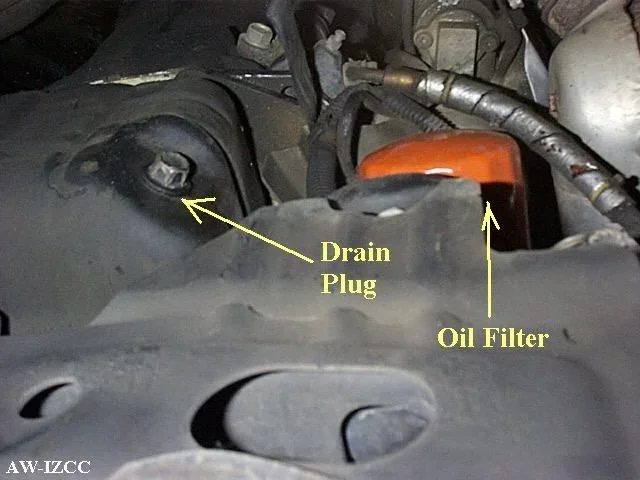
Some vehicles use a traditional design where the drain plug is located on the oil pan at the bottom of the engine. You will need to go underneath the car to reach it. This is common in many American trucks, SUVs, and older vehicle models.
The oil pan sits at the lowest point of the engine, so gravity helps the oil drain quickly once you remove the plug. However, being underneath the car can be uncomfortable, especially if you do not have a lift or ramps.
Integrated Into the Oil Filter
A few vehicles combine the oil filter and drain function into one unit. These cartridge-style filters do not have a separate drain plug. Instead, you remove the entire filter assembly, and the oil drains out through the housing. This design is common in many European vehicles and some newer models.
With this setup, there is no bolt to loosen. You simply unclip or unscrew the filter housing, let the oil drain, and replace the filter cartridge. It is a cleaner process but requires the right filter for your specific vehicle.
Underneath the Engine Block
In some engines, especially turbocharged or performance models, the drain plug may be tucked underneath the engine block. This can make it harder to reach without the right tools or a lift. If your vehicle falls into this category, consider investing in a good set of extensions and a swivel socket.
Trucks with large V8 engines often have the plug in a tight spot. Taking a few minutes to study your engine layout before starting will save you a lot of frustration.
How to Find Your Specific Drain Plug Location
Check Your Owner Manual
The fastest way to find your oil filter drain plug is to consult your vehicle owner manual. Most manuals include a diagram of the engine bay and undercarriage that clearly marks the plug location. If you no longer have the physical manual, you can usually find a digital version on the manufacturer website.
Look for the Oil Filter First
Start by locating the oil filter. Once you find it, look for a small bolt or valve nearby. That is likely your drain plug. Follow the oil filter housing down or around, and you will often see the plug sitting at the lowest point of the housing.
If you are still unsure, search online for your specific vehicle year, make, and model along with “oil filter drain plug location.” Many forums and videos show exactly where the plug sits on your engine.
Use an Oil Change Guide for Your Vehicle
Many websites and YouTube channels offer vehicle-specific oil change guides. These resources show you the exact plug location and walk you through the entire process step by step. Watching a video of someone else doing the job on the same vehicle model is incredibly helpful.
Tools You Need to Remove the Drain Plug
Essential Tools
Having the right tools makes removing the oil filter drain plug quick and easy. Here is what you will need:
- Socket wrench or oil filter wrench: The right size socket fits the drain plug perfectly. An oil filter wrench helps if the plug is tight or hard to reach.
- Oil catch pan: A large pan catches the old engine oil as it drains out. Make sure it is big enough to hold all the oil from your vehicle.
- Torque wrench: This tool ensures you tighten the plug to the correct specification. Over-tightening is one of the most common causes of stripped plugs and leaks.
- Gloves and safety glasses: Protect your hands from hot oil and your eyes from any splashes.
- Jack and jack stands or ramps: If the plug is underneath the vehicle, you need safe access. Never work under a car supported only by a jack.
Optional but Helpful Tools
These extra tools can make the job smoother:
- Extension bars and swivel sockets: These help you reach plugs in tight spots under the engine.
- Drain plug gasket or washer: Replacing the gasket prevents leaks. Many drain plug kits come with a new washer included.
- Rags and paper towels: You will need these to wipe up any spills and clean the plug area before reinstalling.
Step-by-Step: Removing and Replacing the Drain Plug
Step 1: Warm Up the Engine
Run your engine for about 3 to 5 minutes before draining the oil. Warm oil flows out faster and more completely than cold oil. However, do not let the engine get too hot, as burning yourself on hot oil is a real risk.
Step 2: Lift the Vehicle Safely
If the drain plug is underneath the car, use a jack to lift the front of the vehicle. Always place jack stands under the frame for safety. Alternatively, drive onto ramps if your vehicle has enough ground clearance.
Step 3: Position the Catch Pan
Place your oil catch pan directly below the oil filter drain plug. Make sure it is centered so all the old oil goes into the pan and not onto your driveway or garage floor.
Step 4: Remove the Drain Plug
Using the correct size socket, slowly turn the plug counterclockwise. Oil will start flowing out immediately, so be ready. Let the oil drain completely, which usually takes about 5 to 10 minutes.
Pay attention to the drain plug washer or gasket. If it is worn or damaged, replace it with a new one before reinstalling the plug.
Step 5: Reinstall the Plug
Once all the oil has drained, wipe the plug and the area around the hole clean. Thread the plug back in by hand first to avoid cross-threading. Then use your torque wrench to tighten it to the manufacturer specification. Do not over-tighten.
Step 6: Refill with Fresh Oil
After reinstalling the plug, remove the old oil filter and install a new one. Apply a thin layer of fresh oil to the new filter gasket. Then refill the engine with the correct type and amount of oil. Start the engine, let it run for a minute, and check for leaks around the plug.
Common Mistakes When Dealing With the Oil Filter Drain Plug
Over-Tightening the Plug
This is the number one mistake people make. Over-tightening the drain plug can strip the threads in the oil pan or crack the housing. Always use a torque wrench and follow the factory specification. A snug plug with a new gasket is all you need.
Forgetting the Gasket or Washer
Many drain plugs come with a small metal or rubber washer. If you remove the old plug and forget to replace the washer, oil will leak from the threads. Always check the gasket before reinstalling the plug.
Using the Wrong Size Socket
Forcing a socket that does not fit properly can round off the plug head, making it nearly impossible to remove later. Always confirm the correct socket size before you start.
Not Draining Long Enough
Some people remove the plug and wait only a minute or two before reinstalling it. Old oil contains contaminants and metal particles. Let the oil drain for at least 5 to 10 minutes to get as much out as possible. This is especially important if you are close to your oil change interval and want a thorough job.
Ignoring the Oil Filter
While you are working on the drain plug, take the time to replace the oil filter too. A clogged filter reduces oil flow and can damage your engine over time. If you are unsure about which filter to use, check if Toyota oil filters or your brand-specific filters are a good fit for your vehicle.
When to Seek Professional Help
Most drivers can change their oil and replace the drain plug at home with basic tools. However, there are times when it makes sense to visit a professional. If the plug is stripped, rusted, or stuck, a mechanic has the tools and expertise to remove it without causing further damage.
Also, if you are uncomfortable working underneath your vehicle, there is no shame in letting a pro handle the job. Many quick-lube shops and dealerships offer affordable oil change services. Some even provide free oil changes as part of a maintenance package. If you prefer DIY but want guidance, watching a vehicle-specific video beforehand gives you confidence and clarity.
If you are considering a DIY approach but want to compare costs, check out what services like Autozone oil change services offer in your area. Understanding the cost of professional service helps you decide whether to DIY or visit a shop.
How Often Should You Change Your Oil?
The frequency of your oil changes depends on your vehicle, driving habits, and the type of oil you use. Traditional conventional oil typically needs changing every 3,000 to 5,000 miles. Full synthetic oil can last much longer, with many manufacturers recommending changes every 7,500 to 10,000 miles.
Some drivers wonder if they can stretch the interval even further. While modern engines and high-quality synthetic oils allow for longer periods between changes, sticking to the manufacturer recommended schedule is always the safest approach. Going too long between changes can lead to sludge buildup and reduced engine performance.
If you are unsure about your vehicle’s specific needs, consult your owner manual or speak with a trusted mechanic. Staying consistent with your oil change schedule is one of the simplest and most effective ways to protect your engine and avoid costly repairs down the road.
Final Thoughts
Finding and replacing the oil filter drain plug is a straightforward task once you know where to look. Whether your plug is on the oil filter housing, the oil pan, or integrated into the filter system, the process follows the same basic steps. Warm up your engine, gather your tools, position your catch pan, and work carefully.
Avoid the common mistakes of over-tightening, skipping the gasket, and using the wrong tools. These small details make a big difference in preventing leaks and ensuring a clean oil change every time. Staying on top of your engine maintenance routine keeps your vehicle running strong and reliable for years to come.
Take pride in doing the job right. Every successful DIY oil change builds your confidence and saves you money in the long run. Next time you are under the hood, you will know exactly where that drain plug is and how to handle it like a pro.
Frequently Asked Questions
Can I drive after removing the oil filter drain plug without refilling?
No. Driving without oil will cause severe engine damage within minutes. Always refill with the correct amount and type of fresh oil before starting your vehicle after draining the old oil.
How tight should I tighten the oil filter drain plug?
Always use a torque wrench and follow the manufacturer specification found in your owner manual. As a general rule, most drain plugs should be snug but not overly tight. Over-tightening is the fastest way to strip threads or crack the oil pan.
Can I reuse the drain plug gasket?
It is best to replace the gasket or washer every time you change your oil. Old gaskets can harden, crack, or lose their seal over time, which leads to oil leaks around the plug.
What if the drain plug is rusted and stuck?
Apply penetrating oil like WD-40 to the plug and let it sit for 15 to 30 minutes. Use a proper-sized socket and breaker bar for leverage. If the plug still will not budge, take your vehicle to a mechanic to avoid damaging the oil pan.
Does the oil filter drain plug location differ between front-wheel and rear-wheel drive vehicles?
Yes, sometimes. The engine layout differs between drivetrain types, which can affect where the plug is located. Always refer to your specific vehicle model when identifying the plug position.
Is it normal for a small amount of oil to drip after reinstalling the drain plug?
A few drops right after reinstallation can happen, but a steady drip is not normal. Check that the gasket is in place and the plug is tightened to the correct torque specification to prevent leaks.