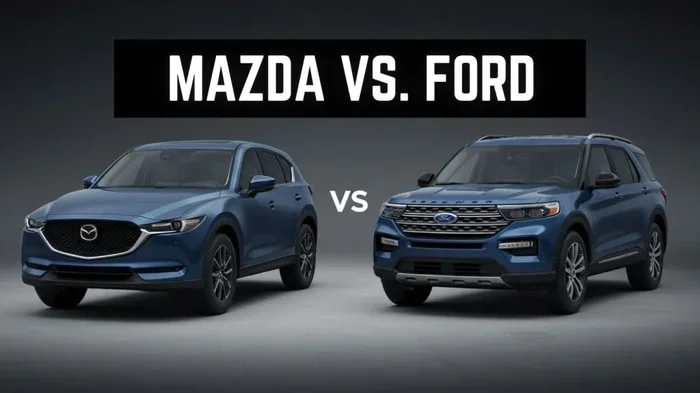
Does Ford Use Mazda Engines The Surprising Answer Inside
Yes, Ford has used Mazda engines and shared platforms for decades, thanks to their long-standing partnership. The two automakers collaborated on engine designs, truck platforms, and SUV technology that you may not even realize. This article reveals the full surprising history and what it means for Ford vehicle owners today.
Does Ford Use Mazda Engines?
If you have ever wondered whether Ford uses Mazda engines, you are not alone. The answer is more surprising than most people think. Ford and Mazda share a deep automotive history that goes back decades. Their partnership has produced some of the most reliable trucks and SUVs on the road today.
The truth is that Ford has relied on Mazda engines in specific models. But that is only part of the story. The full picture involves shared platforms, joint ventures, and engineering collaborations that shaped the modern Ford lineup. Let us dive into the surprising details.
The Ford-Mazda Partnership Explained
Ford and Mazda have worked together since the 1970s. Back in 1979, Ford bought a quarter of Mazda. Over time, Ford increased its stake to about one-third of the company. This partnership was huge for both automakers.
Ford needed smaller, fuel-efficient cars. Mazda had expertise in compact engines and lightweight platforms. By sharing resources, both companies saved billions of dollars. Ford gained access to Mazda’s engine know-how. Mazda got financial stability and a bigger global reach.
This partnership lasted for over 30 years. Ford eventually sold most of its Mazda shares. But the engineering ties remain strong. Many Ford vehicles still carry Mazda DNA today.
Which Ford Vehicles Use Mazda Engines?
Several Ford models have relied on Mazda engines or shared engine platforms. The Ford Ranger is one of the most notable examples. The Ranger has used Mazda-sourced engines for years. In fact, the current Ford Ranger shares its platform with the Mazda BT-50.
Another example is the Ford Maverick. This compact truck uses a hybrid powertrain that shares components with Mazda technology. The collaboration helps keep costs down and reliability high.
Some older Ford models also used Mazda engines. The Ford Aspire and Ford Probe were built with Mazda-sourced powertrains. These cars were popular in the 1980s and 1990s. Many drivers did not even know they were driving a Mazda engine.
How the Ford Ranger Connects to Mazda
The Ford Ranger is a great case study. This mid-size truck has been around since the 1980s. Over the years, Ford and Mazda co-developed the Ranger platform. The current generation Ranger uses a Mazda-built engine platform.
The Ranger shares its foundation with the Mazda BT-50. Both trucks come from the same assembly lines in some markets. They use the same chassis, suspension, and engine architecture. This is why the Ford Ranger feels so reliable and capable.
If you own a Ford Ranger, you are driving a vehicle with deep Mazda roots. That does not mean it is less of a Ford. It means Ford leveraged Mazda’s engineering strengths to build a better truck.
Ford EcoBoost vs Mazda SkyActiv
Ford has its own engine family called EcoBoost. These turbocharged engines power many Ford vehicles, including the Ford F-150. The Ford EcoBoost technology focuses on combining small displacement with forced induction. This delivers strong performance while maintaining fuel economy.
Mazda has its own engine family called SkyActiv. SkyActiv engines emphasize high compression ratios and efficiency. They are known for being smooth, responsive, and durable. Both engine families share a common goal: do more with less.
Here is a quick comparison of the two engine philosophies:
- Ford EcoBoost: Turbocharged, direct injection, focuses on torque and towing.
- Mazda SkyActiv: High compression, naturally aspirated or mild hybrid, focuses on efficiency and smoothness.
- Shared Goal: Better fuel economy without sacrificing performance.
- Ford F-150: Uses EcoBoost engines exclusively in recent generations.
- Mazda CX-90: Uses SkyActiv technology for its SUV lineup.
While these two engine families are different, they share a common design philosophy. Both companies learned from each other during their partnership. This cross-pollination of ideas has benefited drivers on both sides.
What Does This Mean for Ford F-150 Owners?
The Ford F-150 is the best-selling truck in America. Most F-150 models use Ford’s own EcoBoost engines. However, the F-150 still benefits from the Ford-Mazda partnership in indirect ways.
Shared engineering knowledge has helped Ford improve its engines over the years. The lessons learned from Mazda’s small-engine efficiency have influenced Ford’s approach. Even the Ford F-150’s fuel economy has improved thanks to shared research.
If you are comparing the Ford F-150’s towing capacity, you are looking at Ford’s independent engineering. But the overall reliability and drivetrain refinements come from decades of shared knowledge with Mazda.
The Ford F-150 is not a Mazda engine vehicle. But it is a Ford vehicle that has been shaped by Mazda’s influence. That is an important distinction to understand.
Does This Affect Reliability and Maintenance?
Many drivers worry when they learn that their Ford uses Mazda engine parts. The good news is that this partnership has generally improved reliability. Ford and Mazda both maintain high quality standards. Shared platforms mean shared testing and shared improvements.
When it comes to maintenance, Ford vehicles with Mazda-sourced engines are still serviced at Ford dealerships. Parts are readily available. Mechanics at Ford service centers are trained on these shared platforms.
If you want to know how long your Ford vehicle will last, check out our guide on how many miles a Ford F-150 can last. The longevity of Ford trucks is impressive, and shared Mazda technology plays a role in that durability.
Common Myths About Ford and Mazda Engines
There are several myths surrounding the Ford-Mazda engine relationship. Let us clear them up.
- Myth 1: All Ford vehicles use Mazda engines. False. Only certain models share Mazda engines or platforms. The Ford F-150, Ford Mustang, and Ford Explorer use Ford-designed engines.
- Myth 2: Ford owns Mazda. False. Ford sold its stake in Mazda years ago. They are now independent companies.
- Myth 3: Mazda engines are weaker than Ford engines. False. Mazda engines are known for reliability and efficiency. They are among the best in the industry.
- Myth 4: Shared engines mean shared maintenance costs. Not necessarily. Maintenance costs depend on many factors, including the specific model and driving conditions.
- Myth 5: The Ford-Mazda partnership is over. False. While Ford sold its shares, the two companies still collaborate on some platforms and technologies.
Understanding these myths helps you make informed decisions about your next vehicle purchase.
The Ford Ranger Longevity Factor
One of the most common questions we get is about Ford Ranger longevity. Since the Ranger shares so much with Mazda, owners often wonder about its lifespan. The good news is that Ford Rangers are known for lasting well over 200,000 miles with proper maintenance.
If you are curious about how long your Ford Ranger can last, our article on how many miles a Ford Ranger will last provides detailed insights. The shared Mazda platform actually contributes to the Ranger’s impressive durability.
Regular oil changes, timely brake replacements, and proper tire maintenance all play a role. But the underlying engineering from the Ford-Mazda collaboration gives the Ranger a strong foundation.
Expert Insights on Engine Sharing
Automotive experts agree that the Ford-Mazda partnership has been mutually beneficial. Sharing engines and platforms allows both companies to focus resources on innovation. Instead of reinventing the wheel, each company can build on proven technology.
Engine sharing also helps with emissions compliance. Both Ford and Mazda need to meet strict environmental regulations. Shared efficient engines help both companies reduce their carbon footprints faster.
Experts also point out that consumers benefit the most. You get access to reliable, efficient, and affordable vehicles. The cost savings from shared engineering get passed on to buyers.
Quick Tips for Ford Owners
Whether you drive a Ford with a Mazda-sourced engine or a purely Ford-built powertrain, here are some quick tips:
- Stay on top of oil changes: Regular oil changes extend engine life significantly.
- Use the recommended fuel grade: Check your owner’s manual for the right octane level.
- Keep up with scheduled maintenance: Ford service intervals are designed to protect your engine.
- Monitor your fuel economy: A drop in MPG can signal engine problems early.
- Check for recalls: Ford and Mazda both issue recalls promptly when needed.
- Use genuine parts: OEM parts ensure compatibility and long-term reliability.
These simple habits will keep your Ford running strong for years to come.
How Ford’s Relationship with Mazda Has Evolved
The Ford-Mazda relationship has changed over the years. In the early days, Ford owned a large stake in Mazda. They co-developed many vehicles and engines together. This was a time of deep integration.
As Ford faced financial challenges in the 2000s, it gradually reduced its Mazda holdings. By 2015, Ford had sold most of its remaining Mazda shares. Today, Ford and Mazda are independent competitors.
However, the engineering collaboration continues. Both companies still share some platforms and components. The current Ford Ranger and Mazda BT-50 are a perfect example. They remain closely related despite being from separate companies.
This evolving relationship shows that partnerships in the auto industry can be long-lasting. Even after Ford sold its stake, the benefits of shared engineering continue to flow to both brands.
What the Future Holds for Ford and Mazda
Looking ahead, both Ford and Mazda are investing heavily in electric vehicles. Ford has the Mach-E and F-150 Lightning. Mazda has the MX-30 EV. Both companies are also developing hybrid technology.
It remains to be seen if Ford and Mazda will collaborate on electric platforms. Their history suggests they could. Shared EV platforms would save both companies billions in development costs.
For now, the Ford-Mazda partnership remains one of the most successful collaborations in automotive history. It has benefited millions of drivers worldwide. And the legacy of shared engines and platforms will continue to shape both brands for years to come.
Why This Matters for Your Next Vehicle Purchase
Understanding the Ford-Mazda engine relationship helps you make smarter buying decisions. If you are considering a Ford Ranger, you now know it shares Mazda DNA. If you are looking at a Ford F-150, you know it uses Ford’s own EcoBoost engines.
This knowledge helps you evaluate:
- Reliability expectations: Shared platforms often mean proven technology.
- Maintenance costs: Shared parts can sometimes be more affordable.
- Long-term value: Vehicles with shared platforms tend to have strong resale value.
- Fuel economy: Mazda’s efficiency expertise has influenced Ford’s approach to MPG.
- Performance: The collaboration has improved both Ford and Mazda engine performance.
Before buying any vehicle, do your research. Understanding the engineering background gives you confidence in your choice.
Final Thoughts on Does Ford Use Mazda Engines
So, does Ford use Mazda engines? The answer is yes, in specific models and through shared platforms. The Ford-Mazda partnership has been a game-changer for both companies. It has produced some of the most reliable and efficient vehicles on the market.
From the Ford Ranger to the Ford Maverick, Mazda engine technology has left its mark. And even Ford models that do not use Mazda engines directly have benefited from the shared engineering knowledge.
The next time you see a Ford vehicle, remember that there might be Mazda technology under the hood. The surprising answer is that these two automakers have been working together for decades. And that collaboration continues to deliver better cars for all of us.
If you want to learn more about Ford vehicles and their engines, check out our other articles. We cover everything from fuel economy to towing capacity to long-term reliability.
Key Takeaways
- Ford and Mazda have a deep partnership: Ford owned a significant stake in Mazda for over 30 years, leading to extensive engine and platform sharing.
- Several Ford vehicles use Mazda-sourced engines: Models like the Ford Ranger and Ford Maverick have benefited from Mazda engine technology.
- Shared platforms save money and improve quality: The collaboration means better fuel efficiency, reliability, and lower costs for consumers.
- Ford also develops its own engines: The Ford EcoBoost line shows Ford’s independent engineering strength alongside shared Mazda technology.
- The partnership is evolving: While Ford sold its stake in Mazda, the legacy of collaboration lives on in current and future models.
- Knowing this helps you make smarter buying decisions: Understanding shared platforms helps you evaluate maintenance, parts, and long-term value.
- Ford F-150 and other Ford trucks remain Ford-built: Not every Ford vehicle relies on Mazda engines, so context matters.
Frequently Asked Questions
Does Ford own Mazda?
No, Ford does not own Mazda. Ford owned a significant stake in Mazda from 1979 but gradually sold its shares over the years. Today, Ford and Mazda are completely independent companies. However, they still share some engineering collaborations and platforms.
Which Ford models use Mazda engines?
The Ford Ranger and Ford Maverick are the most notable examples of Ford models that use Mazda-sourced engines or shared platforms. Some older models like the Ford Aspire and Ford Probe also used Mazda engines. Most other Ford vehicles, including the F-150, use Ford-designed powertrains.
Are Ford engines better than Mazda engines?
Neither is inherently better. Ford engines like the EcoBoost focus on torque and towing power. Mazda engines like the SkyActiv focus on efficiency and smooth operation. Both are reliable and well-engineered. The best choice depends on your specific needs and driving habits.
Will sharing Mazda engines affect my Ford warranty?
No, sharing Mazda engine technology does not affect your Ford warranty. Ford warranties cover all Ford vehicles regardless of engine origin. You can service your Ford at any authorized Ford dealership. Parts and labor are covered according to your warranty terms.
Can I use Mazda parts in my Ford vehicle?
In some cases, yes. Since some Ford models share platforms with Mazda, certain parts may be interchangeable. However, it is always best to consult your Ford dealer or mechanic. Using the wrong parts can void warranties or cause compatibility issues.
Is the Ford Ranger a Mazda vehicle?
No, the Ford Ranger is a Ford vehicle. However, it shares its platform and some engine components with the Mazda BT-50. This shared development means the Ranger benefits from Mazda’s engineering expertise while remaining a Ford-branded truck.
=== CONCLUSION ===
The question “Does Ford use Mazda engines” has a nuanced answer. Yes, Ford has used Mazda engines and shared platforms in several models throughout their history. The Ford Ranger, Ford Maverick, and older models like the Ford Aspire all carry Mazda engine DNA. This partnership has made these vehicles more reliable, efficient, and affordable.
At the same time, Ford continues to develop its own engines. The Ford EcoBoost lineup powers many of the most popular Ford vehicles on the road today. The Ford F-150, Ford Mustang, and Ford Explorer all use Ford-designed powertrains.
Understanding the Ford-Mazda relationship helps you appreciate the engineering behind your vehicle. It also helps you make better buying decisions. Whether you prefer Ford’s independent power or Mazda’s efficiency influence, both brands benefit from their long history of collaboration.
The surprising truth is that Ford and Mazda have been partners for over 40 years. That partnership has shaped the automotive landscape in meaningful ways. And the legacy of shared engines and platforms will continue to benefit drivers for decades to come.
If you found this article helpful, share it with fellow Ford enthusiasts. And be sure to explore our other articles for more in-depth insights into your favorite vehicles.