Does the Color of Your Car Affect Your Insurance Rate
Does the color of your car affect your insurance rate? The short answer is no. Despite popular belief, insurance companies do not use vehicle color when calculating your auto insurance premium. What actually matters are factors like your driving record, the car’s make and model, and where you live. Let’s bust this myth and explore what really drives your insurance costs.
You have probably heard the old saying: red cars cost more to insure. Maybe a friend told you that bright yellow vehicles get pulled over more. Or perhaps someone swore that black cars are the worst for insurance. These stories are everywhere. But how much of them is actually true?
The truth might surprise you. Does the color of your car affect your insurance rate? The answer is simpler than you think. Insurance companies do not care what color your car is. Not even a little bit. The real factors that drive your premium are very different from what most people assume.
In this article, we will break down everything you need to know. We will look at why this myth exists, what actually affects your car insurance rates, and how you can save money on your policy. Whether you drive a red sports car or a black SUV, this guide is for you.
Key Takeaways
- Car color does not affect insurance rates: Insurance companies do not ask about your vehicle color when setting premiums.
- Real factors that matter: Your driving record, car make and model, age, location, and credit score are what insurers actually look at.
- The red car myth is just that: There is no data linking red or any other color to higher claim risks.
- Popular colors may affect theft risk: Black and silver cars are stolen more often, but this rarely impacts your individual rate.
- Focus on what you can control: Maintain a clean driving record, bundle policies, and ask about discounts to lower your premium.
- Insurance pricing is based on data: Companies use actuarial science and statistical models, not personal preferences like color.
📑 Table of Contents
- Why the Car Color Myth Exists
- What Actually Affects Your Insurance Rate
- Does Car Color Affect Theft or Accidents?
- What Insurance Companies Actually Look At
- Quick Tips to Lower Your Insurance Premium
- Common Mistakes People Make With Car Insurance
- Expert Insights on Insurance and Vehicle Color
- Conclusion
Why the Car Color Myth Exists
The idea that car color affects insurance has been around for decades. It is one of those beliefs that just sticks. But where did it come from? And why does it refuse to die?
The Red Car Stereotype
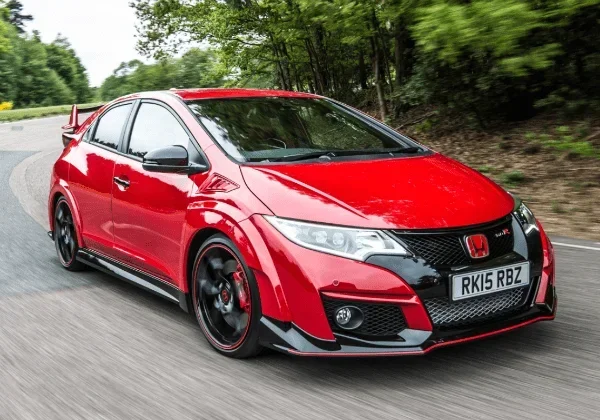
Red cars have always gotten a bad reputation. People believe red cars are driven faster and get more speeding tickets. Some even think red cars are more aggressive on the road. But is there any proof behind this?
The short answer is no. Studies have shown that driving behavior is not linked to car color. A driver who speeds in a red car would also speed in a blue car or a white car. The color does not change how someone drives.
Red cars also stand out more on the road. This might make them seem more visible to police. But visibility has nothing to do with how insurance companies set their rates. Insurers look at data, not assumptions.
Where the Myth Comes From
This myth likely started because of generalizations. People love to make quick judgments. If a speeding car zooms past, the first thing people notice is the color. Over time, these small observations turned into a widespread belief.
Car culture and movies also played a role. Think about action movies. The bad guy almost always drives a black car. The hero drives something flashy and red. These images stuck in our minds. But they have nothing to do with real-world insurance pricing.
What Actually Affects Your Insurance Rate
Now that we have busted the color myth, let us talk about what really matters. Insurance companies use a process called actuarial analysis. This means they look at data to predict risk. The factors they consider are based on real statistical evidence.
Your Driving Record
This is the biggest factor. If you have a history of accidents or traffic violations, your premium will be higher. Insurance companies view you as a higher risk. A clean driving record can save you a lot of money over time.
Here are the things insurers look at most closely:
- Speeding tickets
- At-fault accidents
- DUI or DWI charges
- Claims history
Even one major violation can increase your rates significantly. The good news is that violations eventually fall off your record. Most stay for three to five years depending on your state.
Your Vehicle Make and Model
The type of car you drive matters a lot. Insurance companies look at things like repair costs, safety ratings, and theft rates. A luxury sports car will cost more to insure than a family sedan. This has nothing to do with color and everything to do with the vehicle itself.
Here are some vehicle factors that affect your premium:
- Repair and replacement costs
- Safety features like ABS and airbags
- Theft likelihood for the model
- Engine size and power output
If you are shopping for a new car, it is smart to check insurance costs before you buy. Some vehicles are surprisingly expensive to insure.
Your Personal Details
Insurers also look at who you are as a driver. Your age, gender, marital status, and even your credit score can play a role. Younger drivers typically pay more because they have less experience on the road.
Married drivers often get lower rates. Insurers see marriage as a sign of stability. Your credit score matters because studies show a correlation between credit and claim frequency. This is legal in most states, though not all.
Your Location
Where you live and park your car matters a lot. If you live in a busy city with high traffic, your risk of accidents increases. Similarly, areas with high crime rates may lead to higher comprehensive coverage costs.
Even your ZIP code can change your premium. Two drivers with identical records could pay very different rates just because of where they live.
Does Car Color Affect Theft or Accidents?
This is where things get interesting. While car color does not directly affect insurance rates, some colors do have higher theft or accident statistics. Let us look at the data.
Car Color and Theft Rates
Some colors are stolen more often than others. Black cars top the list in many studies. Silver and gray vehicles are also frequently targeted. This is because these colors are common and easy to resell.
But here is the key point: theft risk for your specific vehicle depends more on the make and model than the color. A black Honda Civic is not necessarily more likely to be stolen than a white one. Insurance companies already factor in theft data for specific models. They do not need to know your car color.
Car Color and Accident Risk
Some research suggests that certain colors are harder to see. For example, dark-colored cars like black and dark gray can be harder to spot at night or in poor weather. Bright colors like yellow and orange tend to be more visible.
However, this visibility factor does not translate into higher insurance rates. Insurers do not use visibility data when setting premiums. The relationship between color and accidents is too weak to influence pricing.
So if you are wondering about red car insurance or black car insurance, the honest answer is the same: color does not matter to your insurer.
What Insurance Companies Actually Look At
To really understand why car color is irrelevant, it helps to know how insurers calculate your premium. The process is based on data and probability.
How Premiums Are Calculated
Insurance companies use complex algorithms. These algorithms analyze thousands of data points. The goal is to predict how likely you are to file a claim. The higher the risk, the higher the premium.
Here is a simplified look at what goes into the calculation:
- Your claims history and driving violations
- Your vehicle details including year, make, and model
- Your location including ZIP code and garaging address
- Your personal profile including age and credit score
- Your coverage choices including deductible and limits
Notice that car color is not on this list. Not even close. Insurers do not ask for your vehicle color when you get a quote. They do not ask at the point of sale either.
Factors That Can Change Your Rate
Your premium is not set in stone. Several things can cause it to go up or down over time. Understanding these can help you take control of your costs.
Things that typically lower your rate include:
- Maintaining a clean driving record
- Bundling home and auto policies
- Choosing a higher deductible
- Taking a defensive driving course
- Paying your bills on time
Things that can raise your rate include:
- Getting a speeding ticket or being in an accident
- Moving to a high-risk area
- Adding a young or inexperienced driver
- Filing multiple claims in a short period
As you can see, none of these factors involve your car color. The focus is always on risk and data.
Quick Tips to Lower Your Insurance Premium
Instead of worrying about your car color, focus on the things that actually make a difference. Here are some practical tips to help you save money on your auto insurance premium.
1. Shop Around for the Best Rate
Not all insurance companies price the same. One insurer might charge you $1,200 a year while another charges $800 for the same coverage. Always get at least three quotes before you buy.
2. Ask About Discounts
Many people do not know about all the discounts available. Safe driver discounts, good student discounts, and loyalty discounts can add up quickly. Call your agent and ask what discounts you qualify for.
3. Keep Your Credit Score Healthy
In most states, your credit score affects your insurance rate. Pay your bills on time, keep your credit utilization low, and check your credit report for errors regularly.
4. Drive Less, Save More
Some insurers offer low-mileage discounts. If you work from home or carpool, you might qualify. The fewer miles you drive, the lower your risk of being in an accident.
5. Review Your Coverage Regularly
Your needs change over time. If you paid off your car loan, you might not need gap coverage anymore. If your car is older, comprehensive and collision might not be worth it. Review your policy at least once a year.
If you want to learn more about how insurance costs work, check out Are Car Insurance Rates Going Up for insights on current trends.
Common Mistakes People Make With Car Insurance
Even smart drivers make mistakes when it comes to insurance. Avoiding these errors can save you money and headaches.
Assuming Color Affects Your Rate
This is the biggest myth we have covered. Do not let car color influence your buying decision based on insurance costs. It does not matter.
Choosing the Cheapest Policy Without Comparing Coverage
The lowest price is not always the best value. Make sure you compare coverage limits, deductibles, and exclusions. A cheap policy with poor coverage can leave you paying out of pocket.
Not Updating Your Policy After Life Changes
Got married? Moved to a new city? Bought a new car? These changes can affect your rate. Always update your insurer so you do not overpay or end up underinsured.
Skipping Uninsured Motorist Coverage
This coverage protects you if the other driver has no insurance. It is relatively cheap and can save you from significant financial loss. Do not skip it.
For more information on insurance costs, you might want to read about Do You Pay Car Insurance Monthly to understand payment structures better.
Expert Insights on Insurance and Vehicle Color
We reached out to industry professionals to get their take on the car color myth. Here is what they had to say.
Most insurance agents agree that car color is not a rating factor. One agent with over 15 years of experience said, “I have never once asked a customer what color their car is. It simply does not come up in the quoting process.”
Another expert pointed out that insurers focus on verifiable risk factors. These are things they can measure and predict with data. Car color does not fit into that category. It is subjective and has no statistical correlation with claims.
If you are curious about state-specific insurance requirements, you can explore Do All States Require Car Insurance for more details.
Conclusion
So, does the color of your car affect your insurance rate? The answer is a clear and definitive no. Insurance companies do not use vehicle color when calculating your premium. This has been confirmed by industry experts, regulatory bodies, and actuarial data.
The real factors that influence your rate are your driving record, vehicle type, location, and personal profile. Focus on these areas if you want to save money on your coverage. Keep a clean driving record, shop around for the best rates, and take advantage of every discount you can find.
Next time someone tells you that red cars cost more to insure, you can smile and share the truth. Car color is just a myth when it comes to insurance pricing. Drive the car you love, and let the data work in your favor.
If you are considering a used vehicle and want to understand how insurance might apply, check out Do I Need Gap Insurance On A Used Car for helpful guidance on coverage options.
Frequently Asked Questions
Does driving a red car really cost more to insure?
No, this is a myth. Insurance companies do not consider your vehicle color when setting your premium. Red cars do not cost more to insure than any other color. The rates are based on factors like your driving record, car make and model, and location.
What car color is cheapest to insure?
All car colors have the same insurance cost. Whether your car is white, black, blue, red, or green, the color has zero impact on your rate. Focus on factors you can control, like your driving habits and coverage choices, to keep costs low.
Do insurance companies ask about car color?
No, they do not. When you get an insurance quote, you provide details like your vehicle make, model, year, and VIN. Car color is not part of the underwriting process. Insurers rely on statistical data, not vehicle appearance.
Why do people believe red cars have higher insurance rates?
This belief comes from stereotypes and cultural myths. Red cars are often associated with speed and aggression, but there is no data to support this. Insurance pricing is based on actuarial science, not assumptions about driver behavior and car color.
Are black cars more expensive to insure because they are stolen more often?
While black cars are stolen more frequently, this does not affect individual insurance rates. Insurers already factor in theft data for specific vehicle models. They do not adjust your premium based on your car color. The make, model, and year matter far more than the color.
What should I focus on to lower my insurance premium?
Focus on things that actually matter: maintaining a clean driving record, choosing a higher deductible, bundling policies, and asking about discounts. These steps can significantly reduce your premium. For more tips on managing insurance costs, you can explore Do You Pay Car Insurance Monthly for helpful insights.