How to Reset the Tire Pressure Light on Mazda 3 Easily
Resetting the tire pressure light on a Mazda 3 is a simple process you can do at home in minutes. This guide walks you through every method, from the dashboard button trick to checking your tire pressure manually. Whether your TPMS light stays on after filling your tires or keeps flashing for no clear reason, you will find the solution here.
There are few dashboard warnings that make drivers panic quite like a flashing tire pressure light. If you own a Mazda 3, you have probably seen that little horseshoe-shaped icon with an exclamation point pop up on your dash at the worst possible moment. The good news is that resetting the tire pressure light on Mazda 3 is usually a straightforward process you can handle yourself.
This guide covers everything you need to know about the tire pressure light on your Mazda 3. We will walk you through the most common reasons the light comes on, the step-by-step reset methods that work for different model years, and what to do if the light keeps coming back. By the end, you will feel confident tackling this common car maintenance task without visiting a mechanic.
The tire pressure monitoring system, or TPMS, is a safety feature designed to alert you when your tires are underinflated. Driving on low tires can reduce fuel efficiency, cause uneven tread wear, and even lead to a dangerous blowout. That is why the warning light exists in the first place. But sometimes the system needs a manual reset, especially after you have already fixed the underlying issue. Let us walk you through exactly how to do that.
Key Takeaways
- Multiple reset methods exist: You can use the dashboard button, the ignition cycle method, or even disconnect the battery to clear the tire pressure light on your Mazda 3.
- Check tire pressure first: Always verify your tire pressure before attempting a reset to ensure the light is not alerting you to a real problem.
- Seasonal changes trigger the light: Cold weather is the most common reason the tire pressure warning light appears on a Mazda 3.
- Preventive maintenance helps: Regular tire checks and seasonal care can stop the light from coming back.
- Persistent lights need attention: If the light stays on after a reset, it may signal a sensor issue or a slow leak that needs professional diagnosis.
📑 Table of Contents
- Understanding the Tire Pressure Light on Mazda 3
- Why Does the Tire Pressure Light Come On?
- How to Reset the Tire Pressure Light on Mazda 3
- What to Do If the Reset Does Not Work
- Preventing Future Tire Pressure Issues
- When to Visit a Mechanic for Tire Pressure Issues
- Mazda 3 Tire Pressure Light Reset: Model Year Quick Reference
Understanding the Tire Pressure Light on Mazda 3
The tire pressure light on a Mazda 3 is part of the TPMS, which stands for Tire Pressure Monitoring System. This system uses small sensors inside each tire to measure the air pressure and send data to your car’s central computer. When the pressure drops below the recommended level, the dashboard warning illuminates to alert you.
What Does the TPMS Light Look Like?
On most Mazda 3 models, the TPMS warning looks like a horseshoe or a cross-section of a tire with an exclamation point in the center. It may appear as a steady yellow light or a flashing red one, depending on the severity of the issue. A steady light usually means one or more tires are low on air. A flashing light often points to a malfunction in the TPMS sensor itself. Either way, you should not ignore it.
Why the Tire Pressure Light Matters
Ignoring the tire pressure light on your Mazda 3 is never a good idea. Underinflated tires reduce your vehicle’s handling and braking performance. They also cause your engine to work harder, which burns more fuel. Over time, driving on low tires leads to premature and uneven tire wear, meaning you will need to replace them sooner. The TPMS light exists to protect both your safety and your wallet.
Keeping your tires at the proper tire pressure also improves your Mazda 3’s ride quality. You will notice better steering response, a smoother ride, and more predictable handling in wet conditions. It is one of the simplest yet most overlooked aspects of Mazda 3 maintenance.
Why Does the Tire Pressure Light Come On?
Before you jump into the reset process, it helps to understand why the tire pressure warning appeared in the first place. Several common factors can trigger the light on a Mazda 3, and knowing the cause helps you choose the right fix.
Temperature Changes
Cold weather is the number one culprit behind a sudden tire pressure light on a Mazda 3. When the temperature drops, the air inside your tires contracts, which reduces the pressure. A change of just 10 degrees Fahrenheit can lower tire pressure by about one pound per square inch. This is why many drivers notice the light appearing during autumn and winter months. If you live in a climate with big seasonal swings, you will likely see this light more often than other drivers.
Slow Leaks and Punctures
A small nail or screw in your tire can cause a slow leak that gradually lowers the pressure over days or even weeks. You might not notice the tire feels slightly soft, but the TPMS will detect the drop and trigger the warning. Regular visual inspections of your tires can help you catch these issues early before the light comes on. Sometimes a slow leak is caused by a faulty valve stem rather than a puncture in the tread.
Sensor Malfunctions
Sometimes the problem is not the tire itself but the sensor. TPMS sensors have a limited battery life, typically around five to seven years. When the sensor battery dies, the system cannot accurately read tire pressure, and the light stays on. A damaged or dislodged sensor can also cause false warnings. If you recently had a tire service and the light appeared shortly after, the sensor may have been bumped during the process.
After Tire Rotation or Replacement
If you recently rotated your tires, replaced a flat, or installed new tires, the TPMS may need a reset. The system sometimes does not automatically recalibrate after these changes, leaving the warning light on even when your tire pressure is perfect. This is a normal occurrence and nothing to worry about.
How to Reset the Tire Pressure Light on Mazda 3
Now let us get to the core of the guide. There are several proven methods to reset the tire pressure light on Mazda 3. The right method depends on your model year and the specific issue. Below, we cover the most effective approaches in detail.
Method One: The Dashboard Reset Button
Most Mazda 3 models from 2010 onward include a dedicated TPMS reset button. This is the quickest and easiest way to clear the tire pressure light on Mazda 3 after you have confirmed that all tires are properly inflated.
Here is how to do it step by step:
- Start the engine or turn the ignition to the “On” position without starting the car.
- Locate the TPMS reset button. On most Mazda 3 models, it is found beneath the steering column on the left side of the dashboard.
- Press and hold the reset button until the TPMS warning light on the dashboard begins to blink three times.
- Release the button and start the engine.
- Drive the car for about 20 minutes at speeds above 20 mph. The system will recalibrate, and the light should turn off.
This method works for most Mazda 3 models, including the 2014, 2016, 2018, and 2020 versions. If you are unsure where your reset button is located, consult your Mazda 3 owner manual for the exact position. The owner manual is an excellent resource for all kinds of Mazda 3 maintenance questions.
Method Two: The Ignition Cycle Trick
If your Mazda 3 does not have a dedicated reset button, or if the button method does not work, you can try the ignition cycle method. This approach forces the TPMS system to recalibrate through a series of ignition steps.
Follow these steps carefully:
- Turn the ignition key to the “Off” position and make sure the engine is completely off.
- Turn the key to the “On” position, which is the setting where the dashboard lights come on but the engine does not start.
- Within three seconds, press the horn button three times in quick succession.
- Wait for the TPMS light to blink, which indicates the system is resetting.
- Turn the ignition off and then back on to check if the light has cleared.
This trick works because it sends a reset signal through the horn circuit, which shares a connection with the TPMS module in some Mazda models. It is a simple but effective way to reset the tire pressure light without any special tools. Many Mazda 3 owners have had success with this method when the reset button approach did not work.
Method Three: Disconnect the Battery
For stubborn tire pressure lights that refuse to turn off, disconnecting the car battery can force a full system reset. This method clears all stored error codes, including the TPMS warning.
Here is what you need to do:
- Park the car and turn off the engine.
- Open the hood and locate the negative battery terminal, which is marked with a minus sign.
- Use a wrench to loosen the nut on the negative terminal and carefully remove the cable.
- Leave the cable disconnected for 15 to 30 minutes.
- Reconnect the negative terminal and tighten the nut securely.
- Start the engine and check if the tire pressure light has turned off.
Some drivers also find that unplugging your car battery to reset codes is a reliable approach when other methods fail. However, keep in mind that this method will also reset other settings in your car, such as the clock, radio presets, and power window calibration. Make sure you know how to reset those settings before you disconnect the battery.
Method Four: Using a TPMS Reset Tool
For Mazda 3 owners who want a more professional-level solution, a dedicated TPMS reset tool can do the job quickly. These handheld devices communicate directly with the TPMS sensors and can recalibrate the entire system in seconds. You can find affordable TPMS reset tools at most auto parts stores or online. Simply connect the tool to the OBD-II port under your dashboard, follow the on-screen prompts, and the tire pressure light on Mazda 3 should clear immediately.
A TPMS reset tool is especially helpful if you have already replaced a sensor or if the system has multiple error codes stored. These tools are not expensive and can save you a trip to the mechanic for simple resets. They are a great addition to any home garage toolkit.
What to Do If the Reset Does Not Work
Sometimes, even after following all the steps correctly, the tire pressure warning light on your Mazda 3 stays on. This can be frustrating, but it usually points to an underlying issue that needs attention.
Double-Check Your Tire Pressure
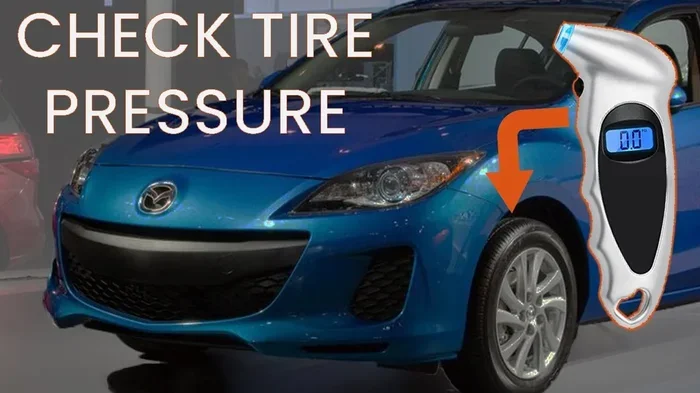
The first thing you should do is verify that all four tires, including the spare, are at the correct pressure. The recommended tire pressure for a Mazda 3 is typically between 32 and 35 PSI, but you should check the sticker on the driver’s side door jamb for the exact number for your model year. Use a reliable tire pressure gauge to check each tire, and add air as needed before trying another reset. A cheap digital tire pressure gauge is a worthwhile investment for any car owner.
Inspect the TPMS Sensors
If your tire pressure is correct but the light remains on, the TPMS sensors themselves may be the problem. A dead sensor battery, a damaged sensor, or a sensor that has lost its programming can all cause the light to stay illuminated. In these cases, the sensor will need to be replaced or reprogrammed by a qualified technician. TPMS sensor batteries are not user-replaceable on most Mazda 3 models, so a trip to the shop is usually necessary.
Look for Hidden Leaks
A slow leak in one of your tires can keep the TPMS light active even after a reset. Apply a soapy water solution to each tire valve stem and look for bubbles forming, which indicate air escaping. You can also take your car to a tire shop, where they can perform a professional leak detection test using specialized equipment. Sometimes the leak is not in the tire itself but at the bead where the tire meets the rim.
When to Seek Professional Help
If none of the DIY reset methods work, it is time to visit a mechanic or a Mazda dealership. A professional technician can run a full diagnostic scan on your Mazda 3 to identify the root cause. If you are interested in diagnosing car issues yourself, learning how to read ABS codes without a scanner can give you valuable insight into what your dashboard is trying to tell you. Many auto parts stores also offer free diagnostic scanning services that can read TPMS-related codes for you.
Preventing Future Tire Pressure Issues
The best way to deal with the tire pressure light on your Mazda 3 is to prevent it from coming back in the first place. A little regular maintenance goes a long way toward keeping your TPMS system happy and your tires in great shape.
Check Tire Pressure Monthly
Make it a habit to check your tire pressure at least once a month. A simple tire pressure gauge costs just a few dollars and can save you from unexpected trips to the auto shop. Check your tires when they are cold, meaning the car has been parked for at least three hours, for the most accurate reading. Keeping a tire pressure gauge in your glove box makes it easy to stay on top of this simple task.
Monitor Seasonal Temperature Changes
As we mentioned earlier, temperature swings are a major trigger for the TPMS light. During fall and winter, check your tire pressure more frequently. Adding a little extra air before cold fronts arrive can help you avoid the annoying dashboard warning. In summer, hot pavement can also affect pressure readings, though the changes are usually less dramatic than in cold weather.
Rotate Your Tires Regularly
Following the recommended tire rotation schedule for your Mazda 3 helps ensure even wear across all four tires. Evenly worn tires maintain more consistent pressure levels and last longer overall. Most experts recommend rotating your tires every 5,000 to 7,500 miles. Many tire shops will rotate your tires for free or a small fee if you purchased the tires from them.
Stay on Top of Sensor Maintenance
TPMS sensors have a finite lifespan. When you replace tires or have your car serviced, ask the technician to check the sensor batteries. Replacing a sensor battery before it dies can prevent unexpected TPMS warnings and keep your tire pressure light Mazda 3 dashboard clear. Some technicians recommend replacing all TPMS sensors at the same time if they are more than five years old, even if only one has failed.
Just as you would take proactive steps like preventing your car from overheating in summer, staying on top of tire care prevents bigger and more expensive problems down the road. A little prevention goes a long way toward keeping your Mazda 3 running safely and efficiently.
When to Visit a Mechanic for Tire Pressure Issues
While resetting the tire pressure light on Mazda 3 is often a DIY task, there are situations where professional help is the right call. Understanding these signs can save you time, money, and potential safety risks.
Persistent Light After Multiple Resets
If you have reset the light three or more times and it keeps coming back within a few days, there is likely an underlying issue that a reset cannot fix. This pattern often indicates a sensor failure, a significant air leak, or a problem with the TPMS control module. Do not keep resetting the light without investigating the root cause.
TPMS Light Flashing Continuously
A flashing TPMS light is different from a steady one. A flashing light typically signals a malfunction in the TPMS system itself rather than a simple pressure issue. This could mean a sensor is not communicating with the car’s computer, or the sensor has reached the end of its operational life. In either case, a mechanic should diagnose the problem promptly.
TPMS Warning After New Tire Installation
If you recently installed new tires or replaced TPMS sensors and the light still appears, the sensors may need to be reprogrammed or paired with the car’s computer. Most dealerships and tire shops can handle this quick procedure at no extra charge. Always mention the TPMS light when you have new tires installed so the technician can address it at the same time.
Visible Tire Damage
If you can see a puncture, bulge, or uneven wear on any of your tires, do not rely on a reset to fix the problem. Visible damage means the tire needs repair or replacement, and driving on it could be unsafe. Address the physical issue first, then reset the light afterward. A damaged tire is a safety hazard that should never be ignored.
Mazda 3 Tire Pressure Light Reset: Model Year Quick Reference
Different Mazda 3 model years may have slight variations in the reset process. Here is a quick reference to help you find the right method for your specific vehicle.
2010-2013 Models: Use the dashboard reset button or the ignition cycle trick. Check the owner manual for the exact button location, as placement can vary slightly between trims.
2014-2018 Models: The dashboard reset button is the most reliable method for these years. These models have a clearly marked reset button that is easy to access.
2019-2023 Models: Newer Mazda 3 models may allow you to reset the TPMS through the infotainment screen in addition to the physical button. Check your owner manual for the infotainment menu path.
2024 and Newer Models: The latest Mazda 3 models may have updated TPMS calibration features and more advanced reset options. Always refer to the owner manual for the most current instructions.
Always refer to your Mazda 3 owner manual for the most accurate instructions specific to your model year. The manual will also list the recommended tire pressure specifications for your vehicle, which is essential information for proper tire care.
In summary, knowing how to reset the tire pressure light on Mazda 3 is a valuable skill for any owner. Whether you use the dashboard button, the ignition cycle, or the battery disconnect method, the process is manageable with a little patience. The key is to always check your tire pressure first and address any real issues before attempting a reset. With regular maintenance and seasonal awareness, you can keep your tire pressure light off and your Mazda 3 running safely for years to come.
Frequently Asked Questions
Can I drive my Mazda 3 with the tire pressure light on?
You can drive short distances with the tire pressure light on, but it is not recommended. Low tire pressure affects handling, braking, and fuel efficiency. If the light comes on, check your tire pressure as soon as possible and add air if needed. Continuing to drive on underinflated tires can cause uneven wear and increase the risk of a blowout.
How much does it cost to replace a TPMS sensor on a Mazda 3?
The cost to replace a TPMS sensor on a Mazda 3 typically ranges from $50 to $100 per sensor, including parts and labor. Some aftermarket sensors are less expensive, but OEM Mazda sensors tend to offer better compatibility and longer battery life. If you have multiple sensors that need replacement, ask your mechanic about bundled pricing.
Why does my tire pressure light come on even when my tires are fine?
A tire pressure light can come on even when your tires are properly inflated due to temperature changes, a faulty TPMS sensor, or a sensor with a dead battery. Cold weather is the most common cause of false TPMS warnings. If the light persists after checking your tire pressure, the sensor itself may need to be replaced or reprogrammed.
How often should I reset the TPMS light on my Mazda 3?
You should only reset the TPMS light when you have addressed the underlying cause, such as adding air to a low tire or replacing a faulty sensor. There is no regular schedule for resetting the light. If you find yourself resetting it frequently, it is a sign that something else needs attention, such as a slow leak or a failing sensor.
Will the tire pressure light reset itself after I fill my tires?
On some Mazda 3 models, the TPMS light will turn off automatically after you drive for a few miles with properly inflated tires. However, on many models, you need to manually trigger a reset using the dashboard button or ignition cycle method. If the light does not turn off within a day of driving on correctly inflated tires, try a manual reset.
What is the recommended tire pressure for a Mazda 3?
The recommended tire pressure for a Mazda 3 is typically between 32 and 35 PSI, but the exact number varies by model year and trim level. You can find the specific recommendation on the sticker located on the driver’s side door jamb. Always check this sticker rather than relying on the tire pressure listed on the tire sidewall, which is the maximum pressure, not the recommended pressure.
=== CONCLUSION ===
Resetting the tire pressure light on your Mazda 3 does not have to be a stressful experience. With the right method and a little patience, you can clear that annoying dashboard warning in just a few minutes. Whether you use the dashboard reset button, the ignition cycle trick, or the battery disconnect method, the key is to first confirm that your tire pressure is correct.
Regular tire maintenance is the best defense against a recurring tire pressure light on Mazda 3. Check your pressure monthly, stay aware of seasonal temperature changes, and keep an eye on your TPMS sensor health. These simple habits will keep your tires performing at their best and your dashboard free of unwanted warnings.
If you ever find that the light keeps coming back despite your best efforts, do not hesitate to seek professional help. A qualified mechanic can diagnose deeper issues and get your Mazda 3 back to running smoothly. Remember, the tire pressure light exists to protect you and your vehicle, so always take it seriously and address it promptly.