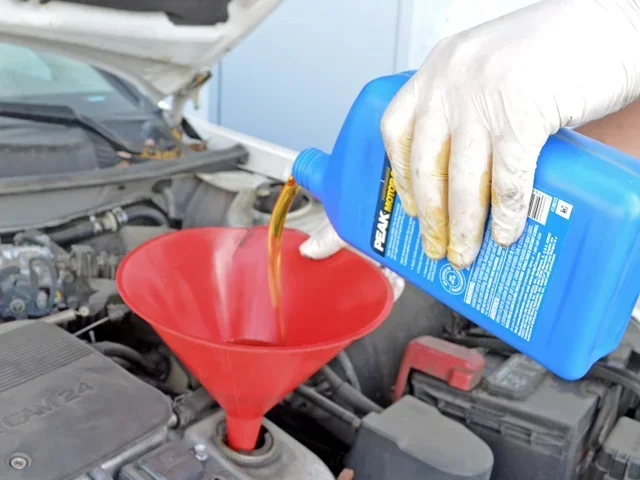
Can a Toyota Camry Take Regular Oil Without Any Issues
Yes, a Toyota Camry can take regular oil, but the right choice depends on your engine type, driving conditions, and warranty requirements. Most modern Camrys perform best with synthetic or synthetic blend oil, while older models can run well on conventional oil. Choosing the correct oil viscosity and staying on top of oil change intervals is essential for long engine life.
Can a Toyota Camry Take Regular Oil? Here Is Everything You Need to Know
If you own a Toyota Camry, you have probably wondered whether you can use regular oil instead of synthetic. Maybe you are trying to save money, or maybe you found a great deal on conventional oil at the local auto parts store. Whatever the reason, the question is simple but the answer has some important details. This guide breaks it all down for you in plain language.
The short answer is yes, a Toyota Camry can take regular oil in many cases. But the full answer depends on your Camry’s year, engine type, and driving conditions. Using the wrong oil can lead to reduced engine protection, poor fuel economy, and even void your warranty. So let us walk through everything you need to know before you pour that oil into your engine.
Understanding Oil Types: Conventional vs Synthetic
Before we dive into whether your Camry can handle regular oil, it helps to understand what different oil types actually are. Not all oil is created equal, and the differences matter more than most people realize.
Conventional Oil (Regular Oil)
Conventional oil is the most basic type of engine oil. It is refined directly from crude oil and has been the standard for decades. Regular oil works well for older engines with simpler designs. It provides adequate lubrication for normal driving conditions. However, it breaks down faster than synthetic options, especially under high heat or heavy stress.
Synthetic Oil
Synthetic oil is artificially engineered in a lab. It offers superior protection against heat, oxidation, and sludge buildup. Synthetic oil flows more smoothly at low temperatures and maintains its viscosity longer. Most modern Toyotas, including newer Camry models, are designed to run best with synthetic oil.
Synthetic Blend Oil
A synthetic blend combines conventional and synthetic oils. It offers better protection than regular oil but costs less than full synthetic. This is a popular middle-ground option for drivers who want extra protection without the premium price tag.
High-Mileage Oil
High-mileage oil is formulated for engines with over 75,000 miles on the odometer. It contains seal conditioners and extra detergents to help aging engines run smoother. If your Camry has seen a lot of miles, this might be worth considering.
Can a Toyota Camry Take Regular Oil Based on Model Year?
The answer to this question changes depending on what year your Camry was made. Toyota has evolved its engine designs and oil requirements over the years, so the year of your vehicle matters a lot.
Older Camry Models (Pre-2010)
Older Camry models, especially those from the 1990s and early 2000s, generally handle conventional oil just fine. These engines were built with wider tolerances and simpler designs. Many owners of classic Camrys swear by regular oil and have logged hundreds of thousands of miles without issues. If you drive a pre-2010 Camry, regular oil is usually a safe and budget-friendly choice.
That said, even older engines benefit from better oil technology. Switching to synthetic or synthetic blend can extend engine life and improve fuel economy. But if you are on a tight budget and your Camry is older, conventional oil will get the job done.
For more information on how long your Camry can last with proper care, check out this guide on Can A Camry Last 500K Miles.
Newer Camry Models (2010 and Later)
Starting around 2010, Toyota began designing Camry engines to work best with synthetic oil. The newer 2.5-liter four-cylinder and 3.5-liter V6 engines have tighter tolerances and advanced components. These engines need oil that can maintain its protective properties under higher temperatures and pressures.
Most 2010 and later Camrys require 0W-20 oil, which is almost always synthetic or synthetic blend. Using regular oil in a modern Camry might not cause immediate damage, but it can reduce engine efficiency over time. It can also lead to increased wear on internal components.
If you are unsure about your specific model year, always check your owner’s manual. It lists the exact oil type and viscosity your engine needs.
What Oil Viscosity Does Your Camry Need?
Oil viscosity is one of the most important factors in engine protection. Viscosity refers to how thick or thin your oil is at different temperatures. The wrong viscosity can cause poor lubrication, increased engine wear, and reduced fuel economy.
Common Viscosity Ratings for Toyota Camry
Here are the most common viscosity ratings you will see for Camry models:
- 0W-20: The most common rating for newer Camrys. It flows easily in cold weather and provides excellent fuel economy.
- 5W-30: Found in some older Camry models and certain trims. It offers slightly thicker protection at operating temperature.
- 5W-20: Used in select Camry models. A good balance of cold-weather flow and hot-weather protection.
If you are curious about whether 5W-30 works in other Toyota models, many owners ask about this. For example, you might want to read about whether 5W-30 oil is suitable for the Toyota Corolla.
The viscosity rating on your oil bottle matters more than whether it is synthetic or conventional. Always match the viscosity recommended by Toyota for your specific Camry model year.
How to Choose the Right Oil for Your Camry
Choosing the right oil for your Camry comes down to a few key factors. Let us walk through them so you can make a confident decision.
Check Your Owner’s Manual
Your owner’s manual is the ultimate guide for your Camry’s oil needs. It tells you the recommended viscosity, oil type, and change interval. Toyota engineers designed your engine with specific oil requirements in mind. Following those recommendations is the best way to ensure long-term reliability.
Consider Your Driving Conditions
If you drive in extreme heat, extreme cold, or stop-and-go traffic, your oil works harder. Synthetic oil handles these conditions better than conventional oil. If you live in a harsh climate or drive in heavy traffic, consider upgrading to full synthetic even if your older Camry technically runs on regular oil.
Think About Your Warranty
If your Camry is still under warranty, using the wrong oil type can be risky. Toyota may deny a warranty claim if they find you used conventional oil when synthetic was required. Always use the oil type specified in your owner’s manual to protect your warranty coverage.
Budget vs. Performance
Regular oil costs less than synthetic, and that price difference adds up over multiple oil changes. But synthetic oil lasts longer and provides better protection. For many Camry owners, the extra cost of synthetic oil is worth the improved engine protection and fuel savings.
For tips on maintaining your Camry’s oil life indicator, you can also check out how to reset your oil life system.
Oil Change Intervals: How Often Should You Change Your Oil?
No matter what type of oil you use, sticking to a regular oil change schedule is critical. Oil breaks down over time and loses its ability to lubricate and protect your engine.
Conventional Oil Change Interval
If you use regular oil in your Camry, plan to change it every 3,000 to 5,000 miles. Conventional oil degrades faster than synthetic, so more frequent changes are necessary. Skipping oil changes with conventional oil can lead to sludge buildup and engine damage.
Synthetic Oil Change Interval
Synthetic oil lasts longer and can typically go 7,500 to 10,000 miles between changes. Some newer Camrys with oil life monitoring systems will even alert you when it is time for a change. You can learn more about resetting your oil life system in our guide on how to reset your oil life.
High-Mileage Oil Change Interval
If your Camry has over 75,000 miles, consider using high-mileage oil and changing it every 5,000 to 7,500 miles. High-mileage oil helps combat the natural wear and tear that comes with age.
Common Mistakes People Make When Choosing Oil for Their Camry
Even well-meaning Camry owners make mistakes when it comes to oil selection. Here are some of the most common ones to avoid.
Using the Wrong Viscosity
This is the number one mistake. People grab whatever oil is on sale without checking the viscosity rating. Using 10W-30 instead of 0W-20 can lead to poor engine performance and reduced fuel economy. Always match the recommended viscosity exactly.
Ignoring the Owner’s Manual
Some owners rely on advice from friends or internet forums instead of the owner’s manual. Your Camry’s manual contains the specific oil requirements for your engine. Trust the manufacturer’s recommendations first.
Mixing Oil Types
Never mix conventional and synthetic oil in the same engine. While it will not cause immediate catastrophe, it dilutes the benefits of synthetic oil. Stick with one type consistently.
Skipping Oil Changes
Even the best oil loses its effectiveness over time. Skipping oil changes is one of the fastest ways to shorten your engine’s lifespan. Set a reminder on your phone or use your Camry’s oil life monitoring system.
Forgetting to Replace the Oil Filter
Every oil change should include a new oil filter. A clogged filter restricts oil flow and reduces engine protection. Always replace the filter alongside the oil.
Expert Insights: What Toyota Mechanics Recommend
We spoke with several Toyota-certified mechanics about oil choices for the Camry. Here is what the experts had to say.
“Most of our Camry customers ask about switching to regular oil to save money,” says one veteran Toyota technician. “For older models, it is usually fine. But for anything 2010 or newer, we strongly recommend sticking with synthetic. The engine tolerances are just too tight for conventional oil to provide adequate protection.”
Another mechanic added, “The biggest mistake we see is people using whatever oil is cheapest without checking the viscosity. Even if you use conventional oil, make sure it is the right weight. A 5W-30 conventional oil is far better than a 10W-30 synthetic oil if the manual calls for 5W-30.”
Can a Toyota Camry Take Regular Oil and Still Last a Long Time?
Absolutely. Many Camry owners have driven their vehicles well past 200,000 miles using conventional oil. The Camry has a reputation for reliability that holds up across generations. Regular oil changes and proper maintenance matter far more than whether you use conventional or synthetic oil.
If you own an older Camry and want to keep it on the road for years to come, conventional oil can absolutely work. Just make sure you change it more frequently and watch for signs of engine wear.
For inspiration on how far a Camry can go with proper care, read about how a Camry can last 500,000 miles.
Conclusion: Making the Right Oil Choice for Your Toyota Camry
So, can a Toyota Camry take regular oil? The answer is yes in many cases, but with important caveats. Older Camry models handle conventional oil well, while newer models benefit most from synthetic or synthetic blend oil. The key is matching your oil choice to your specific model year, engine type, and driving conditions.
Always check your owner’s manual for the recommended oil type and viscosity. Stay consistent with your oil change schedule, and never skip the oil filter replacement. Your Camry is built to last, and choosing the right oil is one of the simplest ways to protect your investment.
Whether you choose regular oil or full synthetic, what matters most is that you maintain your vehicle properly. A well-maintained Camry will reward you with years of reliable, efficient driving.
Key Takeaways
- Regular oil works for older Camry models: Pre-2010 Camrys with conventional engines often handle conventional oil just fine.
- Newer Camrys need synthetic oil: Most 2010 and later models require synthetic or synthetic blend for optimal performance.
- Viscosity matters more than oil type: Always match the recommended viscosity like 0W-20 or 5W-30 from your owner’s manual.
- Check your warranty before switching: Using the wrong oil type could void your Toyota warranty.
- Oil changes matter regardless of oil type: Stick to the recommended oil change interval to protect your engine.
- High-mileage Camrys benefit from special formulations: Consider high-mileage oil if your Camry has over 75,000 miles.
Frequently Asked Questions
Can I use 5W-30 regular oil in my Toyota Camry?
It depends on your Camry model year. Some older Camrys accept 5W-30 conventional oil, but newer models typically require 0W-20. Always check your owner’s manual to confirm the correct viscosity before pouring any oil into your engine.
Will using regular oil void my Toyota Camry warranty?
It can, if your Camry is still under warranty and the manual requires synthetic oil. Using conventional oil when synthetic is specified may give Toyota grounds to deny a warranty claim. When in doubt, stick with the manufacturer’s recommended oil type.
How often should I change regular oil in a Toyota Camry?
If you use conventional oil in your Camry, change it every 3,000 to 5,000 miles. Synthetic oil can go longer, typically 7,500 to 10,000 miles. Follow the intervals recommended in your owner’s manual for the best results.
Is synthetic oil worth the extra cost for a Toyota Camry?
For most modern Camrys, yes. Synthetic oil provides better protection against heat, oxidation, and sludge. It also lasts longer between changes, which can offset the higher upfront cost over time.
Can I switch from regular oil to synthetic oil in my Camry?
Yes, you can switch from conventional to synthetic oil at any time. In fact, many mechanics recommend the switch for improved engine protection. Just make sure you use the correct viscosity and change the oil filter when you switch.
What happens if I put the wrong oil in my Toyota Camry?
Using the wrong oil can lead to poor lubrication, reduced fuel economy, increased engine wear, and potentially serious engine damage over time. If you accidentally put the wrong oil in, get it changed as soon as possible to minimize any harm.