How Do I Know If My Key Battery Is Low Warning Signs
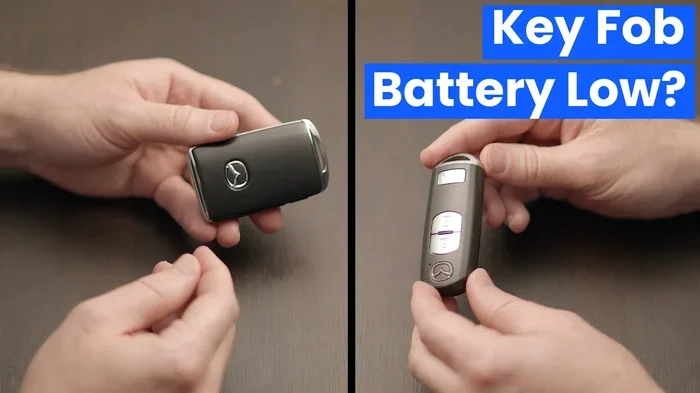
Your key fob gives clear warning signs before it dies completely. You will notice reduced range, intermittent signal loss, and difficulty starting your car. This guide covers every warning sign, troubleshooting step, and fix so you can replace your key battery confidently and avoid getting locked out.
Have you ever stood in your driveway, pressing the key fob button over and over, wondering why your car just will not unlock? It is frustrating, and it always seems to happen at the worst possible moment. The most common reason behind this problem is a low key fob battery. Understanding the warning signs early can save you from an unexpected lockout and a stressful morning.
Your car key fob relies on a small coin-cell battery to send signals to your vehicle. Over time, that battery loses power. When it does, you will notice subtle changes in how your key fob behaves. These changes are your clues. Once you learn to read them, you can replace the battery before it completely dies. This article walks you through every warning sign, every troubleshooting step, and every fix you need to know.
Whether you drive a Toyota, Honda, Ford, or any other brand, the principles are the same. A weak key fob battery shows itself in predictable ways. The key is knowing what to look for. Let us dive into the signs that tell you your key battery is running low.
Key Takeaways
- Reduced Range Is the First Sign: If you need to be within a few feet of your car for the key fob to work, your battery is likely low.
- Warning Lights on the Dashboard: Many vehicles display a key fob or battery icon when the signal is weak. Pay attention to these alerts.
- Intermittent Functionality: A dying battery causes inconsistent behavior, like the remote working sometimes and not others.
- Push Button Start May Fail: A weak key fob battery can prevent your car from recognizing the fob, leaving you unable to start the engine.
- Replacement Is Simple and Cheap: Most key fob batteries cost under $5 and take just minutes to swap out.
- Reprogramming May Be Needed: After replacing the battery, some vehicles require a simple reset or reprogramming step.
📑 Table of Contents
- What Happens When Your Key Fob Battery Gets Low
- How a Low Key Battery Affects Starting Your Car
- Other Warning Signs You Should Not Ignore
- What Type of Battery Does Your Key Fob Use
- How to Replace Your Key Fob Battery
- Can a Bad Key Fob Drain Your Car Battery
- Cold Weather and Key Fob Battery Problems
- When to Replace the Key Fob Instead of Just the Battery
- How to Avoid Getting Locked Out
- Key Takeaways
What Happens When Your Key Fob Battery Gets Low
A key fob is a small remote control for your car. It sends radio signals to let your car know you are nearby. When the battery weakens, those signals get weaker too. Your car has a harder time picking up the message. This leads to a range of annoying symptoms that most people ignore until they become a real problem.
The good news is that your car does not just shut down one day with no warning. It gives you time to react. The key is paying attention to the small things. If you notice any of the signs below, it is time to check your battery.
Reduced Range From the Key Fob
This is the number one warning sign. When your key fob battery was fresh, you could unlock your car from 30 or 40 feet away. Now you have to stand right next to the door. If you find yourself walking closer and closer to your car before pressing the button, your battery is losing power. This is often the very first clue that something is off.
Think about it this way. A strong battery sends a powerful signal that reaches your car easily. A weak battery sends a faint signal that barely gets there. You may even notice that the key fob range reduced in cold weather more than usual. Cold temperatures already weaken battery performance, and a fading fob battery makes it worse.
Intermittent or Unreliable Signal
A healthy key fob works every single time. You press the button, and the car responds. When the battery is low, you get inconsistent results. Sometimes it works from across the parking lot. Other times, you have to press the button five times while standing right next to the car. This unpredictable behavior is a classic sign of a failing key fob battery.
If you find yourself pressing the button repeatedly, that is a red flag. Do not ignore it. The more consistently this happens, the closer you are to a dead battery.
Dashboard Warning Lights Appear
Many modern vehicles have a dashboard indicator that lights up when the key fob battery is low. It might show a key icon, a battery symbol, or a message like “Key Fob Battery Low.” If you see this warning, do not wait. Replace the battery as soon as you can. Ignoring it could leave you stranded.
Some cars are smarter than others about alerting you. Toyota models often display a message on the instrument cluster. Ford vehicles may show a warning in the information display. Check your owner manual to learn what your specific car does. The dashboard warning light is one of the clearest signs that your fob needs attention.
How a Low Key Battery Affects Starting Your Car
A low key fob battery does more than just make unlocking difficult. It can also prevent you from starting your car. This is especially true for vehicles with push-button start systems. These systems rely on the key fob to confirm your presence before allowing the engine to start.
Push Button Start Not Working
If you press the start button and nothing happens, a weak key fob battery could be the cause. The car does not detect the fob nearby, so it refuses to start. This can be confusing, especially if your dashboard lights come on but the engine does not turn over. You might even think your car has a bigger problem than it does.
Here is a quick test. Take your key fob and press it right against the start button or the designated backup start area. Many cars have a backup reader built into the steering column or center console. If the car starts this way, your fob battery is almost certainly low. This trick can save you a lot of worry and an unnecessary trip to the mechanic.
If you drive a Toyota with a push-button start, this issue comes up frequently. The car simply does not recognize the fob from a distance when the battery is weak. Replacing the battery fixes this almost every time.
Remote Start Stops Working
Do you use your key fob to remote start your car on cold mornings? A low battery will kill this feature first. You might notice that the remote start worked fine last week but now fails completely. This is because remote start requires a strong signal to reach your car from a greater distance. When the battery weakens, that distance shrinks to zero.
If your remote start suddenly stops working, check the fob battery before you assume something is wrong with the car itself. It is a simple fix that costs almost nothing.
Other Warning Signs You Should Not Ignore
Beyond range and starting issues, there are other subtle signs that your key fob battery is dying. Being aware of these helps you catch the problem early.
The Key Fob Buttons Feel Different
When you press a button on your fob, does it feel mushy or unresponsive? A low battery can change the way the buttons feel. They may not click as firmly as they used to. This is not always obvious, but if you compare how the fob feels now versus when the battery was new, you might notice a difference.
The Car Does Not Lock or Unlock Properly
Sometimes a weak fob battery causes partial functionality. Your car might unlock the doors but not the trunk. Or it locks but does not arm the alarm. These partial failures happen because the signal strength is just barely enough for some functions but not others.
You Hear Fewer Beeps or Chimes
Many cars beep or chirp when you lock or unlock them with the fob. If those sounds get quieter or stop altogether, the fob battery may be to blame. The fob is not sending a strong enough signal to trigger the confirmation sound from the car.
Your Car Has Trouble Recognizing the Fob After Sitting Idle
If you leave your car parked for a few days and then have trouble getting it to recognize the fob, the battery could be low. A weak battery struggles to maintain enough charge to send a strong signal after a period of inactivity. If you notice this pattern, do not wait. Replace the battery now.
What Type of Battery Does Your Key Fob Use
Most car key fobs use a small coin-cell battery. The most common type is the CR2032 battery. It is the same kind used in watches, garage door openers, and other small remote devices. These batteries are inexpensive and easy to find at any grocery store, pharmacy, or auto parts store.
Some newer fobs use different battery types, so always check your owner manual before purchasing a replacement. Using the wrong battery can damage the fob or not fit properly. The key fob battery type is usually printed on the old battery itself once you open the fob.
Here are the most common batteries used in car key fobs:
- CR2032: The most common. Used in Toyota, Honda, Ford, Chevrolet, and many others.
- CR2025: Slightly thinner than the CR2032. Found in some BMW and Mercedes models.
- CR1632: Used in select luxury and older vehicle models.
- SR44: Found in some older European car key fobs.
Buying a pack of CR2032 batteries is a smart move. They cost just a few dollars, and having one on hand means you are always ready when the next battery dies.
How to Replace Your Key Fob Battery
Replacing a key fob battery is one of the easiest car maintenance tasks you can do. You do not need any special tools or mechanical skills. Most fobs open with a small flathead screwdriver or by pressing a release button. Once open, you simply swap the old battery for a new one.
Here is a simple step-by-step process:
- Find the small seam or slot on your key fob.
- Use a flathead screwdriver or a coin to gently pry it open.
- Note the position of the old battery before removing it.
- Remove the old battery carefully.
- Insert the new battery, matching the positive and negative sides.
- Snap the fob back together.
- Test all buttons to make sure everything works.
If you have never done this before, Can You Replace A Car Key Fob Battery Yourself? The answer is almost always yes. It takes less than five minutes and saves you a trip to the dealership.
Do You Need to Reprogram the Key Fob After Replacing the Battery
In most cases, replacing the battery does not require reprogramming. The fob should work immediately after the swap. However, some vehicles do need a simple reset procedure. For example, you might need to insert the fob into a specific slot and turn the ignition on and off a couple of times.
After replacing your key fob battery, Do You Have To Do Anything After Replacing A Key Fob Battery? Usually no, but it is worth checking your owner manual just in case. A quick reset ensures everything works smoothly and eliminates any lingering signal issues.
Can a Bad Key Fob Drain Your Car Battery
Yes, a faulty or weak key fob can actually drain your car battery over time. When the fob battery is dying, it may continuously send a weak signal that the car tries to pick up. This constant searching drains energy from your car battery. If you notice your car battery is dying more often than it should, the key fob might be the hidden culprit.
If you are dealing with a car battery that keeps going dead, it is worth checking the key fob battery as well. Can A Bad Key Fob Drain Your Car Battery? Absolutely. A weak fob battery creates a parasitic draw that slowly wears down your car battery, especially if the fob is left near the car overnight.
To prevent this, keep your fob away from the car when you are not using it. Do not leave it on the counter right next to the ignition or on the dashboard overnight. A little distance goes a long way in protecting your car battery.
Cold Weather and Key Fob Battery Problems
Cold weather makes everything worse for batteries. If your key fob battery is already weak, cold temperatures will make the symptoms appear faster and more severely. You might notice that the fob works fine indoors but fails completely once you step outside in winter.
This happens because cold temperatures reduce the battery’s ability to deliver power. A battery that was barely getting by in summer will fail entirely in winter. If you live in a cold climate, keep an extra fob battery in your glove box during the winter months. It is a small precaution that saves a lot of hassle.
Also, if you ever experience car won t start in cold weather but battery is good, a weak key fob battery is one possible cause. The car cannot read the fob signal properly in the cold, and the push-button start system refuses to engage.
When to Replace the Key Fob Instead of Just the Battery
Replacing the battery fixes most key fob problems. But sometimes the fob itself is the issue. If you have replaced the battery and the fob still does not work, the problem may be deeper. Water damage, internal circuit damage, or worn-out electronics can all cause fob failure.
Signs that you need a new fob instead of just a battery include:
- The fob physically broke or cracked.
- Buttons are worn out and do not make proper contact.
- The fob got wet and stopped working entirely.
- Replacing the battery did not solve the problem at all.
- The fob is more than five years old and has never had the battery replaced.
In these cases, you may need to purchase a replacement fob. Dealerships can program a new fob for you. Some aftermarket fobs are available online at a lower cost, though they may require professional programming. If you are wondering do dealerships replace key fobs, the answer is yes. Most dealerships offer fob replacement and programming services for a reasonable fee.
How to Avoid Getting Locked Out
The best way to avoid the stress of a dead key fob battery is to stay ahead of the problem. Follow these simple tips to keep your fob working reliably:
- Replace the battery every 1 to 2 years: Do not wait for symptoms to appear. Proactive replacement keeps you ahead of the problem.
- Keep a spare battery in your car: A spare CR2032 in the glove box means you are always prepared.
- Pay attention to warning signs: Reduced range and intermittent function are your early signals. Act on them quickly.
- Store your fob properly: Keep it away from other electronic devices that might interfere with the signal. Do not drop it or expose it to moisture.
- Know your backup start method: Every car with push-button start has a backup way to start the engine. Learn where it is before you need it.
Key Takeaways
Your key fob battery gives you plenty of warning before it dies completely. Reduced range, intermittent signal, dashboard warnings, and difficulty starting the car are all clear signs. The fix is almost always simple, cheap, and something you can do in minutes at home. Do not wait until you are standing outside your car in the rain, unable to get in. Replace your key fob battery at the first sign of trouble and keep a spare on hand.
A little attention to this small component saves you from big headaches. Your key fob is the bridge between you and your car. Keep that bridge strong, and your daily driving experience stays smooth and stress-free.
Frequently Asked Questions
How do I know if my key fob battery is low?
The most common signs are reduced range, intermittent button responses, and a dashboard warning light. If you have to stand very close to your car for the fob to work, the battery is almost certainly low. Other signs include the push-button start not recognizing the fob and the remote start feature failing.
What type of battery does a car key fob use?
Most car key fobs use a CR2032 coin-cell battery. Some models use CR2025 or CR1632 batteries. Check your owner manual or look at the old battery to confirm the correct type. These batteries are widely available and cost just a few dollars.
Can I drive my car with a low key fob battery?
Yes, in most cases you can still drive your car with a low key fob battery. However, you may have trouble starting the engine with push-button start systems. Most vehicles have a backup start method, such as placing the fob against a specific spot on the steering column or center console.
How often should I replace my key fob battery?
Most key fob batteries last between one and two years. If you use your fob frequently, the battery may drain faster. Replacing the battery proactively every 12 to 18 months helps prevent unexpected failures and keeps your fob working reliably.
Does a low key fob battery drain the car battery?
Yes, a weak key fob battery can drain your car battery over time. A dying fob may continuously send weak signals that the car tries to detect, creating a small but constant power drain. Keeping your fob battery fresh helps protect your car battery from unnecessary wear.
What should I do if replacing the key fob battery does not fix the problem?
If a new battery does not restore function, the fob itself may be damaged. Water exposure, physical damage, or internal circuit failure can cause permanent fob failure. In this case, you may need a replacement fob. Check if your vehicle is still under warranty, or visit a dealership or locksmith for assistance with programming a new fob.