How Do I Know When My Corolla Needs an Oil Change
Knowing when your Corolla needs an oil change is essential for engine health and longevity. You can spot the warning signs through dashboard lights, unusual engine noises, and changes in oil color or texture. This guide walks you through every indicator and gives you a clear maintenance schedule to follow.
Your Toyota Corolla is one of the most reliable cars on the road. But even the best vehicles need regular care to keep running smoothly. One of the simplest yet most important maintenance tasks is changing the engine oil. Fresh oil keeps your engine cool, clean, and lubricated. Old oil breaks down and can cause serious damage over time.
So how do you know when it is time? Many Corolla owners are unsure about the exact timing and signs. This guide covers every signal your car gives you. You will learn about dashboard lights, oil color, engine sounds, and mileage intervals. By the end, you will know exactly what to look for and when to act.
Staying on top of your oil change schedule protects your engine and saves you money in the long run. Let us walk through it together.
Key Takeaways
- Dashboard Warning Lights: The oil change light and check engine light are your first clues that service is needed.
- Oil Color and Texture: Fresh oil is amber; dark, gritty oil means it is time for a change.
- Mileage Matters: Most Toyota Corollas need an oil change every 5,000 to 10,000 miles depending on the oil type.
- Engine Noises: Knocking or ticking sounds often signal low or degraded oil.
- Oil Life Monitor: Your Corolla has a built-in system that tracks driving conditions and tells you when to service.
- DIY or Dealer: You can change your oil at home or visit a Toyota dealer for professional service.
📑 Table of Contents
- Why Oil Changes Matter for Your Toyota Corolla
- Signs Your Corolla Needs an Oil Change
- Oil Change Intervals for Toyota Corolla
- How to Check Your Oil Level and Condition
- Choosing the Right Oil for Your Corolla
- DIY Oil Change vs. Professional Service
- How to Tell if It Is Time for Your Next Oil Change
- Common Oil Change Mistakes to Avoid
- How Oil Changes Affect Your Corolla’s Longevity
- When to See a Professional
- Final Thoughts
Why Oil Changes Matter for Your Toyota Corolla
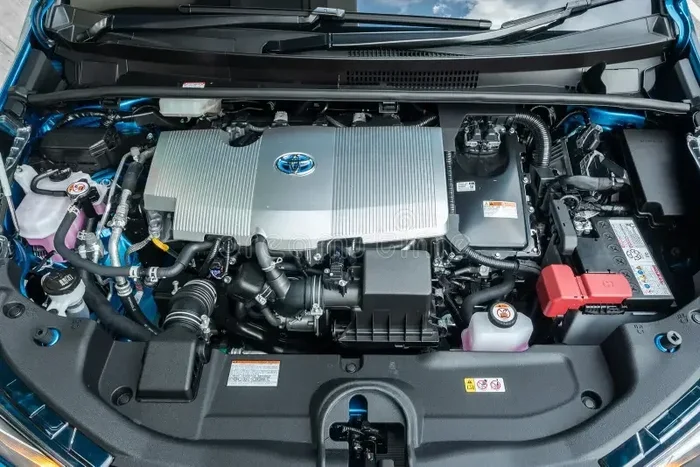
Engine oil is the lifeblood of your car. It reduces friction between moving parts, prevents overheating, and carries away debris. Over time, oil loses its ability to do these jobs effectively. Dirt and metal particles build up. The oil becomes less slippery and more like sludge.
Skipping oil changes is one of the fastest ways to ruin an engine. Toyota designs the Corolla to run best with clean oil at the right intervals. When you follow the recommended oil change interval, you are investing in your car’s future.
What Happens If You Skip an Oil Change?
Here is what can go wrong when you put off an oil change:
- Engine Overheating: Old oil cannot absorb heat properly. Your engine runs hotter than it should.
- Increased Wear: Metal parts grind against each other without proper lubrication.
- Sludge Buildup: Contaminated oil turns into sticky sludge that clogs passages.
- Reduced Fuel Economy: A poorly lubricated engine works harder and uses more gas.
- Costly Repairs: Engine damage from neglected oil changes can cost thousands of dollars.
The good news is that preventing all of this is simple. A routine oil change takes less than an hour and costs far less than engine repairs. If you have ever wondered does maintenance service include an oil change, the answer is usually yes at Toyota dealerships.
Signs Your Corolla Needs an Oil Change
Your Toyota Corolla gives you several clear signals when the oil needs attention. Learning these signs helps you catch problems early. Here are the most common indicators that it is time for a change.
1. Dashboard Warning Lights
The easiest way to know something is wrong is through your dashboard. Toyota Corollas come equipped with warning lights that alert you to oil issues.
- Oil Change Reminder Light: This looks like a small oil can symbol. It illuminates when your car’s system determines service is due.
- Check Engine Light: While this light can mean many things, low oil pressure is one cause.
- Oil Pressure Warning Light: This red light shaped like an oil can means your oil pressure is dangerously low. Pull over safely and check your oil immediately.
If any of these lights come on, do not ignore them. Check your oil level right away. You can learn how to do this in our guide on how to check the oil level in your oil tank. It is a quick and easy process anyone can do.
2. Dark or Dirty Oil
Fresh oil is a clear amber color. As it circulates through your engine, it picks up dirt, carbon, and metal particles. Over time, the oil turns dark brown or black. You can check your oil yourself using the dipstick.
Here is what to look for:
- Gritty Texture: Rub a drop of oil between your fingers. If it feels rough or gritty, contaminants have built up.
- Very Dark Color: Black oil has lost much of its lubricating ability.
- Milky Appearance: Milky or frothy oil may indicate a coolant leak, which is a serious problem.
If your oil looks dark and dirty, it is definitely time for a change. Clean oil keeps your engine internals protected and running efficiently.
3. Unusual Engine Noises
Oil cushions the metal parts inside your engine. When oil levels drop or the oil degrades, those parts start touching. This creates sounds you should not ignore.
- Knocking Sounds: A rhythmic knocking from the engine bay often means insufficient oil lubrication.
- Ticking Noise: A ticking sound when you start the car can indicate low oil pressure.
- Rattling: Rattling at idle may signal that old oil is no longer providing proper cushioning.
If you hear any of these sounds, check your oil level and condition right away. Continuing to drive on low oil can cause permanent engine damage.
4. Decreased Fuel Efficiency
Have you noticed you are visiting the gas station more often? Old or low oil makes your engine work harder. This means it burns more fuel than it needs to.
If your fuel economy drops without any other explanation, consider checking your oil. A simple oil change can sometimes restore your fuel efficiency to normal levels. This is one of those benefits that many Corolla owners overlook.
5. Exhaust Smoke
Your tailpipe can tell you a lot about your engine’s health. While some vapor in cold weather is normal, certain types of smoke are not.
- Blue Smoke: This often means oil is burning inside the engine. It can signal worn seals or too much oil.
- Black Smoke: This usually points to a fuel or air mixture problem, but degraded oil can contribute.
- White Smoke: This may indicate coolant burning, which is a different but equally serious issue.
Any unusual exhaust smoke deserves your attention. Schedule a check-up to identify the root cause.
Oil Change Intervals for Toyota Corolla
How often should you actually change your oil? The answer depends on several factors including your driving habits and the type of oil you use.
Manufacturer Recommendations
Toyota provides specific guidelines for the Corolla. Here is a general breakdown:
- Conventional Oil: Change every 5,000 miles or 6 months, whichever comes first.
- Synthetic Blend Oil: Change every 7,500 miles or 6 months.
- Full Synthetic Oil: Change every 10,000 miles or 12 months.
Always check your owner’s manual for the exact recommendation for your specific Corolla model year. The manual is your best resource for Toyota maintenance schedule details.
Factors That Shorten Oil Change Intervals
Some driving conditions cause oil to degrade faster. You may need to change your oil more often if you:
- Drive in stop-and-go city traffic frequently
- Tow heavy loads or trailers
- Drive in extreme heat or cold temperatures
- Take frequent short trips under five miles
- Drive on dusty or gravel roads
These conditions are called “severe driving” by Toyota. If any of them describe your daily routine, consider shortening your oil change interval. Staying proactive keeps your engine in excellent shape.
Mileage-Based vs. Time-Based Changes
Some drivers think they only need an oil change based on miles driven. But time matters too. Oil absorbs moisture from the air even when the car sits. Over months, this moisture contaminates the oil. That is why most manufacturers recommend changing oil at least once a year, even if you have not hit the mileage mark.
How to Check Your Oil Level and Condition
Checking your oil is one of the simplest maintenance tasks you can do at home. It takes just a few minutes and gives you valuable insight into your engine’s health.
Step-by-Step Oil Check
- Park your Corolla on a level surface and turn off the engine.
- Wait a few minutes for the oil to settle back into the oil pan.
- Open the hood and locate the dipstick. If you are unsure how to access the engine bay, check out our guide on how to open an exterior bonnet.
- Pull out the dipstick and wipe it clean with a rag or paper towel.
- Reinsert the dipstick fully, then pull it out again.
- Look at the oil level against the markings on the stick. It should fall between the minimum and maximum lines.
- Check the oil color and texture on the dipstick.
If the level is low, top it off with the recommended oil type. For Corolla owners wondering about the right oil, can I use 5W 30 oil in a Toyota Corolla is a common question. The answer depends on your model year, so always check your owner’s manual or speak with a Toyota dealer.
How to Reset Your Oil Life Monitor
After you change your oil, you should reset the oil life monitor in your Corolla. This system tracks your driving patterns and tells you when the next service is due. Resetting it ensures accurate readings going forward.
If you are not sure how to do this, our article on how to reset my oil life walks you through the process step by step for various Toyota models.
Choosing the Right Oil for Your Corolla
Not all engine oil is the same. Choosing the right type for your Corolla makes a big difference in performance and protection.
Conventional vs. Synthetic Oil
Here is a quick comparison to help you decide:
- Conventional Oil: Affordable and suitable for older models or low-mileage drivers. It needs to be changed more frequently.
- Synthetic Blend Oil: A mix of conventional and synthetic. Offers better protection than conventional at a moderate price.
- Full Synthetic Oil: The best protection and longest intervals. Ideal for modern Corollas and drivers who want maximum engine care.
Most newer Toyota Corollas perform well with full synthetic oil. It flows better in cold weather and handles high temperatures more effectively. If you are still running conventional oil, consider upgrading to synthetic for better engine protection.
Viscosity Ratings Explained
You have probably seen numbers like 0W-20 or 5W-30 on oil bottles. These numbers describe the oil’s viscosity, or thickness, at different temperatures.
- The First Number (0W, 5W): Measures how the oil flows in cold temperatures. Lower numbers mean better cold-start performance.
- The Second Number (20, 30): Measures thickness at operating temperature. Higher numbers provide a thicker film at high heat.
Toyota recommends specific viscosity ratings for each Corolla model. Using the wrong oil can affect performance and potentially void your warranty. Always double-check what your engine needs.
DIY Oil Change vs. Professional Service
Some Corolla owners prefer to change their own oil. Others would rather leave it to the professionals. Both approaches have their advantages.
Benefits of DIY Oil Changes
- Cost Savings: You pay only for the oil and filter, not for labor.
- Convenience: You can do it on your own schedule.
- Learning Experience: You get to know your car better.
- Flexibility: Use any oil brand or type you prefer.
Benefits of Professional Service
- Expert Inspection: Technicians check for other issues while they are under the hood.
- Warranty Protection: Service at a Toyota dealer keeps your warranty intact.
- Time Savings: No waiting, no cleanup, no hassle.
- Proper Disposal: The shop handles used oil recycling for you.
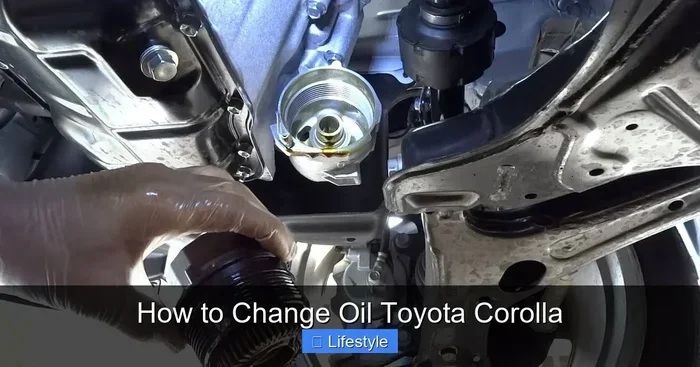
If you do choose the DIY route, make sure you have the right tools and dispose of your old oil responsibly. Many auto parts stores accept used oil for recycling at no charge.
For those who prefer professional service, you might wonder whether you can take your Toyota to any dealer. The answer is yes. Learn more in our article on can I take my Toyota to any dealer for service.
How to Tell if It Is Time for Your Next Oil Change
Even if no warning lights are on, it is smart to stay on a regular schedule. Here is a simple checklist you can follow every month:
- Check your oil level with the dipstick.
- Note the oil color and texture.
- Record your current mileage.
- Compare your mileage to the recommended change interval.
- Check the date since your last oil change.
- Listen for any unusual engine sounds during your next drive.
- Monitor your fuel economy for any unexplained drops.
Staying consistent with this checklist helps you catch oil problems before they become expensive repairs. Prevention is always easier and cheaper than fixing a damaged engine.
Common Oil Change Mistakes to Avoid
Even well-meaning car owners sometimes make mistakes with their oil changes. Here are the most common ones and how to avoid them.
Waiting Too Long Between Changes
It is tempting to push an oil change a few hundred miles past the recommended interval. But every mile you go over, your oil degrades further. Set a reminder on your phone or calendar when your next change is due.
Using the Wrong Oil Type
Not all oil is created equal. Using the wrong viscosity or formulation can lead to poor engine performance. Always use the oil type specified in your Corolla’s owner manual.
Forgetting to Replace the Oil Filter
The oil filter catches contaminants and debris. When you change your oil, the filter should always be replaced too. A clogged filter restricts oil flow and reduces protection.
Overfilling or Underfilling
Too much oil can cause foaming and pressure problems. Too little oil means inadequate lubrication. Always aim for the correct level on the dipstick.
How Oil Changes Affect Your Corolla’s Longevity
Regular oil changes are one of the simplest ways to extend the life of your Toyota Corolla. Many Corollas have been known to surpass 200,000 miles with proper maintenance. Oil changes play a huge role in that longevity.
Clean oil keeps internal components running smoothly. It prevents the buildup of harmful deposits. It maintains proper engine temperature. All of these factors add up over hundreds of thousands of miles.
Think of your oil change as a small investment with a big payoff. A few dollars and thirty minutes of your time can add years to your car’s life. That is a return on investment that is hard to beat.
When to See a Professional
While basic oil checks and changes are manageable at home, some situations call for a professional touch. Visit a Toyota dealership or trusted mechanic if you notice:
- Persistent dashboard warning lights that do not go away after an oil change
- Unusual engine noises that continue even after topping off oil
- Excessive blue or black exhaust smoke
- Oil leaks under your car
- Oil that appears milky or contaminated with coolant
These symptoms could indicate problems beyond a simple oil change. A professional can diagnose the issue and recommend the right fix before it becomes a bigger problem.
Final Thoughts
Your Toyota Corolla is built to last, but it needs your help to stay in top shape. Regular oil changes are the foundation of that care. Now you know all the signs to watch for, from dashboard lights and unusual noises to dark oil and decreased fuel economy.
Stay proactive about your Corolla’s oil change schedule and your engine will reward you with years of reliable performance. Whether you handle the job yourself or visit a professional, the most important thing is that you do not skip it. Your car is counting on you.
Keep this guide handy for your next maintenance check. Share it with fellow Corolla owners who might benefit from it. A little attention today saves a lot of trouble tomorrow.
Frequently Asked Questions
How often should I change the oil in my Toyota Corolla?
Most Toyota Corollas need an oil change every 5,000 to 10,000 miles depending on the type of oil you use. Check your owner’s manual for the exact recommendation for your model year and driving conditions.
Can I use 5W-30 oil in my Toyota Corolla?
Many Toyota Corolla models accept 5W-30 oil, but the exact recommendation varies by model year. Always consult your owner’s manual or check with a Toyota dealer to confirm the correct viscosity for your specific vehicle.
What happens if I wait too long for an oil change?
Waiting too long allows the oil to degrade and lose its lubricating properties. This can lead to increased engine wear, overheating, sludge buildup, and eventually costly engine repairs. Stay on top of your oil change schedule to avoid these problems.
How do I reset the oil life monitor on my Corolla?
The reset process varies by model year but is usually done through the steering wheel controls or the instrument panel menu. You can also follow our detailed guide on how to reset your oil life monitor for step-by-step instructions.
Is it better to change oil myself or go to a dealer?
Both options have benefits. DIY oil changes save you money on labor costs and give you control over the oil type. Professional service at a Toyota dealer ensures proper disposal, a multi-point inspection, and warranty protection. Choose the option that fits your comfort level and budget.
Does maintenance service include an oil change?
Yes, most Toyota maintenance service packages include an oil change along with other routine inspections. When you schedule service at a Toyota dealership, the oil change is typically part of the standard maintenance plan. Confirm the details when booking your appointment.