How Does a Toyota Prius Hybrid Work and Why It Matters
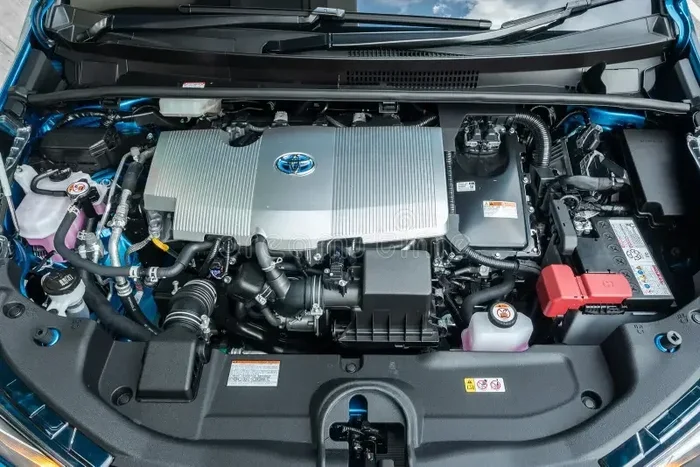
The Toyota Prius hybrid uses a clever combination of a gasoline engine, electric motor, and battery pack to deliver outstanding fuel efficiency. This system, known as Toyota Hybrid Synergy Drive, seamlessly switches between power sources to save fuel and reduce emissions. Understanding how a Toyota Prius hybrid works helps owners appreciate the technology and maintain their vehicles better.
The Toyota Prius has been a game-changer in the automotive world for decades. But how does a Toyota Prius hybrid work, really? It is not magic, even though it can feel that way when you watch the fuel gauge barely move. The Prius uses a sophisticated hybrid powertrain that blends a gasoline engine with an electric motor. Together, they deliver power when you need it and save fuel when you do not. This article breaks down every major component and explains how they work together.
Whether you already own a Prius or are considering buying one, understanding the hybrid system helps you make smarter decisions. You will learn about the electric motor, the battery pack, regenerative braking, and more. We will also cover common questions owners have about their hybrid vehicles. Let us dive into the fascinating world of Toyota hybrid technology.
Key Takeaways
- Dual Power Sources: The Prius combines a gasoline engine and electric motor for efficient driving.
- Regenerative Braking: This system captures energy during braking to recharge the hybrid battery.
- EV Mode Capability: The Prius can drive on electric power alone at low speeds.
- Toyota Hybrid Synergy Drive: This unique powertrain technology sets the Prius apart from other hybrid vehicles.
- Fuel Savings Are Real: Hybrid owners can save significantly on fuel costs over time.
- Maintenance Matters: Proper care keeps the hybrid system running smoothly for years.
📑 Table of Contents
- The Heart of the System: The Hybrid Powertrain
- How the Hybrid Battery Works
- Regenerative Braking: Turning Stops Into Energy
- Driving Modes and How They Affect Performance
- Fuel Efficiency: Why the Prius Saves You Money
- Common Questions About the Prius Hybrid System
- Maintenance Tips for Prius Owners
- Why the Toyota Prius Hybrid Matters
- Conclusion
The Heart of the System: The Hybrid Powertrain
At the core of every Prius lies the hybrid powertrain. This is the system that makes everything work. Unlike a traditional car that relies solely on a gasoline engine, the Prius uses two power sources. The result is a vehicle that sips fuel instead of guzzling it. The Toyota Hybrid Synergy Drive is the name Toyota gives to this integrated system.
The Gasoline Engine
The Prius uses a small, efficient gasoline engine. It is not a powerhouse. Instead, it is designed for economy. The engine runs on regular unleaded fuel and kicks in when extra power is needed. During cruising or highway driving, the gasoline engine handles most of the work. It also charges the hybrid battery when needed. This is called charge sustaining.
The Electric Motor
The electric motor is just as important. It provides instant torque, which means quick acceleration from a stop. At low speeds, the electric motor often does all the work. This is why the Prius can operate in EV mode in certain conditions. The electric motor also acts as a generator during regenerative braking, converting motion back into electricity.
The Power Split Device
Here is where things get clever. The Prius uses a planetary gear set called the power split device. This gadget splits power between the gasoline engine and the electric motor. It ensures the right amount of power goes to the wheels at any given moment. The power split device is what makes the Prius feel so seamless. You barely notice when the system switches between sources.
How the Hybrid Battery Works
The hybrid battery is the energy storage unit for the electric motor. It stores electricity generated during driving. Without it, the Prius would not be able to use electric-only power. The battery pack in modern Prius models is a nickel-metal hydride or lithium-ion type, depending on the model year.
Battery Placement and Safety
Toyota places the hybrid battery pack in a safe location, usually under the rear seat or trunk area. This placement protects the battery in a collision. The battery is also sealed and well-ventilated to prevent overheating. Toyota has engineered the battery to last the lifetime of the vehicle in most cases.
Maintaining the Hybrid Battery
Taking care of the hybrid battery is straightforward. Avoid letting the vehicle sit unused for extremely long periods. If you need to jump-start your Prius, make sure you follow the correct procedure. Jump starting a Toyota hybrid battery requires a specific process because of the high-voltage system. Always consult your owner manual first.
Regenerative Braking: Turning Stops Into Energy
One of the most brilliant features of the Prius is regenerative braking. Traditional cars waste energy as heat when you hit the brakes. The Prius does not waste that energy. Instead, it captures it.
When you lift your foot off the accelerator or press the brake pedal lightly, the electric motor reverses its role. It becomes a generator. This generator converts the kinetic energy of the moving car back into electricity. That electricity then recharges the hybrid battery. It is a brilliant cycle that improves overall fuel efficiency.
Over time, regenerative braking also reduces wear on your traditional brake pads. Because the electric motor handles much of the slowing down, your brake pads last longer. This saves you money on maintenance. If you notice your Prius is not holding a charge as well as it used to, it might be time to inspect the hybrid battery system.
Driving Modes and How They Affect Performance
The Prius offers several driving modes that change how the hybrid system operates. Understanding these modes helps you get the most out of your vehicle.
EV Mode
In EV mode, the Prius runs entirely on electric power. This mode works best at low speeds and short distances. You might use EV mode in a parking lot or during slow city driving. It produces zero tailpipe emissions, making it great for indoor parking garages or residential areas. However, EV mode has limits. The battery will only sustain electric driving for a short time before the gasoline engine takes over.
ECO Mode
ECO mode optimizes the hybrid system for maximum fuel economy. It softens the throttle response and adjusts the air conditioning to use less energy. This mode is perfect for highway cruising or long commutes. If fuel savings matter to you, ECO mode should be your go-to setting.
Power Mode
Power mode gives you a more responsive driving experience. The gasoline engine and electric motor work together to deliver extra acceleration. This mode uses more fuel, but it is great for merging onto highways or passing slow-moving traffic. Use it when you need the extra boost.
Fuel Efficiency: Why the Prius Saves You Money
The main reason most people buy a Prius is fuel efficiency. The hybrid system is designed to use less gasoline than a conventional car. The exact mileage depends on driving habits, road conditions, and the model year. But the Prius consistently ranks among the most efficient cars on the road.
City driving is where the Prius shines the most. Stop-and-go traffic is actually ideal for a hybrid. The electric motor handles low-speed driving, and regenerative braking recharges the battery at every stop. On the highway, the gasoline engine takes over more often, but the system still optimizes fuel use. The combination of both power sources means you visit the gas station less frequently.
Over the life of the vehicle, these fuel savings add up significantly. Owners often report saving hundreds or even thousands of dollars on fuel compared to similar-sized gasoline-only cars. The hybrid vehicle technology in the Prius has matured over decades, making it one of the most reliable and efficient options available today.
Common Questions About the Prius Hybrid System
Owners and potential buyers often have questions about how the Prius hybrid system operates in real-world situations. Let us address some of the most common ones.
Can You Still Drive a Prius With a Bad Hybrid Battery?
Yes, you can still drive a Prius with a failing hybrid battery, but you should not ignore the problem. When the hybrid battery degrades, the vehicle relies more heavily on the gasoline engine. This means you will lose the fuel efficiency benefits that make the Prius special. In some cases, the car may go into a limp mode to protect the drivetrain. If you are experiencing battery issues, it is worth checking whether you can still drive a Prius with a bad hybrid battery safely before making a repair decision.
How Long Can a Hybrid Sit Without Being Driven?
Hybrid vehicles like the Prius can sit for a couple of weeks without being driven without major issues. However, leaving a Prius unused for months can drain the hybrid battery and cause other problems. The 12-volt auxiliary battery is especially vulnerable to draining during long periods of inactivity. If you plan to store your Prius for an extended time, consider having someone drive it periodically. Learn more about how long a hybrid can sit without being driven and what you can do to protect your vehicle.
Maintenance Tips for Prius Owners
Keeping your Prius in top shape does not have to be complicated. The hybrid system is designed to be low-maintenance, but some basic care goes a long way.
- Check the hybrid battery health regularly. Your dealer or a trusted mechanic can run diagnostics.
- Replace brake pads when needed. Regenerative braking extends pad life, but they still wear out over time.
- Keep the tires properly inflated. Correct tire pressure improves fuel economy and handling.
- Follow the maintenance schedule. Even hybrids need regular oil changes and fluid checks.
- Monitor the cooling system. The hybrid battery needs proper cooling to perform well.
Following these simple tips will keep your Prius running efficiently for many years. The hybrid drivetrain is durable, but it still benefits from regular attention.
Why the Toyota Prius Hybrid Matters
The Prius was one of the first mass-produced hybrid vehicles, and it paved the way for the entire hybrid market. When Toyota introduced the Prius, it proved that eco-friendly driving did not mean sacrificing practicality. The Prius offered a reliable, affordable, and efficient alternative to traditional gasoline cars.
Today, hybrid technology continues to evolve. The Prius remains at the forefront of this evolution. Its combination of a gasoline engine, electric motor, and regenerative braking system represents a proven approach to reducing fuel consumption and emissions. Whether you care about the environment, your wallet, or both, the Prius delivers on all fronts.
The hybrid powertrain in the Prius is not just a clever engineering feat. It is a practical solution that millions of drivers rely on every day. As fuel prices fluctuate and environmental concerns grow, the Prius continues to offer a compelling value proposition. Understanding how it works helps you appreciate the technology and get the most from your investment.
Conclusion
The Toyota Prius hybrid system is a marvel of modern engineering. It combines a gasoline engine, electric motor, and intelligent power management to deliver exceptional fuel efficiency. From the power split device to regenerative braking, every component plays a vital role. The Prius proves that eco-friendly driving can be practical, affordable, and enjoyable.
If you own a Prius, taking care of the hybrid battery and understanding the driving modes will help you get the best performance. The system is designed to be intuitive, but a little knowledge goes a long way. How does a Toyota Prius hybrid work? It works by intelligently balancing two power sources to give you the best of both worlds. The result is a vehicle that saves fuel, reduces emissions, and delivers a smooth, quiet ride every time you turn the key.