How Long Do Toyota Celica Engines Last and What to Expect
Toyota Celica engines can last between 200,000 and 300,000 miles with proper care. The key to a long-lasting Toyota Celica engine is regular maintenance, timely oil changes, and addressing small problems before they grow. Whether you own a first-generation or a late-model Celica, understanding what your engine needs will help you get the most miles out of it.
The Toyota Celica has been a favorite among car enthusiasts for decades. From its sporty looks to its reliable engineering, this compact coupe has won hearts around the world. But one question keeps coming up in forums and garages alike: how long do Toyota Celica engines last?
The answer is more encouraging than most people expect. With the right care, a Toyota Celica engine can easily surpass 200,000 miles. Some well-maintained examples have even crossed the 300,000-mile mark. That kind of longevity puts the Celica in the same league as other legendary Toyota models known for their durability.
In this guide, we will walk you through everything you need to know about Toyota Celica engine lifespan. We will cover what affects how long these engines last, the most common problems to watch for, and practical steps you can take to get the most miles out of your car. Whether you are a current Celica owner or thinking about buying one, this article has you covered.
Key Takeaways
- Toyota Celica engines regularly reach 200,000 to 300,000 miles when maintained properly.
- Regular oil changes and fluid checks are the single most important factor in engine longevity.
- Common Celica engine problems include oil leaks, timing belt wear, and overheating if ignored.
- Driving habits matter — short trips, extreme temperatures, and aggressive driving reduce engine life.
- Timing belt replacement around 90,000 to 100,000 miles is critical to prevent catastrophic damage.
- Toyota engines are built for durability, and models like the Celica benefit from decades of engineering refinement.
- Early detection of issues saves thousands of dollars in engine repairs and replacements.
📑 Table of Contents
Understanding the Toyota Celica Engine
The Toyota Celica has gone through several generations since its debut in 1970. Each generation brought different engines, technologies, and improvements. Understanding which engine your Celica has is the first step in knowing what to expect from it.
Engine Options Across Celica Generations
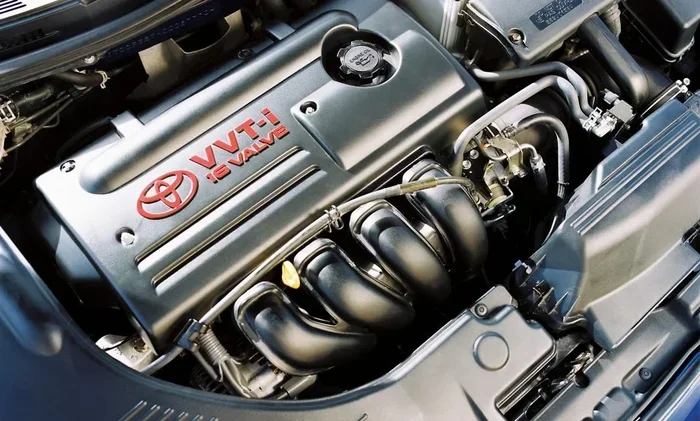
Over the years, Toyota fitted the Celica with a range of engines. Early models used simpler 1.6-liter and 2.0-liter four-cylinder engines. Later generations offered larger displacement options and even turbocharged variants. Here is a quick look at the most common engine families found in Celicas:
- 2.0-liter 3S-GE — A reliable and spirited engine found in the ST160 and ST180 generations. It is known for smooth power delivery and solid durability.
- 2.0-liter 3S-GTE — The turbocharged version of the 3S-GE. It offered serious performance but required more attentive maintenance.
- 1.8-liter 2ZZ-GE — Found in the later ST200 generation. This engine featured VVTL-i technology and was praised for its high-revving character.
- 2.4-liter 2TZ-FE — A more recent option focused on reliability and everyday usability.
Each of these engines shares Toyota’s reputation for building long-lasting powerplants. The key difference lies in how they are maintained and the conditions they endure over the years.
Why Toyota Engines Are Built to Last
Toyota has spent decades refining its engine designs. The company uses high-quality materials, precise manufacturing tolerances, and thorough testing. These factors contribute directly to Toyota engine longevity. The Celica engines are no exception. They are designed with simplicity in mind, which means fewer complex parts that can fail. This straightforward engineering philosophy is a big reason why Toyota Celica reliability remains strong even in older models.
How Long Do Toyota Celica Engines Typically Last
So, what is the real-world lifespan of a Toyota Celica engine? The answer depends on several factors, but here are the general benchmarks most owners and mechanics agree on:
| Engine Condition | Expected Mileage | Typical Timeframe |
|---|---|---|
| Well-maintained, regular driving | 250,000 – 300,000 miles | 15 – 20+ years |
| Average maintenance, normal use | 150,000 – 200,000 miles | 10 – 15 years |
| Neglected or harsh use | 80,000 – 120,000 miles | 5 – 8 years |
As you can see, maintenance plays a huge role. A Celica that receives regular oil changes, timely belt replacements, and prompt attention to small issues will easily outlive one that is neglected. Toyota engines are famously resilient, but they still need care to reach their full potential.
It is worth noting that Toyota engines in general are known for exceptional longevity. Models like the Toyota Camry and Corolla routinely pass the 250,000-mile mark, and the Celica shares much of the same engineering DNA. If you are curious about how other Toyota models compare, check out this guide on whether Toyota vehicles can last 500,000 miles for more context on Toyota’s engineering durability.
Factors That Affect Celica Engine Longevity
Not every Toyota Celica engine will reach the same mileage. Several factors influence how long your specific engine will last. Understanding these can help you make better decisions about your car.
Maintenance Habits
This is the biggest factor by a wide margin. Regular oil changes using the correct grade of oil keep the internal components lubricated and clean. Fresh coolant prevents overheating. Clean transmission fluid protects the drivetrain. Skipping these simple services leads to accelerated wear and eventual engine failure.
A Celica maintenance schedule should include:
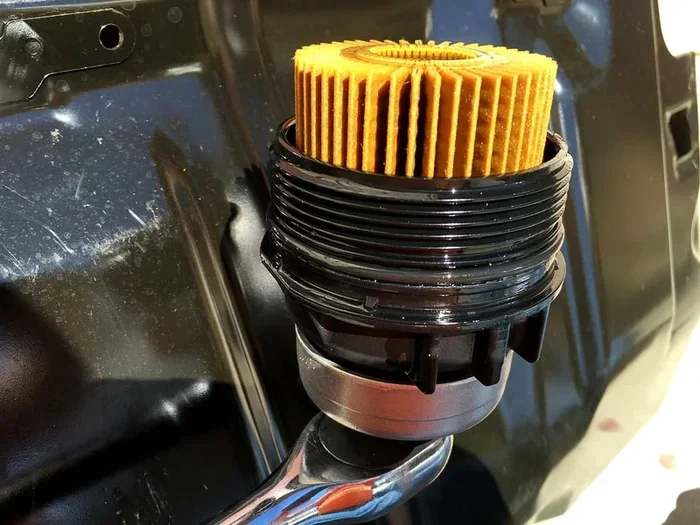
- Oil and filter changes every 5,000 to 7,500 miles
- Coolant flush every 30,000 to 50,000 miles
- Transmission fluid change every 60,000 miles
- Spark plug replacement every 30,000 to 60,000 miles
- Brake fluid flush every 2 years
Driving Conditions and Habits
How you drive matters more than you might think. Frequent short trips where the engine does not fully warm up cause condensation to build up inside the engine. Over time, this leads to sludge formation and increased wear. Highway driving is much gentler on the engine because it allows the motor to reach full operating temperature consistently.
Extreme temperatures also take a toll. Hot climates stress cooling systems, while cold climates make oil thicker and harder to circulate. If you live in an area with harsh weather, you may need to be more diligent with your maintenance routine.
Quality of Parts and Fluids
Using cheap or incorrect fluids and parts can shorten engine life significantly. Always use the oil grade recommended by Toyota. Choose quality spark plugs and filters from reputable brands. The small savings from cheaper parts are never worth the risk of premature engine wear.
Comparison With Other Vehicle Longevity
To put things in perspective, many popular vehicles have similar longevity expectations. For example, the Ford Ranger is known to last around 200,000 to 250,000 miles with proper care. Similarly, the Chevy Tahoe can reach comparable mileages when maintained well. The Toyota Celica fits comfortably within this range, and in many cases exceeds it thanks to Toyota’s engineering excellence.
Common Toyota Celica Engine Problems to Watch For
Even the most reliable engines develop issues over time. Knowing what to look for helps you catch problems early before they become expensive repairs. Here are the most common Celica engine problems reported by owners and mechanics.
Oil Leaks
Oil leaks are one of the most frequent issues with aging Celica engines. The valve cover gasket and oil pan gasket are common culprits. Small leaks may not seem urgent, but they can lead to low oil levels, which causes increased friction and engine damage over time.
If you notice oil spots under your car or a burning oil smell while driving, get it checked right away. Catching a leak early is much cheaper than dealing with engine damage later.
Timing Belt Wear
The timing belt is a critical component that synchronizes the crankshaft and camshaft. On most Celica engines, the timing belt should be replaced between 90,000 and 100,000 miles. If the belt breaks, it can cause severe internal engine damage, especially in interference engines where the pistons and valves collide.
This is not a repair you want to skip. The cost of replacing a timing belt is a fraction of what an engine rebuild or replacement would cost.
Overheating Issues
Overheating is one of the fastest ways to destroy an engine. The Celica’s cooling system is reliable when maintained, but it can develop problems over time. Common causes of overheating include a failing thermostat, a leaking radiator, a broken water pump, or low coolant levels.
If your temperature gauge starts climbing, pull over safely and turn off the engine. Continuing to drive an overheating engine can warp the cylinder head and crack the engine block. For tips on preventing engine overheating, check out our guide on how to prevent a car from overheating in summer.
Sensor and Electrical Issues
Older Celicas can develop sensor failures that affect engine performance. The oxygen sensor, mass airflow sensor, and throttle position sensor are common failure points. Symptoms include rough idling, poor fuel economy, and the check engine light coming on.
These issues are usually straightforward to diagnose and repair. A mechanic with an OBD-II scanner can pull the error codes and identify the faulty sensor quickly.
Tips to Extend Your Celica Engine Life
Want to push your Celica engine well past the 200,000-mile mark? These practical tips will help you get the most life out of your engine.
Follow the Maintenance Schedule Strictly
Do not skip oil changes or postpone scheduled services. The maintenance schedule in your owner’s manual is there for a reason. Sticking to it is the single best thing you can do for your engine’s longevity.
Warm Up the Engine Gently
When you start your Celica in the morning, let it idle for 30 to 60 seconds before driving off. Avoid revving the engine hard during the first few minutes. This allows the oil to circulate fully and the internal components to warm up gradually.
Address Warning Signs Immediately
Unusual sounds, vibrations, warning lights, or changes in performance should never be ignored. A small knock, a slight hesitation, or a minor fluid leak can signal a bigger problem developing underneath. The sooner you investigate, the better your chances of avoiding a major repair.
Keep the Engine Clean
Dirt and debris can accumulate around the engine bay and cause corrosion over time. Regularly cleaning the engine compartment helps you spot leaks early and prevents rust from damaging sensitive components. It also makes it easier to notice new leaks or unusual wear.
Use Quality Fuel
While the Celica does not always require premium fuel, using a reputable brand of gasoline helps keep the combustion chamber clean and reduces carbon buildup. Avoid gas stations with questionable fuel quality, as contaminated fuel can cause long-term engine damage.
When to Consider an Engine Replacement
Sometimes, despite your best efforts, an engine reaches the end of its useful life. Knowing when replacement makes more sense than continued repair can save you time and money.
Major signs that your Celica engine may need replacement include:
- Constant oil consumption despite no visible leaks
- Blue or white smoke from the exhaust that will not go away
- Metal knocking sounds from deep inside the engine
- Compression test results showing significant variation between cylinders
- Repeated overheating that damages internal components
Before committing to a full engine replacement, get a second opinion from a trusted mechanic. In some cases, a rebuild or a used engine swap can be a more cost-effective solution. Toyota Celica engines are common enough in the salvage market that finding a replacement is usually not difficult.
If you are shopping for a used Celica and want to make sure you are getting a good deal, our guide on how to know if a car is a good deal can help you evaluate the vehicle’s condition and history before purchase.
Final Thoughts
The Toyota Celica engine is a durable, well-engineered powerplant that can deliver exceptional service for hundreds of thousands of miles. The secret is not magic — it is consistent maintenance, attentive driving, and prompt attention to any issues that arise.
Whether you are driving a classic first-generation Celica or a later model with the 2ZZ-GE engine, the principles remain the same. Take care of your engine, and it will take care of you. With proper care, your Celica can easily become a long-term companion that provides reliable transportation and driving enjoyment for decades.
Start by reviewing your maintenance schedule and making sure you are on track with all recommended services. Small investments in upkeep today pay off enormously in engine life tomorrow. Your Celica deserves the best care you can give it, and now you have the knowledge to provide exactly that.
Frequently Asked Questions
How many miles can a Toyota Celica engine last?
A well-maintained Toyota Celica engine can last between 200,000 and 300,000 miles. Some examples have even surpassed 300,000 miles when the owner stayed on top of regular maintenance and addressed issues promptly.
What is the most common reason Toyota Celica engines fail?
The most common reason is neglect. Skipping oil changes, ignoring fluid leaks, and failing to replace the timing belt on schedule lead to premature engine wear. Overheating from a failed cooling system is another major cause of engine failure.
Is it expensive to maintain a Toyota Celica engine?
Not particularly. Toyota Celica maintenance costs are generally reasonable, especially compared to European sports cars. Routine services like oil changes, spark plug replacements, and belt swaps are affordable and widely available at most repair shops.
At what mileage should I replace the timing belt on my Celica?
Most Toyota Celica engines require timing belt replacement between 90,000 and 100,000 miles. Check your specific owner’s manual for the exact recommendation, as it can vary slightly depending on the engine and model year.
Can I still find replacement parts for older Toyota Celica engines?
Yes. The Toyota Celica has a large enthusiast community and a healthy aftermarket parts market. OEM and aftermarket parts are readily available for most Celica generations, making repairs and maintenance straightforward.
Are Toyota Celica engines reliable compared to other sports cars?
Toyota Celica engines are among the most reliable in the sports car segment. Their straightforward design and use of proven Toyota engineering make them dependable daily drivers that do not require the level of care or expense that some European sports car engines demand.