How Long Do Toyota Fuel Pumps Last Plus Tips To Extend Life
Toyota fuel pumps typically last between 100,000 and 150,000 miles, but proper care can push that number even higher. Understanding fuel pump lifespan starts with knowing the warning signs, maintenance habits, and driving practices that protect this vital component. This guide gives Toyota owners everything they need to keep their fuel pump running strong for years to come.
Toyota vehicles are built to last. From the reliable Toyota Camry to the rugged Toyota Tacoma, these cars earn a reputation for durability that few brands can match. But even the best-built vehicles have components that wear out over time. The fuel pump is one of those parts that demands attention.
So, how long do Toyota fuel pumps actually last? The short answer is somewhere between 100,000 and 150,000 miles under normal conditions. But that number can shift depending on how you drive, what fuel you use, and how well you maintain your vehicle. In this guide, we will walk you through everything you need to know about fuel pump lifespan, common failure symptoms, and practical tips to extend the life of your Toyota fuel pump.
Whether you drive a Toyota Corolla or a full-size Toyota Tundra, this article will help you spot problems early and keep your fuel system running smoothly. Let us dive in.
Key Takeaways
- Average Lifespan: Most Toyota fuel pumps last 100,000 to 150,000 miles with normal use.
- Early Warning Signs: Whining noises, engine stalling, and difficulty starting often signal fuel pump trouble.
- Maintenance Matters: Following a maintenance schedule dramatically extends fuel pump life.
- Driving Habits Count: Keeping your tank at least a quarter full prevents premature wear.
- Replacement Cost: Expect to pay between $400 and $1,200 depending on your Toyota model and year.
- Toyota Reliability: Toyotas are known for longevity, and their fuel pumps reflect that quality when properly cared for.
📑 Table of Contents
- Understanding Toyota Fuel Pumps
- How Long Do Toyota Fuel Pumps Last on Average
- Warning Signs of a Failing Fuel Pump
- Tips To Extend the Life of Your Toyota Fuel Pump
- Toyota Fuel Pump Replacement Cost and Process
- Common Mistakes That Shorten Fuel Pump Life
- Expert Insights on Toyota Fuel Pump Longevity
- Conclusion
Understanding Toyota Fuel Pumps
Before we talk about longevity, it helps to understand what a fuel pump does and how it works. The fuel pump pushes gasoline from the tank to the engine at the right pressure. Without it, your Toyota simply will not run.
How a Fuel Pump Works
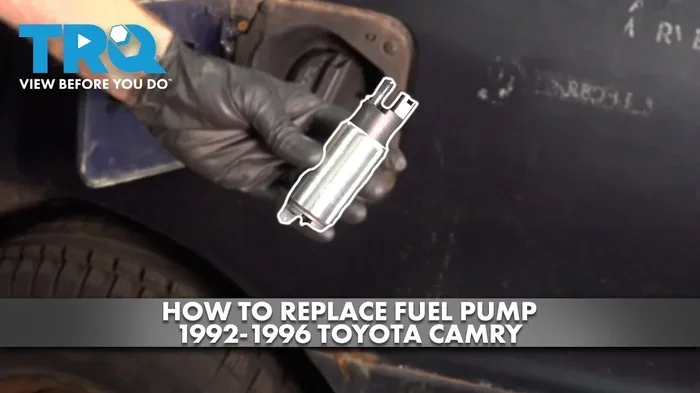
Most modern Toyotas use an electric fuel pump located inside the fuel tank. The pump sits submerged in fuel, which helps cool it and reduce noise. When you turn the ignition, the pump activates and sends fuel through the fuel lines to the engine. A fuel filter catches debris along the way, keeping the system clean.
The pump must maintain precise pressure. Too much pressure can flood the engine. Too little pressure causes poor performance. This balance is critical for engine health and fuel efficiency.
Types of Fuel Pumps in Toyota Vehicles
Toyota uses a few different fuel pump setups depending on the model and engine type. Here is a quick look at what you might find:
- In-tank electric pumps: The most common type in modern Toyotas. They sit inside the fuel tank and are designed for long life.
- Inline mechanical pumps: Found in older Toyota models. These mount outside the tank and use engine vacuum to push fuel.
- High-pressure fuel pumps: Used in newer Toyota engines with direct injection. These operate at much higher pressures than standard pumps.
Each type has its own expected lifespan and failure patterns. In-tank electric pumps tend to be the most durable, which is why most Toyotas see them last well past 100,000 miles.
How Long Do Toyota Fuel Pumps Last on Average
The average Toyota fuel pump lifespan falls between 100,000 and 150,000 miles. However, this range is just a starting point. Many Toyotas go well beyond 200,000 miles with their original fuel pump still intact.
Factors That Affect Fuel Pump Longevity
Several factors influence how long your fuel pump will last. Understanding these can help you take proactive steps to protect it.
- Fuel quality: Dirty or contaminated fuel causes wear on the pump internals. Always try to fill up at reputable stations.
- Driving habits: Frequently running your tank to empty stresses the pump. The fuel also helps cool the pump, so low fuel levels mean less cooling.
- Fuel filter condition: A clogged fuel filter forces the pump to work harder, shortening its life.
- Vehicle age and mileage: Like all mechanical parts, fuel pumps degrade with age even if mileage is low.
- Climate and storage: Extreme heat and long periods of inactivity can both damage fuel pump components.
Comparison: Toyota Models and Fuel Pump Durability
Different Toyota models have different fuel pump designs. Here is a general comparison of fuel pump expectations across popular Toyota models:
- Toyota Corolla: 100,000 to 150,000 miles. Reliable and straightforward replacement if needed.
- Toyota Camry: 120,000 to 150,000 miles. Known for lasting well beyond average expectations.
- Toyota RAV4: 100,000 to 140,000 miles. The hybrid models may have slightly different fuel system demands.
- Toyota Tacoma: 100,000 to 150,000 miles. Heavy towing can add stress to the fuel system.
- Toyota 4Runner: 120,000 to 150,000 miles. Durable design suits its rugged use case.
Remember, these are averages. Many Toyotas exceed these numbers with proper care. Toyota’s overall reputation for reliability extends to the fuel pump as well.
Warning Signs of a Failing Fuel Pump
Catching fuel pump problems early can save you from a roadside breakdown. Here are the most common symptoms that signal your fuel pump may be failing.
Engine Stalling at High Speeds
If your Toyota suddenly stalls while driving at highway speeds and then restarts after a few minutes, the fuel pump could be struggling. This happens when the pump cannot maintain consistent pressure under load. It is one of the earliest and most telling fuel pump failure signs.
Whining or Groaning Noise from the Tank
A healthy fuel pump makes a faint hum. If you hear a loud whining or groaning sound coming from the rear of your vehicle, the pump may be working overtime. This noise often increases when the fuel level is low or during heavy acceleration.
Difficulty Starting the Engine
A weak fuel pump cannot deliver enough fuel to start the engine quickly. You may notice your Toyota takes several turns of the key to fire up. In severe cases, the engine may refuse to start entirely.
Loss of Power Under Load
If your Toyota feels sluggish when climbing hills or towing a trailer, the fuel pump might not be delivering enough fuel. This power loss is a clear indicator that the pump is failing under demand.
Poor Fuel Economy
A failing fuel pump can send too much or too little fuel to the engine. Either scenario hurts your fuel economy. If you notice sudden drops in miles per gallon, have your fuel system inspected.
Check Engine Light
In some cases, a failing fuel pump triggers the check engine light. The engine control module detects fuel pressure irregularities and sets a code. Reading the codes with a scanner can confirm whether the pump is the culprit.
Tips To Extend the Life of Your Toyota Fuel Pump
The good news is that you can take simple steps to help your Toyota fuel pump last longer. These habits are easy to adopt and can add thousands of miles to your pump’s life.
Keep Your Tank at Least a Quarter Full
This is the single most important tip for fuel pump health. The fuel pump relies on the fuel inside the tank to stay cool. When you run low frequently, the pump overheats and wears out faster. Make it a habit to refill before the gauge drops below a quarter tank.
Use Quality Fuel
Not all gasoline is created equal. Fill up at well-known stations that filter their fuel properly. Avoid gas stations that seem to have frequent fuel filter changes or questionable reputations. Dirty fuel is one of the leading causes of premature fuel pump failure.
Replace the Fuel Filter Regularly
The fuel filter catches contaminants before they reach the pump. When the filter becomes clogged, the pump works harder and wears out sooner. Check your Toyota maintenance schedule for the recommended fuel filter replacement interval. Most Toyotas benefit from a filter change every 30,000 to 60,000 miles.
Avoid Running the Tank to Empty
We mentioned this in the first tip, but it deserves emphasis. Running your tank to empty repeatedly is one of the fastest ways to kill a fuel pump. The sediment at the bottom of the tank can clog the pump intake, and the lack of fuel reduces cooling. Keep a buffer of at least a quarter tank at all times.
Warm Up Your Vehicle Gently
Cold starts put extra stress on all engine components, including the fuel pump. Let your Toyota idle for 30 seconds to a minute before driving off gently. This allows the fuel to circulate and the pump to build proper pressure before heavy demand hits.
Address Fuel Leaks Immediately
Any fuel leak in the system can introduce air and contaminants. This disrupts the pump’s normal operation and can cause damage over time. If you smell fuel or notice puddles under your vehicle, get it checked right away.
Follow a Regular Maintenance Schedule
Staying on top of your Toyota’s maintenance routine is the best way to protect the entire fuel system. A well-maintained vehicle has a properly functioning fuel pump. If you are not sure what maintenance tasks your Toyota needs and when, check out this guide on how to create a maintenance schedule for your vehicle.
Be Mindful of Fuel Quality When Buying Used
If you buy a used Toyota, you do not always know how the previous owner treated the fuel system. Consider having the fuel pump and filter inspected as part of your pre-purchase check. This simple step can save you from inheriting a failing pump.
Toyota Fuel Pump Replacement Cost and Process
When a fuel pump does fail, knowing what to expect for the repair helps you plan. The good news is that fuel pump replacement is a well-understood procedure that most qualified mechanics can handle.
Average Replacement Cost
Toyota fuel pump replacement costs typically range from $400 to $1,200. The wide range depends on several factors:
- Model and year: Newer models with high-pressure pumps cost more to replace.
- Labor rates: Dealerships charge more than independent shops.
- Parts quality: OEM parts cost more than aftermarket alternatives but often last longer.
- Location: Labor costs vary by region and shop.
For most Toyotas, you can expect to pay around $600 to $800 for a complete fuel pump replacement at a reputable shop. The part itself usually accounts for about half of the cost.
What the Replacement Process Looks Like
Since most Toyota fuel pumps sit inside the fuel tank, replacement involves removing the tank or accessing it through an access panel. The process typically includes:
- Relieving fuel system pressure
- Disconnecting the battery for safety
- Removing the fuel tank or access panel
- Draining and removing the old pump module
- Installing the new pump and replacing the O-ring seal
- Reassembling and testing the system
The entire process usually takes two to four hours depending on the model. Many shops recommend replacing the fuel filter at the same time to protect the new pump.
Warranty Coverage
Toyota fuel pumps may be covered under warranty, especially in newer vehicles. Check your warranty documentation to see if your pump is eligible for coverage. Some Toyota fuel pump warranty policies extend up to 60,000 miles or five years, whichever comes first.
Common Mistakes That Shorten Fuel Pump Life
Avoiding common mistakes can save your fuel pump from premature failure. Here are the pitfalls that many Toyota owners fall into.
Ignoring the Warning Signs
Many owners dismiss early symptoms like a slight whine or occasional stalling. These are your vehicle’s way of telling you something is wrong. Ignoring them leads to complete pump failure, which is far more expensive and inconvenient.
Using the Wrong Fuel Grade
Always use the fuel grade recommended in your Toyota owner’s manual. Using a lower grade than required can cause engine knock and put extra strain on the fuel system over time.
Skipping Fuel Filter Changes
A neglected fuel filter is the number one silent killer of fuel pumps. The filter catches debris that would otherwise wear down the pump’s internal components. Skipping this cheap and easy maintenance item can lead to a costly pump replacement.
Adding Fuel Additives Without Research
Not all fuel additives are safe for your Toyota. Some can damage fuel pump seals or corrode internal components. Stick with additives that are explicitly approved for use in your vehicle.
Letting the Car Sit for Extended Periods
If you own a Toyota that sits unused for long stretches, the fuel can degrade and cause issues. This is especially true for Toyota hybrid models that may sit for extended periods. If your car will not be driven for a while, consider adding a fuel stabilizer and keeping the tank full to minimize condensation.
Expert Insights on Toyota Fuel Pump Longevity
Toyota engineers designed their fuel pumps with durability in mind. The pumps are built to handle the demands of daily driving, highway cruising, and even light towing. But no component lasts forever without any care.
According to experienced Toyota mechanics, the most common reason for premature fuel pump failure is simple neglect. Skipping fuel filter changes, running the tank dry too often, and ignoring early warning signs all contribute to shorter pump life. On the flip side, Toyota owners who follow a consistent maintenance routine and practice good driving habits frequently report fuel pumps lasting well beyond 150,000 miles.
Toyota’s overall reputation for longevity also plays a role. Owners who regularly check their Toyota maintenance schedule and address small issues before they grow tend to get the most out of every component, including the fuel pump. If you want to learn more about how to keep your Toyota running strong for the long haul, this article on whether Toyota can last 500,000 miles offers valuable insights on overall vehicle longevity.
One final thought from the pros: always pay attention to fuel quality. Contaminated fuel is the enemy of any fuel pump. If you ever suspect bad fuel, do not keep driving. Have your vehicle towed to a shop and have the system flushed. This one decision can save you hundreds of dollars in repairs.
Conclusion
Toyota fuel pumps are built to last, and with the right care, they routinely exceed 100,000 to 150,000 miles. The key to maximizing your fuel pump lifespan lies in the daily habits you build. Keep your tank at least a quarter full, use quality fuel, replace the fuel filter on schedule, and never ignore warning signs.
These simple practices protect one of the most important components in your Toyota’s fuel system. They also save you money by preventing costly breakdowns and premature replacements. Your Toyota was designed to go the distance, and a well-maintained fuel pump is a big part of that equation.
Take ownership of your vehicle’s health today. Follow the tips in this guide, stay consistent with your maintenance, and enjoy the confidence that comes with knowing your Toyota fuel pump is working exactly as it should.
Frequently Asked Questions
How do I know if my Toyota fuel pump is failing?
Common signs include a whining noise from the tank, engine stalling at high speeds, difficulty starting, and loss of power under load. If you notice any of these symptoms, have your fuel pump inspected by a qualified mechanic as soon as possible.
Can I drive my Toyota with a bad fuel pump?
It is not recommended. A failing fuel pump can leave you stranded if it stops working completely. It can also cause engine damage due to inconsistent fuel delivery. Have it repaired or replaced promptly.
How much does it cost to replace a Toyota fuel pump?
Most Toyota owners pay between $400 and $1,200 for fuel pump replacement, with the average cost around $600 to $800. The exact price depends on your model, year, and where you have the work done.
Does Toyota warranty cover fuel pump replacement?
It depends on your specific warranty terms and the age of your vehicle. Many newer Toyotas have fuel pump coverage under their powertrain or comprehensive warranty. Check your warranty documentation or ask your dealer to confirm.
How often should I replace my Toyota fuel filter?
Most Toyotas benefit from a fuel filter change every 30,000 to 60,000 miles. Refer to your owner’s manual for the exact interval recommended for your specific model. Replacing the filter regularly protects the fuel pump from debris and contamination.
What is the best way to extend my Toyota fuel pump life?
Keep your tank at least a quarter full, use quality fuel from reputable stations, replace the fuel filter on schedule, and avoid running the tank to empty. These simple habits go a long way in ensuring your fuel pump lasts well beyond the average lifespan.