Why Isnt Hilux Sold In The US Heres What Toyota Knows
The Toyota Hilux is one of the most popular trucks worldwide, yet it remains absent from the US market. Toyota has chosen not to sell the Hilux in America due to a mix of regulatory hurdles, brand strategy, and intense competition from domestic pickups. Understanding these reasons reveals a lot about how Toyota approaches the US truck market and protects its existing lineup.
The Toyota Hilux is a legend. It has been sold in over 180 countries for decades. It is rugged, reliable, and incredibly capable. Yet if you live in the United States, you cannot walk into a Toyota dealership and buy one. This raises a big question. Why isnt Hilux sold in the US? The answer is more layered than most people think.
Toyota is a Japanese automaker with massive global reach. The company sells trucks all over the world. But the US market is different. It has its own rules, its own preferences, and its own fierce competition. Toyota has carefully studied this market for years. The decision to keep the Hilux out of America is not an accident. It is a calculated business move backed by data and strategy.
In this article, we will explore every major reason why Toyota refuses to sell the Hilux in the United States. We will look at regulations, competition, brand strategy, and what Toyota knows about American truck buyers. By the end, you will understand why the Hilux remains a global icon but an American impossibility.
Key Takeaways
- Regulatory Barriers: US truck emissions and safety standards make it costly to homologate the Hilux for American sale.
- Brand Strategy: Toyota already has the Tacoma and Tundra filling the pickup space in the US.
- Market Competition: American buyers strongly prefer full-size trucks, making the Hilux a tough sell.
- Right-Hand Drive Issue: Most Hilux models are built for left-hand drive markets, but US configuration adds complexity.
- Toyota Knows Its Audience: The company has done deep research on US consumer preferences and sticks to what sells.
📑 Table of Contents
The Hilux Is A Global Phenomenon But Not A US One
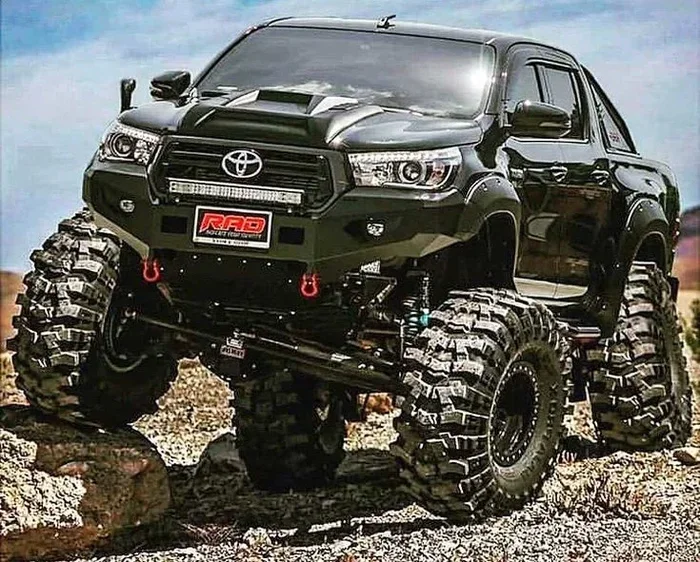
The Toyota Hilux goes by many names around the world. In some markets it is called the Toyota Pickup. In others it is simply known as the Hilux. It has been built since 1968. That is over 55 years of continuous production. It is one of the best-selling trucks on the planet. In places like Australia, the Middle East, and Southeast Asia, the Hilux dominates. It is used as a work truck, a family vehicle, and even a military vehicle.
But in the US, the Hilux has never been officially sold. Not once. Not in any generation. This is surprising because Americans love trucks. The US is the largest pickup truck market in the world. So why does Toyota skip this massive market with one of its most capable vehicles? Let us break it down.
The Tacoma Already Fills That Role
Toyota has the Tacoma. The Tacoma has been sold in the US since 1995. It is a mid-size pickup that competes directly with trucks like the Ford Ranger and the Chevrolet Colorado. The Tacoma is hugely popular. It is one of the best-selling trucks in America. Toyota has invested billions in the Tacoma lineup. Adding the Hilux to the US market would create internal competition. The Hilux would likely outsell the Tacoma in many segments. That would hurt Toyota’s existing investment. So keeping the Hilux out protects the Tacoma’s dominance.
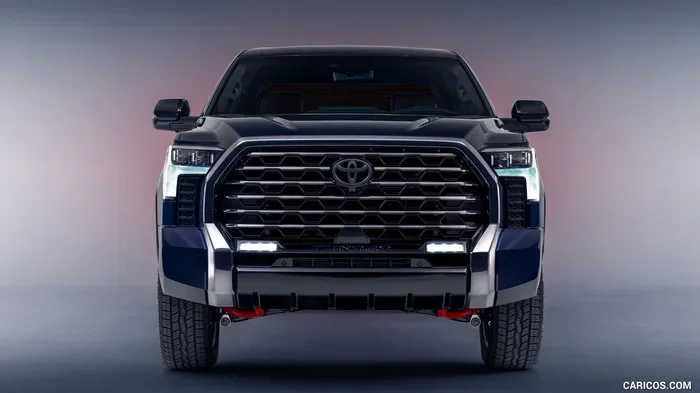
Toyota also has the Tundra for full-size truck buyers. The company has a complete pickup ladder in the US. The Tacoma sits in the mid-size segment. The Tundra sits in the full-size segment. There is no gap that the Hilux would fill. Adding it would only confuse the lineup and split sales.
US Truck Regulations Make It Expensive
The United States has some of the strictest vehicle regulations in the world. Every truck sold in the US must meet federal standards. These standards cover emissions, safety, and crash testing. Meeting these standards is not cheap. It costs millions of dollars to homologate a vehicle for the US market.
Emissions Standards Are Tough
The Hilux is available with diesel engines in most global markets. Diesel engines are very popular in trucks outside the US. But US diesel emissions standards are extremely strict. The Environmental Protection Agency (EPA) has tight rules on diesel particulate matter and nitrogen oxide. The Hilux diesel engines would need significant re-engineering to meet these standards. This adds cost and delays.
Gasoline engines in the Hilux also need to meet EPA rules. The current Hilux engines are designed for global markets. They may not meet US tier 3 emissions standards without costly changes. Toyota would need to invest in new engine calibration, fuel systems, and after-treatment systems. For a vehicle that would compete against the Tacoma, the return on investment is questionable.
Safety And Crash Testing Requirements
The US has specific crash safety requirements from the National Highway Traffic Safety Administration (NHTSA). Every vehicle must pass frontal impact, side impact, and roof strength tests. The Hilux is built for global markets. Its structure may not meet US-specific crash criteria without redesign. This means Toyota would need to engineer a US-specific version of the Hilux. That adds even more cost to an already expensive process.
You might wonder about other trucks sold in the US that face similar challenges. Importing a vehicle into the US is not easy for anyone. Even established brands face hurdles. The process is complex and expensive. This is one of the biggest reasons why many great trucks never make it to American shores.
American Truck Buyers Have Strong Preferences
Toyota has done extensive research on US consumers. The company knows what Americans want in a truck. And the Hilux does not quite fit that mold. American truck buyers have very specific preferences. They want size, power, and capability.
Full-Size Trucks Dominate The Market
The US pickup market is dominated by full-size trucks. The Ford F-Series is the best-selling vehicle in America. The Chevrolet Silverado and Ram 1500 are also huge sellers. These trucks are massive. They have huge cabs, long beds, and powerful V8 engines. American buyers love them for towing, hauling, and off-road use.
The Hilux is a mid-size truck. It is smaller and lighter than the F-150 or Silverado. While it is capable and reliable, it does not match the raw power and towing capacity of full-size trucks. US buyers often see mid-size trucks as second vehicles. They prefer a full-size truck as their primary workhorse. This market reality makes the Hilux a risky bet for Toyota.
Toyota also knows that its pickup truck payload and towing capacity needs to compete with the big players. The Hilux, while strong, would struggle to match the towing numbers of the F-150 or Ram 1500 in the US market.
The Tacoma Already Has Loyal Fans
The Toyota Tacoma has one of the most loyal fan bases in the truck world. It has been around for decades. It has a strong aftermarket support system. Thousands of Tacoma owners modify their trucks for off-road adventures. The Tacoma is a cultural icon in the US truck scene. Introducing the Hilux would disrupt this ecosystem. It could dilute the Tacoma brand. Toyota does not want to risk that.
Many truck enthusiasts in the US have strong brand loyalties. They stick with Ford, Chevy, Ram, or Toyota. The Tacoma has earned its place in that lineup. Adding the Hilux could split that loyalty and reduce overall sales. Toyota prefers to keep its US truck strategy simple and focused.
Toyota Brand Strategy Keeps The Hilux Out
Toyota is a master of brand strategy. The company carefully manages its product lineup in every market. In the US, Toyota positions itself as a reliable, practical, and value-driven brand. The Hilux does not fit neatly into that positioning for American buyers.
The Hilux Would Compete With Toyota Own Products
This is a key reason why Toyota keeps the Hilux away from the US. The Hilux would compete directly with the Tacoma. It would also compete with the Tundra in some segments. Toyota does not want its own products fighting each other. That would reduce total sales and confuse customers.
In other markets, Toyota uses different names for similar vehicles. For example, the Toyota Fortuner is sold alongside the Hilux in many countries. But in the US, Toyota keeps its lineup clean and non-overlapping. Each model has its own distinct role. The Tacoma is the mid-size truck. The Tundra is the full-size truck. There is no room for a third pickup.
Import Tariffs And Trade Barriers
The US imposes tariffs on imported trucks and components. These tariffs increase the cost of foreign-made vehicles. The Hilux is built in Thailand, Mexico, and other global factories. Bringing it to the US would subject it to import duties. This would raise the price of the Hilux. A more expensive Hilux would struggle against the Tacoma, which is built in the US.
Trade policies also play a role. The US has complex trade agreements and regulations with different countries. Navigating these for a vehicle that would compete with Toyota’s own products does not make financial sense. Toyota avoids unnecessary trade friction by keeping the Hilux out of the US.
You may have noticed that some Toyota vehicles sold in the US are imported while others are domestic. Toyota carefully balances its global supply chain. The decision to import or build locally depends on market demand, costs, and trade rules. The Hilux does not clear that bar for the US market.
What Toyota Knows About US Buyers
Toyota is not guessing when it keeps the Hilux out of the US. The company has decades of market research. Toyota knows exactly what US buyers want and what they do not want. This knowledge shapes every decision the company makes.
US Buyers Want Familiarity
American truck buyers value familiarity. They want to walk into a dealership and see what they know. The Ford F-150, Ram 1500, Chevrolet Silverado, and Toyota Tacoma are household names. The Hilux is unknown to most US consumers. Introducing an unfamiliar brand name in a competitive market is risky. Toyota prefers to invest in vehicles US buyers already recognize and trust.
US consumers also want easy access to service and parts. The Toyota dealership network in the US is built around the Tacoma and Tundra. Adding the Hilux would require new service training, new parts inventory, and new marketing. That is a lot of investment for a vehicle that may not sell well.
The US Market Is Incredibly Competitive
The US truck market is one of the most competitive in the world. Ford, Chevrolet, Ram, and Toyota all fight for every sale. New competitors like the Ford Maverick and the Hyundai Santa Cruz have entered the mid-size segment. The competition is fierce. Toyota knows that launching the Hilux in this environment would be a gamble. The company prefers to play it safe with the Tacoma.
Toyota also watches how other brands perform in the US. Some global trucks have tried to enter the US market and failed. The Mitsubishi L200 (known as the Triton elsewhere) was never sold in the US. The Nissan Navara has a very limited presence. Toyota learns from these examples and avoids the same mistakes.
Interestingly, Toyota has been watching the EV truck market closely. The rise of electric trucks like the Tesla pickup truck sales and the Rivian R1T shows that the US market is evolving. Toyota is investing in its own electric and hybrid truck technologies. The company may eventually bring an electric or hybrid pickup to the US. But it will likely be a Toyota-badged vehicle designed specifically for American buyers, not the Hilux.
Could The Hilux Ever Come To The US
Nothing is impossible in the automotive world. The Hilux has a strong global following. Many US enthusiasts import them through grey market channels. But official sales are a different story. Could Toyota ever change its mind and bring the Hilux to the US? Let us explore the possibilities.
Changes In Regulations Could Open Doors
If US emissions or safety regulations change, it could become easier to sell the Hilux. The EPA and NHTSA periodically update their rules. A shift toward more flexible standards could reduce the cost of homologation. However, current trends point toward stricter regulations, not looser ones. This makes the Hilux less likely to enter the US through official channels anytime soon.
Toyota Could Create A US-Specific Version
Toyota could engineer a US-specific version of the Hilux. This would mean meeting all US standards and fitting American buyer preferences. But the cost would be enormous. Toyota would need to build a new version of the truck, redesign it for US crash standards, and create a whole new marketing campaign. The return on investment is uncertain. Toyota would need to be confident that the Hilux would sell well enough to justify the expense.
The Tacoma Could Be Replaced
One scenario where the Hilux could come to the US is if Toyota replaces the Tacoma. The Tacoma is aging. A next-generation Tacoma may or may not happen. If Toyota decides to move to a new platform, it could choose the Hilux as the basis. This would save development costs and give US buyers access to a proven global platform. However, Toyota has not hinted at this strategy. The Tacoma continues to sell well and receives regular updates.
For now, the Hilux remains a truck you can only buy outside the US. If you want one, you would need to import it yourself. This comes with its own set of challenges, costs, and legal considerations. Most US truck buyers are better served by the Tacoma or Tundra, which are designed specifically for the American market.
Final Thoughts
The question of why the Hilux is not sold in the US has a clear answer. It comes down to regulations, competition, brand strategy, and market research. Toyota has studied the US market deeply. The company knows that the Hilux would face significant hurdles. It would compete with its own Tacoma. It would need costly re-engineering to meet US standards. And it would enter a market dominated by full-size trucks.
Toyota is not making a mistake by keeping the Hilux out of the US. It is making a smart business decision. The company protects its existing lineup, manages its costs, and serves US buyers with vehicles they already love. The Hilux will continue to be a global superstar. But for American truck buyers, the Tacoma remains the Toyota pickup of choice.
The automotive world is always changing. New technologies, new regulations, and new competitors emerge every year. Toyota adapts to these changes carefully. The Hilux may one day cross the border into the US. But until then, American truck lovers will have to look elsewhere for their next global pickup. Toyota knows its audience. And for now, that means keeping the Hilux where it belongs: on roads around the world, just not in America.
Frequently Asked Questions
Why is the Toyota Hilux not sold in the US?
The Hilux is not sold in the US because of strict US emissions and safety regulations, Toyota’s existing Tacoma and Tundra lineup, and the high cost of homologating a foreign vehicle for American sale. Toyota has chosen to focus on its current pickup offerings rather than introduce the Hilux.
Can I legally import a Toyota Hilux into the US?
Yes, you can import a Hilux through grey market channels, but it must meet US safety and emissions standards. The process involves EPA and NHTSA compliance, which can be complex and expensive. Most people find it easier to buy a US-market truck instead.
Would the Hilux sell well if Toyota brought it to the US?
The Hilux has a strong global reputation for reliability and capability. However, US truck buyers strongly prefer full-size trucks and the Toyota Tacoma already fills the mid-size niche. The Hilux would face tough competition and might not justify the cost of entry for Toyota.
What truck does the Hilux compete with globally?
The Hilux competes with trucks like the Ford Ranger, Chevrolet Colorado, Mitsubishi L200, and Nissan Navara in global markets. In the US, its closest competitor would be the Toyota Tacoma, which is why Toyota avoids market overlap.
Is there a diesel Hilux available anywhere in the world?
Yes, the Hilux is widely available with diesel engines in most global markets. Diesel versions are popular in Australia, the Middle East, Africa, and Southeast Asia. However, US diesel standards make it difficult to offer diesel Hilux models in America.
Will Toyota ever bring the Hilux to the US market?
There is no official indication that Toyota plans to sell the Hilux in the US. The company continues to invest in the Tacoma and Tundra for American buyers. While anything is possible in the future, Toyota’s current strategy suggests the Hilux will remain a global truck without a US presence.
=== INTERNAL LINKS USED ===