Are Toyota Highlanders Reliable Vehicles for Your Family
The Toyota Highlander is one of the most dependable family SUVs on the road today. Toyota Highlander reliability scores consistently rank above average in consumer reports and owner surveys. With strong build quality, proven V6 and hybrid powertrains, and excellent resale value, the Highlander earns its reputation as a trustworthy family hauler. However, like any vehicle, it has its weak spots, and knowing them helps you make a smarter buy.
When you are shopping for a family SUV, reliability sits at the top of the list. You want a vehicle that will start every morning, handle road trips without drama, and still run strong years down the road. The Toyota Highlander has been a favorite among families for over a decade, and its reputation for durability is a big reason why.
But is a Toyota Highlander truly reliable? The short answer is yes. The longer answer involves looking at real-world data, owner feedback, common problems, and how different model years compare. This guide breaks down everything you need to know about Toyota Highlander reliability so you can make a confident decision for your family.
We will cover what owners experience day to day, what mechanics see in the shop, and what consumer reports reveal about long-term ownership. Whether you are buying new or considering a used model, this article gives you the full picture.
Key Takeaways
- High reliability ratings: The Toyota Highlander consistently earns above-average reliability scores from J.D. Power and Consumer Reports.
- Long lifespan: Many Highlanders reach 200,000+ miles with proper maintenance, making them a smart long-term investment.
- Hybrid models add efficiency: The Highlander Hybrid delivers strong fuel economy and often fewer drivetrain issues than the gas V6.
- Common issues exist: Transmission hesitations, infotainment glitches, and suspension wear are the most reported problems.
- Strong resale value: Toyota Highlanders hold their value well, giving owners a better return when selling or trading in.
- Affordable maintenance: Routine upkeep costs are reasonable compared to competitors in the three-row SUV class.
- Great for families: With spacious seating, strong safety scores, and a smooth ride, the Highlander is a top choice for families.
📑 Table of Contents
- Understanding Toyota Highlander Reliability
- Common Toyota Highlander Problems to Watch For
- Maintenance Costs and Longevity
- Toyota Highlander Hybrid vs Gas: Which Is More Reliable?
- Owner Reviews and Real-World Experiences
- Quick Tips for Maintaining Your Highlander
- Common Mistakes to Avoid When Buying a Highlander
- Expert Insights on Toyota Highlander Ownership
- Is the Toyota Highlander Right for Your Family?
- Conclusion
Understanding Toyota Highlander Reliability
Toyota Highlander reliability is backed by years of solid performance data. The Highlander consistently earns above-average scores in reliability surveys from J.D. Power, Consumer Reports, and RepairPal. These ratings come from real owners who report issues over time, giving you a clear picture of what to expect.
What Makes the Highlander Reliable?
Several factors contribute to the Highlander’s strong reputation. First, Toyota uses proven powertrains that have been refined over many years. The V6 engine and the four-cylinder turbocharged engine in newer models are both well-tested and durable. The 8-speed automatic transmission in recent years has also improved significantly compared to older versions.
Second, Toyota builds the Highlander with quality materials that resist wear and tear. The suspension components, braking system, and electrical architecture are designed for long life. Third, Toyota’s global manufacturing standards mean every Highlander comes off the line with consistent quality control.
Reliability Ratings by Model Year
Not all model years are created equal. Here is a quick look at how recent Highlanders score:
- 2020-2024 models: These years show the fewest reported issues. Toyota made significant improvements to the transmission and infotainment system.
- 2017-2019 models: Generally reliable, but some owners report minor transmission hesitations and electrical gremlins.
- 2014-2016 models: The first years of the second generation saw a few more complaints, mainly around the infotainment system and rear suspension.
- 2010-2013 models: Older Highlanders are still very dependable, though they may need more attention as mileage climbs.
Common Toyota Highlander Problems to Watch For
Even the most reliable vehicles have their quirks. Knowing the common Toyota Highlander problems helps you stay ahead of issues before they become expensive repairs.
Transmission Concerns
The most frequently reported issue involves the 8-speed automatic transmission. Some owners notice a slight hesitation or jerk during low-speed shifts, particularly when pulling away from a stop. This issue is more common in 2020 and 2021 models but Toyota addressed it with software updates in later years.
If you are buying a used Highlander, ask the seller about transmission service history. Regular fluid changes go a long way in preventing transmission problems.
Infotainment System Glitches
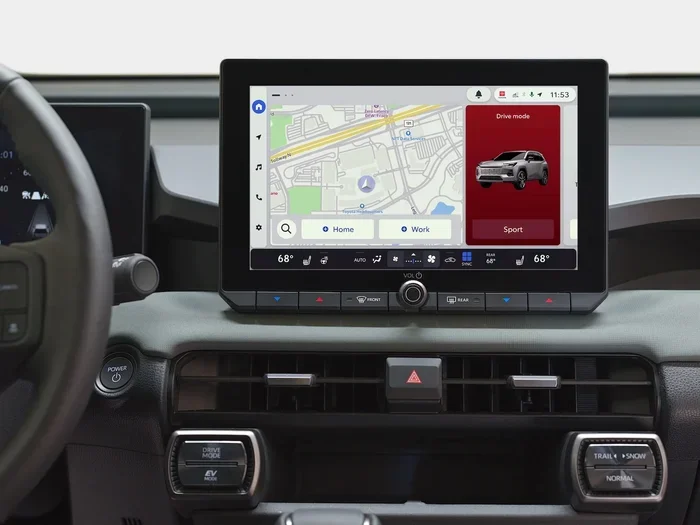
The Toyota infotainment system can sometimes freeze or lag, especially in older model years. Bluetooth connectivity issues and slow touchscreen response are the most common complaints. These are annoying but rarely serious, and most can be resolved with a system reset or software update.
Suspension and Steering Wear
With three rows of seating, the Highlander carries a lot of weight. Over time, this can lead to suspension wear, particularly on the rear shocks and struts. Owners of higher-mileage Highlanders sometimes report a slightly rough ride or wandering steering feel.
Replacing worn suspension parts is routine maintenance and not overly expensive. Staying on top of alignment checks helps prevent uneven tire wear too.
Engine and Cooling System
The Toyota Highlander engine is generally very reliable. However, some owners have reported coolant leaks from the water pump area, especially in higher-mileage vehicles. This is not a widespread issue, but it is worth inspecting during pre-purchase evaluations.
Maintenance Costs and Longevity
One of the biggest advantages of owning a Toyota Highlander is the low cost of ownership. Toyota vehicles are known for affordable maintenance, and the Highlander is no exception.
Routine Maintenance Schedule
Here is what typical maintenance looks like for a Highlander:
- Oil changes: Every 5,000 to 7,500 miles with synthetic oil. Cost ranges from $60 to $100.
- Tire rotations: Every 5,000 to 7,500 miles. Often done free with oil changes at the dealer.
- Brake pads: Typically last 40,000 to 60,000 miles depending on driving habits.
- Transmission fluid: Should be changed every 60,000 to 90,000 miles.
- Timing chain: The Highlander uses a timing chain that is designed to last the life of the engine in most cases.
How Long Does a Highlander Last?
With regular maintenance, a Toyota Highlander lifespan routinely exceeds 200,000 miles. Many owners report their Highlanders running strong past the 250,000-mile mark. The key factors that determine longevity include oil change frequency, driving habits, and whether you address small issues before they grow.
Toyota’s reputation for building long-lasting vehicles is well deserved. The Highlander shares its platform with the Camry and Avalon, both of which are known for reaching high mileages with minimal problems.
Toyota Highlander Hybrid vs Gas: Which Is More Reliable?
The Toyota Highlander Hybrid has become increasingly popular, and for good reason. But how does its reliability compare to the gas-powered version?
Hybrid Powertrain Reliability
The Highlander Hybrid uses a 2.5-liter four-cylinder engine paired with two electric motors. This hybrid system is the same one found in the Toyota Camry Hybrid and RAV4 Hybrid, both of which are extremely reliable. The hybrid battery is designed to last the life of the vehicle, and Toyota backs it with an impressive warranty.
Hybrid Highlanders tend to have fewer drivetrain issues because the electric motor assists the engine, reducing strain on traditional components. The regenerative braking system also helps brake pads last longer.
Fuel Economy Comparison
The hybrid model delivers significantly better fuel economy, which adds up to real savings over time. Here is a quick comparison:
| Model | Fuel Economy (City) | Fuel Economy (Highway) | Combined MPG |
|---|---|---|---|
| Highlander V6 (Gas) | 20 mpg | 27 mpg | 22 mpg |
| Highlander Hybrid (FWD) | 36 mpg | 35 mpg | 36 mpg |
| Highlander Hybrid (AWD) | 35 mpg | 35 mpg | 35 mpg |
As you can see, the Highlander Hybrid offers a dramatic improvement in fuel economy. For families who drive a lot of miles, the hybrid version can save thousands of dollars at the pump over the life of the vehicle.
Which Version Has Better Reliability?
Both versions are highly reliable, but the hybrid system adds an extra layer of complexity. In practice, the Toyota Highlander Hybrid reliability is excellent. The hybrid components are proven and durable. Most owners report that the hybrid battery and electric motors require virtually no maintenance throughout the vehicle’s life.
Owner Reviews and Real-World Experiences
What do actual Toyota Highlander owners say about their vehicles? Real-world feedback is one of the best indicators of Toyota Highlander reliability in everyday use.
What Owners Love
Across forums, review sites, and social media, owners consistently praise the Highlander for:
- Dependable daily driving: Owners appreciate that their Highlanders start every time and require very little fuss.
- Spacious interior: The three-row seating is a major selling point for families who need extra capacity.
- Smooth ride quality: The Highlander absorbs road bumps well, making long trips comfortable for everyone.
- Strong resale value: Owners consistently note that their Highlanders hold their value much better than competing SUVs.
- Safety features: Toyota Safety Sense comes standard on most trims, giving families peace of mind.
What Owners Wish Were Better
No vehicle is perfect. Common owner complaints include:
- Infotainment lag: The touchscreen can be slow to respond, especially in older models.
- Road noise at highway speeds: Some owners wish the Highlander had better sound insulation.
- Third-row comfort: The third row is best for children or short trips rather than adults on long drives.
- Fuel economy on the V6: The gas V6 model is less efficient than many competitors in the segment.
Quick Tips for Maintaining Your Highlander
Keeping your Toyota Highlander in top shape does not have to be complicated. Follow these simple tips to maximize reliability and longevity:
- Stick to the maintenance schedule: Do not skip oil changes or fluid replacements. Regular service is the single best thing you can do for your vehicle.
- Check tire pressure monthly: Properly inflated tires improve fuel economy, handling, and tire life.
- Address warning lights promptly: If a check engine light or warning message appears, get it checked early. Small problems become big repairs when ignored.
- Wash the undercarriage: Especially in winter climates, road salt can cause corrosion. Regular washing protects the body and frame.
- Keep records: Maintain a service log. This helps track maintenance intervals and adds value if you ever sell the vehicle.
Common Mistakes to Avoid When Buying a Highlander
Whether you are buying new or used, avoid these common mistakes that can lead to headaches down the road.
Skipping the Pre-Purchase Inspection
Always have a trusted mechanic inspect a used Highlander before you buy. A pre-purchase inspection costs around $100 to $150 but can save you thousands by uncovering hidden problems.
Ignoring Transmission Service History
Transmission fluid changes are relatively inexpensive but critical. A used Highlander with no documented transmission service is a risk you should not take.
Overlooking Recalls
Check for open recalls on any used vehicle you are considering. Toyota has issued recalls on various Highlander model years, and all recall repairs should be completed before purchase.
Buying Based on Looks Alone
A clean exterior does not mean a healthy vehicle. Always request a vehicle history report and have a mechanic evaluate the mechanical condition.
Expert Insights on Toyota Highlander Ownership
Automotive experts and long-term testers consistently praise the Highlander for its balanced blend of reliability, comfort, and practicality. Consumer Reports has given the Highlander high marks for predicted reliability, and J.D. Power awards reflect strong owner satisfaction scores.
Mechanics who work on Highlanders regularly note that Toyota designs these vehicles for easy servicing. Common maintenance tasks are straightforward, and parts are widely available. This means lower labor costs and less downtime when service is needed.
When compared to competitors like the Honda Pilot, Ford Explorer, and Nissan Pathfinder, the Highlander often comes out ahead in long-term reliability surveys. While each of these SUVs has its strengths, the Toyota brand’s reputation for durability gives the Highlander a consistent edge.
Is the Toyota Highlander Right for Your Family?
The Toyota Highlander is an excellent choice for most families looking for a reliable, spacious SUV. Its combination of proven reliability, strong safety scores, and affordable ownership costs makes it one of the best values in the three-row SUV segment.
If you prioritize dependability and want a vehicle that will serve your family well for many years, the Highlander delivers. Whether you choose the gas V6, the turbocharged four-cylinder, or the hybrid powertrain, you are getting a vehicle backed by Toyota’s decades of engineering excellence.
Consider your specific needs. If fuel economy is a top priority, the hybrid model is the clear winner. If you prefer the feel of a traditional V6, the gas version still offers strong performance and proven durability. Either way, you are choosing a vehicle with a strong track record of reliability.
Before making your final decision, test drive the Highlander and compare it to a few competitors. Pay attention to how the vehicle feels on your daily commute and during longer drives. Comfort, visibility, and ease of use matter just as much as reliability numbers.
Conclusion
Toyota Highlander reliability is not just a marketing claim. It is backed by years of real-world data, owner satisfaction, and independent testing. The Highlander consistently ranks among the most reliable three-row SUVs available, and for good reason.
With proper maintenance, a Toyota Highlander can easily serve your family for 15 years or more and 200,000+ miles. The common issues that do arise are manageable and well-documented, making them easy to prevent or address early.
If you are looking for a family SUV that balances reliability, comfort, safety, and value, the Toyota Highlander deserves a spot at the top of your list. Take your time, do your research, and you will find a Highlander that will keep your family safe and comfortable for years to come.
Start your search today, and you will quickly see why so many families trust the Toyota Highlander as their go-to vehicle for every adventure, every commute, and every road trip ahead.
Frequently Asked Questions
How reliable is the Toyota Highlander compared to other SUVs?
The Toyota Highlander ranks above average in reliability compared to most three-row SUVs. Consumer Reports and J.D. Power consistently give it strong scores, often placing it ahead of competitors like the Honda Pilot and Ford Explorer in long-term dependability.
What is the average lifespan of a Toyota Highlander?
With proper maintenance, a Toyota Highlander can last 200,000 to 300,000 miles. Many owners report their vehicles reaching 250,000 miles or more without major mechanical issues. Regular oil changes and timely service are the key factors that extend a Highlander’s lifespan.
Are Toyota Highlander hybrids more reliable than gas models?
Both versions are highly reliable, but the hybrid model has fewer drivetrain components that wear out over time. The hybrid system is proven and durable, and many owners report that the electric motor and battery require virtually no maintenance throughout the vehicle’s life.
What are the most common Toyota Highlander problems?
The most commonly reported issues include minor transmission hesitations, infotainment system glitches, and suspension wear at higher mileages. These problems are generally not serious and are often resolved with simple fixes or software updates.
How much does it cost to maintain a Toyota Highlander?
Annual maintenance costs for a Toyota Highlander average around $400 to $500, which is below the class average. Routine services like oil changes, tire rotations, and brake replacements are affordable and widely available at any Toyota dealership or independent shop.
Does the Toyota Highlander hold its resale value well?
Yes, the Toyota Highlander holds its value very well. Thanks to its strong reliability reputation and high demand in the used market, Highlanders depreciate more slowly than most competitors, giving owners a better return when it is time to sell or trade in.