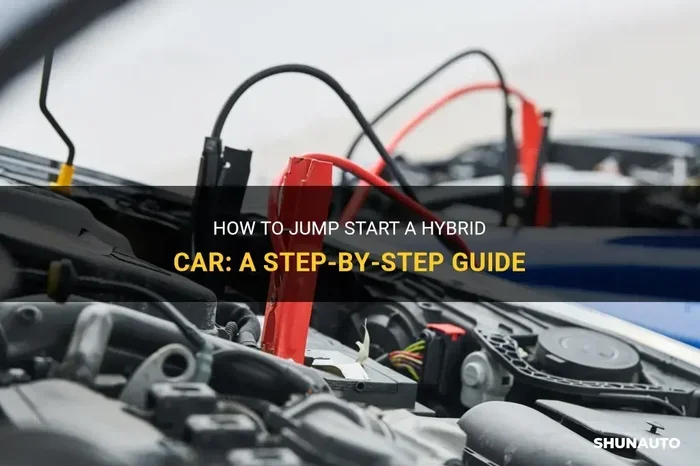
Can You Jump-Start a Dead Hybrid Car – Yes It Works
Can You Jump-Start a Dead Hybrid Car? The answer is yes, and it is simpler than most people think. When your hybrid car battery dies, you are not stuck on the side of the road forever. This guide walks you through the entire jump-start procedure step by step, covering safety rules, common mistakes, and expert tips to get you back on the road with confidence.
Ever found yourself staring at a hybrid car that simply will not start? It is a frustrating moment, especially when you are in a hurry or stuck in an unfamiliar place. Can You Jump-Start a Dead Hybrid Car? The short answer is yes. Unlike what many drivers assume, hybrid vehicles respond very well to a standard jump-start. The key is knowing the right steps and respecting the unique hybrid car battery setup that these vehicles use.
This article breaks down everything you need to know. You will learn the complete jump-start procedure, the safety rules you must follow, the common mistakes that trip people up, and the right time to call for roadside assistance. By the end, you will feel confident enough to handle a dead battery situation on your own. Let us walk through it together, step by step.
Hybrid cars have become hugely popular over the past decade. They offer excellent fuel economy, lower emissions, and a smooth driving experience thanks to the electric motor and regenerative braking system. But even the best hybrid vehicle can face a dead battery. It happens to the best of us. The good news is that the jump-start procedure for hybrids is straightforward and safe when you know what you are doing.
Key Takeaways
- Yes, it works: A dead hybrid car can be jump-started using the same method as a regular car, targeting the 12-volt auxiliary battery.
- Know your two-battery system: Hybrids have a 12-volt battery and a high-voltage battery. Only the 12-volt battery needs a boost.
- Follow the cable order carefully: Red to dead positive, red to good positive, black to good negative, black to unpainted metal.
- Safety first: Never touch orange high-voltage cables and always wear protective gear.
- Drive it after jumping: Keep the car running for at least 20 to 30 minutes to recharge the 12-volt battery.
- Call a pro when needed: If the jump-start fails twice or you smell burning, seek professional hybrid vehicle troubleshooting.
- Prevention matters: Regular hybrid car maintenance and battery checks can prevent most dead battery situations.
📑 Table of Contents
Can You Jump-Start a Dead Hybrid Car When the Battery Dies
A dead battery in a hybrid vehicle can leave you stranded and worried. But not all hope is lost. Understanding what is happening under the hood helps you stay calm and take the right action. Hybrid cars use two separate battery systems, and each one serves a very different purpose.
Understanding the Two Battery Systems
Every hybrid vehicle has a 12-volt auxiliary battery and a high-voltage hybrid battery. The 12-volt battery is a traditional lead-acid battery. It powers the lights, radio, infotainment system, and the car’s computer. Most importantly, it starts the engine. The high-voltage battery is a completely different animal. It is typically a nickel-metal hydride or lithium-ion pack that powers the electric motor. It works alongside the gas engine to deliver outstanding fuel efficiency.
When people say their hybrid car will not start, they usually mean the 12-volt battery is dead. The high-voltage battery often remains perfectly fine. This distinction matters a lot. It means a simple jump-start can often fix the problem entirely. You do not always need a full hybrid battery replacement, which can cost thousands of dollars. The 12-volt battery is inexpensive and easy to boost.
Common dead battery symptoms include a completely blank dashboard, no response when you press the power button, and dim or non-working headlights. If you notice these signs, your 12-volt auxiliary battery likely needs a boost. Sometimes the battery just age past its useful life. Other times, you may have left the lights on or an accessory plugged in overnight.
Quick Tips
- Always check if the dashboard lights come on before attempting a jump-start.
- Keep a quality set of jumper cables in your trunk at all times.
- Know where your hybrid battery terminals are located. Check your owner’s manual for the exact spot.
- Some hybrids hide the 12-volt battery in the trunk or under a rear seat. Do not assume it is under the hood.
How to Jump-Start a Dead Hybrid Car
The jump-start procedure for a hybrid car is very similar to a regular car. But there are a few important differences you need to know. You must follow these steps carefully to protect both vehicles and keep yourself safe. Rushing through the process can cause damage or injury.
Step-by-Step Jump-Start Process
Follow these steps in the exact order listed. Do not skip any of them.
- Turn off both vehicles. Make sure the assisting car and your hybrid are both completely turned off. Remove the keys from the ignition or press the start button to shut them down fully.
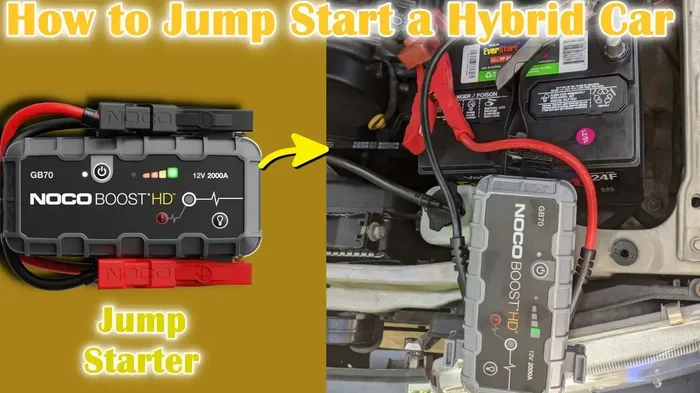
- Locate the 12-volt battery terminals. In most hybrids, the 12-volt battery is in the trunk, under a rear seat, or sometimes in the engine bay. Open the hood or trunk and find the positive and negative terminals.
- Connect the red jumper cable to the positive terminal of the dead battery. Look for the plus sign (+) on the terminal. Make sure the clamp is clean and tight.
- Connect the other red clamp to the positive terminal of the working battery. This is the battery in the assisting car.
- Connect the black cable to the negative terminal of the working battery. Again, make sure the connection is secure.
- Connect the other black clamp to an unpainted metal surface on your hybrid car. This grounds the circuit safely. Do not connect it directly to the negative terminal of the dead battery if you can avoid it. This reduces the risk of sparking near the battery.
- Start the assisting car. Let it idle for at least 5 minutes. This gives the dead battery time to build up some charge.
- Try starting your hybrid car. Press the power button or turn the key. If it starts, let it run for at least 15 to 20 minutes.
Once your hybrid engine starts, keep it running. The hybrid powertrain will begin recharging the 12-volt battery automatically. Drive the car for at least 20 to 30 minutes to ensure a full and proper charge. Do not turn it off immediately after a jump-start. You want the alternator and the hybrid system to do their job fully.
Expert Insights
Many hybrid owners worry about damaging the electric motor during a jump-start. This is rarely a concern. The 12-volt system and the high-voltage system are completely isolated from each other. The power inverter and electric motor are protected by the hybrid’s built-in safety design. As long as you follow the correct cable connection order and avoid touching orange high-voltage cables, you are completely safe. Certified hybrid technicians confirm that jump-starting is one of the safest procedures when done correctly.
The Difference Between Hybrid and Regular Car Batteries
It helps to understand how hybrid batteries differ from regular car batteries. This knowledge makes the jump-start process much easier and helps you avoid costly mistakes. The two systems share some similarities but have important differences.
| Feature | Regular Car Battery | Hybrid Car Battery |
|---|---|---|
| Voltage | 12 volts | 12 volts (auxiliary) plus 200 to 400 volts (high-voltage) |
| Purpose | Starts the engine and powers accessories | 12V battery starts the car; high-voltage battery powers the electric motor |
| Recharging Method | Alternator while driving | Regenerative braking and the gas engine recharge the system |
| Jump-Start Needed? | Yes, when the battery is dead | Yes, but only the 12-volt auxiliary battery needs boosting |
| Typical Lifespan | 3 to 5 years | 12V battery: 3 to 5 years; high-voltage battery: 8 to 10 years |
| Replacement Cost | 100 to 200 dollars | 12V battery: 100 to 200 dollars; high-voltage battery: 2000 to 8000 dollars |
The table above shows why jump-starting a hybrid is different from jump-starting a fully electric vehicle. In a hybrid, the low-voltage battery is what typically dies. The high-voltage pack usually stays perfectly healthy. This means the jump-start procedure is safe and effective in most cases. You are not risking damage to the expensive high-voltage components.
Hybrid car maintenance plays a big role in preventing dead batteries. Regular check-ups can catch a weak 12-volt battery before it leaves you stranded on the side of the road. Many dealerships include a battery health check during routine service visits. You can also ask your mechanic to test the battery voltage at every oil change. A simple test takes only a few minutes and can save you a lot of trouble down the road.
Safety Tips You Must Follow
Jump-starting any car comes with risks. Hybrid vehicles add a layer of complexity because of their high-voltage systems. But as long as you follow basic safety precautions, the process is very safe and straightforward. Never skip the safety steps, even if you are in a hurry.
Essential Safety Precautions
- Never touch the high-voltage cables. These are usually bright orange in color. They carry very powerful voltage and can cause serious injury or death if mishandled.
- Wear protective gloves and eyewear. A spark or short circuit can cause burns or eye injuries. A simple pair of rubber gloves adds a layer of protection.
- Make sure both cars are in park or neutral. Do not attempt a jump-start with either car in drive or reverse. This prevents unexpected movement.
- Check for battery leaks before you start. If the battery case is cracked, bulging, or leaking fluid, do not attempt a jump-start. Call for roadside assistance immediately.
- Keep sparks and flames away from the battery. Batteries can release flammable hydrogen gas. A single spark near the battery can cause an explosion.
- Read your owner’s manual first. Every hybrid model has specific instructions for jump-starting. Follow them closely. Some manufacturers have unique requirements for their models.
- Work in a well-ventilated area. If you are in a closed garage, move both cars outside. Exhaust fumes from the assisting car can be dangerous in enclosed spaces.
Quick Tips for Safe Jump-Starting
- Always connect and disconnect cables in the same order: red to dead positive, red to good positive, black to good negative, black to unpainted metal on the dead car.
- Keep jumper cables away from moving engine parts like fans and belts.
- If you smell sulfur or rotten eggs near the battery, do not proceed. The battery may be leaking hydrogen gas.
- Use quality jumper cables with thick gauges (at least 6 gauge) for better conductivity and safety.
- Never let the red and black cables touch each other while connected to a battery.
Common Mistakes to Avoid
Even experienced drivers make mistakes when jump-starting a hybrid. These errors can lead to costly repairs or even dangerous situations. Knowing what to avoid keeps you and your vehicle safe.
Mistake 1: Connecting Cables to the Wrong Terminals
Mixing up positive and negative cables can fry your car’s electronics. Always double-check the plus and minus signs before connecting anything. A reversed connection can damage the hybrid system reset circuitry and cost hundreds of dollars in repairs. Take an extra five seconds to verify each connection before making it.
Mistake 2: Ignoring the Hybrid Warning Light
If you see a warning light on the dashboard after connecting cables, stop immediately. This could indicate a problem with the hybrid powertrain or the hybrid vehicle troubleshooting system. Disconnect the cables in reverse order and consult a professional. Do not keep trying to start the car.
Mistake 3: Not Letting the Assisting Car Charge Long Enough
Some drivers try to start their hybrid immediately after connecting cables. This rarely works. Let the assisting car run for at least 5 to 10 minutes. This gives the dead battery time to build up enough charge to turn the engine over. Patience pays off here.
Mistake 4: Forgetting to Turn Off All Accessories
Before jump-starting, turn off the radio, air conditioning, heated seats, and headlights. These accessories draw power from the battery and can interfere with the charging process. Once the car starts, you can turn them back on one at a time.
Mistake 5: Disconnecting Cables in the Wrong Order
When you are done, disconnect the cables in the reverse order. Remove the black clamp from the unpainted metal first, then the black from the good battery, then the red from the good battery, and finally the red from the dead battery. Getting this order wrong can cause sparks or damage.
Common Mistakes Summary
- Wrong cable connection order
- Ignoring dashboard warning lights
- Rushing the charging process
- Leaving accessories on during jump-start
- Touching high-voltage components
- Disconnecting cables in the wrong order
When to Call a Professional
Most of the time, you can handle a dead hybrid battery on your own. But there are situations where you should call in the experts. Knowing when to get help saves you time, money, and prevents further damage to your vehicle. Do not hesitate to seek professional help if something does not feel right.
Call roadside assistance or a certified mechanic if any of the following apply:
- The jump-start does not work after two full attempts.
- You notice a burning smell or visible damage to the battery or cables.
- The high-voltage battery warning light is illuminated on the dashboard.
- The car starts but immediately dies again within a few seconds.
- You are uncomfortable or unsure about any step in the process.
- The battery is more than five years old and has shown signs of weakness recently.
Sometimes the problem is not the 12-volt battery at all. It could be a failing alternator, a faulty power inverter, or an issue with the hybrid system reset. These problems require professional diagnosis. A trained technician has the right tools, diagnostic software, and expertise to test the hybrid vehicle troubleshooting systems properly. They can also perform a hybrid battery replacement if the high-voltage pack is actually the problem.
Regular hybrid car maintenance can prevent most battery issues from arising in the first place. Schedule professional check-ups every 6 months or as recommended by your manufacturer. Keep your battery terminals clean and tight. Inspect cables for wear or corrosion. These simple habits go a long way in extending the life of both your 12-volt and high-voltage batteries. Prevention is always better and cheaper than repair.
Conclusion
Can You Jump-Start a Dead Hybrid Car? Absolutely yes. The process is safe, effective, and well within the capabilities of most car owners. You just need to understand the two-battery system, follow the correct cable connection order, and respect the safety guidelines outlined in this guide.
Remember that the 12-volt auxiliary battery is what typically dies in a hybrid vehicle. The high-voltage battery that powers the electric motor and supports the hybrid powertrain usually remains perfectly fine. A standard jump-start gives your 12-volt battery the boost it needs to start the hybrid engine start sequence and get you back on the road.
Keep a quality set of jumper cables in your trunk at all times. Know where your battery terminals are located. Follow the steps in this guide carefully. With a little preparation and the right knowledge, you can handle a dead battery situation confidently and get back to your day without stress.
Stay safe, stay prepared, and never let a dead battery ruin your plans. Your hybrid car is designed to be reliable, and with the right approach, a dead battery is just a minor bump in the road.
Frequently Asked Questions
Can You Jump-Start a Hybrid Car with a Regular Car?
Yes, you can jump-start a hybrid car using a regular gasoline-powered car. The process is almost identical. Just make sure you connect the cables to the 12-volt auxiliary battery terminals, not the high-voltage components. Always follow the correct connection order to stay safe.
How Long Should I Let the Hybrid Car Run After a Jump-Start?
You should let the hybrid car run for at least 20 to 30 minutes after a successful jump-start. This allows the alternator and the hybrid system to fully recharge the 12-volt auxiliary battery. Driving the car is even better, as the regenerative braking system also helps recharge the battery while you drive.
Is It Safe to Jump-Start a Hybrid Car in the Rain?
It is generally safe, but you should take extra precautions. Make sure all connections are dry and secure. Keep the cables away from puddles or standing water. If conditions feel unsafe, wait for better weather or call for roadside assistance. Water and electricity do not mix well, so use common sense.
What Happens if You Jump-Start a Hybrid Car Wrong?
Connecting cables incorrectly can damage the car’s electronics, blow fuses, or in rare cases, cause a spark near the battery. Always follow the correct order: red to dead positive, red to good positive, black to good negative, black to unpainted metal. If you make a mistake, disconnect immediately and try again in the correct order.
Do All Hybrid Cars Use the Same Jump-Start Method?
Most hybrid cars follow the same basic jump-start method, but there can be small differences between models. Some hybrids have the 12-volt battery in the trunk instead of the engine bay. Always check your owner’s manual for model-specific instructions. The general process remains the same across brands.
Can a Dead Hybrid Battery Be Recharged Without a Jump-Start?
Yes, if you have a battery charger, you can recharge the 12-volt auxiliary battery without jump-starting. Simply connect the charger to the battery terminals and let it charge for several hours. This is a slower but safe method. For the high-voltage battery, only a certified technician should perform recharging or replacement procedures.