Can You Use Windex on Car Windows Without Harming Them
Many car owners ask: Can You Use Windex on Car Windows? The short answer is: it depends. Windex works well on plain glass, but it can damage tinted windows, window films, and interior plastics. Using Windex on car windows may cause streaks, fading, or peeling over time. This guide covers the risks, safe uses, and better alternatives so your car glass stays crystal clear.
You are driving down the road. A bug splats on your windshield. A bird leaves its mark on the side window. Your car windows look terrible. So you grab a bottle of Windex from under your kitchen sink. But wait. Can You Use Windex on Car Windows? Is it safe? The answer is not as simple as yes or no. Many car owners use Windex without thinking twice. But the truth is that Windex can cause real damage to your car windows over time. In this guide, we will break down everything you need to know. We will cover the risks, the safe uses, and the best alternatives for cleaning your car glass the right way.
Can You Use Windex on Car Windows safely? Let us find out together. We will look at what Windex is made of, why it can be risky, and what you should use instead. By the end of this article, you will know exactly how to keep your car windows clean, streak-free, and damage-free. Let us dive in.
Key Takeaways
- Windex is not ideal for car windows: The ammonia in Windex can harm tinted windows and interior surfaces.
- Plain glass is safe: You can use Windex on untinted rear windows and side windows in a pinch.
- Streak-free shine is possible: Better alternatives like ammonia-free cleaners give you a cleaner result without the risks.
- Microfiber cloths matter: Using the right cloth prevents scratches and car window streaks.
- Homemade cleaners work great: A simple mix of water and vinegar is a safe, cheap car window cleaning option.
- Prevention is key: Regular cleaning and proper products keep your car windows looking new for years.
📑 Table of Contents
- What Is Windex and What Is in It?
- Can You Use Windex on Car Windows? The Short Answer
- Why Windex Can Be Problematic for Car Windows
- When Is It Okay to Use Windex on Your Car?
- Better Alternatives to Windex for Car Windows
- How to Clean Car Windows the Right Way
- Common Mistakes People Make When Cleaning Car Windows
- How Often Should You Clean Your Car Windows?
- The Bottom Line: Should You Use Windex on Your Car?
What Is Windex and What Is in It?
Windex is one of the most popular glass cleaners in the world. You have probably seen the blue bottle in your parents’ house or at a gas station. But what is actually in it? Understanding the Windex ingredients helps you see why it can be a problem for car windows.
Most Windex products contain ammonia. Ammonia is a strong chemical that cuts through grease and grime very well. It also evaporates quickly, which leaves glass looking shiny. But here is the catch. Ammonia is harsh. It is great for kitchen glass. It is not so great for car windows, especially if your car has tinted windows or window film.
The Main Ingredients in Windex
Here are the key ingredients found in most Windex products:
- Ammonium hydroxide (a form of ammonia)
- Isopropanolamine (a solvent and surfactant)
- Fragrances (for the blue scent)
- Dyes (the blue coloring)
- Water (the base ingredient)
These ingredients work great for home glass. But your car windows are different from your kitchen windows. Car glass has special coatings. The tint on your windows is a thin film. Ammonia can break down that film over time. This is why car window cleaning needs a different approach than cleaning your bathroom mirror.
Can You Use Windex on Car Windows? The Short Answer
So, can you use Windex on car windows? The honest answer is: it is not recommended. But there are some exceptions. Let us look at when Windex is okay and when it is not.
You can use Windex on plain, untinted car glass in a real pinch. For example, if you are on a road trip and your back window is covered in road grime, a quick wipe with Windex will not destroy your window. But it should not be your regular cleaning method. Over time, the ammonia can dry out rubber seals, damage plastic trim, and dull the appearance of your car glass.
The real question is not just “Can You Use Windex on Car Windows?” It is “Should you?” And for most car owners, the answer is no. There are much better options that are safer and often cheaper too.
Why Windex Can Be Problematic for Car Windows
Now let us get into the details. Why is Windex risky for your car? There are several reasons. Each one matters if you want to keep your car looking great.
It Can Damage Tinted Windows
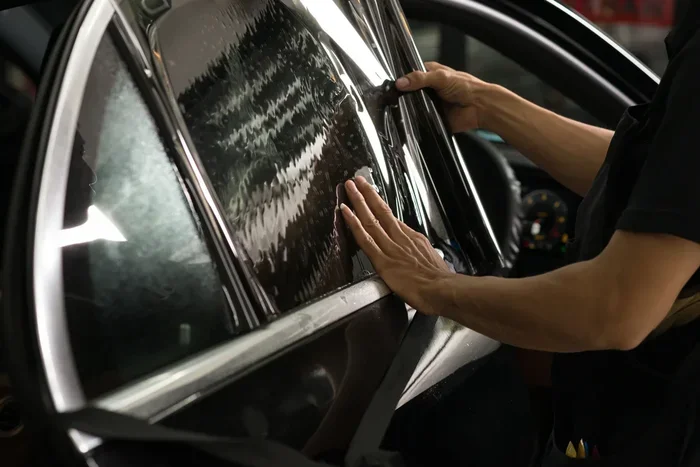
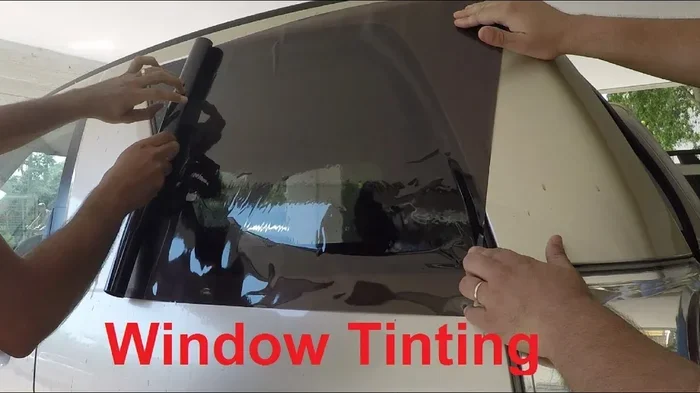
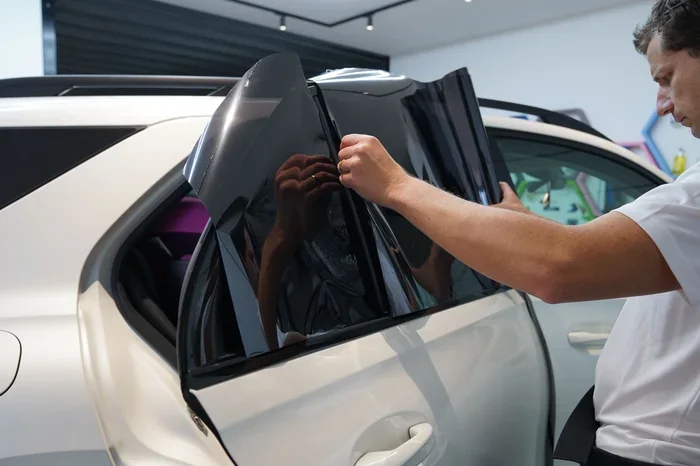
This is the biggest concern. Most modern cars come with tinted windows from the factory. The tint is a thin film applied to the glass. Ammonia in Windex can eat away at this film. Over weeks and months, you may notice the tint bubbling, peeling, or fading. Once the tint is damaged, fixing it is expensive. You would need to replace the entire window or reapply the tint.
If your car has tinted windows, you should never use Windex. Even a single use can start to weaken the adhesive that holds the tint in place. This is one of the most common car window streaks and damage causes that people overlook.
It Can Harm Interior Plastics and Trim
When you spray Windex inside your car, it does not just hit the glass. It also touches the plastic trim around the windows. It touches the dashboard near the windshield. It touches the vinyl on your door panels. Ammonia is a degreaser. It strips away the protective coating on plastic and vinyl surfaces. This can cause those surfaces to crack, fade, or look dull.
Think about it. You spend hundreds or thousands of dollars on your car’s interior. You do not want a cheap bottle of glass cleaner to ruin it. Using a proper automotive glass cleaner protects both your glass and your interior.
It Leaves Streaks on Car Glass
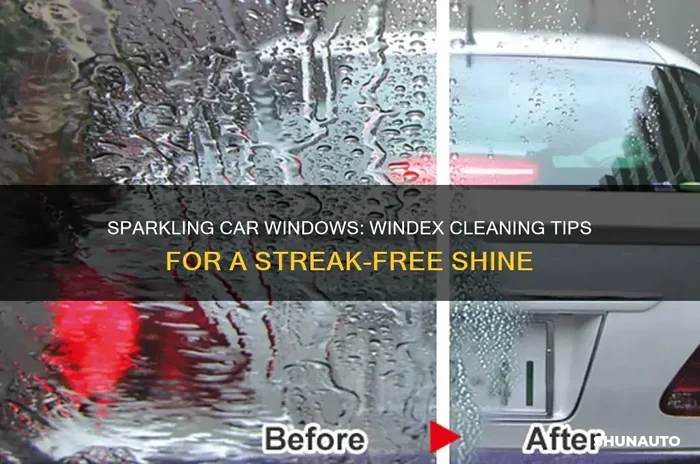
Here is a funny thing about Windex. It works great on home glass. But on car glass, it often leaves streaks. Why? Car windows are bigger. They are exposed to more dirt, pollen, and road grime. Windex evaporates too fast on large surfaces. This leaves behind residue that creates a hazy, streaky look.
If you have ever sprayed Windex on your car and seen streaks after it dries, you are not alone. This is one of the most common complaints about using household glass cleaners on cars. Car windows streak-free results need a cleaner that is formulated for the job.
It Dries Out Rubber Seals
Your car windows have rubber seals around the edges. These seals keep water and wind out. Ammonia can dry out and crack rubber over time. When rubber seals crack, water leaks into your car. This can cause mold, musty smells, and even electrical problems. Keeping your rubber seals healthy is an important part of car care tips that many people forget.
When Is It Okay to Use Windex on Your Car?
We have covered the risks. But let us be fair. There are a few situations where using Windex on your car is not the end of the world.
On Untinted Rear Windows
If your rear windows are not tinted, a quick Windex wipe is not going to cause a disaster. Plain glass without any film or coating can handle Windex better than tinted glass. But even then, you should rinse and dry the glass well to avoid streaks.
In an Emergency
Sometimes you just need to clean your window right now. Maybe a bird dropped on your windshield while you are at a rest stop. You do not have a proper car glass cleaner with you. In that case, a single use of Windex will not ruin your car. Just do not make it a habit. Use it once, rinse with water, and dry with a clean cloth as soon as you can.
On Exterior Glass Away From Tinted Areas
If you need to clean the exterior of your car windows and the glass is far from any tinted edges, Windex is less risky. But you should still avoid letting it drip onto the plastic trim or rubber seals. Be careful and deliberate when you spray.
Quick Tips
- Always use a microfiber cloth when cleaning car windows. It is gentle and does not scratch.
- Never spray Windex directly onto the car. Spray it onto the cloth instead.
- Wipe in one direction, not in circles, to reduce streaks.
- Dry the glass thoroughly after cleaning.
- Keep a dedicated car glass cleaner in your trunk for regular use.
Better Alternatives to Windex for Car Windows
The good news is that there are plenty of great alternatives to Windex for cleaning your car windows. Some are store-bought. Some are homemade. All of them are safer for your car.
Commercial Automotive Glass Cleaners
The best option is to buy a cleaner made specifically for cars. These automotive glass cleaners are ammonia-free and safe for tinted windows and window film. They are designed to leave glass streak-free and shiny. Some popular brands include Invisible Glass, Stoner, and Meguiar’s. These products are widely available at auto parts stores and online.
When shopping for a best car window cleaner, look for these features:
- Ammonia-free formula
- Safe for tinted windows and window film
- Streak-free finish
- Fast-drying formula
- No residue left behind
Homemade Car Window Cleaner
You can make your own car window cleaner at home. It is cheap and very effective. Here is a simple recipe:
- Mix one part white vinegar with one part distilled water in a spray bottle.
- Add a few drops of dish soap for extra cleaning power.
- Shake the bottle gently to mix.
- Spray onto the glass and wipe with a microfiber cloth.
This homemade car cleaner works great for vinegar car windows cleaning. It is ammonia-free, safe for tinted windows, and leaves your glass sparkling. Many professional detailers use vinegar-based solutions for interior car detailing.
Rain-X and Other Glass Treatments
Rain-X is another popular option for car windows. It creates a hydrophobic coating on your glass. This means water beads up and rolls off your windshield. It is great for driving in the rain. Rain-X is safe for most car windows, including tinted ones. Just make sure to follow the instructions on the bottle.
How to Clean Car Windows the Right Way
Knowing what cleaner to use is only half the battle. How you clean your car windows matters just as much. Here is a step-by-step guide to getting car windows streak-free every time.
Step 1: Gather Your Supplies
You will need:
- A quality automotive glass cleaner or homemade vinegar solution
- Two microfiber cloths (one for washing, one for drying)
- A bucket of clean water
- A soft-bristle brush or detailing brush for removing loose dirt
Step 2: Remove Loose Dirt
Before you spray any cleaner, remove loose dirt and debris from the window. Use a soft brush or a damp cloth to wipe away dust, pollen, and sand. Scratching your windows with dirt particles is one of the biggest mistakes people make during exterior car cleaning.
Step 3: Spray the Cleaner
Spray your chosen cleaner onto the glass. Do not soak it. A light, even coat works best. If you are cleaning interior windows, spray the cleaner onto your cloth first. This prevents the cleaner from dripping onto your dashboard and plastic trim.
Step 4: Wipe with a Microfiber Cloth
Use a clean microfiber cloth to wipe the glass. Wipe in a vertical motion on one side and a horizontal motion on the other side. This way, you can tell which side a streak is on if one appears. Microfiber cloth car windows cleaning is the gold standard because microfiber is soft and absorbs liquid without leaving lint behind.
Step 5: Dry and Buff
Use the second microfiber cloth to dry the glass completely. Buff in circular motions for a streak-free shine. Take your time with this step. Rushing through the drying process is one of the main causes of car window streaks.
Expert Insights
Professional car detailers recommend cleaning your windows in the shade. Sunlight causes the cleaner to dry too fast, which leads to streaks and residue. Early morning or late afternoon is the best time for car window cleaning. Also, clean your windows every two weeks during pollen season. This prevents buildup that is harder to remove later.
Common Mistakes People Make When Cleaning Car Windows
Even with the right cleaner, mistakes can happen. Here are the most common errors to avoid.
Using Paper Towels or Newspaper
Some people swear by newspaper for cleaning car windows. While it can work, newspaper ink can transfer onto your fingers and trim. Paper towels can also leave small scratches on glass over time. Microfiber cloths are always the better choice.
Spraying Cleaner Directly on the Car
When you spray cleaner directly onto your car, it often drips onto the plastic trim and seals. This can cause fading and cracking. Always spray onto your cloth or a sponge first.
Cleaning in Direct Sunlight
As mentioned above, heat makes cleaner evaporate too fast. This leaves behind residue and streaks. Find a shaded spot or clean your car in a garage whenever possible.
Using Household Cleaners Not Meant for Cars
Windex is not the only household cleaner people misuse on cars. Some people use bleach, all-purpose cleaners, or dish soap straight from the bottle. These products are too harsh for car surfaces. Always use a cleaner that is safe for automotive glass and trim.
Skipping the Interior Windows
Many people focus only on the outside of their car windows. But interior windows collect dust, smoke residue, and condensation. Dirty interior windows cause glare and reduce visibility. Make interior car detailing part of your regular routine.
How Often Should You Clean Your Car Windows?
How often you clean your car windows depends on your driving conditions and environment.
For most people, cleaning car windows once every two weeks is a good schedule. If you drive on dirt roads or in areas with a lot of pollen, you may need to clean them more often. If you park your car outside under trees, sap and bird droppings will require more frequent cleaning.
Here is a simple maintenance routine to follow:
- Weekly: Quick wipe-down of the windshield and side windows with a damp microfiber cloth.
- Bi-weekly: Full cleaning with a proper automotive glass cleaner.
- Monthly: Apply a glass treatment like Rain-X for added protection.
- As needed: Clean up any bug splats, bird droppings, or tree sap immediately to prevent etching.
Sticking to this routine keeps your car glass protection strong and your windows looking great. It also makes each cleaning session faster and easier.
The Bottom Line: Should You Use Windex on Your Car?
So, can you use Windex on car windows without harming them? The answer is: it is risky and not recommended. Windex contains ammonia that can damage tinted windows, window film, plastic trim, and rubber seals. It can also leave streaks on your car glass. While a one-time emergency use on plain glass is not a catastrophe, it should never be your go-to cleaner for your car.
The best approach is to use a dedicated automotive glass cleaner or a simple homemade vinegar solution. These alternatives are safer, often cheaper, and give you a better streak-free shine. Pair them with a good microfiber cloth and a regular cleaning schedule. Your car windows will stay clear, shiny, and damage-free for years to come.
Remember, your car is a big investment. Taking a few extra minutes to use the right products makes a huge difference. Can You Use Windex on Car Windows? Now you know the answer. And more importantly, you know what to use instead. Happy cleaning!
Frequently Asked Questions
Is Windex safe for tinted car windows?
No, Windex is not safe for tinted car windows. The ammonia in Windex can break down the tint film, causing bubbling, peeling, or fading. Always use an ammonia-free cleaner on tinted windows.
What can I use instead of Windex on my car?
You can use a dedicated automotive glass cleaner, a homemade vinegar and water solution, or products like Rain-X. These are all safer for car glass and tinted windows than Windex.
Will Windex damage my car’s rubber seals?
Yes, over time Windex can dry out and crack rubber seals around car windows. This can lead to water leaks and other problems. Use a cleaner designed for automotive use to protect your seals.
How do I remove streaks from car windows after using Windex?
Rinse the glass with clean water and dry it with a microfiber cloth. For stubborn streaks, mix a solution of one part vinegar to one part water and wipe the glass again. This should remove most Windex residue.
Can I use Windex on my car’s exterior glass?
You can use Windex on exterior plain glass in a pinch, but it is not recommended. It can drip onto plastic trim and rubber seals, causing damage over time. A proper car glass cleaner is a much better choice.
How often should I clean my car windows?
Clean your car windows every two weeks as a general rule. If you drive in dusty or pollen-heavy areas, clean them more often. Regular cleaning prevents buildup and keeps your windows looking clear.
=== CONCLUSION ===
Can You Use Windex on Car Windows without harming them? The answer is clear: it is best to avoid it. Windex works well for home glass, but it is not formulated for the unique needs of car windows. The ammonia can damage tints, dry out seals, and leave stubborn streaks. Instead, choose an ammonia-free automotive glass cleaner, a homemade vinegar solution, or a trusted glass treatment. Clean your windows regularly with a microfiber cloth, and you will enjoy a clear, streak-free view every time you drive. Your car will thank you for it.