Car Carrier Truck India Everything You Need To Know
A car carrier truck India is a specialized vehicle designed to transport multiple cars safely across long distances. Whether you’re a dealer, logistics company, or individual, understanding the types, costs, and features of these trucks is essential. This guide covers everything from car carrier truck price in India to maintenance tips and top manufacturers.
Key Takeaways
- Multiple Types Available: India offers various car carrier trucks including single-level, double-decker, and hydraulic models suited for different needs.
- Price Range Varies: The car carrier truck price in India ranges from ₹15 lakhs to ₹50 lakhs depending on capacity, brand, and features.
- Top Manufacturers: Leading brands like Tata, Ashok Leyland, and Mahindra offer reliable car carrier truck India options.
- Capacity Matters: Most car carrier trucks can transport 2 to 8 vehicles depending on the model and design.
- Regular Maintenance Is Key: Proper care of hydraulic systems, ramps, and straps ensures long service life.
- Legal Compliance Required: You need proper permits and insurance to operate a car carrier truck commercially in India.
- Fuel Efficiency Counts: Choosing the right engine type can significantly reduce operating costs over time.
📑 Table of Contents
- What Is a Car Carrier Truck India?
- Types of Car Carrier Trucks Available in India
- Car Carrier Truck Price in India: What to Expect
- Factors to Consider When Buying a Car Carrier Truck India
- Top Car Carrier Truck Manufacturers in India
- How to Maintain Your Car Carrier Truck for Longevity
- Common Mistakes to Avoid with Car Carrier Trucks
- The Growing Future of Car Carrier Trucks in India
- Expert Insights: What Industry Professionals Want You to Know
- Key Takeaways
- Conclusion
What Is a Car Carrier Truck India?
A car carrier truck India is a specialized transport vehicle designed to carry multiple cars or light vehicles from one location to another. These trucks are built with unique features like ramps, hydraulic lifts, and secure strapping systems that keep vehicles safe during transit. They are not your average trucks — they are purpose-built machines.
In India, the demand for these trucks has grown rapidly. Car dealers, vehicle logistics companies, and even private individuals need reliable ways to move vehicles across states. That is where the car transporter comes in. These trucks make it possible to ship cars efficiently, saving time and reducing wear and tear compared to driving them individually.
India’s growing automotive industry fuels this demand. With millions of cars sold every year, the need to move vehicles from factories to dealerships — or from one city to another — is enormous. A good vehicle transport truck handles this job with ease. Whether you are looking at a small single-car carrier or a massive double-decker, there is a solution for every requirement.
Types of Car Carrier Trucks Available in India
Not all car carrier trucks are the same. Different situations call for different designs. Let us break down the most common types you will find in the Indian market. Each type has its own strengths, and choosing the right one depends on your specific needs.
Single-Level Car Carrier
This is the most basic and affordable option. A single-level auto carrier can typically carry 2 to 3 cars at a time. It is perfect for small businesses or individuals who need to move a limited number of vehicles. The design is simple, making maintenance easy and costs lower. These trucks are popular among local car dealers who transport vehicles between nearby cities.
Double-Decker Car Carrier
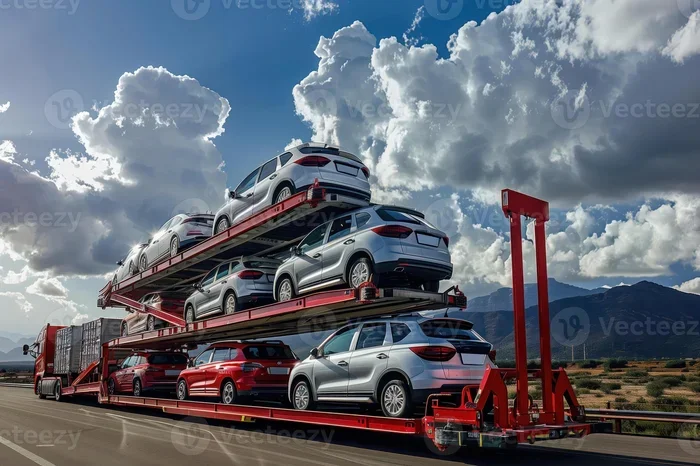
If you need to move more vehicles at once, the double-decker is your best friend. This car hauling truck can carry up to 6 or 8 cars depending on the model. The upper deck is usually foldable or hydraulic, allowing easy loading and unloading. Double-decker carriers are commonly used by large logistics companies and national vehicle transport networks. They maximize capacity while keeping the overall truck length manageable.
Hydraulic Car Carrier
Hydraulic car carrier truck India models use advanced hydraulic systems for loading and unloading vehicles. The ramp tilts and adjusts smoothly, making it simple to roll cars onto the carrier. This reduces the risk of damage during loading. These are especially useful for low-clearance or luxury vehicles that need gentle handling. The hydraulic system adds to the cost but provides unmatched convenience.
Semi-Floor Car Carrier
This type features a lowered floor section in the middle, making it easier to load vehicles without steep ramps. It is a practical middle ground between single-level and double-decker designs. Vehicle transport truck models in this category can carry around 4 to 5 cars comfortably. They offer good stability and are relatively affordable.
Custom-Built Car Carriers
Some companies need specialized solutions. Custom-built carriers are designed to meet specific requirements — maybe you need extra width, unusual capacity, or unique branding. Many car carrier truck manufacturers in India offer bespoke builds for corporate clients and large fleet operators. These trucks often come with premium features like climate-controlled upper decks for luxury car transport.
Car Carrier Truck Price in India: What to Expect
One of the first questions anyone asks is about the car carrier truck price in India. The answer depends on several factors, but here is a general breakdown to help you plan your budget.
Price Range by Type
Entry-level single-level car carriers start around ₹15 lakhs to ₹20 lakhs. These are basic but functional trucks suitable for small-scale operations. Mid-range double-decker models typically cost between ₹25 lakhs and ₹35 lakhs. High-end hydraulic or custom-built carriers can go up to ₹45 lakhs to ₹55 lakhs or more. Prices also vary based on whether you buy a new truck or a used one.
Factors That Affect Price
- Brand and Manufacturer: Well-known brands like Tata and Ashok Leyland command higher prices but offer better reliability and after-sales support.
- Loading Capacity: Trucks that carry more vehicles naturally cost more due to stronger frames and larger hydraulic systems.
- Hydraulic Features: Fully hydraulic loading systems add to the price but provide smoother and safer vehicle handling.
- Body Material: Steel bodies are cheaper but heavier. Aluminum bodies are lighter but more expensive.
- Additional Features: GPS tracking, anti-lock braking systems, and air suspension can increase the overall cost.
Used vs. New Car Carrier Trucks
Buying a used car carrier truck India can save you a significant amount of money. A well-maintained used truck might cost 40-60% of the new price. However, always inspect the chassis, hydraulic system, and frame for rust or damage before purchasing. Factor in potential repair costs when comparing used and new options. Sometimes spending a little more on a new truck saves you money in the long run.
Factors to Consider When Buying a Car Carrier Truck India
Picking the right vehicle transport truck is a big decision. It affects your daily operations, profitability, and safety. Here are the key factors you should think about before making a purchase.
Loading Capacity and Dimensions
Think about how many cars you need to transport regularly. A 2-car carrier might be enough to start, but if your business grows, you will want a larger model. Also, check the truck dimensions carefully. You need to ensure it fits in your garage or storage area and complies with road regulations for vehicle width and length limits in India.
Engine Power and Fuel Efficiency
A strong engine is essential for hauling heavy loads. Most car carrier truck India models use diesel engines because they offer better torque and fuel efficiency. Look for engines in the 150-250 HP range for balanced performance. Fuel costs add up quickly, so choosing an efficient engine can save you thousands of rupees every month. Always test drive the truck to feel how it handles under load.
Safety Features
Safety should never be compromised. Your carrier will be transporting valuable vehicles, so look for these features:
- Anti-lock braking system (ABS)
- Hydraulic emergency stop on ramps
- Secure strapping points and non-slip ramp surfaces
- Rear-view cameras and parking sensors
- Sturdy frame construction with proper weight distribution
After-Sales Support and Brand Reputation
Buying from a reputable brand gives you access to reliable after-sales service. Tata Motors, Ashok Leyland, and Mahindra have extensive service networks across India. If something breaks down, you want a service center nearby. Check online reviews and talk to other operators about their experiences with different brands before committing to a purchase.
Legal and Regulatory Requirements
Operating a car hauling truck commercially in India requires proper permits. You need a commercial vehicle license, road tax registration, and insurance. Some states also require special permits for oversized loads. Make sure you handle all legal requirements before you start operating. Fines for non-compliance can be expensive and disruptive.
Top Car Carrier Truck Manufacturers in India
The Indian market has several trusted manufacturers who build high-quality auto carrier trucks. Here are some of the most popular names you should know about.
Tata Motors
Tata is one of the largest commercial vehicle manufacturers in India. Their car carrier models are known for durability and strong build quality. Tata offers both light-duty and heavy-duty carriers suitable for different business sizes. Their after-sales network is one of the widest in the country, making maintenance convenient almost anywhere.
Ashok Leyland
Ashok Leyland has been a trusted name in Indian commercial vehicles for decades. Their car carrier truck India models are praised for fuel efficiency and comfortable driving experience. They offer a good range of options at competitive prices. The company also provides extended warranty programs that add value for buyers.
Mahindra & Mahindra
Mahindra brings innovation and modern design to the car carrier segment. Their trucks often feature advanced hydraulic systems and ergonomic cab designs. They are a solid choice for small to medium business owners looking for value without compromising on quality. Mahindra also offers financing options that make purchasing easier.
VE Commercial Vehicles (VECV)
A joint venture between Volvo and Eicher, VECV builds premium-quality carriers. Their trucks are engineered for long-distance hauling and offer excellent structural integrity. While they may cost more upfront, their longevity and performance make them a worthwhile investment for serious operators in the vehicle transport business.
How to Maintain Your Car Carrier Truck for Longevity
Owning a car carrier truck India is a significant investment. Proper maintenance ensures it serves you well for many years. Neglect can lead to costly repairs and safety hazards. Here is a practical maintenance guide for every owner.
Regular Hydraulic System Checks
The hydraulic system is the heart of your car carrier. It controls the ramp, loading platform, and sometimes the upper deck. Check hydraulic fluid levels weekly and look for leaks around hoses and joints. Replace hydraulic filters as recommended by the manufacturer. A well-maintained hydraulic system operates smoothly and prevents damage to the vehicles you are transporting.
Inspect the Ramp and Loading Surface
The ramp takes the most stress during loading and unloading. Check for cracks, warping, or loose bolts regularly. Make sure the anti-slip surface is intact so cars do not slide during transit. A damaged ramp can cause expensive vehicle damage and even accidents. Replace worn parts immediately rather than delaying repairs.
Frame and Chassis Inspection
The frame carries the entire load. Inspect it for rust, cracks, or bending at least once every six months. Rust weakens the structure over time, especially in coastal areas with salty air. Treat any rust spots immediately with proper coatings. A strong chassis ensures your carrier remains safe and reliable for years.
Engine and Transmission Care
Follow the manufacturer’s service schedule strictly for engine oil, filters, and transmission fluid. A vehicle transport truck that runs on dirty oil will lose power and efficiency. Check tire pressure and tread depth regularly. Proper tire care improves fuel economy and reduces the risk of blowouts on the highway.
Electrical Systems and Lighting
Ensure all lights, signals, and brake lights are working. Car carriers are wide vehicles, and proper lighting is legally required and essential for safety. Check batteries, wiring, and connections periodically. A simple electrical failure can lead to dangerous situations on busy roads.
Quick Tips for Daily Care
- Wash your truck regularly to prevent rust and maintain appearance
- Lubricate hinges, ramps, and moving parts monthly
- Keep a maintenance log to track services and repairs
- Train your drivers on proper loading techniques to reduce stress on the carrier
- Never exceed the maximum load capacity listed by the manufacturer
Common Mistakes to Avoid with Car Carrier Trucks
Even experienced operators make mistakes. Here are some common pitfalls and how to avoid them.
Overloading the Carrier
This is the number one mistake. Every car carrier truck India model has a maximum weight capacity. Overloading damages the frame, suspension, and tires. It also makes the truck dangerous to drive, especially on curves and during braking. Always weigh your loaded carrier and stay within limits. The extra weight is never worth the risk.
Skipping Insurance
Some owners try to save money by skipping insurance. This is a big mistake. Car carriers transport expensive vehicles. One accident can cause damages worth lakhs. Commercial vehicle insurance is mandatory in India anyway. Get comprehensive coverage that includes third-party liability, own damage, and transit insurance for the vehicles being carried.
Ignoring Wind Resistance
Car carriers have a large surface area. Strong winds can affect stability, especially on highways. Drive carefully during storms and high-wind conditions. Lower your speed and stay in the center of your lane. This simple awareness can prevent serious accidents.
Poor Loading Practices
Loading cars incorrectly causes damage and imbalance. Always place lighter vehicles on top. Secure every car with quality straps and wheel chocks. Make sure the weight is distributed evenly across the carrier. Take your time during loading — rushing leads to mistakes. Proper loading also improves fuel efficiency during transit.
Not Researching Before Buying
Buying the first truck you see without comparing options is a costly error. Research at least 3-4 models, compare prices, check reviews, and test drive before deciding. Speak with other car carrier operators about their experiences. A little research upfront saves you from buyer’s remorse and expensive mistakes later.
The Growing Future of Car Carrier Trucks in India
The Indian automotive industry is booming. Millions of cars roll off production lines every year, and they all need to reach dealerships and customers. This creates enormous demand for reliable car hauling and transport solutions. The car carrier truck industry is growing fast, and the future looks bright.
Electric and hybrid car carriers are slowly entering the market. Companies are exploring greener alternatives to diesel-powered carriers. While electric models are still expensive and limited in range, they will likely become more common as battery technology improves. For now, diesel remains the practical choice for most operators. However, keeping an eye on emerging trends helps you stay ahead of the curve.
Digital platforms are also changing the game. Online booking systems and GPS tracking make it easier to manage car carrier fleets efficiently. Operators can now find loads quickly, track vehicles in real time, and optimize routes to save fuel. Technology is making the car carrier truck India business more profitable and organized than ever before.
Government policies also support growth. Infrastructure development, improved highways, and logistics incentives all benefit the vehicle transport sector. As India moves toward a more connected and automated economy, car carriers will play an even bigger role in keeping the automotive supply chain moving smoothly.
Expert Insights: What Industry Professionals Want You to Know
We spoke with experienced car carrier operators to gather practical advice for anyone entering this field. Here is what they shared.
- Start small and grow: Begin with a single-level carrier and expand as your client base grows. Do not invest in a double-decker until you have consistent demand for higher capacity.
- Build relationships with dealers: Car dealers are your primary customers. Maintain trust and reliability, and they will keep coming back. Word-of-mouth is powerful in this business.
- Invest in driver training: Skilled drivers handle carriers more safely and efficiently. They cause fewer accidents, load vehicles faster, and take better care of the truck itself.
- Keep financial reserves: The business has seasonal fluctuations. Keep enough cash reserves to cover expenses during slow months. Do not overextend yourself financially at the start.
- Stay updated on regulations: Transport laws in India change periodically. Stay informed about permits, emission norms, and safety regulations to avoid legal trouble.
Key Takeaways
A car carrier truck India is more than just a truck — it is a business asset that can generate consistent income when chosen and maintained wisely. Whether you are starting a vehicle transport business or expanding an existing one, understanding the types, costs, manufacturers, and maintenance requirements is essential. Do your research, invest in quality, and prioritize safety above everything else. The road ahead for car carriers in India is full of opportunity.
Conclusion
Buying and operating a car carrier truck India requires careful thought, but the rewards can be significant. From choosing the right type and understanding the car carrier truck price in India to maintaining the vehicle properly and following legal requirements — every step matters. The Indian market offers excellent options from top manufacturers like Tata, Ashok Leyland, and Mahindra. Whether you need a small single-level carrier or a large double-decker hydraulic model, there is a perfect match for your needs and budget. Take your time, do thorough research, and invest in quality. A well-chosen car carrier truck will serve you reliably for years and become a cornerstone of your transportation business.
Frequently Asked Questions
What is the average car carrier truck price in India?
The car carrier truck price in India typically ranges from ₹15 lakhs for basic single-level models to ₹55 lakhs for premium hydraulic double-deckers. Prices vary based on brand, capacity, and features like hydraulic ramps and GPS systems. Used trucks are available at 40-60% of new prices.
How many cars can a car carrier truck carry in India?
A standard single-level car carrier can transport 2 to 3 cars. Double-decker models can carry 6 to 8 cars depending on the vehicle sizes. Some larger, custom-built vehicle transport truck models can carry even more. The exact number depends on car dimensions and the carrier’s design specifications.
Which is the best car carrier truck manufacturer in India?
Tata Motors, Ashok Leyland, and Mahindra are among the top car carrier truck India manufacturers. Tata offers the widest range and service network. Ashok Leyland is known for fuel efficiency. Mahindra provides modern features at competitive prices. The best choice depends on your budget and specific requirements.
Do I need a special license to operate a car carrier truck in India?
Yes, you need a commercial vehicle license and proper registration for operating a car hauling truck commercially. Some states also require special permits for oversized loads. Commercial vehicle insurance is mandatory. Always check your state’s transport department for the latest regulations before starting operations.
Is a diesel or electric car carrier truck better for India?
Currently, diesel auto carrier trucks are the most practical choice in India due to their range, power, and availability of fuel. Electric models are emerging but still have limited range and higher upfront costs. Diesel carriers offer better fuel station availability and lower initial investment for most operators.
How often should I service my car carrier truck?
Follow the manufacturer’s service schedule, which typically means every 10,000-15,000 km or every 3-6 months. Between services, do daily checks on tires, lights, and hydraulic fluid. Weekly inspections of the ramp and strapping system help prevent bigger problems. Regular care extends your truck’s lifespan significantly.