Everything You Need to Know About Compass for Car Dashboard
A compass for car dashboard is a handy navigation tool that shows your vehicle’s direction in real time. Whether you prefer a magnetic compass, a digital compass, or a GPS-enabled compass, having one on your dashboard boosts safety and convenience. This guide covers types, benefits, installation tips, and how to pick the right dashboard compass for your car.
A compass for car dashboard is one of the simplest yet most useful tools you can add to your vehicle. It gives you instant direction readings right where you need them. Whether you are driving through unfamiliar cities or exploring back roads, a dashboard compass keeps you oriented at all times.
Many modern cars come with built-in navigation systems, but those can be expensive to replace or upgrade. A standalone compass for car dashboard solves that problem. It is affordable, easy to install, and works in almost every vehicle. In this guide, we will walk you through everything you need to know about choosing, installing, and using a dashboard compass effectively.
You will learn about the different types of compasses available, the benefits of having one, and how to pick the best option for your car. We will also share practical installation tips and answer common questions. By the end, you will feel confident picking the perfect compass for your dashboard.
Key Takeaways
- Multiple Types Available: Choose from magnetic, digital, GPS, and smartphone-based dashboard compasses.
- Easy Installation: Most compass for car dashboard units mount with suction cups, adhesive pads, or slot into existing instrument clusters.
- Improved Navigation: A dashboard compass gives you instant direction readings without relying solely on phone apps.
- Calibration Matters: Regular calibration ensures accurate compass readings and avoids common errors.
- Budget-Friendly: Dashboard compasses range from affordable simple models to premium GPS units.
- Works in All Vehicles: Whether you drive a sedan, SUV, or truck, there is a compass for car dashboard option that fits.
📑 Table of Contents
- What Is a Compass for Car Dashboard?
- Types of Dashboard Compasses Available
- Benefits of Using a Compass for Car Dashboard
- How to Choose the Right Compass for Car Dashboard
- Installation Tips and Best Practices
- Common Problems and Expert Solutions
- Expert Insights on Dashboard Compasses
- Comparison: Magnetic vs. GPS Compass for Car Dashboard
- Key Takeaways
- Conclusion
What Is a Compass for Car Dashboard?
A compass for car dashboard is a direction-finding device designed to mount on your vehicle’s dashboard. It uses either magnetic sensors or GPS technology to show your heading in real time. You can glance at it while driving and instantly know which direction you are traveling.
The basic idea is simple. A magnetic compass detects the Earth’s magnetic field and points toward magnetic north. GPS compasses use satellite signals to determine your direction of travel. Both types have their strengths, and choosing between them depends on your needs and budget.
How Does a Dashboard Compass Work?
A magnetic compass for car dashboard contains a small magnetized needle that aligns with the Earth’s magnetic field. The needle moves freely on a pivot point and points toward magnetic north. The housing is marked with cardinal directions: North, South, East, and West.
GPS compasses work differently. They receive signals from multiple satellites and calculate your direction based on your movement over time. A GPS compass for car dashboard is often more accurate in certain conditions, such as when you are driving at high speeds or in areas with magnetic interference.
Why Do You Need a Compass for Car Dashboard?
You might wonder why you need a separate compass when your phone has navigation apps. Here are a few reasons that make a dashboard compass valuable:
- No Signal Required: A magnetic compass works anywhere, even in remote areas with no cell service.
- Instant Readings: You get your direction immediately without waiting for a GPS lock.
- Battery Independent: Many dashboard compasses need no batteries at all.
- Backup Navigation: If your phone dies or your GPS fails, a compass keeps you on track.
- Cleaner Dashboard: A dedicated compass looks neater than balancing a phone on your dash.
Types of Dashboard Compasses Available
Not all dashboard compasses are the same. Understanding the different types helps you make the right choice. Each type has unique features, pros, and cons that suit different driving styles and budgets.
Magnetic Dashboard Compasses
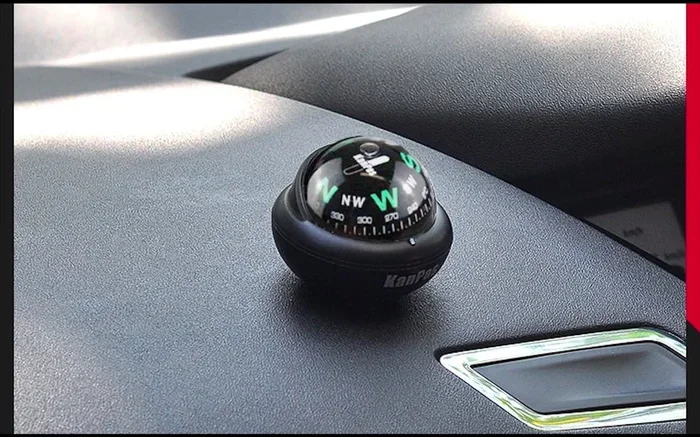
A magnetic compass for car dashboard is the most traditional option. It uses a magnetized needle to point toward magnetic north. These compasses are simple, reliable, and do not need any power source. You can find them in classic dome-style mounts or flush-mount designs.
Magnetic compasses work well in most driving situations. However, they can be affected by metal objects in your car. Large speakers, steel plates, or even certain phone mounts can cause slight inaccuracies. Regular calibration helps minimize these issues.
Digital Dashboard Compasses
A digital compass for car dashboard uses electronic sensors to detect direction. These units often include additional features like temperature displays, altitude readings, and backlit screens. They typically run on batteries or connect to your car’s electrical system.
Digital compasses are easy to read, especially at night. The screen displays your heading in clear digital numbers. Many models also include warning alerts if the compass needs recalibration. These units are a great middle-ground option between simple magnetic compasses and full GPS systems.
GPS Compass for Car Dashboard
A GPS compass for car dashboard uses satellite signals to determine your direction and location. These units are the most accurate and often come with extra features like mapping, trip tracking, and speed readings. Some GPS dashboard compasses double as full navigation units.
The main advantage of a GPS compass is precision. It shows your exact heading based on your movement, not just magnetic north. This makes it ideal for off-road driving, long road trips, and navigating through complex city streets. The downside is that GPS units need a clear view of the sky and a power source.
Smartphone-Based Compass Apps
While not a physical dashboard compass, smartphone apps can turn your phone into a digital direction indicator. Many free compass apps use your phone’s built-in sensors to show your heading. You can mount your phone on a dashboard holder and use it as a compass for car dashboard.
This option works well for occasional use. However, it drains your phone battery and depends on a stable sensor connection. For regular, reliable use, a dedicated dashboard compass is a better choice.
Benefits of Using a Compass for Car Dashboard
Adding a compass for car dashboard brings several practical benefits. Let us look at why so many drivers choose to install one.
Improved Navigation and Orientation
A dashboard compass gives you constant awareness of your direction. This is especially helpful when you are driving in unfamiliar areas. Instead of squinting at a phone screen, you can glance at your dashboard and know exactly which way you are heading.
For hikers, campers, and outdoor enthusiasts, a compass for car dashboard is essential. It helps you navigate trails, forest roads, and remote areas where GPS signals may be weak or nonexistent.
Enhanced Driving Safety
Knowing your direction at a glance reduces distractions. You do not have to pull out your phone or stare at a navigation screen to figure out which way to go. A compass for car dashboard keeps your eyes on the road and your hands on the wheel.
In emergency situations, a compass can help you find your way back to a known road or highway. This is especially valuable in rural or wilderness areas where landmarks may be scarce.
Convenience and Reliability
A dashboard compass is always ready. It does not need to boot up, connect to Wi-Fi, or download maps. Magnetic compasses work instantly the moment you start driving. Digital and GPS compasses start within seconds.
Unlike phone apps that can crash or lose signal, a dedicated compass for car dashboard is built for the job. It is designed to handle vibration, temperature changes, and the electromagnetic environment inside a vehicle.
Aesthetic Appeal
Let us not forget the look factor. A well-designed compass for car dashboard adds a classic or modern touch to your interior. Vintage-style magnetic compasses give your car a retro feel. Sleek digital units add a modern, tech-savvy look. Either way, your dashboard looks more complete and organized.
How to Choose the Right Compass for Car Dashboard
With so many options available, picking the right compass for car dashboard can feel overwhelming. Here are the key factors to consider before you buy.
Consider Your Driving Habits
Think about how and where you drive most often. If you commute daily in the city, a simple magnetic compass may be all you need. If you travel long distances or explore remote areas, a GPS compass for car dashboard offers more features and accuracy.
For off-road enthusiasts, look for a rugged compass with a shock-resistant design. City drivers might prefer a compact, minimalist unit that blends into the dashboard.
Check Compatibility with Your Vehicle
Not every compass fits every car. Measure your dashboard space and check the mount type before purchasing. Some compass for car dashboard models use suction cups, while others use adhesive pads or slot mounts.
Consider your car’s existing dashboard layout. If you already have many instruments and gadgets, a slim-profile compass works best. If your dashboard has open space, you have more flexibility in size and design.
Set a Budget
Dashboard compasses range widely in price. Basic magnetic compasses can cost as little as $10 to $20. Digital compasses typically range from $20 to $50. GPS compass for car dashboard units can range from $50 to $200 or more, depending on features.
You do not need to spend a lot to get a reliable compass. Even a budget model provides accurate direction readings. Spend more only if you need extra features like GPS mapping or digital displays.
Look for Easy Calibration
All magnetic compasses need periodic calibration. Look for a compass for car dashboard that makes this process simple. Some models have auto-calibration features that do the work for you. Others require a manual rotation sequence that takes just a few seconds.
GPS compasses generally need less calibration since they rely on satellite signals. However, they do need a clear view of the sky to function properly.
Read Reviews and Ratings
Before buying, check reviews from other drivers. Look for feedback on accuracy, durability, and ease of use. A highly rated compass for car dashboard from a trusted brand is more likely to meet your expectations.
Installation Tips and Best Practices
Installing a compass for car dashboard is usually straightforward. Most units come with all the hardware you need. Here are some tips to ensure a smooth installation and the best performance.
Choose the Right Mounting Location
Place your compass where you can see it easily without blocking your view of the road. The top of the dashboard near the windshield is a popular spot. Some drivers prefer the area near the instrument cluster, where it integrates with existing gauges.
Avoid placing your compass near large metal objects. Speakers, metal plates, and phone mounts can interfere with magnetic compass readings. If you notice inaccurate readings, try moving the compass to a different spot on your dashboard.
Mounting Methods
Most dashboard compasses come with one of three mounting options:
- Suction Cup Mount: Attaches to the windshield or smooth dashboard surface. Easy to adjust and remove.
- Adhesive Pad Mount: Sticks directly to the dashboard with a strong adhesive pad. More permanent but clean-looking.
- Slot or Clip Mount: Slides into existing dashboard slots or vents. Works well in cars with built-in mount points.
Choose the method that suits your dashboard layout and personal preference. Suction cup mounts are the most versatile. Adhesive pads give a sleeker look but may leave residue when removed.
Calibrate Your Compass After Installation
After mounting your compass for car dashboard, take a moment to calibrate it. For magnetic compasses, drive in a slow circle or figure-eight pattern. This allows the sensor to orient itself correctly.
Digital and GPS compasses usually have a calibration prompt on the screen. Follow the on-screen instructions. Most calibration processes take less than a minute and make a big difference in accuracy.
Keep Your Compass Clean
Dust and grime can build up on your compass, especially the sensor window on magnetic models. Wipe it down regularly with a soft cloth. For digital compasses, a slightly damp cloth works well. Keeping your compass clean ensures clear readings and extends its lifespan.
Recalibrate When Needed
Even the best compass for car dashboard needs recalibration from time to time. If you notice your readings drifting or pointing in the wrong direction, recalibrate. This is especially important after you install new electronic devices in your car or move the compass to a different location.
Common Problems and Expert Solutions
Dashboard compasses are reliable, but they can sometimes give inaccurate readings. Here are the most common issues and how to fix them.
Inaccurate Readings
If your compass for car dashboard shows the wrong direction, the most common cause is magnetic interference. Metal objects near the compass, such as phone mounts or steel plates, can throw off the reading. Move the compass to a different location on your dashboard and recalibrate.
Another cause is that the compass has not been calibrated recently. Magnetic compasses need recalibration whenever you move them to a new vehicle or location. Simply drive in a slow circle a few times and the compass should reset.
Compass Stuck or Not Moving
If the needle on a magnetic compass does not move, the pivot point may be stuck. This can happen after the compass has been stored in a cold or humid environment. Gently tap the compass housing to free the needle. If that does not work, try recalibrating by rotating the compass slowly in all directions.
For digital compasses, a stuck display may indicate a dead battery or a loose connection. Replace the batteries or check the power cable.
GPS Signal Loss
GPS compass for car dashboard units sometimes lose their satellite connection. This happens in tunnels, dense forests, and urban canyons between tall buildings. The compass will usually reconnect within a few minutes once it has a clear view of the sky.
If signal loss happens frequently, check that your GPS unit’s antenna has a clear view of the sky. Avoid mounting it behind metal sun shades or under dashboard covers.
Compass Shows Wrong Declination
Magnetic north and true north are not the same. The difference between them is called magnetic declination. In some areas, the declination can be significant enough to affect your readings. Many quality compass for car dashboard models allow you to adjust for declination manually.
Check your local declination value online and enter it into your compass if it has that feature. This simple adjustment can greatly improve your navigation accuracy.
Expert Insights on Dashboard Compasses
We spoke with automotive experts about the role of compass for car dashboard devices in modern driving. Here is what they had to say.
Mark Daniels, Automotive Technology Specialist: “A dashboard compass is one of the most underrated safety tools in your car. It costs very little, installs in minutes, and works when your phone or GPS fails. Every driver should have one.”
Sarah Lin, Road Trip Enthusiast and Travel Blogger: “I always keep a compass for car dashboard in my vehicle, especially when I explore remote areas. My phone has lost signal more than once on mountain roads, but my compass never let me down. It is a small investment that pays off big.”
Tom Rivera, Car Maintenance Expert: “If you buy a magnetic compass, make sure you calibrate it at least once a month. Metal changes in your car, like new speakers or a phone mount, can affect accuracy. A quick recalibration keeps your readings spot on.”
These experts agree on one thing: a compass for car dashboard is a simple addition that makes a real difference. It is affordable, reliable, and useful for every type of driver.
Comparison: Magnetic vs. GPS Compass for Car Dashboard
Not sure which type of compass is right for you? Here is a quick comparison to help you decide.
- Magnetic Compass: No power needed, simple design, affordable, works in all conditions, but can be affected by metal interference.
- Digital Compass: Easy-to-read display, extra features like temperature, battery-powered, moderate price range.
- GPS Compass: Most accurate, satellite-based, works well at high speeds, but needs clear sky view and power source.
- Smartphone App: Free or low cost, uses existing device, but drains battery and depends on phone sensors.
For most drivers, a basic magnetic compass for car dashboard is the best starting point. It is simple, reliable, and requires no setup. If you need more precision and features, a GPS compass is worth the extra investment.
Key Takeaways
- Multiple Types Available: Choose from magnetic, digital, GPS, and smartphone-based dashboard compasses based on your needs.
- Easy Installation: Most compass for car dashboard units mount with suction cups, adhesive pads, or slot into existing instrument clusters.
- Improved Navigation: A dashboard compass gives you instant direction readings without relying solely on phone apps.
- Calibration Matters: Regular calibration ensures accurate compass readings and avoids common errors.
- Budget-Friendly: Dashboard compasses range from affordable simple models to premium GPS units.
- Works in All Vehicles: Whether you drive a sedan, SUV, or truck, there is a compass for car dashboard option that fits.
- Safety Boost: A compass keeps you oriented and reduces distractions, making your drives safer and more enjoyable.
Conclusion
A compass for car dashboard is a small addition that brings big benefits. It keeps you oriented, improves safety, and works reliably in all conditions. Whether you choose a simple magnetic compass, a digital model, or a full GPS compass for car dashboard, you are making a smart investment in your driving experience.
Installation is easy, calibration takes just a few minutes, and the cost is minimal compared to the value you get. With the tips and guidance in this article, you are now equipped to choose the best dashboard compass for your vehicle and use it effectively.
Take a few minutes today to explore your options. Pick the right compass for car dashboard, mount it in a convenient spot, and enjoy the confidence of always knowing exactly where you are headed. Safe travels and happy driving.
Frequently Asked Questions
Can I use a compass for car dashboard in any vehicle?
Yes, a compass for car dashboard works in virtually any vehicle. Whether you drive a car, truck, SUV, or van, you can install a dashboard compass. Just make sure you choose the right mount type and size for your dashboard layout.
How often should I calibrate my dashboard compass?
Magnetic compasses should be calibrated at least once a month. You should also recalibrate after moving the compass to a new location or after adding metal items near the dashboard. GPS compasses need less frequent calibration since they rely on satellite signals.
Is a GPS compass for car dashboard better than a magnetic one?
It depends on your needs. A GPS compass is more accurate and offers extra features like location tracking. A magnetic compass is simpler, needs no power, and works in remote areas without satellite signals. Both types have their advantages.
Will a dashboard compass interfere with my car’s electronics?
No, a compass for car dashboard does not interfere with your car’s electronics. Magnetic compasses use passive sensors and draw no power. Digital and GPS compasses use very little power and are designed to be safe for vehicle use.
Can I mount my compass for car dashboard on the windshield?
Yes, many compass models come with suction cups that attach to the windshield. This is one of the most popular mounting locations. Just make sure the compass does not block your view of the road or violate any local laws about windshield obstructions.
What is the best compass for car dashboard for off-road driving?
For off-road driving, a rugged GPS compass for car dashboard is the best choice. It provides accurate heading data even on rough terrain and in areas with weak cell signals. Look for models that are shock-resistant and weatherproof for the best results.