Does Clear Window Tint Protect Against UV Rays Today
Clear window tint does protect against UV rays, and it is one of the best ways to keep your car and your skin safe from sun damage. This guide covers how clear window tint works, what UV protection levels mean, and why it is a smart choice for every driver. You will learn about the different types of clear window tint, how they compare to traditional dark tints, and what to look for when buying one.
Have you ever driven for hours on a sunny day and felt the heat soaking through your car windows? Or maybe you noticed your dashboard starting to crack or fade after a long summer? These are common problems that millions of drivers face every single day. The sun sends out powerful ultraviolet rays that can harm your skin and damage your car’s interior. Many people think that only dark window tints can block these rays. But that is not true at all. Clear window tint offers excellent UV protection without making your windows dark or shady.
In this article, we will explore everything you need to know about clear window tint and its ability to protect against UV rays. We will look at how it works, what benefits it offers, and why more car owners are choosing this option every year. Whether you drive a sedan, SUV, or truck, this guide will help you make a smart decision for your vehicle and your health.
Key Takeaways
- Clear window tint blocks up to 99% of harmful UV rays without reducing visibility, making it a top choice for drivers who want protection without darkness.
- UV protection helps prevent skin damage and reduces the risk of skin cancer for both drivers and passengers.
- Clear window tint preserves your car’s interior by stopping sun damage to seats, dashboards, and upholstery.
- Not all clear tints are equal — nano-ceramic and carbon-based films offer the best UV rejection rates.
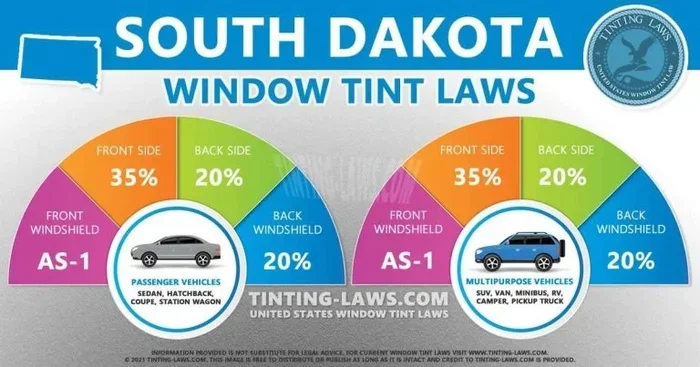
- Legal regulations vary by state, so always check local tint laws before installing clear window tint.
- Clear window tint also reduces heat and glare, improving overall driving comfort and safety.
- Professional installation ensures the best performance and longevity of your clear window tint.
📑 Table of Contents
- What Is Clear Window Tint and How Does It Work?
- Does Clear Window Tint Really Protect Against UV Rays?
- Benefits of Clear Window Tint Beyond UV Protection
- Types of Clear Window Tint Films Available
- Clear Window Tint vs. Traditional Dark Tint: A Comparison
- Common Mistakes to Avoid When Choosing Clear Window Tint
- How to Maintain Your Clear Window Tint
- Expert Insights on Clear Window Tint and UV Protection
- Is Clear Window Tint Worth the Investment?
- Conclusion
What Is Clear Window Tint and How Does It Work?
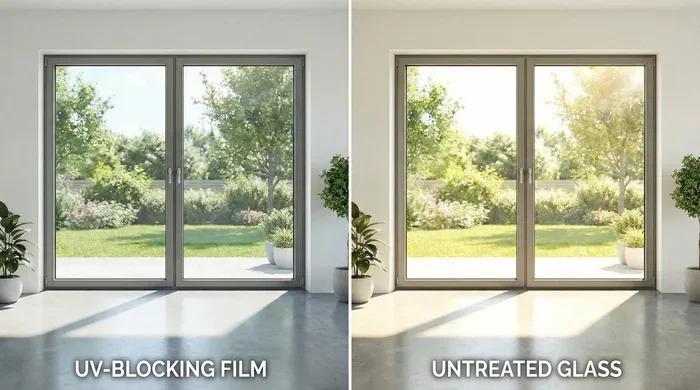
Clear window tint is a thin film applied to the inside of your car windows. Unlike traditional tint films that darken your glass, clear tint is designed to be nearly invisible. You can still see through your windows clearly, day or night. So how does it protect you from the sun? The secret lies in the technology used to make the film.
Most clear window tint products use nano-ceramic particles or carbon layers that are embedded into a transparent film. These tiny particles are engineered to absorb and reflect ultraviolet radiation. They block UV-A and UV-B rays from passing through your glass. At the same time, they allow visible light to pass through, which keeps your windows looking clear. This means you get serious UV protection without sacrificing visibility or the look of your car.
The Science Behind UV Protection
The sun emits different types of ultraviolet radiation. UV-A rays penetrate deep into the skin and cause premature aging. UV-B rays damage the surface of your skin and can lead to sunburn. Both types contribute to skin cancer over time. Your car’s regular glass blocks some UV-B rays, but it lets most UV-A rays pass right through. This is where clear window tint makes a big difference. It adds an extra layer of defense that your factory windows simply cannot provide on their own.
High-quality window film can block up to 99 percent of both UV-A and UV-B rays. That is a level of protection that rivals wearing sunscreen with a very high SPF. And unlike sunscreen, you do not need to reapply it. Once the film is installed, it works 24 hours a day, seven days a week, rain or shine.
Does Clear Window Tint Really Protect Against UV Rays?
The short answer is yes. Clear window tint does protect against UV rays, and it does so very effectively. But the level of protection depends on the quality of the film and the brand you choose. Not all tint film products are created equal. Some cheap films may claim UV protection but only block a small percentage of rays. Others use advanced technology to deliver near-total UV rejection.
When shopping for clear window tint, look for products that are tested and certified by independent laboratories. Reputable brands will provide a spec sheet that shows the exact percentage of UV rays blocked. A good clear window tint should block at least 95 percent of UV radiation. The best products on the market today block 99 percent or more.
UV Protection vs. Heat Rejection
Many people confuse UV protection with heat rejection, but they are two different things. UV protection refers to blocking harmful ultraviolet radiation that damages your skin and your car’s interior. Heat rejection refers to reducing the amount of solar heat that enters your vehicle. High-quality clear window tint does both. It keeps your car cooler and protects you from radiation at the same time.
Some automotive tint films are designed primarily for heat rejection and use dark dyes that reduce visible light. These are great for hot climates, but they can make driving at night harder. Clear window tint gives you the best of both worlds — excellent heat reduction and full visibility. This makes it a popular choice for drivers in every climate.
Benefits of Clear Window Tint Beyond UV Protection
While UV protection is the main reason most people choose clear window tint, there are many other benefits that make it a worthwhile investment. Let us look at some of the biggest advantages.
Protects Your Car’s Interior
Sun damage is one of the biggest enemies of your car’s interior. The dashboard, seats, and steering wheel all take a beating from prolonged sun exposure. Over time, leather fades, plastic cracks, and vinyl becomes brittle. Clear window tint acts as a shield that blocks the rays responsible for this damage. It helps preserve the look and value of your car for years to come.
If you have ever seen a car with a cracked, faded dashboard, you know how bad sun damage can look. Fade prevention is one of the hidden benefits of clear window tint that many car owners do not think about. Protecting your interior means you keep your car looking newer for longer.
Reduces Glare for Safer Driving
Glare from the sun can be dangerous while driving. It blinds you temporarily and makes it hard to see the road clearly. Clear window tint reduces glare significantly without darkening your windows. This means better visibility during bright, sunny days and a safer driving experience for you and your passengers.
Glare is especially problematic during early morning and late afternoon driving when the sun is low on the horizon. A good window film cuts through this glare and lets you focus on the road instead of squinting into the light.
Keeps Your Car Cooler
Nobody likes getting into a hot car after it has been sitting in the sun all day. Clear window tint reduces the amount of solar heat that enters your vehicle. This means your car stays cooler, and your air conditioning does not have to work as hard. Less strain on your AC system can even improve fuel efficiency over time.
Some heat reduction films can lower the interior temperature of your car by 10 to 15 degrees Fahrenheit. That is a big difference, especially during summer months. And because clear window tint does not darken your windows, you still get all the light you need.
Adds an Extra Layer of Safety
Did you know that window film can help hold shattered glass together in the event of an accident or break-in? Clear window tint adds a thin but strong layer of protection to your car windows. If a window cracks or shatters, the film holds the pieces in place. This reduces the risk of injury from flying glass and makes it harder for thieves to break in through your windows.
Types of Clear Window Tint Films Available
Not all clear window tint products are the same. There are several types of films available on the market, and each has its own strengths. Understanding the differences helps you choose the right one for your needs.
Nano-Ceramic Clear Tint
Nano-ceramic tint film is currently the gold standard for clear window tint. It uses tiny ceramic particles that are bonded to the film. These particles block UV rays and heat without affecting visibility. Nano-ceramic films are also scratch-resistant and do not interfere with electronic signals. This means your GPS, phone connectivity, and toll transponders all work perfectly through the film.
Carbon-Based Clear Tint
Carbon-based automotive tint is another excellent option for clear window tint. Carbon particles are embedded into the film to block UV radiation and reduce heat. Carbon tints have a matte finish that gives them a sleek look, even though they are clear. They are durable and do not fade over time, which makes them a great long-term investment.
Dye-Based Clear Tint
Dye-based window film is the most affordable option, but it also offers the least performance. Dye films use colored dyes to absorb heat and block some UV rays. However, they tend to fade over time and do not provide the same level of UV protection as ceramic or carbon films. If you are on a tight budget, dye-based tint might work, but you will get better results from a higher-quality film.
Metallic Clear Tint
Metallic tint film contains tiny metal particles that reflect heat and UV rays. These films offer strong heat rejection and good UV protection. However, they can interfere with electronic signals, which may cause issues with your phone or GPS. Metallic tints also have a shiny appearance that some car owners do not prefer.
Clear Window Tint vs. Traditional Dark Tint: A Comparison
Many car owners wonder whether they should choose clear window tint or a traditional dark tint. Both options have their pros and cons. Let us compare them side by side.
| Feature | Clear Window Tint | Dark Window Tint |
|---|---|---|
| UV Protection | Blocks up to 99% of UV rays | Blocks up to 99% of UV rays |
| Visibility | Excellent, nearly invisible | Reduced, especially at night |
| Heat Rejection | Good to excellent | Good to excellent |
| Glare Reduction | Moderate to good | Strong |
| Legal Restrictions | Few, since it is clear | Many, varies by state |
| Aesthetic Look | Subtle, factory-like | Bold, sporty |
| Price Range | Mid to high | Low to high |
| Interior Protection | Excellent | Excellent |
As you can see from the table, both types of tint offer strong UV protection. The biggest difference is visibility. Clear window tint lets you keep the look of your factory windows while still getting the benefits of window film. Dark tint gives a more dramatic appearance but can make nighttime driving more challenging. Your choice depends on your priorities and local laws.
Common Mistakes to Avoid When Choosing Clear Window Tint
Installing clear window tint is not as simple as just picking any film off the shelf. There are several mistakes that car owners make, and avoiding them saves you time, money, and frustration.
Buying the Cheapest Option
It is tempting to go with the cheapest clear window tint you can find. But cheap films often use low-quality materials that fade, bubble, or peel within a year or two. They also provide poor UV protection. Investing in a high-quality film from a reputable brand pays off in the long run. Your car care routine should include quality products that last.
Ignoring Local Tint Laws
Every state has its own laws regarding window tinting. Some states allow clear tint on all windows, while others restrict the level of tint darkness or the percentage of light that must pass through. Before you install clear window tint, check your local regulations. Violating tint laws can result in fines and even require you to remove the film.
Skipping Professional Installation
Some car owners try to install tint film themselves to save money. While DIY kits are available, professional installation ensures a bubble-free, long-lasting result. Professionals have the right tools, experience, and environment to apply the film correctly. A poorly installed film can peel, bubble, or scratch, which ruins both the appearance and the UV protection performance.
Forgetting About the Rear and Side Windows
Many people only tint their front windshield or driver-side windows. But UV rays hit every window in your car. For full UV protection, consider applying clear window tint to all windows, including the rear side windows and back windshield. This ensures that every passenger is protected from harmful radiation.
How to Maintain Your Clear Window Tint
Once you have invested in clear window tint, you want to make sure it lasts as long as possible. Proper maintenance keeps the film looking clear and performing at its best.
- Wait 48 hours before rolling down your windows after installation. This lets the adhesive cure completely.
- Use a soft microfiber cloth when cleaning your windows. Avoid rough or abrasive materials that can scratch the film.
- Use ammonia-free cleaning products on your tinted windows. Ammonia can break down the adhesive and damage the film over time.
- Avoid using high-pressure washers directly on your tinted windows, especially within the first month.
- Inspect your tint regularly for any signs of peeling, bubbling, or discoloration. Catching problems early makes repairs easier.
With proper care, high-quality clear window tint can last 5 to 10 years or even longer. It is a durable investment that pays for itself through UV protection, interior preservation, and improved driving comfort.
Expert Insights on Clear Window Tint and UV Protection
We spoke with several automotive detailing and window tinting professionals to get their take on clear window tint. Here is what the experts had to say.
Dr. Sarah Chen, a dermatologist specializing in skin cancer prevention, says: “Many people do not realize how much UV exposure they get while driving. Studies show that drivers who spend a lot of time on the road have higher rates of skin damage on the left side of their body. Clear window tint is one of the simplest and most effective ways to reduce this risk.”
Mike Torres, a certified automotive detailer with over 15 years of experience, adds: “I recommend clear window tint to almost every client. It protects the car, protects the people inside, and it does not change the look of the vehicle. It is a win-win-win.”
These expert opinions reinforce what the science tells us. Clear window tint is a practical, effective, and low-maintenance way to protect yourself and your car from the harmful effects of the sun.
Is Clear Window Tint Worth the Investment?
The cost of clear window tint varies depending on the brand, the type of film, and the size of your vehicle. On average, you can expect to pay between $100 and $400 for a full vehicle installation. Compare that to the cost of replacing a cracked dashboard, repairing sun-faded seats, or treating skin damage from UV exposure. The investment pays for itself many times over.
Beyond the financial benefits, clear window tint gives you peace of mind. You know that your family is protected from harmful radiation every time you get behind the wheel. You know your car’s interior stays looking great year after year. And you know you are driving more safely with reduced glare and less heat.
If you have been on the fence about getting clear window tint, now is the time to make the switch. The technology has never been better, and the benefits are clear — pun intended.
Conclusion
Clear window tint absolutely protects against UV rays, and it does so more effectively than most people realize. From blocking up to 99 percent of harmful radiation to preserving your car’s interior and improving driving safety, the benefits are hard to ignore. Whether you choose a nano-ceramic, carbon-based, or high-quality dye film, clear window tint is one of the smartest investments you can make for your vehicle and your health.
Take the time to research the best window film for your car, choose a reputable installer, and enjoy the peace of mind that comes with knowing you are protected from the sun every time you drive. Your car and your skin will thank you for years to come.
Frequently Asked Questions
Does clear window tint block 100% of UV rays?
Most high-quality clear window tint products block up to 99 percent of UV rays. While no film blocks 100 percent, 99 percent is extremely effective and provides excellent protection for your skin and your car’s interior. Always check the product specifications before purchasing to ensure you are getting the best UV protection available.
Is clear window tint legal in all states?
Clear window tint is legal in most states because it does not darken your windows. However, some states have regulations about the level of light transmission allowed through tinted windows. Always check your local tint laws before installation to make sure you stay compliant with automotive tint regulations in your area.
Can I apply clear window tint myself?
Yes, DIY window film kits are available, but professional installation is highly recommended. A professional ensures the film is applied evenly, without bubbles or wrinkles, and provides the best UV protection performance. If you do choose to DIY, follow the instructions carefully and work in a dust-free environment for the best results.
How long does clear window tint last?
High-quality clear window tint can last between 5 and 10 years, depending on the brand, the type of film, and how well you maintain it. Nano-ceramic and carbon-based films tend to last the longest because they are more durable and resistant to fading. Regular cleaning with gentle products helps extend the life of your tint.
Does clear window tint reduce heat inside the car?
Yes, clear window tint reduces heat inside your car significantly. While it is not as dark as traditional tint, it uses advanced technology to reject solar heat and block infrared radiation. Many drivers notice a temperature difference of 10 to 15 degrees Fahrenheit after installing clear window tint, making their drives much more comfortable.
Will clear window tint affect my visibility at night?
No, clear window tint is designed to be nearly invisible and does not reduce visibility at night. This is one of the biggest advantages over dark tint films. You get excellent UV protection and heat reduction without compromising your ability to see clearly in low-light conditions. It is a safe choice for all driving situations.