AC Blower Motor Car Repair Made Easy and Affordable
Dealing with a broken AC blower motor car unit doesn’t have to be stressful or expensive. This guide walks you through everything from recognizing warning signs to completing the repair yourself. You will learn the costs, tools needed, and simple steps to get your car’s ventilation working again.
Key Takeaways
- Know the symptoms: Weak airflow, strange noises, and inconsistent fan speeds are the top warning signs of a failing blower motor.
- Understand the costs: Most AC blower motor car repairs cost between $150 and $400, with DIY options saving you the most.
- DIY is possible: With basic tools and patience, replacing the blower motor is a manageable weekend project for most car owners.
- Preventive care matters: Regular cabin filter changes and year-round AC use significantly extend blower motor life.
- Safety first: Always disconnect the battery before working on any electrical component in your vehicle.
- Know when to call a pro: Complex wiring issues, difficult access, and warranty concerns are valid reasons to seek professional help.
📑 Table of Contents
What Is an AC Blower Motor in Your Car?
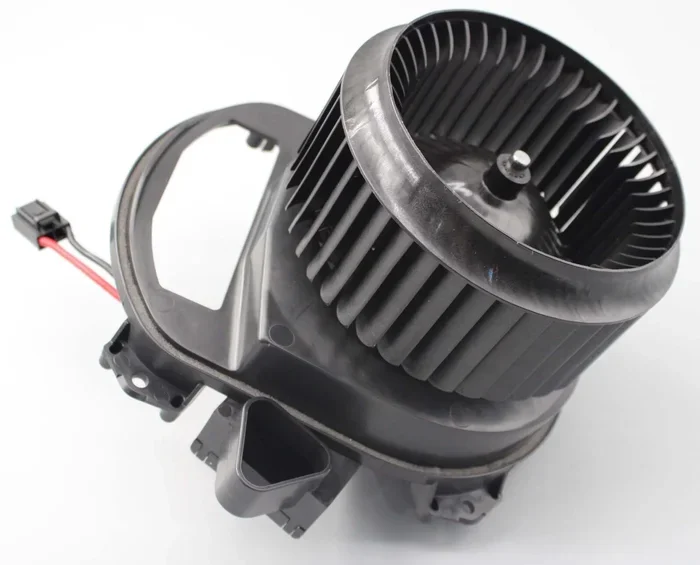
Your AC blower motor car system is the hidden workhorse behind every cool breeze you feel inside your vehicle. When you turn on the air conditioning, this small electric motor spins a fan that pushes air through the dashboard vents. Without it, your car’s AC system simply cannot deliver cold air to the cabin. It is one of those parts you never think about until it stops working.
Think of the blower motor as the heart of your car’s ventilation system. The compressor may create the cold refrigerant, but the blower motor is what actually moves that cooled air into your face. It works every time you flip the climate controls, whether you are driving on a hot highway or defogging your windshield on a rainy morning. The motor typically sits behind the dashboard on the passenger side and connects to a resistor or control module that adjusts the fan speed.
Understanding how your AC blower motor car unit works helps you diagnose problems faster. Many drivers assume the entire AC system is broken when the real issue is just this one motor. Learning the basics saves time and money at the repair shop. The design has been used in cars for decades because it works reliably and is relatively simple to replace.
How the Blower Motor Fits into Your Car’s HVAC System
Your car’s heating, ventilation, and air conditioning system, known as the HVAC system, has several key parts. The AC blower motor car component is just one piece of a larger puzzle. The compressor, condenser, evaporator, and expansion valve all work together to create cold air. But the blower motor is the final step that delivers that air to you and your passengers.
Here is how the full system works in order:
- The compressor pressurizes the refrigerant gas and pumps it through the system.
- The condenser releases heat from the refrigerant into the outside air.
- The evaporator absorbs heat from the cabin air, creating the cool breeze.
- The blower motor pushes the cooled air through the dashboard vents into the cabin.
Each part depends on the others to function properly. If your blower motor fails, the whole cooling process stops delivering comfort to the driver and passengers. That is why fixing this component quickly matters so much. Even on a mild day, proper ventilation keeps you alert and safe behind the wheel.
Common Signs Your AC Blower Motor Is Failing
Spotting the early warning signs of a failing AC blower motor car unit can prevent a complete breakdown. Most symptoms are easy to notice while driving. The key is paying attention to changes in your ventilation system. Catching problems early means cheaper repairs and less downtime.
Weak or No Airflow from the Vents
The most obvious sign is reduced airflow. If you notice the vents are barely pushing air, even on the highest setting, the blower motor may be wearing out. Sometimes the airflow drops to almost nothing, leaving you with no ventilation at all. This problem often gets worse over time. You might start with weak air on the low setting and eventually lose airflow on all speeds.
AC blower motor car failures rarely happen overnight. They usually start small and get progressively worse. You may also notice that the air feels weaker only on certain vent positions. For example, the floor vents might still work while the dashboard vents blow faintly. This uneven airflow pattern is a strong indicator of motor degradation.
Strange Noises Coming from the Dashboard
Unusual sounds are another red flag. Listen for grinding, squealing, or rattling noises when you turn on the fan. These sounds often mean the motor bearings are worn or debris has entered the fan assembly. A healthy blower motor should run quietly and smoothly.
If you hear loud buzzing or humming, the electrical connections may be failing. Ignoring these noises can lead to a full motor seizure, which is a much more expensive repair. Sometimes small objects like leaves or coins get lodged near the fan and cause rattling. A quick inspection can rule out simple causes before you assume the motor itself is bad.
Intermittent or Inconsistent Fan Speeds
Does your fan work on some speeds but not others? This is a classic symptom of a failing AC blower motor car resistor. The resistor controls the different speed settings. When it starts to fail, you might lose high speed but keep low speed, or vice versa. Sometimes the fan works fine and then suddenly stops. This intermittent behavior points to an electrical issue.
It could be a loose wiring connection or a failing relay. Either way, it is worth getting checked out early. Intermittent problems often worsen over weeks and months. What starts as an occasional glitch can become a complete failure if left unaddressed.
Burning Smell or Overheating
A burning smell coming from the vents is never normal. This can happen when the blower motor overheats due to a seized bearing or electrical short. If you smell something burning, turn off the HVAC system immediately and inspect the motor. Overheating can also damage the motor windings internally.
Once the internal wiring burns out, the motor needs full replacement. Catching the smell early can save you from a more costly repair. Some drivers mistake this smell for a carpet or upholstery issue. If the smell only appears when you turn on the AC or heater, the blower motor is the most likely culprit.
How Much Does AC Blower Motor Car Repair Cost?
Cost is always a big concern when it comes to car repairs. The good news is that AC blower motor car repairs are generally affordable compared to other HVAC components. Most drivers spend between $150 and $400 for a complete fix. The wide range depends on your vehicle, your location, and whether you choose DIY or professional service.
Breaking Down the Cost Components
The total cost depends on several factors. The motor itself typically costs between $50 and $200, depending on your vehicle make and model. Labor charges vary by region and shop, usually running $100 to $200 for the installation. If you need to replace the blower motor resistor along with the motor, add another $30 to $75 for the part. Some vehicles have a blower motor control module instead of a simple resistor, which can cost $100 to $250 to replace.
Here is a side-by-side look at what you can expect to pay:
| Repair Option | Parts Cost | Labor Cost | Total Cost |
|---|---|---|---|
| DIY Replacement | $50 – $200 | $0 | $50 – $200 |
| Independent Mechanic | $50 – $200 | $100 – $150 | $150 – $350 |
| Dealership Service | $50 – $250 | $150 – $250 | $200 – $500 |
| Blower Motor Resistor Only | $30 – $75 | $50 – $100 | $80 – $175 |
Doing the repair yourself can save you a significant amount of money. However, if you are not comfortable working with electrical components, paying a professional is the safer choice. AC blower motor car repair is one of the more straightforward DIY jobs, but it does involve working near sensitive wiring. Always weigh your comfort level against the potential savings.
Factors That Affect Repair Pricing
Several things influence the final cost of your repair. The vehicle model plays a big role. Luxury cars and newer models often have more expensive blower motors. Access to the motor also matters. In some vehicles, the motor is easy to reach behind the glove box. In others, you need to remove several dashboard components, which increases labor time.
Where you live affects labor rates too. Urban areas typically charge more than rural shops. And if your AC blower motor car issue involves additional damage, like melted wiring or a broken relay, the cost will go up. Always ask for a detailed estimate before authorizing any work. A trustworthy shop will explain each charge clearly.
Quick Tips to Save Money on Blower Motor Repair
- Get quotes from at least two or three shops before committing.
- Buy the replacement motor online rather than through the dealer for better pricing.
- Ask the mechanic to inspect the resistor and wiring while they have access.
- Check if your vehicle warranty covers any part of the repair.
Step-by-Step Guide to Fixing Your AC Blower Motor
If you enjoy working on your car, replacing the blower motor is a rewarding DIY project. This guide walks you through the process in simple steps. Always remember to disconnect the battery before starting any electrical work. This single step protects you from shock and prevents damage to your vehicle’s electronics.
Tools and Parts You Will Need
Before you begin, gather everything you need. Having all the tools ready saves time and frustration. Here is what you will need for most AC blower motor car replacements:
- A replacement blower motor that matches your vehicle year, make, and model.
- A set of screwdrivers, both Phillips and flathead.
- A socket wrench set with various sizes.
- Electrical tape for securing connections.
- A multimeter for testing electrical connections.
- Safety gloves and protective goggles.
Quick Tip: Always buy your replacement motor from a reputable supplier. Cheap aftermarket parts may fail within months. Spending a little more on a quality motor saves you from doing the job twice. Check online reviews and compare warranties before making your purchase.
Step 1: Disconnect the Battery
Safety comes first. Use your wrench to disconnect the negative terminal on your car battery. This prevents any electrical shorts while you work. Never skip this step, even if you think the risk is low. Place the wrench on the negative cable clamp and loosen it. Slide the cable off and tuck it away from the battery terminal.
This simple step protects you from electrical shock and prevents damage to your vehicle’s electronics. Wait at least five minutes after disconnecting before touching any wires. This allows the capacitor in the system to discharge fully.
Step 2: Locate the Blower Motor
The blower motor is typically located behind the dashboard on the passenger side. In most vehicles, you can access it by removing the glove box or a plastic cover panel. Check your vehicle service manual for the exact location. Once you find the panel, remove the screws or clips holding it in place.
Set the screws aside in a small container so you do not lose them. Gently pull the panel away to expose the blower motor and its housing. Take a photo before disassembly so you can reference it during reassembly. This simple habit saves confusion later.
Step 3: Remove the Old Motor
Look at how the motor is secured. Most blower motors are held in place by two or three bolts. Use your socket wrench to remove these bolts carefully. Keep track of each bolt because they may be different lengths. After removing the bolts, disconnect the wiring harness from the motor.
There is usually a clip or tab you need to press. Gently pull the connector straight out. Do not yank on the wires. If the motor is stuck, check for any additional screws or clips you may have missed. Carefully remove the old motor from its housing and inspect the housing for any debris or dirt while you have access.
Step 4: Install the New Motor
Take your new AC blower motor car unit and compare it to the old one. Make sure it is the same size and has the same wiring connector. If everything looks correct, connect the wiring harness to the new motor. Slide the new motor into the housing and align it with the mounting holes.
Insert the bolts and hand-tighten them first. Then use your socket wrench to snug them down. Do not overtighten, as this can crack the plastic housing. Reconnect the wiring harness securely. A loose connection here will cause the motor to malfunction again.
Step 5: Test the New Motor
Before you reassemble everything, reconnect the battery and test the new motor. Turn on the ignition and set the climate controls to different fan speeds. Listen for smooth, quiet operation at each speed setting. Check that air flows strongly from all vents.
If the motor runs but airflow is still weak, the issue may be a clogged cabin air filter or a blocked vent. If the motor does not run at all, double-check your wiring connections. Once you confirm everything works, disconnect the battery again and reassemble the dashboard panels. Replace all screws and clips securely.
Common Mistakes to Avoid
- Forgetting to disconnect the battery before starting work.
- Mixing up bolts of different lengths during reassembly.
- Overtightening screws and cracking the plastic housing.
- Ignoring a clogged cabin filter that restricts airflow.
- Skipping the test run before closing up the dashboard.
Preventive Maintenance Tips for Your Blower Motor
Keeping your AC blower motor car unit in good shape does not require a lot of effort. A few simple habits can extend the life of your motor by years. Prevention is always cheaper than repair. These small actions take just minutes but pay off big over time.
Change Your Cabin Air Filter Regularly
The cabin air filter catches dust, pollen, and debris before they enter the cabin. When this filter gets clogged, the blower motor has to work harder to push air through. This extra strain wears out the motor faster. Most manufacturers recommend changing the cabin filter every 12,000 to 15,000 miles.
Check your owner manual for the specific interval. Replacing this inexpensive filter is one of the easiest ways to protect your blower motor. A clogged filter can also reduce cooling efficiency, making your AC work harder than it needs to. Most drivers can swap out the filter in under ten minutes.
Keep the Vents Clear of Debris
Leaves, dirt, and other debris can block the air intake vents. When airflow is restricted, the motor strains to maintain output. Periodically check that your exterior vents are clear and unobstructed. Use a soft brush or compressed air to clean any buildup around the vent openings.
This simple habit keeps air flowing freely and reduces stress on the motor. Pay special attention to the vents near the base of the windshield, where leaves tend to accumulate. A few minutes of cleaning each season can prevent major airflow problems.
Use Your AC System Year-Round
Many drivers only use their AC in the summer. However, running the system regularly keeps the motor lubricated and the seals flexible. Sitting unused for months can cause the motor to stiffen up. Even in winter, run your AC for about 10 minutes every few weeks.
This keeps the refrigerant circulating and the motor in good working condition. Your AC blower motor car unit will last longer with regular use. The practice also prevents musty odors from building up in the system. It is a win-win for comfort and motor longevity.
Address Strange Noises Immediately
Do not ignore unusual sounds from your ventilation system. A grinding or squealing noise today can become a seized motor tomorrow. Early detection of problems saves you from costly replacements. When you notice something sounds off, have a mechanic inspect the blower motor and its components.
Catching a worn bearing or loose fan blade early can often mean a simple fix instead of a full motor replacement. Trust your ears. You know how your car normally sounds. Any new or unusual noise deserves attention.
Expert Insight: What Mechanics Wish Every Driver Knew
Experienced mechanics say that most blower motor failures are preventable. Regular filter changes and prompt attention to early symptoms can double the motor’s lifespan. One mechanic shared that he sees the most failures in vehicles where the cabin filter has never been replaced. That one simple maintenance task makes a bigger difference than many drivers realize.
When to Call a Professional Mechanic
While many AC blower motor car repairs are DIY-friendly, some situations call for a professional. Knowing your limits keeps you safe and prevents costly mistakes. There is no shame in seeking expert help when the job is beyond your skill level.
Complex Electrical Issues
If your blower motor works intermittently or not at all despite a new motor, the problem may be deeper. Wiring issues, blown fuses, or a faulty control module can mimic motor failure. These electrical diagnostics require specialized tools and expertise. A professional mechanic can use a multimeter to trace the electrical path and find the root cause.
They can also check the blower motor relay and ground connections, which are common culprits for electrical problems. Attempting complex electrical repairs without proper knowledge can lead to further damage. A trained professional has the experience to diagnose and fix these issues safely.
Dashboard Removal Challenges
Some vehicles make the blower motor very difficult to access. If your car requires removing a large portion of the dashboard, the job becomes much more complex. In these cases, paying a professional is often the smarter choice. Modern vehicles have sensitive electronics and sensors behind the dashboard.
Accidental damage during a DIY repair can lead to expensive fixes. If you are not confident in your ability, trust a qualified technician. The cost of professional labor is worth avoiding the risk of breaking plastic clips or damaging wiring harnesses.
Warranty and Insurance Considerations
If your vehicle is still under warranty, check with your dealer before attempting any repairs. DIY work may void certain coverage. Similarly, if you have aftermarket warranty or insurance, unauthorized repairs might not be covered. A professional repair shop can document the work and preserve your warranty coverage.
This peace of mind is worth the extra cost for many car owners. Always read your warranty terms carefully before deciding how to proceed with any repair. Protecting your coverage can save you thousands of dollars in the long run.
Conclusion
Fixing your AC blower motor car unit does not have to be a stressful experience. Whether you choose to tackle the repair yourself or visit a trusted mechanic, understanding the problem is the first step. The symptoms are clear, the costs are manageable, and the repair is well within reach for most car owners.
Regular maintenance keeps your blower motor running smoothly for years. Change your cabin filter, keep vents clear, and use your AC system consistently. These small habits add up to big savings over time. You will enjoy cooler air and fewer trips to the repair shop.
If you notice weak airflow or strange noises, do not wait. Addressing the problem early keeps repair costs low and prevents further damage to your vehicle’s HVAC system. Your comfort on the road depends on that cool air flowing through your vents. Take action today and enjoy a comfortable drive tomorrow. Your AC blower motor car unit will thank you for it.
Frequently Asked Questions
How do I know if my AC blower motor needs replacement?
Look for weak airflow, strange noises from the dashboard, or inconsistent fan speeds. If the motor works on some settings but not others, the resistor may be failing. A burning smell near the vents is a serious warning sign that needs immediate attention.
Can I drive my car with a broken AC blower motor?
Yes, you can still drive, but you will lose ventilation and air conditioning. In hot weather, this can be uncomfortable and even unsafe. In cold weather, a broken blower motor prevents defrosting, which is a safety hazard. It is best to fix the problem as soon as possible.
How long does an AC blower motor car repair take?
A professional mechanic can usually complete the repair in one to two hours. If you are doing it yourself for the first time, set aside three to four hours. The time varies depending on how accessible the motor is in your specific vehicle model.
What is the difference between the AC compressor and the blower motor?
The AC compressor cools the refrigerant, while the blower motor pushes the cooled air through the vents. They work together but serve different functions. The compressor is part of the cooling system, while the blower motor is part of the ventilation system.
How much does it cost to replace an AC blower motor?
Most AC blower motor car replacements cost between $150 and $400 total. The motor part itself costs $50 to $200, and labor runs $100 to $200. Doing it yourself eliminates labor costs entirely, bringing the total down to just the parts cost.
How can I make my blower motor last longer?
Change your cabin air filter regularly, keep the exterior vents clear of debris, and use your AC system year-round. Address strange noises immediately before they turn into major failures. These simple habits can extend your blower motor life by several years.
=== URL SLUG ===
ac-blower-motor-car-repair
=== SEO TITLE ===
AC Blower Motor Car Repair Made Easy and Affordable
=== META TITLE ===
AC Blower Motor Car Repair: Easy & Affordable Guide