How Do I Turn Off RCTA And Stop Rear Cross Traffic Alerts
Rear Cross Traffic Alert (RCTA) is a helpful safety feature, but it can become annoying or unnecessary in certain situations. Many drivers want to know how do I turn off RCTA on their specific vehicle model. This guide covers disabling rear cross traffic alert systems for popular brands like Toyota, Honda, and others with easy-to-follow steps and practical tips.
This is a comprehensive guide about How Do I Turn Off RCTA.
Key Takeaways
- RCTA can be turned off: Most vehicles allow you to disable the rear cross traffic alert through simple settings or button combinations.
- Know your vehicle: The method to turn off RCTA varies by car brand, model, and year.
- Safety first: Even if you disable rear cross traffic detection, stay alert when reversing.
- Sensitivity matters: Some cars let you adjust RCTA sensitivity settings instead of fully turning the system off.
- Temporary vs permanent: You can often toggle RCTA on and off each time you drive, or set it permanently.
- Common in modern cars: Rear cross traffic alert systems are standard in many new vehicles from Toyota, Honda, Ford, and more.
[FEATURED_IMAGE_PLACEHOLDER]
What Is RCTA and Why Do People Want to Turn It Off
Rear Cross Traffic Alert, commonly known as RCTA, is a driver assistance feature found in many modern vehicles. When you put your car in reverse, the RCTA system uses sensors to check for approaching traffic from the sides. If a car, bicycle, or pedestrian is coming, the system gives you a warning.
The warning usually comes as a beeping sound, a flashing light on the dashboard, or both. Some advanced systems even apply the brakes to prevent a collision. This rear cross traffic detection technology works great in parking lots and tight spaces.
So why do so many drivers search for how do I turn off RCTA? There are several common reasons. Some people find the alerts too sensitive. Others deal with false alarms every time they back out of their driveway. Let us look at these reasons more closely.
Why RCTA Alerts Can Be Annoying
One of the biggest complaints about RCTA warning systems is false alarms. The sensors might pick up a nearby fence, a small animal, or even a passing truck on a busy street. These constant beeps can stress you out instead of helping you.
Some drivers also say the alert sounds come too late or too early. This makes it hard to trust the system. Over time, you might start ignoring all alerts, even the real ones. That defeats the whole purpose of having rear cross traffic alert technology in the first place.
Another reason people want to turn off rear cross traffic alert is habit. If you have been driving for years without this feature, the sudden beeping feels intrusive. You just want to back up and go without interruptions.
How Do I Turn Off RCTA On Different Car Brands
The answer to how do I turn off RCTA depends on your vehicle. Each car brand has its own method. Below we cover the most popular brands and their specific steps.
How to Turn Off RCTA on Toyota
Toyota vehicles with RCTA often have a simple toggle. Start by putting the car in park. Then look at the dashboard display. Go to the Vehicle Settings menu. Scroll through the options until you find Rear Cross Traffic Alert. Select it and choose Off. The system will no longer give you warnings when reversing.
On some Toyota models, you may need to hold the RCTA button on the steering wheel for a few seconds. This button usually has a symbol that looks like two cars with arrows behind them. Check your owner manual if you cannot find it.
How to Turn Off RCTA on Honda
Honda uses a similar approach for its rear cross traffic detection system. Press the Settings button on the steering wheel or infotainment screen. Navigate to the Vehicle Settings section. Look for Collision Mitigation Braking System or RCTA Settings. Toggle the rear cross traffic alert to Off.
Some Honda models also let you adjust RCTA sensitivity settings. Instead of fully turning it off, you can set it to Low. This reduces the number of false alarms while keeping some protection. This is a great middle ground if you do not want to disable the feature completely.
How to Turn Off RCTA on Ford
Ford vehicles with Rear Cross Traffic Alert typically have a setting in the SYNC system. Press the Settings icon on the touchscreen. Go to Driver Assistance. Find the Rear Cross Traffic option. Switch it off from there.
On older Ford models, there may be a physical button near the gear shifter. Press and hold it for a few seconds until the dashboard light changes. The RCTA warning should no longer appear when you reverse.
How to Turn Off RCTA on Other Brands
Other car brands follow a similar pattern. Whether you drive a Nissan, Mazda, Subaru, or Chevrolet, the steps are usually within the vehicle settings menu. Look for sections like Safety, Driver Assistance, or Parking. The rear cross traffic alert toggle should be easy to find.
If you own a luxury brand like BMW or Mercedes-Benz, the process is similar but may involve more menu layers. Use the iDrive or COMAND system to navigate to the Parking Assistance settings. Disable RCTA from there. Always refer to your specific owner manual for exact instructions.
RCTA Sensitivity Settings As an Alternative to Turning Off
Before you completely disable RCTA, consider adjusting the sensitivity. Many modern cars let you change how sensitive the rear cross traffic detection system is. This gives you the best of both worlds.
What Are RCTA Sensitivity Levels
Most vehicles with RCTA offer at least two sensitivity levels. The High setting triggers alerts for even small objects nearby. The Low setting only warns you about larger and closer objects. This means fewer false alarms from fences, poles, or small animals.
Some vehicles also have an Auto mode. In Auto mode, the RCTA system adjusts its sensitivity based on your speed and environment. It is a smart option if you want some protection without constant interruptions.
When to Use Low Sensitivity vs Turning Off RCTA
Low sensitivity works well if you often back up in areas with lots of nearby objects. Your driveway with a fence, a busy parking lot with shopping carts, or a narrow garage can all trigger false alarms on High sensitivity.
Use the turn off rear cross traffic alert option only if you are confident in your reversing skills and your surroundings. Keep in mind that the RCTA warning exists to keep you and others safe. Disabling it completely removes that layer of protection.
Step-by-Step Guide to Disabling Rear Cross Traffic Alert
Here is a general step-by-step process you can follow for how do I turn off RCTA on most vehicles. While the exact steps vary, this guide covers the common path.
- Park your vehicle and put it in Park. Make sure the engine is running.
- Press the Settings button on your steering wheel or infotainment screen.
- Navigate to Vehicle Settings or Driver Assistance Settings.
- Find the Rear Cross Traffic Alert option. It may be under a Safety or Parking section.
- Toggle RCTA to Off. Confirm your choice if prompted.
- Check the dashboard display to verify the system is now disabled. You should see an indicator light or message confirming RCTA is off.
Once you complete these steps, the RCTA system will no longer give you alerts when you reverse. If you ever want to turn it back on, simply follow the same steps and toggle it back to On.
Quick Tips for Navigating Vehicle Settings
- Keep your owner manual nearby. It has the exact menu path for your specific model.
- Some cars require you to press and hold a button for 3 seconds to disable RCTA.
- Watch for a confirmation beep or message after turning RCTA off.
- If you cannot find the setting, try searching for it in the infotainment system using the search bar.
Is It Safe to Turn Off Rear Cross Traffic Alert
This is one of the most important questions drivers ask when they search for how do I turn off RCTA. The short answer is yes, it is generally safe. But there are important things to consider.
When Turning Off RCTA Makes Sense
You might want to turn off rear cross traffic alert in certain situations. For example, if you have a very sensitive system that goes off every time you back into your garage, it can be distracting. If you know your surroundings well and can check your mirrors carefully, turning it off may not be a big risk.
Another situation is when you are towing a trailer. The RCTA sensors are often mounted near the rear bumper. A trailer can block the sensors and cause constant false alarms. In this case, disabling the system makes practical sense.
When You Should Keep RCTA On
In busy parking lots, rear cross traffic detection can be a lifesaver. People walk between parked cars all the time. Children can dart out unexpectedly. The RCTA warning gives you extra time to react and avoid a collision.
If you are backing out of a tight space between two large vehicles, the RCTA system helps you see what your mirrors might miss. Blind spots are real, and this technology is designed to reduce accidents.
Many safety experts recommend keeping RCTA enabled unless you have a specific reason to turn it off. The false alarm annoyance is a small price to pay for the added safety it provides.
Common Mistakes People Make When Disabling RCTA
When drivers try to turn off RCTA, they sometimes make mistakes that cause confusion or even safety issues. Here are the most common errors to avoid.
Turning Off the Wrong System
One of the biggest mistakes is confusing RCTA with other safety features. Some vehicles group rear cross traffic alert with Blind Spot Monitoring or Rear Collision Warning. If you turn off one, you might accidentally turn off another.
Always double-check which system you are disabling. The dashboard will usually show a specific icon when RCTA is turned off. Look for the rear cross traffic symbol, which looks like two cars with arrows behind them.
Forgetting to Re-Enable RCTA
Another common mistake is turning off RCTA and then forgetting about it. You might drive for weeks without the feature active and not even realize it. This can leave you vulnerable when you least expect it.
Make it a habit to check your safety settings regularly. If you turned off rear cross traffic alert for a specific reason, set a reminder to turn it back on when that situation is over.
Ignoring the Owner Manual
Every vehicle is different. Skipping the owner manual can lead to frustration when you cannot find the RCTA settings. The manual has detailed instructions specific to your car model and year.
Most manuals also explain what each dashboard symbol means. This helps you confirm whether RCTA is on or off at a glance.
Expert Insights on Rear Cross Traffic Alert Systems
Automotive experts have strong opinions about RCTA systems and whether drivers should turn them off. Most experts agree that these features significantly reduce reversing accidents. According to the Insurance Institute for Highway Safety, vehicles with rear cross traffic detection have lower rates of backing-up collisions.
However, experts also acknowledge that sensor sensitivity can be a real problem. Many drivers report false alarms that lead to alert fatigue. When drivers stop trusting the system, they may start ignoring all alerts, including important ones.
The best approach, according to most automotive professionals, is to adjust RCTA sensitivity settings before disabling the system entirely. This way, you reduce false alarms while keeping the core protection in place. If the alerts are still too bothersome after adjusting sensitivity, then turning off RCTA is a reasonable choice.
Experts also recommend that drivers practice good reversing habits regardless of whether RCTA is enabled. Use your mirrors, turn your head to look over your shoulder, and take your time. Technology is a helpful tool, but it should not replace safe driving habits.
Key Takeaways
- RCTA can be turned off: Most vehicles allow you to disable the rear cross traffic alert through simple settings or button combinations.
- Know your vehicle: The method to turn off RCTA varies by car brand, model, and year.
- Safety first: Even if you disable rear cross traffic detection, stay alert when reversing.
- Sensitivity matters: Some cars let you adjust RCTA sensitivity settings instead of fully turning the system off.
- Temporary vs permanent: You can often toggle RCTA on and off each time you drive, or set it permanently.
- Common in modern cars: Rear cross traffic alert systems are standard in many new vehicles from Toyota, Honda, Ford, and more.
Conclusion
Now you know how do I turn off RCTA on most major car brands. Whether you drive a Toyota, Honda, Ford, or another brand, the steps are usually simple and found in your vehicle settings menu. You can fully disable RCTA or adjust the sensitivity to reduce false alarms.
Remember that rear cross traffic alert technology exists to keep you safe. Use it wisely. If you turn it off, stay extra vigilant when reversing. Check your mirrors, look over your shoulder, and take your time.
The best approach is the one that fits your driving style and environment. Whether you keep RCTA on, adjust its sensitivity, or fully turn off rear cross traffic alert, the goal is the same: safe and confident reversing every time.
FAQs
Can I turn off RCTA while driving?
No, you should only change RCTA settings when your vehicle is parked and in Park. Most cars will not let you access the safety settings while driving. This is a safety feature to prevent distractions while the car is in motion.
Will turning off RCTA affect my warranty?
Turning off rear cross traffic alert does not void your vehicle warranty. It is a standard feature that drivers can enable or disable as they wish. However, if an accident occurs and the disabled safety system is a factor, your insurance company may look into it.
Do all cars have RCTA?
No, not all cars have RCTA. It is more common in newer models and higher trim levels. If your vehicle does not have rear cross traffic detection, you will not see the option to turn it off. Check your owner manual or look for the RCTA symbol on your dashboard.
How do I know if RCTA is turned off?
When you turn off RCTA, a dashboard indicator light or message will confirm it. The symbol for rear cross traffic alert usually shows two cars with arrows behind them. If the light is off or shows as disabled, the system is no longer active.
Can I adjust RCTA sensitivity instead of turning it off completely?
Yes, many vehicles let you adjust RCTA sensitivity settings to Low or High. This is a great option if the alerts are too frequent but you still want some protection. Low sensitivity reduces false alarms while keeping the system active for closer and larger objects.
Does turning off RCTA also turn off the backup camera?
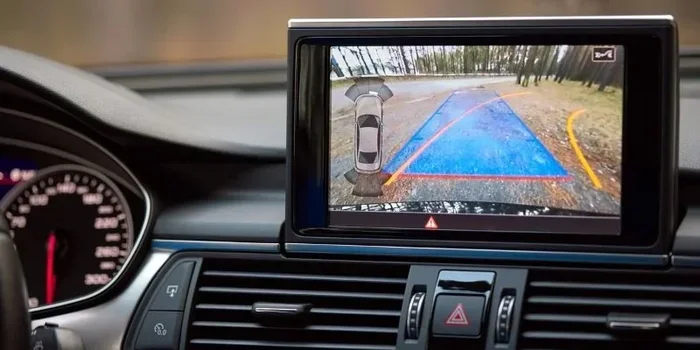
No, turning off RCTA does not disable your backup camera. The backup camera and rear cross traffic alert are separate systems. Your camera will still turn on automatically when you put the car in reverse, regardless of whether RCTA is on or off.
Frequently Asked Questions
What is How Do I Turn Off RCTA?
How Do I Turn Off RCTA is an important topic with many practical applications.