How Do I Turn Off the Toyota Warning Light Right Now
The Toyota warning light can panic any driver, but most of the time, you can turn it off with a few simple steps. Whether it is a check engine light, a dashboard warning, or a service indicator, this guide walks you through every fix. You will learn what each light means, how to reset it, and when it is safe to ignore it.
You are driving along, minding your own business, and suddenly a bright yellow or red symbol lights up on your Toyota dashboard. Your heart drops. What does it mean? Is your car about to break down? The good news is that most Toyota warning lights are not as scary as they look. In fact, many of them can be turned off with a simple fix or reset.
Whether you are dealing with a check engine light, an oil life indicator, or a mysterious symbol you have never seen before, this guide has you covered. We will walk you through exactly how to turn off the Toyota warning light, what each symbol means, and when you should actually worry. No jargon, no fluff — just clear, practical advice you can use right now.
Understanding your Toyota dashboard lights is one of the most important skills every car owner should have. These warning indicators are designed to keep you safe and your car running smoothly. Once you know what they mean, you will feel more confident behind the wheel and less stressed when something pops up on your dash.
Key Takeaways
- Most Toyota warning lights can be turned off with a simple reset or fix.
- Some lights like the check engine light need a scanner tool to clear the code.
- Never ignore red warning lights — they signal serious problems that need immediate attention.
- Yellow or orange lights are usually less urgent but still worth checking soon.
- Common causes include loose gas caps, low oil, and sensor glitches.
- A proper maintenance schedule helps prevent most warning lights from coming back.
- When in doubt, visit a Toyota dealer for a professional diagnosis.
📑 Table of Contents
Understanding Toyota Warning Lights
Before you try to turn anything off, you need to understand what the light is trying to tell you. Toyota uses a color-coded system to show how urgent a problem is. Red lights mean stop and address the issue immediately. Yellow or orange lights mean something needs attention soon but is not an emergency. Green or blue lights are just informational and show that a system is active.
Red Warning Lights You Should Never Ignore
Red lights on your Toyota dashboard are serious. They mean stop driving safely and check the problem right away. Here are the most common red warning lights you might see:
- Oil pressure warning: This looks like an oil can dripping. It means your engine oil is low or the pressure is too low. Driving without enough oil can destroy your engine.
- Brake system warning: This light looks like a circle with an exclamation mark. It could mean your parking brake is on, or your brake fluid is low.
- Battery warning: This looks like a battery symbol. It means your charging system has a problem and your battery may die soon.
- Engine temperature warning: This looks like a thermometer. It means your engine is overheating. Pull over immediately and let it cool down.
Yellow and Orange Warning Lights
Yellow lights are less urgent but still important. They are like a gentle nudge from your car saying, “Hey, check me out soon.” Here are the most common ones:
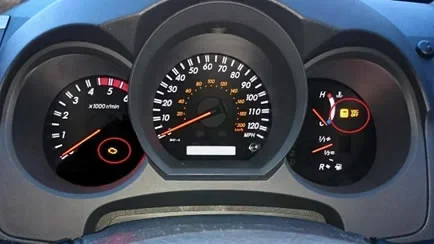
- Check engine light: This is the most common Toyota warning light. It can mean anything from a loose gas cap to a serious engine problem.
- Tire pressure warning: This looks like a horseshoe with an exclamation mark. It means one or more tires are underinflated.
- ABS warning: This means your anti-lock braking system has an issue. Your brakes still work, but the ABS feature may not.
- Traction control light: This means the traction control system is off or has a problem. You can still drive, but be careful on slippery roads.
How to Turn Off the Toyota Warning Light Step by Step
Now that you know what the lights mean, let us get into how to actually turn them off. The method depends on what type of warning light you are dealing with. Here are the most effective ways to clear a Toyota warning light.
Method 1: The Simple Reset
Sometimes the light just needs a quick reset. This works for minor glitches and temporary sensor issues. Here is how to do it:
- Turn your Toyota off completely.
- Wait about 30 seconds.
- Press and hold the trip meter reset button on your dashboard.
- While holding the button, turn the ignition to the “ON” position (do not start the engine).
- Hold the button for about 10 seconds.
- Release the button and turn the ignition off.
- Start the engine and check if the light is gone.
This simple reset clears many minor dashboard warning codes. It works especially well for the maintenance required light and some tire pressure warnings.
Method 2: Check and Fix the Root Cause
Often, the warning light comes on because of a real issue that needs fixing. Once you fix the problem, the light usually goes away on its own. Here are some common causes and fixes:
- Loose gas cap: This is the number one cause of the check engine light. Simply remove the cap, tighten it until it clicks, and drive for a few miles. The light should turn off within a day or two.
- Low oil level: Check your oil with the dipstick. If it is low, add the right type of oil. Can I use 5W 30 oil in a Toyota Corolla? Yes, in most cases this is the right viscosity, but always check your owner manual first.
- Dead key fob battery: If your Toyota will not recognize the key fob, it may trigger a warning light. Replace the battery in the fob and the light should go away.
- Sensor glitch: Sometimes a sensor simply needs to be reset. Disconnecting the battery for about 15 minutes can reset the system and clear the light.
Method 3: Use an OBD-II Scanner
For stubborn lights, an OBD-II scanner is your best friend. This tool plugs into the diagnostic port under your steering column and reads the error codes stored in your Toyota’s computer. Here is how to use one:
- Find the OBD-II port under your dashboard on the driver’s side.
- Plug the scanner into the port.
- Turn the ignition to “ON.”
- Follow the scanner’s instructions to read the codes.
- Look up the code online or in your owner manual to understand what it means.
- Fix the underlying problem.
- Use the scanner to clear the code and turn off the light.
- Turn off the engine and all accessories.
- Open the hood and locate the negative battery terminal (it has a minus sign).
- Use a wrench to loosen the cable on the terminal.
- Remove the cable and wait at least 15 minutes.
- Reconnect the cable and tighten it back up.
- Start the engine and check if the light is off.
- The check engine light is flashing instead of staying solid. A flashing light means a serious problem that could damage your catalytic converter.
- You have tried resetting the light and it comes back within a day or two.
- You see multiple warning lights at the same time.
- The light is accompanied by unusual noises, vibrations, or performance issues.
- Your Toyota is still under warranty, and you want to avoid voiding it.
- Check and change your oil every 5,000 to 7,500 miles.
- Inspect your tires monthly for proper pressure and tread wear.
- Replace your air filter every 15,000 to 30,000 miles.
- Check your brake fluid and coolant levels every few months.
- Have your battery tested annually, especially if your Toyota is over three years old.
- Reset your oil life indicator after every oil change.
- Do not panic. Most warning lights are not emergencies. Take a moment to assess the situation calmly.
- Do not drive for long distances with a red warning light on. Get it checked as soon as possible.
- Keep a code reader in your glove box. It is a small investment that can save you hundreds of dollars in diagnostic fees.
- Do not ignore the maintenance required light. It is not just a suggestion — it is a reminder that your Toyota needs scheduled service to stay reliable.
- Record when the light appeared. This information is very helpful for mechanics and can speed up the diagnosis process.
- Most Toyota warning lights can be turned off with a simple reset or fix.
- Some lights like the check engine light need a scanner tool to clear the code.
- Never ignore red warning lights — they signal serious problems that need immediate attention.
- Yellow or orange lights are usually less urgent but still worth checking soon.
- Common causes include loose gas caps, low oil, and sensor glitches.
- A proper maintenance schedule helps prevent most warning lights from coming back.
- When in doubt, visit a Toyota dealer for a professional diagnosis.
You can buy a basic OBD-II scanner for under $30 at any auto parts store. If you do not want to buy one, most auto parts stores like AutoZone will read the codes for free.
Method 4: Disconnect the Battery
If the light will not go away and you do not have a scanner, you can try disconnecting the battery. This resets the entire electrical system and clears most temporary codes. Here is how:
Keep in mind that disconnecting the battery will also reset your radio presets, clock, and some other settings. Can I drive my Toyota without a key fob? Yes, most Toyotas have a backup mode, but you will want your fob working properly after the reset.
Common Toyota Warning Lights and What They Mean
Every Toyota model has a slightly different set of symbols, but most share the same core set of warnings. Here is a quick reference guide to the most common Toyota dashboard symbols you will see.
| Warning Light | Color | Urgency Level | Common Cause |
|---|---|---|---|
| Check Engine | Yellow/Orange | Medium | Loose gas cap, sensor issue, emissions problem |
| Oil Pressure | Red | Critical | Low oil level, oil pump failure |
| Battery/Charging | Red | Critical | Alternator failure, dead battery |
| Brake System | Red | Critical | Parking brake on, low brake fluid |
| Tire Pressure | Yellow | Medium | Underinflated tire |
| ABS Warning | Yellow | Medium | ABS sensor malfunction |
| Traction Control | Yellow | Low | System off or slippery road conditions |
| Engine Temperature | Red | Critical | Overheating, coolant leak |
| Maintenance Required | Yellow | Low | Scheduled maintenance due |
Use this table as a quick guide when a new light appears on your dash. If you see a red light, pull over safely and address the issue before driving further. For yellow lights, you can usually drive a short distance to a service center, but do not delay getting it checked.
When to See a Professional Mechanic
There is a big difference between a light you can fix yourself and one that needs a professional touch. Here are clear signs that you should take your Toyota to a mechanic:
Did you know you can take your Toyota to any dealer for service? You are not locked into one specific location. And if you have a Lexus, you can even get your Lexus serviced at a Toyota dealer in many cases.
If the light is related to your steering or traction systems, you might wonder, can you turn off steering assist in a Toyota? Yes, some models allow you to disable traction and steering assist, but this should only be done if you understand the risks and are driving in appropriate conditions.
Preventing Toyota Warning Lights in the Future
The best way to deal with warning lights is to prevent them from coming on in the first place. A little regular maintenance goes a long way toward keeping your Toyota healthy and your dash clean.
Follow a Regular Maintenance Schedule
One of the best things you can do is create a maintenance schedule for your Toyota. This means staying on top of oil changes, tire rotations, brake inspections, and fluid top-offs. When you follow a schedule, most warning lights never have a chance to come on.
Here is a simple maintenance checklist to follow:
Pay Attention to Early Warning Signs
Your Toyota usually gives you plenty of warning before a light comes on. You might notice strange sounds, a slight decrease in fuel economy, or a feeling that something is “off.” Do not ignore these signs. Catching a problem early can prevent a warning light from appearing at all.
Keep Your Gas Cap Tight
This sounds too simple to matter, but a loose gas cap is the leading cause of the check engine light. Make it a habit to tighten the cap until you hear it click every time you fill up. This one habit alone can save you a trip to the mechanic and hours of worry.
Expert Tips for Handling Toyota Warning Lights
Here are some expert-level tips that can save you time and money when dealing with Toyota dashboard warning lights:
Key Takeaways
Dealing with a Toyota warning light does not have to be stressful. Now that you know how to read the symbols, reset the lights, and prevent them from coming back, you are better equipped than most drivers. Remember, a check engine light is just your car talking to you. Listen to it, address the problem, and you will be back on the road in no time.
The most important thing to keep in mind is this: not every warning light means disaster. Some are just temporary sensor glitches that a simple reset will fix. Others are serious and need immediate attention. Use the color system, trust your instincts, and when you are unsure, get a professional opinion. Your Toyota is a reliable machine, and with the right care, it will keep those warning lights off for miles to come.
Stay proactive with your car’s maintenance, keep a basic toolkit and a code reader handy, and you will handle any Toyota dashboard warning that comes your way. Drive safely, stay informed, and enjoy the ride.
Frequently Asked Questions
Can I drive my Toyota with the check engine light on?
If the light is solid and not flashing, you can usually drive a short distance to get it checked. However, if the light is flashing, pull over immediately and do not continue driving. A flashing check engine light indicates a serious problem that could damage your engine or catalytic converter.
How do I reset the maintenance required light on my Toyota?
You can reset the maintenance required light by turning the ignition to “ON,” pressing and holding the trip meter reset button, then turning the ignition off and back on. The exact steps may vary slightly depending on your Toyota model and year. Check your owner manual for the specific procedure.
Why does my Toyota warning light keep coming back after I reset it?
If a warning light keeps coming back, it means the underlying problem has not been fixed. The light is doing its job by alerting you to an issue. You should use an OBD-II scanner to read the code and address the root cause, whether it is a loose gas cap, low fluid, or a faulty sensor.
Is it safe to disconnect my Toyota battery to reset warning lights?
Yes, disconnecting the battery is generally safe and can reset most temporary warning lights. However, be aware that this will also reset your radio presets, clock, and some other electronic settings. Make sure you know how to reset these before disconnecting the battery.
How much does it cost to diagnose a Toyota warning light?
Most auto parts stores will read your OBD-II codes for free. If you need a full diagnostic at a repair shop, expect to pay between $100 and $200 depending on your location and the complexity of the issue. The cost is well worth it for a proper diagnosis.
Can I use an OBD-II scanner on any Toyota model?
Yes, all Toyotas manufactured after 1996 use the standard OBD-II system. You can use any universal OBD-II scanner to read and clear codes on any Toyota model. Just plug it into the diagnostic port under your steering column and follow the on-screen instructions.