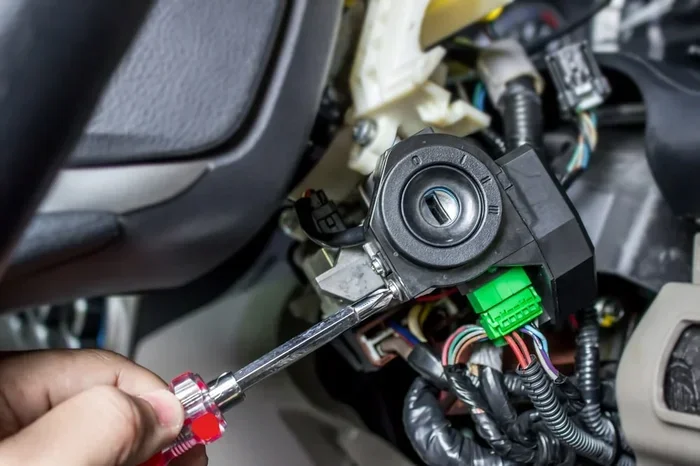
How Do You Bypass The Ignition And Start A Car Fast
Bypassing a car ignition is a practical skill every driver should know. Whether you lost your key, have a broken ignition switch, or face an emergency, understanding how to start your vehicle without the normal key process can save you time and money. This guide covers safe, legitimate methods to bypass the ignition and get your car running quickly.
There is nothing more frustrating than standing in front of your car, key in hand, and realizing the ignition is not working. Maybe the key broke off inside the lock. Maybe the ignition switch just gave up on you. Or maybe you simply do not have your key with you. Whatever the reason, knowing how to bypass the ignition and start a car fast can be a real lifesaver.
This guide walks you through everything you need to know about bypassing your car ignition safely and effectively. We will cover the different methods, the tools you need, and important safety tips. Whether you are dealing with a broken ignition switch or just lost your key, you will find practical advice here. Bypassing the ignition is not just about getting your car going. It is about understanding your vehicle’s electrical system and being prepared for the unexpected.
Before we dive in, let us be clear. This information is for educational purposes and for use on vehicles you own or have permission to operate. Always follow local laws and regulations. Knowledge is power, and understanding how your car ignition works puts you ahead of the game.
Key Takeaways
- Know Your Options: Several methods exist to bypass the ignition, from hotwiring to using a spare key or ignition switch bypass kit.
- Safety First: Always ensure you own the vehicle before attempting any bypass method to avoid legal issues.
- Prevent Future Problems: Regular maintenance of your ignition system can prevent the need to bypass it in the first place.
- Professional Help Matters: Some methods are best left to certified mechanics, especially modern vehicles with immobilizer systems.
- Emergency Preparedness: Keeping a spare key and understanding your car’s electrical system helps in unexpected situations.
- Modern Cars Are Different: Newer vehicles have advanced security systems that make traditional bypass methods ineffective or risky.
📑 Table of Contents
- Understanding Your Car Ignition System
- Why Would You Need to Bypass the Ignition?
- Methods to Bypass the Ignition and Start a Car Fast
- Safety Tips When Bypassing Your Ignition
- Modern Cars and Immobilizer Systems
- Common Mistakes to Avoid
- When to Call a Professional
- Preventing Ignition Problems in the Future
- Final Thoughts on Bypassing Your Ignition
Understanding Your Car Ignition System
To bypass the ignition, you first need to understand how it works. The ignition system is a series of electrical and mechanical components that work together to start your engine. When you turn your key, the ignition switch sends power to the starter motor. The starter motor then cranks the engine. Once the engine turns over, fuel and spark take over, and your car starts.
Key Components of the Ignition System
Several parts make up your ignition system. Understanding each one helps you troubleshoot and bypass the system when needed.
- Ignition Switch: This is the switch you turn with your key. It controls the flow of electricity to the starter motor and other systems.
- Starter Motor: This motor cranks the engine when you turn the key to the start position.
- Ignition Cylinder: This is the physical lock where you insert your key. It houses the tumblers that match your key cut.
- Transponder Chip: Modern cars have a chip in the key that communicates with the car’s computer. Without the right chip, the car will not start.
- Ignition Relay: This relay controls the power supply to the ignition system.
Knowing these parts helps you understand why your car might not start. A broken ignition switch, a dead transponder chip, or a faulty starter motor can all prevent your car from starting normally. And when one of these parts fails, you might need to bypass the ignition to get moving.
Why Would You Need to Bypass the Ignition?
There are several legitimate reasons you might need to bypass your car ignition. Understanding these reasons helps you choose the right method and approach.
Lost or Broken Keys
This is the most common reason people need to bypass their ignition. Keys get lost. Keys break off inside the ignition cylinder. And sometimes, keys just stop working because the transponder chip fails. If you do not have a spare key, bypassing the ignition becomes your fastest route to getting your car running.
Faulty Ignition Switch
Ignition switches wear out over time. You might notice your car stalling, flickering lights, or difficulty turning the key. A faulty ignition switch can leave you stranded. Bypassing the switch temporarily lets you drive to a mechanic or auto parts store for a replacement.
Emergency Situations
Imagine you are in an emergency and your key is stuck in the ignition or you cannot reach it. In these rare situations, knowing how to bypass the ignition can make a critical difference. This is why every car owner should have basic knowledge of their vehicle’s electrical system.
Methods to Bypass the Ignition and Start a Car Fast
Now let us get to the practical part. Here are the most common methods to bypass your car ignition. Each method works for different situations and vehicle types.
Method 1: Hotwiring the Ignition
Hotwiring is the classic method people think of when they hear about bypassing an ignition. This method works best on older vehicles made before the mid-1990s. Modern cars with immobilizer systems make hotwiring much harder or even impossible.
Here is a simplified overview of how hotwiring works. Please note this is for educational purposes only on vehicles you own.
- Remove the steering column cover. You will usually find screws or clips holding it in place.
- Locate the ignition wiring harness. You will see a bundle of wires behind the ignition cylinder.
- Identify the battery wire (usually red) and the starter wire (usually yellow or brown).
- Strip the insulation from both wires carefully.
- Touch the battery wire to the starter wire. This sends power to the starter motor.
- Your engine should crank and start. Remove the wires once the engine is running.
Warning: Hotwiring can damage your electrical system if done incorrectly. Always disconnect the battery before working on any wiring. And remember, this method is less effective on modern vehicles with advanced security systems.
Method 2: Using a Bypass Ignition Kit
A bypass ignition kit is a much cleaner and safer option than hotwiring. These kits are available at most auto parts stores and online. They come with everything you need to bypass the ignition switch without damaging your wiring.
Most bypass kits include a bypass module that connects to your ignition wiring. You install the module, and then you can start the car with a push button or a simple toggle switch. This method works on a wide range of vehicles and is much safer than traditional hotwiring.
Here is why a bypass ignition kit is a great option:
- It is reversible and does not permanently alter your wiring.
- It is much safer than hotwiring.
- It works on most vehicle models.
- It is relatively inexpensive, usually under $30.
- It gives you a clean, professional-looking solution.
Method 3: Using a Spare Key or Key Fob
This might sound obvious, but many people do not think of it first. If you have a spare key, use it. Many car owners do not realize they have a spare key hidden in their home or stored somewhere else. Check with family members or look in your car documentation.
For keyless entry vehicles, you might be able to start the car with a backup key fob or by using your phone app if your vehicle supports it. Some newer Toyota models let you remote start your Toyota with the key fob, which can be a lifesaver if your primary fob dies.
Method 4: Jump Starting the Ignition Circuit
Another method involves jumping the ignition circuit directly. This is similar to hotwiring but more targeted. You identify the specific wires that trigger the ignition and starter, then connect them to bypass the switch.
This method requires some knowledge of your vehicle’s wiring diagram. You can usually find this diagram in your owner’s manual or by searching online for your specific make and model. Always exercise caution when working with electrical components.
Safety Tips When Bypassing Your Ignition
Bypassing your ignition is not something you do every day. And that is exactly why safety matters so much. One wrong move can damage your electrical system, cause a short circuit, or even lead to a fire.
Essential Safety Precautions
- Disconnect the battery before working on any wiring. This prevents electrical shocks and short circuits.
- Work in a well-ventilated area. Car batteries can release harmful gases.
- Wear protective gloves and eyewear. Sparks and hot wires can cause injuries.
- Keep a fire extinguisher nearby. Just in case something goes wrong.
- Take photos before disconnecting anything. This helps you remember how everything connects when you put it back together.
- Never work on a fuel system while bypassing the ignition. Keep flammable materials away from your work area.
If you are not comfortable working with electrical systems, do not hesitate to call a professional. A certified mechanic can bypass your ignition safely and quickly. The cost of professional help is often worth the peace of mind and the prevention of costly mistakes.
Modern Cars and Immobilizer Systems
Modern vehicles have come a long way in terms of security. Most cars built after 2000 come with immobilizer systems that make bypassing the ignition much more difficult. These systems use a transponder chip in your key that communicates with the car’s computer. If the chip does not send the right signal, the car will not start.
This means traditional hotwiring methods often do not work on newer vehicles. The car’s computer simply will not allow the engine to start without the proper transponder signal. In these cases, you will need a bypass module that can mimic the transponder signal or reprogram the car’s computer.
Some vehicles also have additional security features like steering column locks. These locks prevent the steering wheel from turning, even if you manage to start the engine. You will need to disengage these locks before you can drive away.
When dealing with modern vehicles, your best bet is to use a bypass ignition kit or call a professional locksmith. They have the tools and knowledge to work with advanced immobilizer systems safely.
Common Mistakes to Avoid
Even with the best intentions, people make mistakes when trying to bypass their ignition. Here are some common errors you should avoid.
- Forgetting to disconnect the battery: This is the number one mistake. Working on live wires can cause serious damage to your electrical system.
- Cutting wires instead of bypassing them: Cutting wires is permanent and can cause problems later. Always use a bypass method that preserves your original wiring.
- Not labeling wires: If you do not label wires before disconnecting them, you will have a nightmare putting everything back together. Use tape or labels to mark each wire.
- Ignoring the immobilizer: If your car has an immobilizer system, traditional bypass methods will not work. You need a bypass module that can handle the transponder signal.
- Rushing the process: Take your time. Rushing leads to mistakes, and mistakes lead to damage.
Avoiding these common mistakes saves you time, money, and frustration. Take a methodical approach, and you will have your car running in no time.
When to Call a Professional
Not every ignition problem requires a DIY solution. Sometimes, the best decision is to call in the experts. Here are situations where you should definitely seek professional help.
- Your vehicle has a modern immobilizer system that you cannot bypass safely.
- You have tried multiple methods and your car still will not start.
- You notice burning smells, sparks, or other signs of electrical problems.
- You are not comfortable working with electrical wiring.
- Your ignition cylinder is physically damaged and needs replacement.
Professional locksmiths and mechanics have specialized tools and training. They can diagnose the root cause of your ignition problem and fix it properly. In many cases, a professional ignition switch replacement costs between $150 and $350, which is far less than the cost of repairing damage from a DIY mistake.
Preventing Ignition Problems in the Future
The best way to deal with ignition problems is to prevent them from happening in the first place. Regular maintenance and good habits go a long way toward keeping your ignition system in top shape.
Maintenance Tips for a Healthy Ignition
- Keep your keys clean: Dirt and debris can wear down your key and the ignition cylinder over time.
- Do not force the key: If the key does not turn easily, do not force it. This can damage the ignition cylinder.
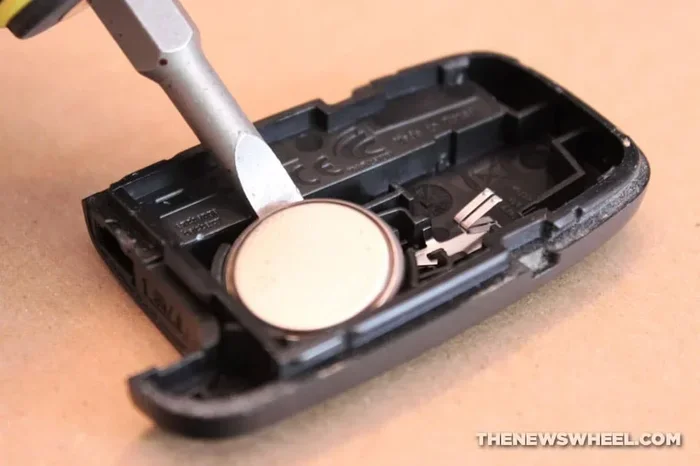
- Replace your key fob battery regularly: A weak battery in your key fob can cause starting problems. Most key fob batteries last 2 to 3 years.
- Have your ignition switch inspected: During regular maintenance, ask your mechanic to check the ignition switch for signs of wear.
- Keep a spare key: Store a spare key in a safe place at home or with a trusted family member.
These simple habits can save you from the headache of a failed ignition. Prevention is always better than cure, especially when it comes to your car’s electrical system.
Final Thoughts on Bypassing Your Ignition
Knowing how to bypass the ignition and start a car fast is a valuable skill for any car owner. Whether you are dealing with a lost key, a broken ignition switch, or an emergency situation, having this knowledge gives you confidence and independence. Just remember to always use these methods responsibly and on vehicles you own or have permission to operate.
Start with the simplest methods first, like using a spare key or a bypass ignition kit. If those do not work, move on to more advanced techniques. And when in doubt, do not hesitate to call a professional. Your safety and the safety of your vehicle should always come first.
With the right knowledge and tools, you can handle ignition problems like a pro. Stay prepared, stay safe, and keep your car running smoothly for years to come.
Frequently Asked Questions
Is it legal to bypass a car ignition?
Bypassing your own car ignition is legal when you own the vehicle or have permission from the owner. However, bypassing someone else’s car ignition without authorization is illegal and considered theft. Always make sure you have the right to operate the vehicle before attempting any bypass method.
Can you bypass a modern car’s immobilizer system?
Yes, but it requires specialized tools and knowledge. Modern immobilizer systems use transponder chips that communicate with the car’s computer. You will need a bypass module or professional help to mimic the transponder signal. Traditional hotwiring methods usually do not work on vehicles built after 2000.
How much does it cost to bypass a car ignition?
The cost varies depending on the method you choose. A bypass ignition kit typically costs between $15 and $50. Professional ignition switch replacement ranges from $150 to $350. Hotwiring yourself costs nothing but carries higher risks of electrical damage.
What should I do if my key breaks off in the ignition?
First, do not panic. If you can see the broken key piece, try to extract it with needle-nose pliers. If you cannot reach it, use a bypass method to start the car temporarily. Then take your vehicle to a locksmith or mechanic to properly remove the broken key and replace the ignition cylinder if needed.
How long does it take to bypass a car ignition?
A simple bypass ignition kit installation can take 15 to 30 minutes. Hotwiring a vehicle might take 20 to 45 minutes depending on your experience level and the vehicle model. If you are unsure, giving a professional mechanic 30 to 60 minutes is a safe estimate.
Will bypassing my ignition damage my car?
If done correctly, bypassing your ignition should not cause damage. However, incorrect wiring, short circuits, or using the wrong method can harm your electrical system. Always follow safety precautions, disconnect the battery first, and consider professional help if you are not confident in your abilities.