Do Toyota Highlanders Keep Their Value After Years
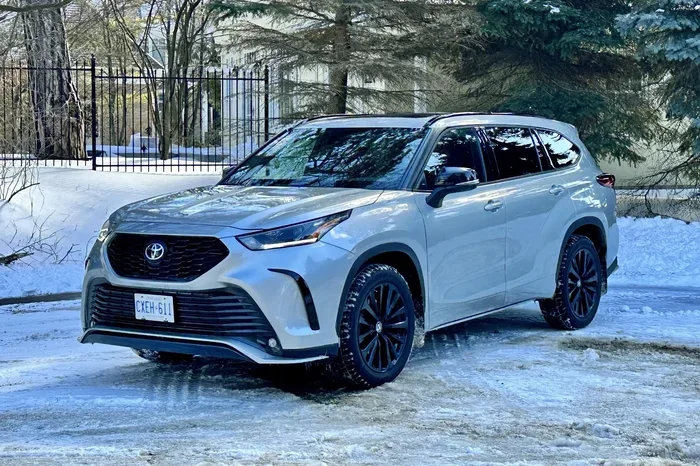
Do Toyota Highlanders keep their value? Yes, the Toyota Highlander is one of the strongest SUV models for holding resale value. Thanks to its reputation for reliability and strong brand demand, the Highlander depreciates slower than many competitors. In this guide, we break down the numbers, explain why it holds value so well, and share tips to maximize your investment.
Do Toyota Highlanders Keep Their Value After Years
When you buy a Toyota Highlander, you are not just buying a vehicle. You are making a long-term investment. The question most buyers ask is simple: do Toyota Highlanders keep their value after years of ownership? The short answer is yes, and it is not even close. The Highlander consistently ranks among the top SUVs for resale value. This makes it one of the smartest choices for anyone who wants to own a vehicle without losing thousands of dollars every year.
There are many reasons behind this impressive value retention. From Toyota’s legendary reliability to strong market demand, the Highlander checks every box. In this article, we will walk through the numbers, compare it to competitors, and give you practical tips to keep your Highlander worth as much as possible. Whether you are buying new or considering a used model, understanding depreciation is key to making a smart purchase.
So, what makes the Toyota Highlander so good at holding its value? Let us break it all down.
Key Takeaways
- Strong Resale Value: The Toyota Highlander holds its value significantly better than most midsize SUVs on the market.
- Reliability Drives Demand: Because Toyota Highlanders are known for reliability, used buyers pay a premium for them.
- Lower Maintenance Costs: Affordable upkeep means fewer surprises that hurt long-term ownership costs.
- Brand Loyalty Matters: Toyota’s trusted name keeps demand high, which directly boosts resale prices.
- Hybrid Models Add Value: Highlander Hybrid versions tend to depreciate even more slowly due to fuel savings appeal.
📑 Table of Contents
Understanding Vehicle Depreciation
Before we dive into the Highlander specifically, let us talk about depreciation. Every new car loses value the moment you drive it off the lot. This is called depreciation, and it affects every vehicle on the road. However, the rate at which cars lose value varies a lot. Some vehicles drop 20% in the first year alone. Others hold steady much longer.
Depreciation is the biggest hidden cost of car ownership. Most people focus on the sticker price, but the real cost is what the car is worth after several years. A vehicle that holds its value saves you money when it is time to sell or trade in. This is exactly where the Toyota Highlander shines. It depreciates at a much slower rate than the average SUV.
How Depreciation Works
On average, a new car loses about 20% to 30% of its value in the first year. By year five, many cars have lost nearly half their original price. But the Highlander does not follow this pattern. The Toyota Highlander resale value stays remarkably strong. After five years, a Highlander typically retains around 55% to 65% of its original value. That is well above the industry average for midsize SUVs.
Several factors influence how fast a vehicle depreciates. These include brand reputation, reliability ratings, maintenance costs, and market demand. The Highlander scores well on every single one of these factors. That is why it consistently outperforms many competitors in resale value rankings.
Why Toyota Highlanders Hold Their Value So Well
Now let us get to the heart of the matter. Why does the Highlander hold its value better than so many other SUVs? There is no single reason. Instead, it is a combination of factors that work together to protect the vehicle’s worth over time.
Toyota’s Reputation for Reliability
Toyota has built one of the strongest reputations in the automotive industry. When people think of reliable cars, Toyota is almost always at the top of the list. This reputation does not happen by accident. It comes from decades of engineering, quality manufacturing, and consistent performance. The Highlander benefits directly from this trust.
Buyers looking for a used SUV want peace of mind. They want a vehicle that will not break down constantly. When you buy a used Toyota Highlander, you are buying into that trust. This is why certified pre-owned Highlanders sell so quickly and at strong prices. The Toyota brand reliability is a huge factor in value retention.
Strong Market Demand
Demand plays a massive role in resale value. When a vehicle is in high demand, prices stay strong even in the used market. The Highlander consistently ranks as one of the most popular SUVs in America. Families love it for its spacious interior, comfortable ride, and safety features. This strong demand means there are always buyers willing to pay fair prices.
Compare this to less popular models. When demand drops, sellers have to slash prices to attract buyers. The Highlander never faces this problem. Its popularity keeps the resale market healthy and prices stable.
Affordable Maintenance and Repairs
One factor people often overlook is maintenance cost. A vehicle that is expensive to fix will hurt your total cost of ownership. The Highlander is known for having reasonable maintenance costs. Parts are widely available, and routine service is straightforward. This affordability adds to the vehicle’s overall value proposition.
If you are wondering about repair costs specifically, you can check our detailed guide on Are Toyota Highlanders Expensive To Fix for a deeper look. The short answer is that Highlanders are among the more affordable Toyota models to maintain over the long haul.
Toyota Highlander Depreciation Rate Over Time
Let us look at some real numbers. Understanding the depreciation curve helps you plan your ownership strategy. Here is a general breakdown of how the Highlander loses value over time.
Year 1: The first year hit is the steepest. A new Highlander loses roughly 15% to 20% of its value. This is standard for most vehicles and is partly due to the shift from new to used status.
Years 2 to 3: Depreciation slows down significantly. The Highlander typically loses another 10% to 15% during this period. By the end of year three, the vehicle has retained about 60% to 70% of its original value.
Years 4 to 5: The curve flattens out. These years see only about 5% to 10% additional depreciation. After five years, the Highlander still holds a strong resale price.
Years 6 to 10: The rate of depreciation continues to slow. The Highlander remains a desirable used vehicle well into its second decade. This long tail of value retention is what sets it apart from many competitors.
Comparison Table: Highlander vs. Competitors
Here is how the Highlander stacks up against some popular midsize SUVs in terms of five-year resale value:
- Toyota Highlander: Retains approximately 55% to 65% of original value after 5 years.
- Honda Pilot: Retains approximately 50% to 60% of original value after 5 years.
- Chevrolet Traverse: Retains approximately 40% to 50% of original value after 5 years.
- Ford Explorer: Retains approximately 45% to 55% of original value after 5 years.
- Jeep Grand Cherokee: Retains approximately 45% to 55% of original value after 5 years.
As you can see, the Highlander leads the pack. Its value retention is consistently above average across the board. This gives buyers a real financial advantage, especially if they plan to trade in or sell within five to seven years.
Factors That Affect the Toyota Highlander Resale Value
Not all Highlanders hold their value equally. Several factors can influence how well your specific vehicle retains its worth. Understanding these factors helps you make smarter buying and ownership decisions.
Trim Level and Features
The trim level you choose matters more than you might think. Higher trims with more features tend to hold value better in the used market. The Limited and Platinum trims, for example, often retain more value than the base LE trim. This is because buyers of used Highlanders want the comfort and convenience features that come with upper trims.
Features like leather seating, panoramic sunroofs, advanced driver assistance systems, and upgraded infotainment all add resale appeal. When shopping for a Highlander, consider choosing a trim that has the features most buyers want. This simple choice can protect hundreds or even thousands of dollars in resale value.
Mileage
Mileage is one of the biggest factors in resale value. Lower-mileage Highlanders always command higher prices. If you plan to sell or trade in your vehicle, keeping the mileage reasonable helps preserve value. A Highlander with 60,000 miles will sell for significantly more than one with 120,000 miles, all else being equal.
Condition and Maintenance History
Always keep your Highlander in excellent condition. Regular oil changes, tire rotations, and timely repairs all contribute to a strong resale price. Buyers are willing to pay more for vehicles with a documented maintenance history. A well-cared-for Highlander tells a story of reliability, and that story translates directly into higher resale value.
Color and Exterior Condition
Believe it or not, color can affect resale value. Neutral colors like white, black, and silver tend to sell faster and hold value better than bold or unusual colors. Keeping the exterior in excellent condition, free of dents and scratches, also helps protect the vehicle’s worth.
Market Conditions and Timing
Sometimes external factors beyond your control affect resale value. Supply chain issues, fuel prices, and economic conditions all play a role. For example, during periods of high fuel prices, hybrid Highlanders tend to hold their value even better than standard models. Timing your sale to match market conditions can also make a difference.
How to Maximize Your Toyota Highlander’s Value
You can take active steps to protect and even boost your Highlander’s resale value. Here are some practical tips that any owner can follow.
- Keep up with regular maintenance. Follow the Toyota maintenance schedule and document every service. This builds trust with future buyers.
- Address repairs promptly. Do not let small issues become big problems. Fixing things early keeps the vehicle running smoothly and prevents costly repairs down the road.
- Keep the interior clean. A well-maintained interior makes a huge difference in perceived value. Vacuum regularly, condition the leather, and avoid stains or odors.
- Park in a garage when possible. Protecting the exterior from sun damage, rain, and debris preserves the paint and body condition.
- Avoid modifications. Aftermarket upgrades can be polarizing. Many buyers prefer stock vehicles because they come with warranties and proven reliability.
- Sell at the right time. Spring and early summer are typically the best times to sell an SUV. Buyers are more active during these seasons.
Are Toyota Highlanders a Good Long-Term Investment?
The answer to this question is a resounding yes. When you factor in depreciation, the Highlander proves itself as one of the best long-term investments in the SUV segment. Because it holds its value so well, the total cost of ownership is lower than many competitors. You pay less per year of ownership when you factor in the money you get back at resale.
The Highlander also delivers where it counts in daily driving. It is spacious, comfortable, and safe. It handles well for an SUV and offers strong fuel economy, especially in the Hybrid trim. Whether you are commuting to work or taking the family on a road trip, the Highlander does not disappoint.
Toyota’s reputation for building vehicles that last also adds to the investment appeal. Many Highlanders go well past 200,000 miles with proper care. This longevity means you get more use out of the vehicle, which spreads the cost over more years. If you want to learn more about how long Toyota vehicles can last, check out our article on Can Toyota Last 500000 Miles.
When you compare the Highlander to other options in its class, the value proposition becomes even clearer. The Toyota Highlander resale value advantage compounds over time. A vehicle that loses less money in depreciation effectively costs less to own over its lifetime. This is why smart buyers keep coming back to the Highlander year after year.
The Highlander also benefits from Toyota’s extensive dealer network and strong brand presence. This means service is convenient, parts are easy to find, and the used market for Highlanders is deep and active. All of these factors contribute to a vehicle that not only keeps its value but also provides an excellent ownership experience along the way.
If you are still on the fence, consider this: vehicles that hold their value well give you more flexibility. You can trade in sooner, upgrade more often, or simply pocket the difference when you sell. The Toyota Highlander gives you all of these options. Few other SUVs in its class offer this level of financial confidence.
In the end, the answer to the question is clear. The Toyota Highlander is one of the best vehicles you can buy if you care about long-term value. Its combination of reliability, demand, and low ownership costs makes it a standout choice. Whether you are a first-time SUV buyer or your fifth vehicle, the Highlander deserves a spot at the top of your list.
Frequently Asked Questions
How much does a Toyota Highlander depreciate in the first year?
A new Toyota Highlander typically depreciates by about 15% to 20% in the first year. This is slightly below the average for most new vehicles. The exact amount depends on the trim level, mileage, and local market conditions. Choosing a popular trim and keeping the vehicle in good condition helps minimize this initial drop.
Is a used Toyota Highlander a good buy?
Yes, a used Toyota Highlander is an excellent buy. Because Highlanders hold their value so well, the used market offers strong options at fair prices. A 3- to 5-year-old Highlander gives you the best balance of modern features and value. You avoid the steepest depreciation hit while still getting a reliable vehicle with plenty of life left.
Do Toyota Highlanders hold value better than Honda Pilots?
In most cases, yes. The Toyota Highlander tends to hold its value slightly better than the Honda Pilot over a five-year period. This is due to Toyota’s stronger brand reputation for reliability and the Highlander’s consistent popularity. However, the difference is not huge, and both are excellent choices for value-conscious buyers.
Does the Highlander Hybrid hold value better than the gas-only model?
Generally, yes. The Highlander Hybrid often holds its value slightly better than the gas-only version. This is because fuel efficiency is a big selling point for used SUV buyers. Hybrid models also tend to attract buyers who plan to keep their vehicles longer, which supports stronger resale prices.
What is the best age to buy a used Toyota Highlander for value?
The sweet spot is usually between 3 and 5 years old. At this age, the Highlander has already gone through the steepest depreciation but still has plenty of modern features and reliability left. You get the most value for your dollar in this age range. A well-maintained 4-year-old Highlander offers an excellent balance of price and quality.
How can I get the best resale price for my Toyota Highlander?
To get the best resale price, keep up with all scheduled maintenance, address repairs promptly, and keep the interior and exterior in excellent condition. Selling during peak buying seasons in spring or early summer also helps. Providing a full service history and keeping mileage reasonable are the two biggest factors buyers look at when making an offer.
=== CONCLUSION ===
The Toyota Highlander is one of the smartest vehicles you can buy if you care about long-term value. From the moment you drive it off the lot, this SUV works hard to protect your investment. Its combination of Toyota brand reliability, strong market demand, and affordable ownership costs makes it a standout in the crowded SUV market.
The numbers speak for themselves. Highlanders depreciate slower than most competitors and retain a strong percentage of their original value for many years. Whether you choose the gas model or the Hybrid version, you are making a choice that pays off when it is time to sell or trade in.
By following the tips in this guide, you can maximize your Highlander’s resale value and get the most out of your ownership experience. Keep up with maintenance, choose popular features, and time your sale wisely. These simple steps make a real difference over the life of the vehicle.
So, the next time someone asks you if Toyota Highlanders keep their value after years, you can confidently say yes. The Toyota Highlander is not just a great SUV to drive. It is a great SUV to own for the long haul, and that is a fact backed by numbers, reputation, and real-world results.