How Do You Reset the Tire Light on a 2008 Toyota Sienna
Resetting the tire light on a 2008 Toyota Sienna is a simple process you can do at home. The tire pressure monitoring system (TPMS) warns you when tire pressure drops below safe levels. This guide walks you through the exact steps to reset the light, identify common causes, and keep your Sienna running safely.
Have you ever started your 2008 Toyota Sienna and spotted that little horseshoe-shaped warning light glowing on your dashboard? It is frustrating, right? That is your tire pressure monitoring system (TPMS) telling you something needs attention. Whether it is a cold morning or you just filled up your tires, that light can pop up for many reasons. The good news is that resetting the tire light on a 2008 Toyota Sienna is something you can handle yourself in just a few minutes.
This guide gives you everything you need to know. We will walk through the causes, the tools you need, and the exact reset steps. You will also learn how to prevent that light from coming back. Let us get into it and get your Sienna back to running smoothly.
Key Takeaways
- Easy DIY Fix: You can reset the tire light on your 2008 Toyota Sienna in minutes without visiting a mechanic.
- Check Pressure First: Always verify and correct tire pressure before attempting a reset to avoid the light coming back on.
- Multiple Reset Methods: The 2008 Sienna offers both a manual button reset and a dashboard menu option.
- Common Culprits: Temperature changes, slow leaks, and faulty sensors are the top reasons the tire light activates.
- Maintenance Matters: Regular tire checks and scheduled maintenance help prevent future TPMS warnings.
- Know When to Seek Help: If the light persists after a reset, a professional diagnostic may be needed.
📑 Table of Contents
- Understanding the Tire Pressure Light on a 2008 Toyota Sienna
- Tools You Need to Reset the Tire Light
- Step-by-Step Guide to Resetting the Tire Light
- Common Mistakes to Avoid When Resetting the Tire Light
- Preventing Future Tire Light Warnings
- When to Seek Professional Help
- Expert Insights on TPMS Maintenance for the 2008 Toyota Sienna
- Key Takeaways
- Conclusion
Understanding the Tire Pressure Light on a 2008 Toyota Sienna
The tire pressure warning light is part of your Sienna’s TPMS. This system uses sensors inside each tire to monitor air pressure. When pressure drops below the recommended level, the light activates. On the 2008 Toyota Sienna, this light looks like a horseshoe with an exclamation point in the center.
Many drivers ignore this light. That is a mistake. Underinflated tires reduce fuel efficiency. They also create unsafe driving conditions. The tire pressure monitoring system on the 2008 Sienna is designed to protect you. Paying attention to it keeps your family safe on the road.
Why Does the Tire Light Come On?
Several factors can trigger the tire pressure light on your 2008 Sienna. Understanding these causes helps you address the root problem before simply resetting the light.
- Temperature Changes: Cold weather causes air inside tires to contract. This drops pressure and activates the light. A sudden temperature drop overnight is a common culprit.
- Slow Air Leaks: Small punctures or worn valve stems let air seep out slowly. You may not notice a flat tire right away.
- Faulty TPMS Sensor: The sensor itself can fail or lose its battery. A dead sensor sends false readings to your dashboard.
- Recent Tire Changes: Rotating tires or installing new ones sometimes triggers the light. The system needs a manual reset after service.
- Altitude Changes: Driving to higher elevations changes air pressure in your tires. This can activate the warning temporarily.
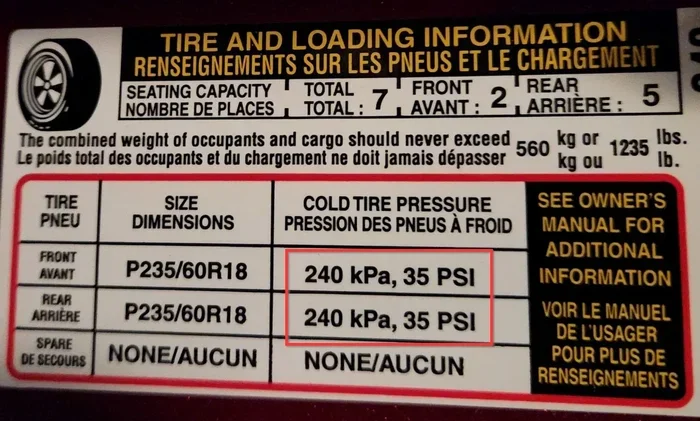
If you notice the light flickering or staying on consistently, check your tire pressure first. Use a reliable tire pressure gauge to measure each tire. The recommended pressure for a 2008 Toyota Sienna is typically found on the driver’s side door jamb. Compare your readings to that number.
Tools You Need to Reset the Tire Light
Before you start, gather the right tools. You do not need anything expensive or complicated. Here is what you will need:
- A digital or manual tire pressure gauge
- An air compressor or access to a gas station air pump
- The owner’s manual for your 2008 Toyota Sienna
- A flat, safe surface to park on
Most of these items are common household tools. If you do not own a tire pressure gauge, pick one up at any auto parts store. They cost under fifteen dollars and last for years. Having the right tools makes the entire process faster and more accurate.
Step-by-Step Guide to Resetting the Tire Light
Now for the main part. Resetting the tire light on a 2008 Toyota Sienna involves a few straightforward steps. Follow them carefully for the best results.
Step 1: Check and Inflate All Tires
Start by checking the pressure in every tire, including the spare. The recommended PSI for the 2008 Sienna is usually between 33 and 35 PSI. Use your tire pressure gauge to measure each tire. If any tire is low, add air until it reaches the correct level.
Do not skip the spare tire. Many drivers forget about it until they need it. A properly inflated spare ensures you are fully prepared for any situation on the road.
Step 2: Locate the TPMS Reset Button
On the 2008 Toyota Sienna, the TPMS reset button is located beneath the steering column. It is a small black button with the letters “TPMS” or a tire icon printed on it. You may need to feel around the bottom of the dashboard to find it. Some owners describe it as being near the steering wheel adjustment lever.
If you have trouble locating it, consult your owner’s manual. It will show you the exact position. The manual is also a great resource for other Toyota Sienna maintenance tips.
Step 3: Press and Hold the Reset Button
With the engine running, press and hold the TPMS reset button. Hold it for about three to five seconds until you see the warning light blink three times on the dashboard. Release the button and wait for the light to turn off. This process resets the system and clears the stored error codes.
Make sure your vehicle is in park and the parking brake is engaged before you start. Safety always comes first when working around your vehicle.
Step 4: Drive to Complete the Reset
After pressing the reset button, drive your Sienna at a steady speed of 30 to 50 miles per hour for about 20 minutes. This allows the TPMS sensors to recalibrate. The system needs time to recognize the corrected tire pressure readings.
Some owners report that the light turns off immediately after the reset. Others notice it takes a short drive for the system to fully relearn the tire pressure. Both outcomes are normal and expected.
Step 5: Verify the Reset Was Successful
Once you have completed the drive cycle, turn off your engine. Wait a few minutes, then restart the vehicle. Check the dashboard to confirm the tire pressure light is off. If it stays off, your reset was successful.
If the light comes back on quickly, there may be a deeper issue. A persistent light could indicate a faulty sensor, a slow leak, or a system malfunction. In those cases, it is wise to visit a qualified mechanic or your local Toyota dealership.
Common Mistakes to Avoid When Resetting the Tire Light
Resetting the tire light seems simple, but mistakes happen. Avoid these common errors to ensure a successful reset the first time.
- Skipping the Pressure Check: Never reset the light without first confirming your tire pressure is correct. Resetting with low tires means the light will return within miles.
- Not Holding the Button Long Enough: A quick tap will not work. You need to hold the button for three to five seconds until the light blinks.
- Ignoring a Faulty Sensor: If one sensor has failed, resetting will not fix the problem. The sensor needs replacement, not a reset.
- Resetting with the Engine Off: Always perform the reset procedure with the engine running. The system needs power to register the new settings.
- Forgetting the Spare Tire: The spare tire pressure matters too. An underinflated spare can trigger the TPMS light on some models.
Taking your time and following each step carefully saves you from repeating the process. Patience pays off when working on your vehicle.
Preventing Future Tire Light Warnings
Once you have successfully reset the tire light, you want to keep it off. Regular maintenance and good habits go a long way toward preventing future TPMS warnings.
Check Tire Pressure Monthly
Make it a habit to check your tire pressure at least once a month. Temperature changes throughout the seasons affect tire pressure significantly. A quick check with a gauge takes only a few minutes and catches problems early.
Invest in Quality Tires
Good tires hold air pressure better than cheap ones. Investing in quality tires for your 2008 Sienna reduces the frequency of pressure drops. Look for tires with strong sidewalls and good tread life ratings.
Rotate Tires Regularly
Tire rotation promotes even wear and helps maintain consistent pressure across all four tires. Most experts recommend rotating your tires every 5,000 to 7,500 miles. This simple practice extends tire life and improves safety.
For a comprehensive maintenance routine, consider creating a structured maintenance schedule for your Toyota Sienna. Staying on top of regular service keeps your vehicle running at its best.
Monitor Temperature Changes
Seasonal temperature swings are one of the biggest triggers for tire pressure lights. In fall and winter, check your tire pressure more frequently. Cold mornings can drop pressure enough to activate the TPMS even if your tires were fine the day before.
When to Seek Professional Help
Sometimes the tire light will not go away no matter what you do. This situation is more common than you might think. Here are signs that it is time to visit a professional:
- The light returns immediately after a successful reset
- One or more tires lose air rapidly despite frequent refills
- The TPMS light flashes instead of staying solid
- You hear a hissing sound near a tire
- The dashboard displays a TPMS sensor error message
A certified mechanic can run a diagnostic scan to identify faulty sensors or system errors. They have specialized tools that read individual sensor data. If your 2008 Sienna has been through a lot of miles, a sensor replacement might be due. Replacing a TPMS sensor typically costs between fifty and one hundred dollars per sensor.
For Toyota-specific diagnostics, you may also want to check whether you can take your vehicle to any Toyota dealership for service. This flexibility ensures you get quality care without being locked into a single service center.
Expert Insights on TPMS Maintenance for the 2008 Toyota Sienna
Automotive experts agree that TPMS maintenance is often overlooked until a warning light appears. The 2008 Toyota Sienna uses a direct TPMS system, meaning each wheel has its own physical sensor. These sensors have batteries that typically last five to ten years. By the time a Sienna reaches 200,000 miles, sensor battery replacements are common.
Experienced technicians recommend treating the TPMS reset as part of regular tire care rather than a one-time fix. When you rotate tires or change seasons, a quick system check keeps everything running smoothly. This proactive approach saves time and money in the long run.
One expert tip: keep a log of your tire pressure readings. Tracking changes over time helps you spot slow leaks before they become serious problems. A simple notebook or phone note works perfectly for this purpose.
Key Takeaways
- Resetting the tire light is straightforward: Check pressure, press the TPMS reset button, and drive to recalibrate.
- Always verify tire pressure first: Never reset the light without ensuring all tires are properly inflated.
- The reset button is under the steering column: Easy to access and simple to use on the 2008 Sienna.
- Drive for 20 minutes after resetting: This allows the system to fully recalibrate and recognize correct pressure readings.
- Monthly checks prevent future warnings: Consistent maintenance keeps your TPMS light off and your tires safe.
- Persistent lights need professional attention: Faulty sensors or slow leaks require expert diagnosis and repair.
- Regular maintenance schedules help: Staying organized with your Toyota’s service needs prevents unexpected issues.
Conclusion
Resetting the tire light on a 2008 Toyota Sienna does not have to be stressful. With the right tools and a clear process, you can handle it yourself in under thirty minutes. Start by checking your tire pressure, press the TPMS reset button, and take a short drive to let the system recalibrate. These simple steps save you time and money compared to a dealership visit.
Remember that the tire pressure light exists for your safety. It warns you about conditions that affect handling, braking, and fuel economy. Taking it seriously and addressing it promptly keeps your Sienna performing at its best. Make tire pressure checks a regular part of your routine, and you will see that light far less often.
If you ever feel unsure about any step in the process, do not hesitate to consult a professional. Your safety and the safety of your passengers always come first. Keep this guide bookmarked for the next time that pesky tire light appears on your dashboard.
Frequently Asked Questions
Can I drive my 2008 Toyota Sienna with the tire light on?
You can drive short distances, but it is not recommended. The tire pressure light indicates your tires may be underinflated, which affects handling and safety. Check your tire pressure immediately and inflate to the recommended PSI before driving long distances.
How much does it cost to replace a TPMS sensor on a 2008 Toyota Sienna?
Replacing a TPMS sensor typically costs between fifty and one hundred dollars per sensor. Prices vary depending on the sensor brand and labor charges at your local repair shop. Some dealerships may charge more for OEM parts.
Why does my tire light come on in cold weather?
Cold temperatures cause the air inside your tires to contract, reducing pressure. A drop of just a few PSI can trigger the TPMS light. This is normal and usually resolves after you add air to the correct pressure level.
How long does it take to reset the tire light on a 2008 Toyota Sienna?
The entire process takes about 15 to 20 minutes. This includes checking tire pressure, pressing the reset button, and driving for the recalibration cycle. It is a quick and easy DIY task anyone can do.
Will the tire light reset itself after I inflate my tires?
On the 2008 Toyota Sienna, the light usually does not reset automatically. You need to manually press the TPMS reset button under the steering column. After pressing it, drive for about 20 minutes to complete the reset process.
What should I do if the tire light keeps coming back after resetting?
A recurring tire light suggests a slow leak, a faulty sensor, or a system malfunction. Check all tires for punctures or damage first. If the tires hold pressure fine, have a mechanic scan the TPMS system for sensor errors or other issues.