Here is How to Turn On Night Vision Jeep Grand Cherokee
The Jeep Grand Cherokee comes equipped with an advanced night vision system that helps drivers see clearly in low-light conditions. Activating this feature is straightforward once you know where to look on your dashboard and infotainment screen. This guide walks you through every step, from locating the night vision button to understanding what the display shows you.
Driving a Jeep Grand Cherokee at night should feel confident and safe. The night vision system on the Grand Cherokee gives you a real-time view of what lies beyond your headlight beam. Whether you are cruising down a dark highway or navigating a poorly lit back road, this feature can make a huge difference.
But here is the thing. Many Grand Cherokee owners do not even know the night vision feature exists. Or they know it is there but are not sure how to activate it. That is exactly why we wrote this guide. By the end, you will know exactly how to turn on night vision Jeep Grand Cherokee and get the most out of it.
The process is simpler than most people think. You do not need any special tools or technical knowledge. A few taps on your dashboard or infotainment screen is all it takes. Let us walk through it together.
Key Takeaways
- Easy Access: The night vision toggle is located on the dashboard or through the Uconnect infotainment system.
- Enhanced Safety: Night vision helps you spot pedestrians, animals, and obstacles beyond your headlights range.
- Multiple Modes: The system offers different viewing modes for various driving conditions.
- Trim Dependent: Not all Jeep Grand Cherokee trims come with factory night vision as standard.
- Regular Maintenance: Keeping your windshield clean and sensors clear ensures optimal night vision performance.
- Warm-Up Time: The system may need a few moments to calibrate after starting the vehicle.
📑 Table of Contents
- Understanding the Night Vision System on the Jeep Grand Cherokee
- How to Turn On Night Vision Jeep Grand Cherokee
- Night Vision Features and What You Will See
- Tips for Using Night Vision Effectively
- Troubleshooting Common Night Vision Issues
- Maintaining Your Jeep Grand Cherokee Night Vision System
- Why Night Vision Matters for Jeep Grand Cherokee Owners
- Conclusion
Understanding the Night Vision System on the Jeep Grand Cherokee
The Jeep Grand Cherokee uses a forward-facing infrared camera mounted near the front grille or behind the windshield. This camera detects heat signatures from people, animals, and warm objects on the road. It then projects a thermal image onto your dashboard display.
This is not the same as turning on your high beams. Night vision works independently of your headlights. It sees what your headlights cannot reach. The system highlights potential hazards in bright colors on your screen, giving you extra reaction time.
How the Infrared Camera Works
The camera captures thermal radiation emitted by objects. Living beings like people and animals emit more heat than the surrounding environment. The system processes this data in real time and overlays it on your driving view. You can see everything from pedestrians to deer on the road ahead.
Keep in mind that the system works best in complete darkness. Heavy rain, snow, or fog can reduce its effectiveness. The camera also needs a clear line of sight to function properly. This is why keeping your windshield clean matters.
Which Jeep Grand Cherokee Trims Offer Night Vision
Not every Grand Cherokee trim comes with factory-installed night vision. The feature is typically available on higher-end trims like the Limited and Overland editions. Some models may offer it as part of an optional technology package.
If you are unsure whether your Grand Cherokee has night vision, check your owner manual or look for a dedicated button on your dashboard. The presence of this button is a strong indicator that your vehicle has the system.
How to Turn On Night Vision Jeep Grand Cherokee
Now let us get to the main part. Activating the night vision system on your Jeep Grand Cherokee is quick and easy. Follow these steps carefully.
Step 1: Start Your Vehicle
First, start your Jeep Grand Cherokee and let the engine run. The night vision system needs power to initialize. Give it a few seconds to boot up after you turn the ignition. You may notice the dashboard lights dim slightly as the system calibrates.
During this brief warm-up period, the infrared camera is adjusting to the current temperature conditions. This ensures accurate thermal readings once the system is fully active.
Step 2: Locate the Night Vision Button
Look at your dashboard cluster or center console. The night vision button is usually marked with a cameras icon or the letters “NV.” On some models, you will find it near the steering column controls. On others, it may be integrated into the infotainment system.
If you cannot find the button, try navigating through the Uconnect touchscreen. Go to the vehicle settings menu and look for “Driver Assistance” or “Night Vision.” The toggle switch should be right there.
Step 3: Press the Night Vision Toggle
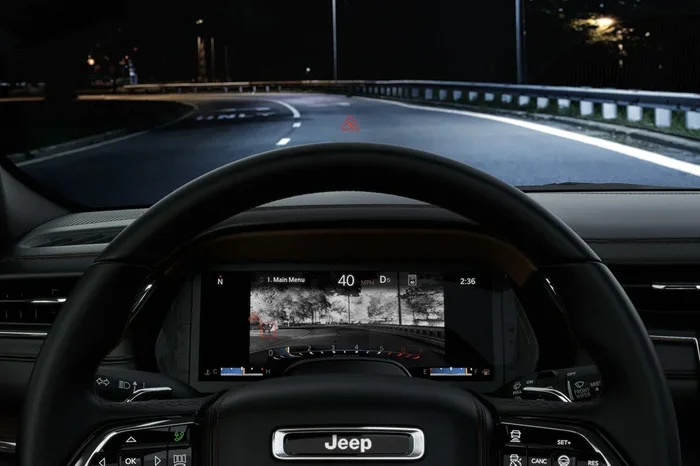
Press the night vision button once to activate the system. You should see a thermal image appear on your dashboard display. The image typically shows a grayscale or color-coded view of the road ahead.
Bright white or yellow shapes on the display represent warm objects like people and animals. Cooler objects like trees and buildings appear darker. The system highlights moving warm objects with special markers to draw your attention.
Step 4: Adjust the Display Settings
Once night vision is on, you can customize the display. Use the steering wheel controls or the touchscreen to adjust brightness, contrast, and sensitivity. Some Grand Cherokee models let you choose between different viewing modes.
You may also be able to set the system to automatically activate when ambient light drops below a certain level. This is a convenient feature if you frequently drive at night.
Step 5: Confirm the System Is Active
After pressing the toggle, confirm the system is working. Look for the night vision icon on your dashboard. It should be illuminated or highlighted. You should also see the thermal feed on your display.
If the system does not activate, check that your vehicle is in motion or that the ambient light sensor detects darkness. Some systems only activate above a certain speed or when it is sufficiently dark outside.
Night Vision Features and What You Will See
The night vision system on the Jeep Grand Cherokee offers more than just a basic thermal image. It includes several features designed to enhance your awareness and safety.
Pedestrian Detection
The system can identify pedestrians on or near the road. When it detects a person, it highlights them with a bright marker on your display. This is especially useful on unlit roads where a person might step out suddenly.
The detection range typically extends up to several hundred feet ahead of your vehicle. This gives you plenty of time to slow down or stop if needed.
Animal Detection
If you live in an area with wildlife, you will appreciate the animal detection feature. The system can spot animals like deer, coyotes, and even large dogs on or near the road. It flags these objects with distinct markers so you know exactly what you are looking at.
Animal strikes are a real danger during night driving. The night vision system significantly reduces this risk by giving you early warning.
Distance Indicators
The dashboard display also shows the distance between your vehicle and detected objects. This helps you gauge how much time you have to react. Closer objects appear larger and more prominent on the screen.
Moving Object Highlighting
Moving objects receive special emphasis in the night vision display. The system tracks the speed and direction of detected movement. This helps you distinguish between a stationary object like a signpost and a potential hazard like a person walking along the road.
Tips for Using Night Vision Effectively
Getting the night vision system turned on is only half the battle. Using it effectively requires a few best practices. Here are some tips to help you get the most out of this feature.
Keep Your Windshield Clean
The infrared camera sits behind or near your windshield. Any dirt, grime, or streaks on the glass can distort the thermal image. Clean your windshield regularly, especially the area near the rearview mirror where the camera is typically mounted.
If you have been on a long road trip and notice the night vision image looks blurry or distorted, pull over and clean your windshield. A quick wipe can make a huge difference.
Do Not Rely Solely on Night Vision
The night vision system is an aid, not a replacement for safe driving practices. Always use your headlights, reduce your speed in dark conditions, and stay alert. Think of night vision as an extra layer of protection, not a substitute for attention.
Also, remember that the system has limitations. It may not detect objects that are very cold or very small. Ice, metal debris, or stationary objects at certain temperatures may not show up clearly on the thermal display.
Keep Sensors Clear of Snow and Ice
In winter conditions, snow and ice can cover the infrared camera lens. Before driving at night in cold weather, clear any snow from the front of your vehicle. This ensures the camera has an unobstructed view of the road ahead.
Some Grand Cherokee models have heated sensor covers that automatically melt light snow. However, heavy accumulation may still require manual clearing.
Use Night Vision in Conjunction with Adaptive Driving Beams
If your Grand Cherokee has adaptive driving beams, use them together with night vision. The adaptive headlights adjust their beam pattern to avoid blinding oncoming traffic while still illuminating the road. Combined with night vision, you get a comprehensive view of the road ahead.
Update Your Vehicle Software
Jeep regularly releases software updates that improve the night vision system. These updates can enhance detection accuracy, reduce false alerts, and improve display quality. Check with your dealer or use the Uconnect system to see if any updates are available.
Understand the System Limitations
Night vision works best on clear nights with good visibility. Heavy precipitation, dense fog, and extreme cold can all reduce system performance. The camera also has a limited range, typically around 300 to 600 feet depending on conditions.
Always be aware of what your headlights can and cannot do. Night vision extends your awareness, but it does not make you invisible to road hazards.
Troubleshooting Common Night Vision Issues
If your night vision system is not working as expected, do not panic. Most issues have simple solutions. Here are some common problems and what you can do about them.
Night Vision Will Not Turn On
If the system will not activate, first check that your vehicle is running and the ambient light is low enough. Some systems require darkness to engage. Also verify that the night vision toggle is not already on, as pressing it again will turn it off.
If the issue persists, the infrared camera lens may be dirty or obstructed. Clean the area near your front grille and windshield. If cleaning does not help, a sensor malfunction may require professional diagnosis.
Blurry or Distorted Thermal Image
A blurry thermal image is often caused by a dirty windshield or camera lens. Clean the windshield thoroughly and check for any obstructions near the front camera. Also make sure the display brightness is set high enough to see the image clearly.
If the image remains distorted after cleaning, the camera may need recalibration. Visit a Jeep dealership or authorized service center for assistance.
False Alerts or No Detection
False alerts can happen when the system detects heat sources that are not road hazards, like a warm vent or a hot exhaust pipe. Conversely, the system may fail to detect certain objects in extreme cold or heavy rain.
Keep your software up to date to minimize false alerts. If the problem continues, have the system inspected by a qualified technician.
Night Vision Icon Not Showing on Dashboard
If the night vision icon is missing from your dashboard, the system may be disabled in the settings. Check the Uconnect infotainment system under driver assistance settings. Also ensure that no dashboard warning lights are active, as a major system error can disable auxiliary features like night vision.
Sometimes, a dead battery or a weak electrical system can cause auxiliary features to shut down. If you have noticed other electrical issues, consider having your battery and alternator checked. You can also read about can a bad battery cause the wrench light to come on to understand how electrical problems affect your dashboard warnings.
Maintaining Your Jeep Grand Cherokee Night Vision System
Like any vehicle feature, the night vision system needs regular care to perform at its best. Routine maintenance keeps the system reliable and accurate over the long term.
Regular Cleaning Schedule
Clean the front camera area at least once a week, especially if you drive in dusty or snowy conditions. Use a soft microfiber cloth to avoid scratching the lens. A clean camera lens ensures sharp and accurate thermal imaging every time you activate the system.
Software Updates
Check for software updates at every service appointment. Jeep often improves the night vision algorithm through over-the-air or dealer updates. These updates can improve detection range, reduce false positives, and enhance overall image quality.
Professional Inspections
Have the night vision system inspected during your regular service intervals. A technician can check the camera alignment, wiring, and display connections. This proactive approach helps catch small issues before they become expensive repairs.
Replace Components When Needed
Infrared cameras and sensors have a lifespan. If you notice a decline in system performance even after cleaning and software updates, the camera sensor may need replacement. Contact your Jeep dealer for genuine OEM parts and professional installation.
Why Night Vision Matters for Jeep Grand Cherokee Owners
The Jeep Grand Cherokee is built for adventure. Whether you are tackling trails or cruising highways, this SUV delivers capability and comfort. The night vision system adds another layer of confidence, especially for drivers who frequently travel on dark or rural roads.
According to the National Highway Traffic Safety Administration, fatal crashes are significantly more likely at night. Having a driver assistance feature like night vision can literally be a life-saver. It extends your ability to see beyond what your headlights provide, giving you precious seconds to react to hazards.
For families, the peace of mind that comes with night vision is invaluable. You can drive your kids home from late activities or take a late-night road trip with confidence knowing the system has your back.
Even if you primarily drive during the day, the night vision system is there when you need it. It is always ready to activate with just a press of a button. Once you learn how to use it, you will wonder how you ever drove without it.
Remember, the Jeep Grand Cherokee is more than just a vehicle. It is a complete driving experience. Features like night vision are what set it apart from the competition and make every drive safer and more enjoyable.
And if you ever need to leave your Jeep parked for an extended period, understanding how long your vehicle can sit without issues is important. Check out how long can a hybrid sit without being driven for useful tips on vehicle storage and maintenance. Similarly, keeping your vehicle clean and well-maintained extends its life, including features like the bumper repair process and overall body integrity.
Taking care of your Jeep means taking care of every system, from the engine to the infrared camera. A well-maintained Grand Cherokee will serve you reliably for years of safe driving, day or night.
Conclusion
The night vision system on the Jeep Grand Cherokee is a powerful tool for safer night driving. It is easy to activate, intuitive to use, and incredibly effective at spotting hazards beyond your headlight range. Whether you drive a Limited trim or an Overland, this feature adds genuine value to your ownership experience.
Now you know how to turn on night vision Jeep Grand Cherokee in just a few simple steps. You also understand how to maintain the system and troubleshoot common issues. The key is to keep the camera clean, the software updated, and your driving habits safe.
Next time you are behind the wheel after dark, give the night vision system a try. You will be amazed at how much more of the road you can see. Drive safe, drive confident, and let your Jeep Grand Cherokee light the way.
Frequently Asked Questions
Can I add night vision to a Jeep Grand Cherokee that does not have it factory-installed?
Unfortunately, factory night vision systems are integrated into the vehicle’s electrical and computer architecture during manufacturing. Aftermarket installations are extremely limited and often unreliable. Your best option is to check if your specific trim or model year offers a night vision technology package when purchasing or leasing a Grand Cherokee.
Does the Jeep Grand Cherokee night vision system work in heavy rain or snow?
The system can be less effective in heavy precipitation. Rain and snow can scatter the infrared signal, reducing detection accuracy. However, the system still provides some level of enhanced visibility even in moderate weather conditions. Always drive cautiously in poor weather regardless of your safety features.
How far can the Jeep Grand Cherokee night vision system detect objects?
The detection range typically extends between 300 and 600 feet ahead of the vehicle, depending on conditions and the size of the detected object. Larger objects like people and animals are detected at greater distances than smaller or cooler objects. The system is designed to give you enough reaction time to respond safely.
Does the night vision system drain the vehicle battery?
The night vision system uses minimal power and is designed to operate efficiently alongside other vehicle systems. It does not significantly impact battery life. However, if you have electrical concerns, you can read about can a bad battery cause the wrench light to come on to learn about battery-related dashboard warnings.
Can I use the night vision system while parked?
The night vision system is designed to activate while driving or when the vehicle is in motion. It typically requires the engine to be running and ambient light to be low. Some models may allow a preview mode when the vehicle is stationary, but the full detection features are optimized for driving scenarios.
What should I do if the night vision display goes blank while driving?
If the display goes blank, first check that the system toggle is still activated. Then inspect the camera lens area for dirt or obstructions. If the display remains blank after these checks, pull over safely and restart the vehicle. If the issue persists, contact a Jeep dealership or qualified service technician for diagnosis.