How Does the Toyota Mirai Work Your Complete Guide
The Toyota Mirai is a hydrogen fuel cell vehicle that converts hydrogen gas into electricity to power an electric motor, emitting nothing but water vapor. With an EPA-estimated range of over 400 miles and refueling in about 5 minutes, the Mirai offers a practical and clean alternative to gasoline cars. This guide covers every major system, from the fuel cell stack to the hydrogen tanks, so you understand exactly how this remarkable zero emission vehicle works.
Key Takeaways
- Hydrogen Fuel Cell Power: The Mirai uses a fuel cell stack to convert hydrogen gas into electricity, powering an electric motor with zero tailpipe emissions and water vapor as the only byproduct.
- Impressive Range: The second generation Mirai delivers an EPA-estimated range of approximately 402 miles per tank, making it practical for both daily commuting and road trips.
- Quick Refueling: Filling up the Mirai takes about 5 minutes, offering the same convenience as a traditional gas station visit without the long charging times of battery electric vehicles.
- Toyota Fuel Cell Technology: The Mirai represents decades of Toyota research into clean hydrogen mobility and fuel cell electric vehicle engineering, making it a leader in the green hydrogen movement.
- Low Routine Maintenance: With fewer moving parts than a traditional gasoline engine, the Mirai requires less frequent maintenance and comes with a 10-year fuel cell warranty.
- Growing Infrastructure: Hydrogen refueling stations are expanding, particularly in California, making the Mirai increasingly accessible to more drivers each year.
📑 Table of Contents
What Is the Toyota Mirai?
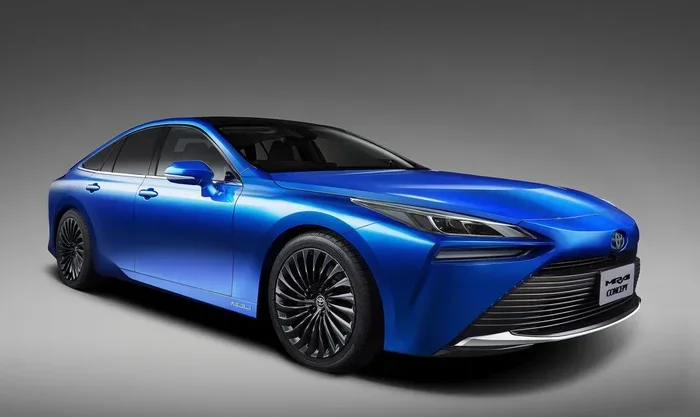
The Toyota Mirai is one of the most fascinating cars on the road today. It is a hydrogen fuel cell vehicle that runs on hydrogen gas instead of gasoline. When you drive a Mirai, the only thing coming out of the tailpipe is water vapor. That is right, water. No harmful emissions, no exhaust fumes, and no contribution to air pollution.
Toyota launched the first generation of the Mirai in 2014. It was a bold move into the world of zero emission vehicle technology. The second generation arrived in 2020 with major improvements in range, performance, and design. Today, the Mirai stands as Toyota’s flagship fuel cell electric vehicle and a proof of concept for a cleaner transportation future.
So how does it actually work? That is what this guide is all about. We will walk you through every major system, from the hydrogen fuel cell to the electric motor, and explain how it all comes together to move you down the road. Whether you are considering buying a Mirai or just curious about hydrogen powered car technology, this guide has you covered.
How the Hydrogen Fuel Cell Works
The heart of the Toyota Mirai is its fuel cell stack. This is where the magic happens. But what exactly is a fuel cell, and how does it turn hydrogen into motion? Let us break it down in a way that makes sense.
The Fuel Cell Stack Explained
A fuel cell works a lot like a battery, but with one key difference. A battery stores energy and needs to be recharged. A fuel cell creates electricity on the spot as long as it has fuel. In the Mirai, that fuel is hydrogen gas stored in high-pressure tanks mounted under the car.
Inside the fuel cell stack, hydrogen molecules meet oxygen from the air. A special material called a proton exchange membrane separates the two sides. This membrane allows positively charged hydrogen ions to pass through while blocking the electrons. The electrons have to take a detour through an external circuit, and that flow of electrons is electricity.
This electricity then powers the electric motor that drives the wheels. The only byproduct is water and heat. That is why the Mirai is such a clean zero emission vehicle. There is no combustion, no exhaust fumes, and no harmful pollutants. Just clean electricity and a little water vapor.
From Hydrogen to Electricity: The Simple Process
Let us break this down into simple steps so it is easy to follow.
- Step 1: Hydrogen gas flows from the storage tanks into the fuel cell stack.
- Step 2: Oxygen from the air enters the other side of the stack.
- Step 3: The proton exchange membrane separates the hydrogen ions from the electrons.
- Step 4: Electrons flow through an external circuit, creating electricity.
- Step 5: The electricity powers the electric motor that turns the wheels.
- Step 6: Hydrogen ions and oxygen combine to form water, which exits as vapor.
That is it. Six simple steps that produce clean electricity with nothing but water as a byproduct. It is elegant engineering that Toyota has spent decades perfecting. The beauty of this fuel cell vehicle technology is that it is quiet, efficient, and completely clean at the point of use.
Key Components of the Mirai System
The Mirai is more than just a fuel cell stack. It is a complete system with several important parts working together. Let us look at the key components that make this hydrogen powered car tick.
The Hydrogen Tanks
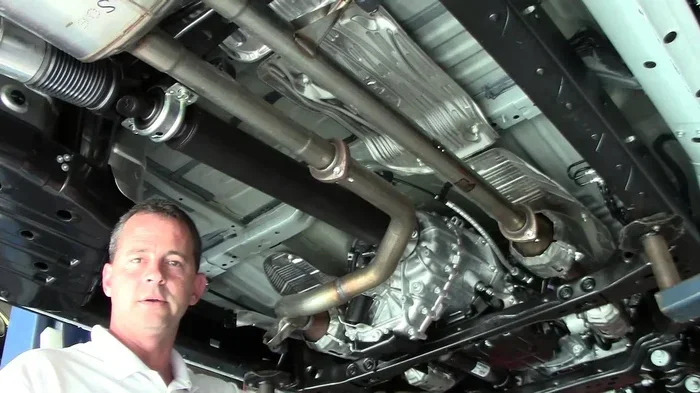
The Mirai stores hydrogen in two carbon-fiber reinforced tanks mounted under the rear seat area. These tanks are incredibly strong and can hold hydrogen at 10,000 pounds per square inch. That is about 700 times the pressure of a car tire. Despite the extreme pressure, the tanks are designed to be safe.
They have multiple layers of protection and have passed rigorous crash testing. Toyota engineered these tanks to withstand impacts, fires, and even extreme conditions during safety evaluations. The tanks hold about 5.6 kilograms of hydrogen total. That might not sound like much, but hydrogen is an incredibly energy-dense fuel when used in a fuel cell system.
One thing to keep in mind is that hydrogen is the lightest element in the universe. It is highly flammable, but Toyota has built in numerous safety features. The tanks have automatic shut-off valves, and the fuel cell system is sealed and monitored throughout operation. Safety is a top priority in the design of every Toyota Mirai.
The Electric Motor and Battery
The Mirai uses a fuel cell electric vehicle drivetrain centered around a permanent magnet electric motor. This motor produces about 182 horsepower, which is enough to provide smooth and quiet acceleration. The motor delivers instant torque, which means you get responsive power right from the start. There is no lag, no revving, and no gear shifts.
Under the rear seats, you will also find a small nickel-metal hydride battery. This battery is not like the one in a regular hybrid car. Instead of storing energy from regenerative braking alone, it serves as a buffer. It helps manage power flow between the fuel cell and the motor. It also provides extra boost during hard acceleration and stores a small amount of energy for auxiliary systems.
The Power Control Unit
The power control unit acts as the brain of the electrical system. It manages the flow of electricity between the fuel cell stack, the battery, and the electric motor. It ensures everything works efficiently and smoothly under all driving conditions.
This unit also converts the DC electricity from the fuel cell into the AC electricity the motor needs. It regulates voltage and monitors temperature to keep the system running at peak efficiency. The power control unit is a critical piece that keeps the entire Toyota fuel cell technology system operating reliably day after day.
Range, Performance, and Fuel Economy
One of the biggest questions people have about the Mirai is how far it can go and how it performs on the road. Let us break down the numbers and what you can expect from this remarkable vehicle.
How Far Can the Mirai Go?
The second generation Mirai offers an EPA-estimated range of about 402 miles on a full tank. That is impressive for a hydrogen fuel cell vehicle. To put it in perspective, that is more range than many traditional gasoline sedans. You can comfortably drive from Los Angeles to San Francisco and back on a single tank.
Real-world range can vary depending on driving conditions, temperature, and how you drive. Cold weather can slightly reduce range because the fuel cell needs heat to operate efficiently. But overall, the Mirai delivers practical, everyday range that removes range anxiety from the equation. You do not need to worry about finding a charging station every few miles.
Mirai Performance on the Road
Driving a Mirai is a unique experience. The electric motor provides smooth, quiet acceleration. There is no engine rumble or transmission shift. Just seamless, instant power that makes city driving feel effortless. The cabin is quiet and refined, which makes long trips enjoyable.
The Mirai can go from 0 to 60 miles per hour in about 9 seconds. That is not sports car quick, but it is plenty for highway merging and everyday driving. The ride is comfortable and well-damped. Toyota tuned the suspension to balance comfort and handling, so you get a pleasant driving experience in most situations.
In terms of fuel economy, the Mirai is rated at about 76 miles per kilogram of hydrogen equivalent. This translates to roughly 76 MPGe, which is competitive with many battery electric vehicles on the market. The Mirai performance is refined and mature, reflecting Toyota’s years of development in green hydrogen technology.
Refueling and the Hydrogen Infrastructure
Refueling a Mirai is one of its biggest advantages over battery electric vehicles. But the hydrogen infrastructure is still growing. Let us look at what you need to know about keeping your Mirai fueled up.
Finding a Hydrogen Refueling Station
Hydrogen refueling stations are not as common as traditional gas stations or even EV charging stations. The majority of stations are located in California, with a few others scattered across the United States and in select international markets like Japan and parts of Europe.
Toyota and other automakers are working with governments and energy companies to expand hydrogen infrastructure. As more stations are built, the Mirai becomes a more practical choice for a wider range of drivers. If you live in an area with good station coverage, the Mirai is very convenient. You can also use online maps and apps to locate nearby stations and plan your routes accordingly.
The growing investment in green hydrogen production is another positive sign. As more renewable energy sources are used to produce hydrogen, the environmental benefits of fuel cell vehicles like the Mirai will only increase.
How Long Does Refueling Take?
Refueling the Mirai takes about 5 minutes. That is similar to filling up a gasoline tank. Compare that to charging an electric vehicle, which can take anywhere from 30 minutes to several hours depending on the charger level and battery size.
This quick refueling time is one of the biggest selling points of hydrogen fuel cell technology. It gives Mirai owners the convenience they are used to from traditional cars, without the long wait times associated with battery charging. You pull up, pump the hydrogen, and you are on your way. It is that simple.
The refueling process is also straightforward. The hydrogen pump connects to the Mirai’s filling port, and the system handles the rest automatically. You select the amount you want, pay, and drive away. The entire experience is designed to feel familiar and effortless.
Maintenance and the Ownership Experience
Owning a Mirai comes with its own set of considerations. Let us talk about what maintenance looks like and whether this vehicle fits your lifestyle and needs.
Routine Maintenance Needs
The Mirai has fewer moving parts than a traditional gasoline engine. There is no oil to change, no transmission fluid to replace, and no spark plugs to swap out. This means lower routine maintenance costs over time. The electric motor and fuel cell stack require minimal upkeep compared to a combustion engine.
However, the Mirai does have some unique maintenance needs. The fuel cell stack requires periodic inspection to ensure it is operating efficiently. The hydrogen tanks need to be checked for integrity during scheduled service. And the battery system needs monitoring just like any other vehicle component.
Toyota has designed the Mirai with reliability in mind. The company offers a comprehensive warranty that covers the fuel cell system for 10 years or 100,000 miles. This gives owners peace of mind and reflects Toyota’s confidence in its Toyota fuel cell technology. Regular servicing at a Toyota dealer ensures everything stays in top shape.
For owners who also have other Toyota vehicles, it is worth noting that maintenance needs can vary across the lineup. For example, if you also own a Camry, you may want to check whether Can a Toyota Camry Take Regular Oil since different Toyota models have different maintenance requirements and oil specifications.
Is the Mirai Right for You?
The Mirai is a great choice if you want a zero emission vehicle with fast refueling and long range. It works best for people who have access to hydrogen refueling stations and want a practical, clean car for daily driving and weekend trips.
If you are tech-savvy and like connected features, you might also appreciate that you Can I Unlock My Car With the Toyota App and manage certain vehicle functions from your phone. Toyota has built a connected ecosystem that works well with the Mirai, adding convenience to the ownership experience.
However, if you live in an area without hydrogen stations, the Mirai may not be practical right now. The infrastructure is still limited, and driving long distances requires planning around station locations. It is also worth considering the Mirai trims and pricing to make sure it fits your budget. The Mirai is a premium vehicle, and the upfront cost reflects the advanced technology inside.
Conclusion
The Toyota Mirai represents a bold step forward in clean transportation. Its hydrogen fuel cell system converts gas into electricity with nothing but water vapor as a byproduct. The result is a zero emission vehicle that offers impressive range, quick refueling, and a refined driving experience.
The Mirai is not perfect. The hydrogen infrastructure is still growing, and the vehicle is only available in select markets. But for those who have access, it is a compelling alternative to both gasoline cars and battery electric vehicles. The combination of long range, fast refueling, and zero emissions is hard to beat.
Toyota has invested heavily in fuel cell technology, and the Mirai is the proof. As the world moves toward cleaner transportation, vehicles like the Mirai will play an important role. Whether you are a tech enthusiast, an environmental advocate, or simply curious about the future of driving, the Mirai is worth understanding.
If you are thinking about ownership, make sure your keys and key fob are in good shape. Just as with any Toyota vehicle, if you ever need a replacement, you can learn more about Can Toyota Cut A Key From The Vin and what that process involves for your Mirai.
Frequently Asked Questions
What type of fuel does the Toyota Mirai use?
The Toyota Mirai uses hydrogen gas as its fuel. The hydrogen is stored in high-pressure carbon-fiber tanks and fed into a fuel cell stack where it reacts with oxygen from the air to produce electricity. The only byproduct is water vapor, making it a true zero emission vehicle and a leading example of green hydrogen mobility.
How long does a Toyota Mirai last?
Toyota designed the Mirai for long-term durability. The fuel cell system is covered by a 10-year or 100,000-mile warranty, and the overall vehicle is built with the same quality standards as other Toyota models. With proper maintenance, a Mirai can last well over 200,000 miles. The fuel cell stack and hydrogen tanks are engineered for extended lifespan and reliability.
Can you plug in a Toyota Mirai?
No, the Mirai cannot be plugged in for charging. It is a fuel cell vehicle that generates its own electricity onboard using hydrogen gas. You refuel it at a hydrogen station, similar to filling up a gasoline car. The small battery on board is charged through regenerative braking and the fuel cell system, not through an external plug.
Is hydrogen safe for the Toyota Mirai?
Yes, Toyota has engineered extensive safety features into the Mirai’s hydrogen system. The tanks are made of carbon fiber and can withstand extreme impacts, fires, and penetration tests. They have automatic shut-off valves, leak detection sensors, and multiple layers of protection. Hydrogen is highly flammable, but the Mirai’s safety systems are designed to prevent leaks and manage any incidents safely.
How much does the Toyota Mirai cost?
The Mirai is positioned as a premium vehicle, with pricing typically starting around $50,000 before incentives. However, Toyota often offers generous lease deals and purchase incentives that can significantly reduce the upfront cost. Federal tax credits for fuel cell vehicles may also apply, depending on your location and eligibility. The long-term savings on fuel and maintenance can help offset the initial investment.
Where can you buy a Toyota Mirai?
The Mirai is currently available primarily in California, where hydrogen refueling infrastructure is most developed. It is also available in select other U.S. markets and in countries like Japan and parts of Europe. Availability is expanding as hydrogen infrastructure grows. You can purchase a Mirai through participating Toyota dealerships, and Toyota continues to work with partners to increase access to this innovative fuel cell electric vehicle.