How Does Your Car Feel When You Need an Oil Change
Your car tells you when it needs an oil change through several clear signs. From the oil change light and engine noise to reduced performance and dark dirty oil, recognizing these symptoms early can save you from costly engine damage. This guide covers every way your vehicle signals it is time for an oil change.
Key Takeaways
- Warning Lights: The oil change light and check engine light are your car’s first alerts that maintenance is needed.
- Strange Noises: Knocking, ticking, or grinding sounds often mean your engine oil is dirty or low.
- Reduced Performance: Sluggish acceleration and poor fuel economy can point to old or degraded engine oil.
- Dark Dirty Oil: Checking your dipstick regularly helps you spot oil that has lost its effectiveness.
- Oil Smell and Leaks: A burnt oil smell or visible leaks under your car signal serious oil problems.
- Regular Maintenance: Staying on top of your oil change interval prevents major engine repairs down the road.
- Don’t Ignore Symptoms: Driving with low or dirty oil can cause permanent engine damage and expensive repairs.
📑 Table of Contents
- How Does Your Car Feel When You Need an Oil Change
- What Happens When Your Oil Gets Old
- Dashboard Warning Lights
- Strange Noises From the Engine
- Changes in Performance and Feel
- What You Can See and Smell
- How Often Should You Change Your Oil
- Common Mistakes People Make With Oil Changes
- What to Do When You Notice These Signs
How Does Your Car Feel When You Need an Oil Change
Your car talks to you. It may not use words, but it sends clear signals when something needs attention. One of the most important maintenance tasks your vehicle communicates about is the oil change. When your engine oil gets old, dirty, or low, your car starts showing signs. Some are subtle. Others are hard to ignore. Knowing what to look for can keep your engine healthy and your wallet happy.
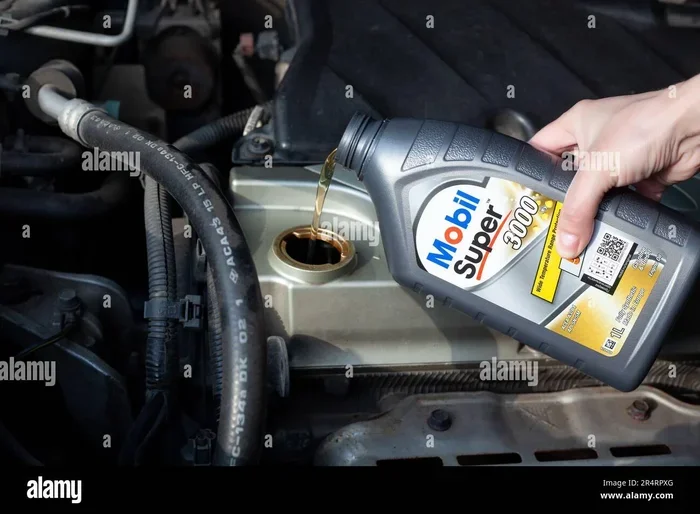
Engine oil is the lifeblood of your vehicle. It lubricates moving parts, reduces friction, and keeps temperatures in check. When that oil breaks down, your engine suffers. The good news is that your car gives you plenty of warning before things get serious. You just need to know what those warnings feel like and look like.
In this article, we will walk you through every way your car tells you it is time for an oil change. We will cover dashboard lights, unusual sounds, changes in performance, and what you can see under the hood. By the end, you will feel confident spotting the signs early. Let us dive in and learn how to listen to your car.
What Happens When Your Oil Gets Old
Engine oil does not last forever. Over time, it breaks down and loses its ability to protect your engine. Heat, dirt, and combustion byproducts contaminate the oil. The additives that keep oil slippery and clean start to wear off. When this happens, the oil becomes thicker and less effective.
Old oil causes more friction between engine parts. That friction leads to heat buildup. Heat leads to wear. And wear leads to expensive repairs. This is why staying on top of your oil change interval matters so much. Most manufacturers recommend changing oil every 5,000 to 7,500 miles for conventional oil. Synthetic oil can go longer, sometimes up to 10,000 miles. But every vehicle is different.
The Role of Engine Oil in Your Vehicle
Think of engine oil as a cushion for your engine’s internal parts. Pistons move up and down thousands of times per minute. Valves open and close rapidly. Without clean oil, these metal parts would grind against each other. The oil creates a thin film between metal surfaces. This film reduces wear and carries heat away from critical components.
Clean oil also keeps contaminants suspended so they can be filtered out. Your oil filter traps dirt, metal particles, and sludge. But when the oil is too old, the filter gets clogged. Dirty oil flows poorly. Poor flow means poor lubrication. And poor lubrication means engine trouble.
How Oil Viscosity Affects Engine Performance
Oil viscosity refers to how thick or thin your oil is. You see numbers like 5W-30 or 10W-40 on every oil bottle. The first number tells you how the oil flows in cold temperatures. The second number shows how it performs at operating temperature. When oil degrades, its viscosity changes. It may become too thick or too thin.
Oil that is too thick does not flow well. It struggles to reach all the engine parts that need lubrication. Oil that is too thin does not create a strong enough film. Metal parts start to touch and wear. Either way, your engine feels the difference. You might notice sluggish acceleration or a general lack of responsiveness.
Dashboard Warning Lights
Your dashboard is your car’s communication center. It uses lights and symbols to tell you when something needs attention. Two lights in particular are closely tied to your oil health. These are the oil change light and the check engine light.
The Oil Change Light
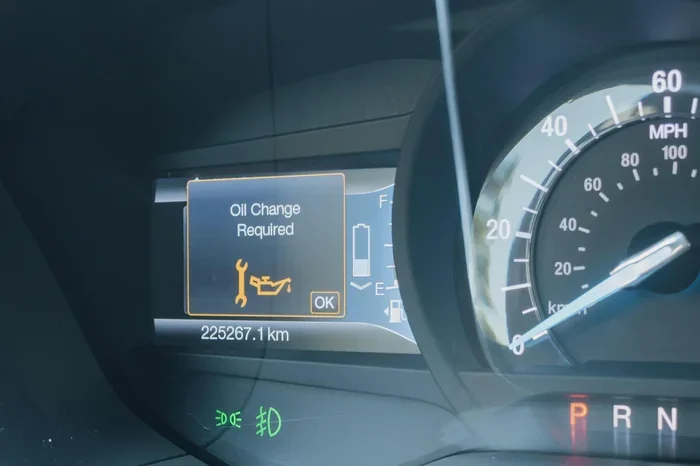
The oil change light is usually a small oil can symbol. It comes on when your car’s computer senses that it is time for an oil change. The system tracks your mileage and engine hours. When you reach the recommended interval, the light activates. This is one of the clearest signals your car gives you.
Some drivers ignore this light for weeks. That is a risky habit. The oil change light exists for a reason. When it comes on, your oil is likely past its useful life. Continuing to drive without an oil change puts extra stress on your engine. If you are wondering whether you can keep driving with this light on, check out this article on Can I Still Drive With The Oil Change Light On for more details.
The Check Engine Light
The check engine light is more general. It can come on for many reasons. But one common cause is low oil pressure or low oil level. When your oil drops below the minimum level, the engine does not get proper lubrication. The computer detects this and triggers the warning.
If your check engine light comes on, do not ignore it. Get your oil checked right away. Sometimes the light is a false alarm. But sometimes it is your car telling you something important. A quick oil check can save you from a bigger problem later.
Resetting the Oil Change Light
After you get your oil changed, you may need to reset the oil change light. Many people wonder whether this step is necessary. The answer is yes. The light will not turn off on its own in most vehicles. Resetting it is usually simple. You can find the process in your owner’s manual. For a detailed guide on this topic, read our article on Do You Have To Reset The Light After An Oil Change.
Strange Noises From the Engine
Your engine makes all kinds of sounds. Most of them are normal. But some sounds are not. When your oil is old or low, you may hear noises that were not there before. These sounds are your car’s way of crying for help.
Engine Knocking Sounds
A knocking sound from the engine is never a good sign. This noise often happens when oil is not reaching the top of the engine. The connecting rod bearings wear down without proper lubrication. You might hear a rhythmic tapping or knocking that gets louder with acceleration.
Engine knocking should never be ignored. It means metal parts are making contact without the protective oil layer. Over time, this causes permanent damage. If you hear knocking, check your oil level immediately. If the oil is low or dirty, an oil change is overdue.
Valve Ticking or Clicking
A ticking or clicking sound, especially when the engine is cold, often points to low oil pressure. The valves need oil to operate smoothly. Without enough clean oil, they tick as they open and close. This sound is usually more noticeable at idle or when starting the car.
Sometimes a ticking sound is just a lifter that needs cleaning. Other times it means the oil is too old to do its job. Either way, getting an oil change often solves the problem. Fresh oil with the right oil viscosity lubricates the valves properly and quiets the noise.
Grinding or Rattling Noises
Grinding sounds are serious. They usually mean metal is grinding against metal. This can happen when the oil has completely broken down or when the oil level is critically low. If you hear grinding, stop driving and check your oil right away.
Rattling noises can also indicate oil problems. Sludge buildup inside the engine can cause parts to rattle. Dirty oil does not clean the engine the way fresh oil does. Over time, sludge accumulates and causes these rattling sounds. A routine oil change helps flush out old sludge and restore smooth operation.
Changes in Performance and Feel
Your car’s performance tells you a lot about its health. When the oil is not doing its job, you will feel it. These changes may be subtle at first. But they become more noticeable as the oil problem gets worse.
Reduced Acceleration and Power
Clean oil allows your engine to run efficiently. Old, dirty oil creates more friction inside the engine. That extra friction makes your engine work harder. You might notice that your car feels slower when you press the gas pedal. Acceleration feels sluggish and the engine does not respond the way it used to.
This is especially noticeable when you are climbing hills or carrying heavy loads. Your engine needs more oil flow under stress. If the oil is old and thick, it cannot keep up. The result is a noticeable drop in power and responsiveness.
Poor Fuel Economy
Did you notice you are filling up more often? Old oil can hurt your fuel economy. When your engine has to work harder because of increased friction, it uses more fuel. You might not notice a small drop at first. But over time, the difference adds up at the pump.
If your gas mileage drops without any other explanation, consider your oil. Getting an oil change is one of the simplest ways to improve fuel economy. Fresh oil flows better and reduces internal engine friction. Your engine does not have to work as hard, and you save money on fuel.
Rough Idling or Stalling
A smooth idle is a sign of a healthy engine. If your car shakes or vibrates when sitting still, something might be wrong. Old oil can cause rough idling because it does not lubricate the engine components evenly. The engine runs less smoothly when parts experience more friction.
In worse cases, your car might stall at idle. This happens when the oil is so degraded that it cannot maintain proper pressure. If your vehicle stalls or idles roughly, get it checked right away. Along with an oil change, a mechanic can check for oil leaks or other issues that might be contributing to the problem.
What You Can See and Smell
Some signs of needing an oil change are visual or olfactory. You do not even need to drive the car to notice them. Regular checks under the hood can catch problems early.
Dark or Dirty Oil on the Dipstick
One of the easiest ways to check your oil is with the dipstick. Pull it out, wipe it clean, reinsert it, and pull it out again. Look at the color of the oil. Fresh oil is amber or golden brown. As it gets old, it turns dark brown or black.
Dark oil is not always a problem. But very dark, gritty oil is. If the oil feels thick or has visible particles, it is time for a change. Clean oil should feel smooth between your fingers. Dirty oil feels gritty and rough. That grit comes from metal wear particles and dirt that the oil has been carrying through your engine.
The Smell of Burning Oil
Your nose is a powerful tool for car maintenance. If you smell burning oil inside the cabin or under the hood, pay attention. Burning oil smell often comes from oil that has overheated or leaked onto hot engine parts. It can also mean your oil level is too low and the remaining oil is being overworked.
A burning oil smell should never be ignored. It can indicate an oil leak or internal engine damage. Get your car inspected as soon as possible. In the meantime, check your oil level and top it off if needed. But do not just keep driving with a burning smell. That is your car telling you something is seriously wrong.
Visible Oil Leaks Under Your Car
Check the ground where you park. Oil spots or puddles under your car are never normal. Even a small leak can lead to low oil levels over time. Low oil means poor lubrication. Poor lubrication means engine damage.
Oil leaks can come from many places. The oil pan gasket, valve cover gasket, or oil filter seal are common culprits. Sometimes a leak starts after an oil change if the filter or drain plug was not installed correctly. If you notice any leaks, get them fixed promptly. And while you are at it, consider whether your oil change interval needs adjustment based on your driving conditions.
Exhaust Smoke
Some exhaust smoke is normal, especially in cold weather. But blue or gray smoke that continues after the engine warms up is a red flag. Blue smoke usually means oil is burning inside the combustion chamber. This can happen when old oil leaks past worn valve seals or piston rings.
Gray smoke can indicate oil burning or coolant mixing with oil. Either way, it is a sign that something needs attention. An oil change might help if the oil is old and contaminated. But persistent smoke could point to deeper engine issues that need a mechanic’s diagnosis.
How Often Should You Change Your Oil
Knowing the signs is important. But preventing problems is even better. Staying on a regular oil change schedule keeps your engine running smoothly for years. The right interval depends on several factors.
Conventional vs Synthetic Oil
Conventional oil and synthetic oil have different lifespans. Conventional oil typically needs changing every 3,000 to 5,000 miles. Synthetic oil lasts longer and can go 7,500 to 10,000 miles between changes. Synthetic blends fall somewhere in between.
Many car owners wonder whether they really need to change synthetic oil every six months. The answer depends on your driving habits and conditions. For a detailed look at this topic, read our article on Do I Really Need To Change Synthetic Oil Every 6 Months. The short answer is that even if you drive fewer miles, oil degrades over time and should be replaced regularly.
Factors That Shorten Oil Life
Not all driving is equal. Certain conditions cause oil to break down faster. If you experience any of these, you may need to change your oil more often:
- Short trips: Stop-and-go driving does not allow the oil to reach full operating temperature. Moisture and fuel contaminate the oil faster.
- Extreme temperatures: Very hot or very cold weather stresses the oil and reduces its effectiveness.
- Towing or hauling: Heavy loads put more strain on the engine. The oil works harder and degrades faster.
- Dusty or dirty conditions: Off-road driving or construction zones introduce more contaminants into the engine.
- Stop-and-go traffic: City driving with lots of idling and acceleration puts extra wear on your engine oil.
Checking Your Owner’s Manual
Your vehicle’s owner manual is the best resource for oil change guidance. It tells you the recommended oil type, viscosity, and change interval for your specific model. Follow these guidelines closely. They are based on extensive testing by the manufacturer. If you are unsure about your oil type or change schedule, consult a trusted mechanic or visit your dealership.
Common Mistakes People Make With Oil Changes
Even well-meaning car owners make mistakes when it comes to oil changes. Avoiding these common errors can save you time, money, and engine trouble.
Ignoring the Oil Change Light
The oil change light is there for a reason. Some drivers reset it and keep driving for thousands of extra miles. This is a dangerous habit. The light activates when the computer determines the oil has reached the end of its useful life. Ignoring it means driving with degraded oil that no longer protects your engine properly.
Using the Wrong Oil
Not all oil is the same. Using the wrong oil viscosity or type can cause serious problems. Too-thin oil does not provide enough protection. Too-thick oil does not flow properly. Always use the oil grade recommended by your manufacturer. Check your owner’s manual or ask a trusted mechanic if you are unsure.
Skipping the Oil Filter
Some people change their oil but forget to replace the oil filter. The filter traps contaminants and keeps them from circulating through your engine. A clogged filter restricts oil flow. This defeats the purpose of the oil change. Always replace the filter whenever you change your oil.
Overfilling the Oil
More oil is not better. Overfilling the crankcase causes the oil to foam. Foamy oil does not lubricate properly. It can also cause pressure problems and lead to oil leaks. Always add oil in small amounts and check the level with the dipstick between additions.
What to Do When You Notice These Signs
If your car is showing signs of needing an oil change, do not wait. Here is what you should do step by step:
- Check your oil level and condition using the dipstick. Look at the color and feel the texture.
- Check for dashboard warning lights. If the oil change light or check engine light is on, take it seriously.
- Schedule an oil change as soon as possible. You can do it yourself or visit a service center.
- Use the correct oil type and filter for your vehicle. Refer to your owner’s manual.
- Reset the oil change light after the new oil is installed. This keeps your maintenance tracking accurate.
- Monitor your car after the oil change. Notice if the warning signs improve. Your engine should run smoother and quieter.
If you are unsure about any of these steps, visit a trusted mechanic or auto service center. A professional can check your oil level, inspect for leaks, and make sure your engine is in good shape. Regular oil changes are one of the cheapest and most effective ways to protect your vehicle. They keep your engine running strong and extend the life of your car.
Taking care of your car does not have to be complicated. Pay attention to the signs. Stay on top of your maintenance schedule. And remember that a small investment in oil change today can save you from major engine repairs tomorrow. Your car works hard for you every day. Give it the care it deserves.
Frequently Asked Questions
Can I drive my car if the oil change light is on?
You can drive a short distance, but it is not recommended to ignore the light. The oil change light means your oil is past its effective life. Continuing to drive without an oil change increases engine wear. For more details, check our guide on Can I Still Drive With The Oil Change Light On.
How do I know if my oil is dirty without checking the dipstick?
Watch for signs like dark exhaust smoke, unusual engine noises, or reduced performance. These symptoms often point to dirty oil. A professional inspection can confirm whether your oil needs changing.
Does synthetic oil really last longer than conventional oil?
Yes, synthetic oil generally lasts longer. It resists breakdown better and maintains its viscosity over a wider range of temperatures. However, even synthetic oil needs to be changed regularly. Check your owner’s manual for the recommended interval.
Can low oil cause my check engine light to come on?
Yes, low oil level or low oil pressure can trigger the check engine light. The engine control module detects insufficient lubrication and alerts you. If your check engine light comes on, check your oil level right away.
How much does an oil change cost?
The cost varies depending on the type of oil and your vehicle. Conventional oil changes are usually less expensive. Synthetic oil changes cost more but provide better protection. Many quick-lube shops and dealerships offer competitive pricing.
What happens if I never change my oil?
Never changing your oil leads to sludge buildup, increased friction, and engine overheating. Over time, the engine components wear out prematurely and can fail completely. Regular oil changes are essential for engine longevity.
=== CONCLUSION ===
Your car communicates with you every day. It is up to you to listen. When your car needs an oil change, it will show you through warning lights, strange noises, and changes in performance. The oil change light, engine knocking, reduced fuel economy, dark dirty oil, and burning smells are all signals that should not be ignored.
Staying proactive with your car maintenance keeps your engine healthy and your drives smooth. Check your oil regularly. Follow your manufacturer’s recommended oil change interval. And never wait too long to get that oil changed. A few dollars and a little time spent on an oil change today can save you hundreds or even thousands in engine repairs down the road.
Now that you know how your car feels when it needs an oil change, you are better equipped to take care of it. Trust your instincts. If something feels off, get it checked. Your car will thank you with years of reliable service.