How Long Can You Drive If the Alternator Is Going Bad
You can typically drive 25 to 50 miles if your alternator is failing, but this depends on your battery condition and electrical load. A dying alternator puts your entire electrical system at risk, and ignoring warning signs can leave you stranded. This guide covers the symptoms, safe driving distances, costs, and what to do when your alternator goes bad.
So your car is acting weird. The lights are dimming. Maybe a warning light popped up on the dash. And you are wondering, how long can you drive if the alternator is going bad? It is a scary question, and one that a lot of drivers face but don’t know the answer to.
The short answer is you can usually drive somewhere between 25 and 50 miles. But that number changes fast depending on a few things. Your battery health, the electrical load on your car, and how bad the alternator really is all play a role. The truth is, driving with a failing alternator is risky. It can leave you stuck on the side of the road, and in some cases, it can damage other parts of your car.
This guide will walk you through everything you need to know. We will cover the warning signs, what happens when the alternator goes out, how far you can safely drive, and what it costs to fix. By the end, you will know exactly what to do if your alternator starts acting up.
Key Takeaways
- Limited Range: You can usually drive 25 to 50 miles on battery power alone when the alternator fails.
- Warning Signs Matter: Dim headlights, dashboard warnings, and strange noises signal alternator trouble early.
- Battery Is Your Backup: A healthy battery buys you more time than a weak one when the alternator fails.
- Don’t Ignore It: Driving too long with a bad alternator can cause a complete breakdown and damage other parts.
- Cost Varies: Alternator replacement costs range from $300 to $800 depending on your vehicle.
- Safety First: Pull over safely if you notice multiple electrical failures while driving.
📑 Table of Contents
- What Does the Alternator Do?
- Warning Signs Your Alternator Is Going Bad
- How Long Can You Actually Drive?
- Can You Still Drive Safely With a Failing Alternator?
- What Causes Alternator Failure?
- How Much Does It Cost to Replace an Alternator?
- What to Do Right Now If Your Alternator Is Failing
- Can You Prevent Alternator Failure?
- Common Mistakes People Make With a Bad Alternator
- Final Thoughts
What Does the Alternator Do?
Before we talk about how long you can drive, let us understand what the alternator actually does. Think of it as the heart of your car’s electrical system. While the engine runs, the alternator keeps your battery charged. It also powers all the electrical parts in your car. That includes your lights, radio, power windows, and even your fuel injection system.
Without a working alternator, your car runs entirely on battery power. And the battery was never designed to do that job alone. It is meant to give a quick burst of energy to start the car. After that, the alternator takes over. So when the alternator starts to fail, you are basically running on borrowed time.
How the Charging System Works Together
Your car’s charging system has three main parts. The alternator, the battery, and the voltage regulator. They all work together to keep things running smoothly. The voltage regulator controls how much power goes to the battery. If any one of these parts fails, the whole system suffers. A bad alternator often puts extra strain on the battery, which makes everything else wear out faster too.
Warning Signs Your Alternator Is Going Bad
The good news is that alternators do not just die out of nowhere. They give you plenty of warning signs. The trick is knowing what to look for. Catching these signs early can save you from a surprise breakdown on the highway.
Dim or Flickering Lights
This is usually the first thing people notice. Your headlights might get dimmer when you are idling. They might get brighter when you rev the engine. The dashboard lights can also flicker or dim. This happens because the alternator is not producing enough power to keep everything lit at full brightness.
Dashboard Warning Lights
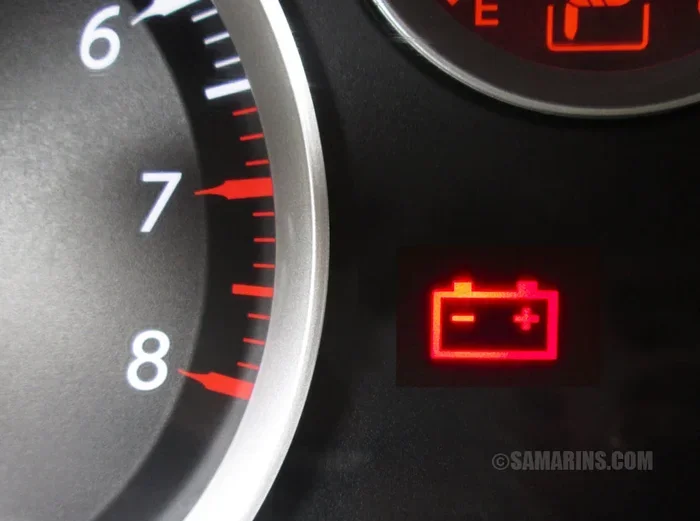
Most modern cars have a battery or alternator warning light on the dash. It often looks like a battery shape. If this light comes on, pay attention. Sometimes a bad battery can cause the wrench light to come on too, which can make things confusing. But either way, a warning light means something in the electrical system needs attention.
Strange Noises
A failing alternator can make grinding or whining sounds. These noises usually come from a worn-out bearing inside the alternator. If you hear something unusual under the hood, do not ignore it. It could be your alternator telling you it is about to give out.
Electrical Accessories Acting Up
Power windows moving slowly, the radio cutting out, or the GPS losing power. These are all signs that your electrical system is not getting enough juice. The alternator is responsible for running all of these. When it starts to fail, the accessories are often the first things to suffer.
Battery Dies Frequently
If you find yourself jumping your car more than once a month, the alternator might be the real problem. A healthy alternator keeps the battery charged while you drive. A failing one lets the battery drain down until it cannot start the car anymore.
How Long Can You Actually Drive?
Now for the big question. How far can you go when the alternator starts to fail? The answer depends on several factors. Let us break them down so you know what to expect.
Distance You Can Expect
On average, most cars can run about 25 to 50 miles on battery power alone. But this is a rough estimate. Some newer cars with efficient electrical systems might stretch that a bit. Older cars with fewer electronics might also go a little further. The key word here is might. You are always taking a risk every mile you drive.
Here is a simple way to think about it. Your battery is like a backup generator. It was never meant to power your whole house forever. It can keep things going for a little while, but it will run out. The same thing happens with your car battery when the alternator stops working.
Factors That Affect Your Driving Range
Several things change how far you can actually go:
- Battery Condition: A fully charged, healthy battery gives you more miles than a weak one.
- Electrical Load: Using the AC, headlights, heated seats, and the radio all drain the battery faster.
- Car Age and Model: Newer cars have more electronics, which means they drain the battery quicker.
- Driving Speed: Higher speeds use more electrical power, especially if the power steering and power brakes are electric.
- Weather: Cold weather already makes batteries work harder. A failing alternator makes it even worse in winter.
What Happens If You Keep Driving?
Here is where it gets serious. If you keep driving with a bad alternator, you are gambling. Eventually, the battery will die completely. When that happens, your car stalls. You lose power steering, power brakes stop working, and all electronics shut off. This is dangerous, especially at highway speeds.
Also, running on a dead battery for too long can damage the battery itself. You might end up needing both the alternator and the battery replaced instead of just one. That costs more money and more time.
And if you are wondering about other warning lights, you might also want to check whether you can reset the check engine light without disconnecting the battery. Sometimes electrical issues trigger the check engine light, and understanding how to read those signals can help you catch alternator problems sooner.
Can You Still Drive Safely With a Failing Alternator?
The honest answer is: it is not safe. Not for long anyway. A failing alternator puts you at risk of stalling at the wrong time. Imagine losing power in the middle of a busy intersection or on a dark highway. That is a scary and potentially dangerous situation.
If you must drive a short distance to get to a repair shop, here are some tips to stay safe:
- Turn off all unnecessary electrical accessories. No AC, no radio, no heated seats.
- Keep your speed moderate. Avoid high RPMs that put extra strain on the electrical system.
- Drive directly to the nearest mechanic or auto parts store.
- Have your phone charged before you start driving.
- If the car starts to stall, pull over safely and turn on your hazard lights.
Remember, every mile you drive on a failing alternator is a mile closer to being stranded. Treat it as an emergency, not an inconvenience.
How Long Can You Idle With a Bad Alternator?
Idling with a bad alternator is actually worse than driving slowly. When you idle, the alternator produces less power. Meanwhile, your battery is slowly draining to run all the electrical systems. If you want to understand more about how long your car can safely idle, you might find this article on how long a car can idle safely helpful.
What Causes Alternator Failure?
Understanding what causes alternator problems can help you prevent them. Alternators do not just randomly fail. There is usually a reason behind it.
Worn-Out Bearings and Diodes
Over time, the internal bearings wear out. This causes grinding noises and eventually leads to total failure. The diodes in the rectifier can also burn out, which stops the alternator from converting AC to DC power properly.
Bad Serpentine Belt
The serpentine belt drives the alternator. If the belt is loose, cracked, or broken, the alternator cannot spin properly. A worn belt is one of the most common and easiest-to-fix causes of alternator problems.
Electrical Overload
Adding too many aftermarket electronics to your car can overload the alternator. Extra lights, amplifiers, or winches draw more power than the alternator was designed to handle. Over time, this extra strain wears out the alternator faster.
Age and Mileage
Alternators typically last between 80,000 and 150,000 miles. As your car ages, the alternator naturally wears out. If your car has high mileage, it is worth having the alternator checked during regular maintenance visits.
Jump-Starting Mistakes
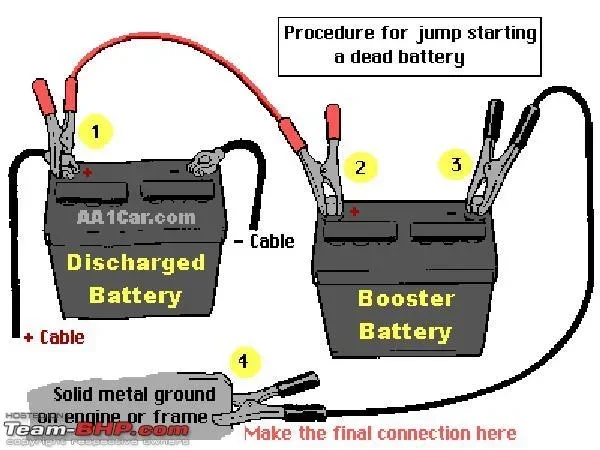
Jump-starting your car incorrectly can damage the alternator. Using the wrong cables or connecting them in the wrong order sends a power surge through the system. This can fry the delicate electronics inside the alternator.
How Much Does It Cost to Replace an Alternator?
The cost of replacing an alternator varies quite a bit. The make and model of your car plays a big role. Labor costs also differ depending on where you live and which shop you visit.
Average Cost Breakdown
For most common cars, you can expect to pay between $300 and $800 for a full alternator replacement. The parts alone usually cost $150 to $400. Labor adds another $100 to $400 depending on how hard the alternator is to reach. Some luxury vehicles or trucks cost more because the alternator is harder to access.
If you are handy with tools, you can save on labor by replacing the alternator yourself. Many auto parts stores will even test your old alternator for free to confirm it is bad before you buy a new one.
Can You Negotiate the Price?
If you are getting the alternator replaced at a dealership or independent shop, do not be afraid to ask about the cost upfront. You can also ask if they offer any discounts for bringing in your own parts. Every little bit helps when you are dealing with car repairs.
DIY vs. Professional Replacement
Replacing an alternator yourself can save you $100 to $300 in labor costs. But it is not always easy. The alternator can be tucked away in tight spaces in some engines. If you are not comfortable working under the hood, it is perfectly fine to let a professional handle it. The most important thing is getting it fixed quickly.
What to Do Right Now If Your Alternator Is Failing
If you suspect your alternator is going bad, do not wait. Here is a step-by-step plan of action:
- Get the alternator tested. Most auto parts stores offer free testing. They can tell you right away if the alternator is the problem.
- Check the battery too. A failing alternator often damages the battery. You might need both replaced.
- Reduce electrical load. Turn off everything non-essential in the car until you get it fixed.
- Plan a direct route to the repair shop. Do not take detours or run unnecessary errands.
- Keep your phone charged. In case your car does stall, you need a way to call for help.
- Consider roadside assistance. If you are not close to a repair shop, a tow might be the safest option.
Taking these steps can save you from a stressful and potentially dangerous situation on the road.
Can You Prevent Alternator Failure?
You cannot prevent every alternator failure. They wear out over time, and that is just part of car ownership. But you can take steps to make your alternator last longer and catch problems early.
- Get regular inspections: Have your charging system checked during every oil change or major service.
- Watch the serpentine belt: Replace the belt when it shows signs of cracking or wear.
- Avoid overloading the electrical system: Be careful about adding too many aftermarket electronics.
- Address warning signs quickly: Do not ignore dim lights or warning flashes on the dash.
- Keep the battery clean: Corroded battery terminals can cause charging problems that stress the alternator.
Small maintenance habits add up to big savings over time. A little attention now can keep you from dealing with a major alternator failure later.
Common Mistakes People Make With a Bad Alternator
There are a few mistakes drivers make when they suspect the alternator is failing. Avoiding these can save you time, money, and a lot of stress.
- Ignoring warning lights: Hoping the light will go away on its own is one of the worst things you can do. It will not.
- Assuming it is just the battery: A dead battery is often a symptom of a bad alternator, not the cause.
- Keeping the car running too long: Driving dozens of miles on a failing alternator can kill the battery completely and damage other electrical parts.
- Using cheap replacement parts: A bargain alternator might save money upfront but could fail again in a few months.
- Not checking the belt: Sometimes the problem is a loose or worn belt, not the alternator itself. Always check the simple things first.
Final Thoughts
So, how long can you drive if the alternator is going bad? The honest answer is not very long. Maybe 25 to 50 miles if you are lucky and your battery is in good shape. But every mile you drive is a risk. You could end up stranded, or worse, you could damage other expensive parts of your car.
The best thing you can do is take warning signs seriously. Dim lights, dashboard warnings, strange noises, and a battery that keeps dying are all red flags. Get your car checked as soon as possible. The sooner you fix the problem, the safer you stay and the less it costs.
Car maintenance is not always fun, but it is always worth it. A quick alternator replacement today can save you from a major breakdown tomorrow. Do not wait until you are standing on the side of the road with a dead car and no way to get home.