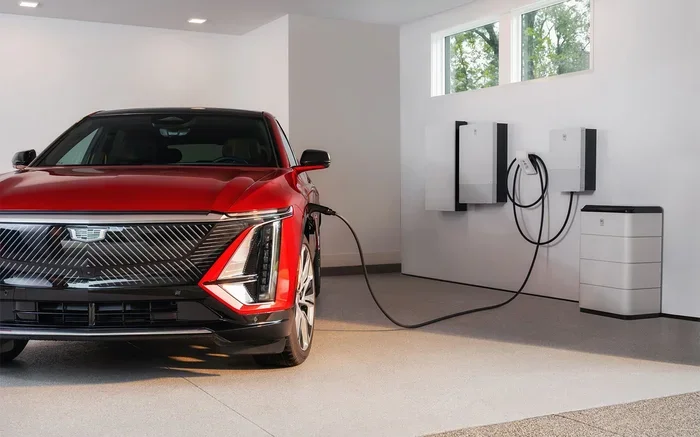
How Long Does It Take to Charge Your Cadillac Lyriq
How Long Does It Take to Charge a Cadillac Lyriq? The answer depends on your charger type, battery size, and starting charge level. With a home Level 2 charger, you can fully replenish the 100+ kWh battery overnight, while DC fast charging can add roughly 60 miles of range in about 10 minutes. This guide breaks down every charging scenario, from wall outlet to supercharger, so you can plan your trips and daily routine with confidence.
If you just pulled into the dealership in a shiny new Cadillac Lyriq, your mind is probably buzzing with one big question: How Long Does It Take to Charge a Cadillac Lyriq? The answer isn’t a single number because charging speed varies wildly depending on the equipment you use, your starting battery level, and even the weather.
This guide walks you through every charging scenario you will face. You will learn exactly how many hours it takes to fill up at home, how many minutes a fast charger adds, and what it all costs. I will also share quick tips that shave time off your charging sessions and help you keep the battery healthy for years to come.
Whether you are plugging in for the first time or planning a cross-country road trip, this article gives you the practical answers you need. Let us break it down step by step.
Key Takeaways
- Overnight home charging is the easiest way to go: A Level 2 charger fully replenishes the Lyriq while you sleep, costing just a few dollars per night.
- DC fast charging is perfect for road trips: You can add about 60 miles of range in roughly 10 minutes at a 190 kW fast charger.
- Battery size matters: The Lyriq’s 100 kWh pack determines how much energy you need and how long a full charge takes.
- Preconditioning speeds up fast charging: Warming the battery before arriving at a station helps you hit the fastest charge rates.
- Cost varies by location: Home charging costs depend on your electricity rate, while public stations charge by the minute or kilowatt-hour.
- Avoid common mistakes: Using the wrong cable, ignoring software updates, and charging to 100% every night can slow things down.
📑 Table of Contents
- How Long Does It Take to Charge a Cadillac Lyriq? The Short Answer
- Understanding the Cadillac Lyriq Charging Options
- Battery Size and Range: Why They Affect Charging Time
- What Does It Cost to Charge a Cadillac Lyriq?
- Maximizing Your Charging Speed: Expert Tips
- Common Mistakes That Slow Down Your Charging
- Real-World Charging Scenarios: A Day in the Life of a Lyriq Owner
- Final Thoughts on Charging Your Cadillac Lyriq
How Long Does It Take to Charge a Cadillac Lyriq? The Short Answer
The simplest way to think about it is this: your charging time equals the battery size divided by the charger power, minus any time you lose to the charge curve. The Lyriq comes with a large 100 kWh battery pack. That is a lot of energy, so the time changes a lot based on where you plug in.
At Home with a Level 2 Charger
Most Lyriq owners charge at home overnight. A Level 2 charger runs on 240 volts and delivers about 11 to 19 kilowatts of power. With a 19 kW Level 2 charger, you can add roughly 60 to 80 miles of range per hour. That means going from a completely empty battery to full takes about 6 to 8 hours. In real life, you rarely start at zero. If you plug in at 20% charge, you might need only 5 hours to reach 100%. Many people plug in when they get home from work and wake up to a full battery every morning. That is the magic of overnight charging.
On the Road with DC Fast Charging
When you are on a road trip, you need speed. DC fast chargers use high-powered equipment that can deliver up to 190 kilowatts to the Lyriq. At that peak rate, you can add about 60 miles of range in just 10 minutes. However, the charge rate slows down as the battery gets full. The fastest gains happen between 10% and 50% state of charge. After 50%, the speed drops off quickly. A typical fast-charge session from 10% to 80% takes around 25 to 30 minutes. That is long enough to grab a coffee and stretch your legs.
Understanding the Cadillac Lyriq Charging Options
Not all chargers are the same. The Lyriq supports three main charging methods, and each one fits a different part of your daily life. Knowing the differences helps you choose the right setup and avoid frustration.
Level 1 Charging (The Standard Wall Outlet)
Level 1 charging uses the standard 120-volt outlet found in every home. It comes with the car and requires no special installation. The trade-off is speed. A Level 1 charger adds only about 3 to 5 miles of range per hour. That means a full charge from empty would take more than 24 hours. Level 1 is fine if you drive fewer than 30 miles a day and can plug in for a full day. For most people, it is too slow for reliable daily use.
Level 2 Home Charging (The Sweet Spot)
A Level 2 charger is the best choice for home owners. It uses a 240-volt circuit, similar to what a clothes dryer runs on. You can have an electrician install a dedicated 240-volt outlet or a hardwired charging station in your garage. Level 2 charging delivers 11 to 19 kilowatts, which is 3 to 6 times faster than Level 1. With a 19 kW charger, you can fully charge the Lyriq overnight in about 6 hours. Many EV owners install a Level 2 charger in their garage or carport because it makes daily charging effortless. You never worry about range because you start every morning with a full battery.
DC Fast Charging (Public Stations)
DC fast chargers are the big machines you see at shopping centers, rest stops, and along highways. They use direct current to push energy into the battery very quickly. The Lyriq supports CCS1 (Combined Charging System) connectors at fast-charging stations. These stations are part of public charging networks like Electrify America, EVgo, and Tesla Superchargers (with an adapter). Fast charging is ideal for road trips and emergency top-ups. You should know that frequent fast charging can generate more heat and slightly reduce battery longevity over time. Using it for long journeys is perfectly fine, but relying on it every day is not necessary.
Battery Size and Range: Why They Affect Charging Time
The Cadillac Lyriq uses a large 100 kWh battery pack. That is the total amount of energy the battery can hold. A bigger battery takes longer to charge at the same power level, but it also gives you more driving range. The Lyriq offers an EPA-estimated range of about 312 miles on a full charge. That range is what makes the fast numbers on a charger so useful.
The 100 kWh Battery Pack
Think of the battery like a fuel tank. The 100 kWh pack is a big tank, so it takes more energy to fill it up. When you plug into a 19 kW Level 2 charger, you are pouring energy into that tank at a steady rate. The charging time is simply the battery capacity divided by the charge rate, adjusted for the fact that the last 20% charges more slowly. This is called the charge curve. The charger reduces power as the battery approaches full to protect its health.
Miles of Range Per Hour of Charging
A helpful way to picture charging speed is miles of range added per hour. With a 19 kW Level 2 charger, the Lyriq gains about 60 to 80 miles of range each hour. That means if you plug in at dinner time, you can easily add 200 miles by breakfast. On a DC fast charger at 190 kW, you gain roughly 60 miles in just 10 minutes. That is enough to cover the next highway leg without a long stop. Understanding these numbers helps you plan stops and decide how long to wait at a station.
What Does It Cost to Charge a Cadillac Lyriq?
Charging time is only half the story. You also want to know what it costs. The price depends on whether you charge at home or on the road, and what your local electricity rates are.
Home Charging Electricity Rates
Home charging is almost always cheaper than public charging. The cost equals the battery size multiplied by your electricity rate per kilowatt-hour. The Lyriq has a 100 kWh battery. If your home rate is $0.15 per kWh, a full charge costs about $15. Many utility companies offer lower rates at night, which is perfect for overnight charging. Some EV owners even install solar panels to make their home charging essentially free. Either way, filling up the Lyriq at home costs a fraction of what a gas tank would cost.
Public Charging Cost Comparison
Public fast chargers charge by the minute or per kilowatt-hour. Rates vary by network and location. Electrify America, for example, often charges around $0.40 to $0.50 per kWh. That puts a full fast-charge cost at about $40 to $50. Some stations also charge a session fee. Charging at home remains the most economical choice for daily use. Reserve fast charging for times when you need a quick top-up on the go.
Maximizing Your Charging Speed: Expert Tips
You can do several simple things to make your charging sessions faster and more efficient. These tips come from EV owners and charging experts who use their Lyriq every day.
Precondition the Battery Before Fast Charging
When you plug into a DC fast charger, the car can warm up the battery to the ideal temperature for fast energy transfer. This process is called preconditioning. You can set a departure time in the infotainment system or use the Cadillac app to start preconditioning while you are still driving toward the station. A warm battery accepts charge at higher rates, which shaves several minutes off your stop. This is one of the best-kept secrets for fast road trips.
Avoid Charging to 100% Every Night
If you charge at home every night, you do not need to fill the battery all the way. Setting a charge limit to 90% or even 80% reduces the time spent on the slower final stage of charging. It also helps preserve battery health over the long term. Only charge to 100% when you need the full range for a long trip. For daily commuting, 80% is usually more than enough.
Keep Your Software Updated
GM regularly releases software updates that improve charging performance and battery management. These updates can optimize how the battery accepts charge and even adjust the charge curve for better speed. Check for updates through the infotainment system or the myCadillac app. A simple update can make your charging sessions smoother and sometimes faster.
Use the Right Connector and Cable
The Lyriq uses a CCS1 port for DC fast charging and a J1772 connector for Level 1 and Level 2 AC charging. Always use the cable that matches your charger type. Using an incompatible adapter can limit the charge rate or cause errors. If you buy a home charger, make sure it supports the J1772 plug. For public fast charging, the station provides the CCS1 cable, so you just plug in and go.
Common Mistakes That Slow Down Your Charging
Even experienced EV drivers sometimes make habits that slow down their charging. Avoiding these mistakes keeps your sessions quick and your battery happy.
Using the Wrong Cable or Adapter
Using a Level 1 cable on a Level 2 charger, or vice versa, will not work properly. The car and the charger must speak the same language. Always check the connector type before plugging in. If you are at a public station, use the dedicated CCS1 cable provided. Do not try to improvise with adapters that are not rated for the Lyriq.
Ignoring the Charge Port Door
The Lyriq has a motorized charge port door that opens automatically when you tap the charger icon on the screen or the door button on the key fob. If the door is frozen shut due to ice or debris, you cannot plug in. In cold weather, clear the ice around the port before charging. A little prevention saves you time and frustration.
Charging in Extreme Temperatures Without Planning
Very cold weather slows down battery chemistry. In freezing temperatures, the battery needs more energy to warm up before it can accept a fast charge. This means your DC fast-charge session might take longer in winter. On the flip side, extreme heat can cause the car to reduce charge rates to protect the battery. Planning your stops around weather conditions helps you avoid unexpected delays.
Leaving the Car at 0% for Too Long
Lithium-ion batteries do not like sitting completely empty for days. If you run the Lyriq down to 0% and then leave it unplugged, the battery management system may go into a deep sleep. Waking it up and charging it back to a usable level can take extra time. Try to keep the battery above 10% whenever possible, especially during storage.
Real-World Charging Scenarios: A Day in the Life of a Lyriq Owner
Let us put all this information into a real-world context. Imagine you are a daily commuter with a 40-mile round trip. You plug into your Level 2 home charger every night when you arrive. By morning, the battery is full and you have more than enough range for the day. You never think about charging during the day. On the weekend, you take a 200-mile trip to the beach. You start with a full battery and drive about 150 miles before you need a quick top-up. You stop at an Electrify America station, precondition the battery while driving, and in 20 minutes you add 80 miles of range. You finish the trip with minimal delay. This is the beauty of having a clear charging plan.
Another common scenario is running errands around town. You park at the grocery store for 30 minutes. If the store has a Level 2 charger, you add about 30 miles of range while you shop. It is a small but useful boost. These little top-ups throughout the week mean you rarely need a full fast-charge session.
Final Thoughts on Charging Your Cadillac Lyriq
So, how long does it take to charge a Cadillac Lyriq? The short answer is anywhere from 6 to 8 hours at home on a Level 2 charger, and about 25 to 30 minutes for a fast-charge session from 10% to 80%. The long answer is that you have the flexibility to choose the charging method that fits your lifestyle. Home charging gives you the convenience of a full battery every morning. Fast charging gives you the freedom to road trip without worry. By understanding your options and following a few simple tips, you can make charging a seamless part of your daily routine. The Cadillac Lyriq is a remarkable electric SUV, and knowing how to charge it efficiently lets you enjoy every mile.
Take a moment to set up your home charging station if you have not already. Choose a Level 2 charger, set a charge limit that matches your daily needs, and make preconditioning a habit on fast-charge days. These small steps add up to a big improvement in your ownership experience. Happy charging, and enjoy the ride in your Lyriq.
Frequently Asked Questions
Can I charge my Cadillac Lyriq at a Tesla Supercharger?
Yes, GM and Tesla have reached an agreement that allows Cadillac Lyriq owners to use Tesla Superchargers with an adapter. The adapter is available for purchase and works with the NACS connector on the station. Charging speeds are comparable to other DC fast chargers, making it a convenient option on long trips.
How long does it take to charge a Cadillac Lyriq from 10% to 80% on a fast charger?
On a 190 kW DC fast charger, the Lyriq typically takes about 25 to 30 minutes to go from 10% to 80% state of charge. The fastest charging happens in the middle of that range, between 10% and 50%. After 50%, the charge rate slows down significantly to protect the battery.
Is it okay to charge my Lyriq every night?
Yes, charging every night is perfectly fine and is actually the recommended way to own an EV. Use a Level 2 charger at home and set a charge limit to 90% for daily use. This keeps the battery healthy and ensures you start each day with plenty of range.
What is the difference between Level 1 and Level 2 charging?
Level 1 uses a standard 120-volt household outlet and adds about 3 to 5 miles of range per hour. Level 2 uses a 240-volt circuit and adds 60 to 80 miles of range per hour. Level 2 is much faster and is the ideal choice for home charging.
Does cold weather affect charging time?
Yes, cold weather can slow down charging. The battery needs energy to warm up before it can accept a fast charge. In freezing temperatures, your DC fast-charge session might take a few extra minutes. Preconditioning the battery while driving helps reduce this delay.
How much does it cost to fully charge a Cadillac Lyriq at home?
With a 100 kWh battery and an average home electricity rate of $0.15 per kWh, a full charge costs about $15. If you have time-of-use rates, charging overnight when electricity is cheaper can reduce that cost even further.