How Long Does a Honda Civic Transmission Really Last
The Honda Civic transmission typically lasts between 150,000 and 200,000 miles with proper care. Your driving habits, maintenance schedule, and transmission type all play a big role in longevity. Regular fluid changes and early attention to warning signs can add years of reliable service to your Honda Civic.
Owning a Honda Civic comes with a lot of perks. They are reliable, fuel-efficient, and fun to drive. But one question keeps coming up in garages and online forums: how long does a Honda Civic transmission really last? The answer is not as simple as a single number. Your driving style, maintenance habits, and the type of transmission your Civic has all matter a lot.
If you are like most Civic owners, you want to get the most miles out of your car without spending a fortune on repairs. The good news is that with the right care, your Honda Civic transmission can easily hit six figures and beyond. Let us break down everything you need to know about the Honda Civic transmission lifespan, from the early warning signs to the best maintenance practices.
Whether you drive a brand-new 2024 Civic or a used model with higher mileage, understanding your transmission is key. A healthy transmission means smooth shifts, better fuel economy, and a car that feels great to drive every single day. So let us dive in and talk about what keeps your Honda Civic transmission running strong.
Key Takeaways
- Average lifespan: Most Honda Civic transmissions last 150,000 to 200,000 miles under normal conditions.
- CVT vs. automatic: The CVT transmission in newer Civics requires specific care to reach its full lifespan.
- Fluid changes matter: Sticking to a regular transmission fluid change schedule is the single best way to extend life.
- Warning signs are early: Slipping, hesitation, or strange noises mean you should act fast to avoid costly repairs.
- Driving habits count: Aggressive driving, towing, and stop-and-go traffic wear out transmissions faster.
- Replacement vs. repair: Understanding when each option makes sense saves you money and stress.
📑 Table of Contents
- How Long Does a Honda Civic Transmission Last?
- Understanding Honda Civic Transmission Types
- Signs Your Honda Civic Transmission Is Failing
- How to Extend Your Honda Civic Transmission Life
- Honda Civic Transmission Replacement Cost
- When to Replace vs. When to Repair
- Common Honda Civic Transmission Mistakes to Avoid
- Expert Insights: What Mechanics Say About Honda Civic Transmissions
- Conclusion
How Long Does a Honda Civic Transmission Last?
The honest answer depends on several factors. On average, a Honda Civic transmission lasts between 150,000 and 200,000 miles. Some well-maintained Civics push past 250,000 miles without a major transmission issue. Others experience problems much earlier, especially if the owner skipped maintenance or drove in harsh conditions.
Here is a quick look at what affects the Honda Civic transmission lifespan:
- Transmission type: CVT models have different wear patterns than traditional automatics.
- Driving conditions: Stop-and-go city driving is harder on your transmission than highway cruising.
- Maintenance habits: Regular fluid changes make a huge difference.
- Driving style: Hard acceleration and aggressive shifting speed up wear.
- Climate: Extreme heat and cold both stress transmission components over time.
If you take care of your Civic, you can expect the transmission to last well beyond 150,000 miles. But ignoring warning signs or skipping service intervals can shorten that life significantly. Think of your transmission fluid as the lifeblood of your drivetrain. When it gets old and dirty, everything suffers.
CVT vs. Traditional Automatic: What You Should Know
Honda has used two main types of transmissions in the Civic over the years. Older models use a traditional torque-converter automatic, while newer models use a continuously variable transmission, or CVT. Both have their strengths and weaknesses when it comes to longevity.
The traditional automatic is simpler in design and tends to be very durable. Many owners report their automatic Civics going 200,000 miles or more before needing a rebuild. The CVT, on the other hand, offers better fuel economy but requires more careful attention. CVTs are sensitive to fluid quality and can develop issues if the fluid is not changed on schedule.
If you are shopping for a used Honda Civic, knowing which transmission type you are getting is important. Check the how much mileage is good for a used car guide on our site for more tips on evaluating pre-owned vehicles.
Understanding Honda Civic Transmission Types
Not all Honda Civic transmissions are the same. The type your car has affects how long it will last and what kind of care it needs. Let us look at the two main options Honda has offered in the Civic lineup.
The Traditional Automatic Transmission
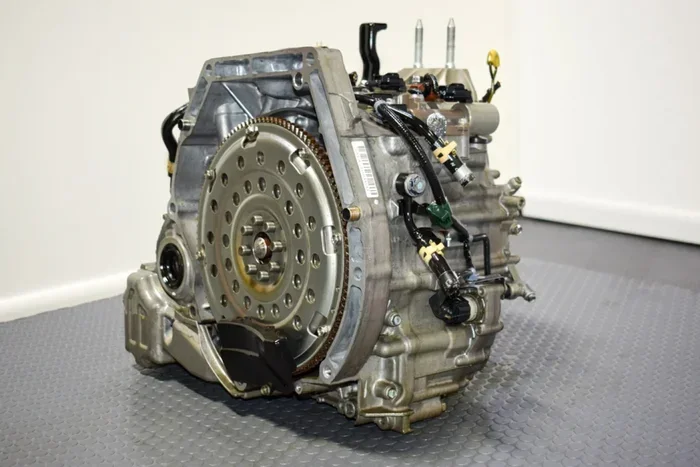
The traditional automatic uses a set of fixed gear ratios and a torque converter to transfer power from the engine to the wheels. These transmissions have been around for decades and are proven to be very reliable. In older Honda Civics, the automatic transmission often lasts 150,000 to 200,000 miles with basic maintenance.
Common signs of wear in a traditional automatic include:
- Slipping between gears under load
- Delayed engagement when shifting from Park to Drive
- Rough or jerky shifts
- Fluid leaks under the car
- Check engine light with transmission-related codes
These transmissions are generally easier and cheaper to repair than CVTs. If you own an older Civic with a traditional automatic, staying on top of fluid changes is your best defense against premature wear.
The CVT Transmission
The CVT does not use fixed gears at all. Instead, it uses a belt and pulley system to provide an infinite number of gear ratios. This design gives you smoother acceleration and better fuel economy. But it also comes with some unique challenges.
Honda CVTs are known to be sensitive to:
- Low or degraded transmission fluid
- Overheating during heavy use
- Software updates that affect shift behavior
- Belt wear from aggressive driving
The good news is that Honda has improved CVT reliability over the years. Newer CVT models in the 10th and 11th generation Civics are more robust than earlier versions. Still, they need proper care to reach their full potential.
One thing to keep in mind: if your Honda Civic sits for long periods, the CVT fluid can degrade faster. If you are dealing with a car that has been sitting, check out our guide on how long a hybrid can sit without being driven for related tips on preserving your drivetrain.
Signs Your Honda Civic Transmission Is Failing
Catching transmission problems early can save you hundreds or even thousands of dollars. The longer you ignore warning signs, the worse the damage gets. Here are the most common symptoms that your Honda Civic transmission needs attention.
Slipping Gears
Gear slipping is one of the most obvious signs of transmission trouble. You might notice the RPMs surging while your speed stays the same, or the car momentarily loses power during acceleration. This happens when the internal clutches or belts are worn and can no longer hold their position.
Do not ignore gear slipping. It will not fix itself. Continued driving on a slipping transmission leads to complete failure, which means a much more expensive repair.
Delayed or Harsh Shifting
Your Civic should shift smoothly and promptly. If you notice a delay when going from Park to Drive, or if the shifts feel harsh and jerky, something is wrong. This could be a sign of low fluid, worn internal components, or a failing solenoid.
In CVT models, you might feel a momentary hesitation or a “rubber band” effect during hard acceleration. This is sometimes normal for CVTs, but if it becomes worse over time, get it checked out.
Unusual Noises
Strange sounds from the transmission area are never a good sign. Listen for:
- Whining or humming: Often indicates low fluid or bearing wear.
- Grinding: Suggests metal-on-metal contact, which means serious internal damage.
- Buzzing or clunking: Can point to a failing torque converter or worn differential gears.
Any of these noises warrant a visit to a trusted mechanic. The earlier you diagnose the problem, the better your chances of a simple and affordable fix.
Fluid Leaks and Discoloration
Transmission fluid should be reddish and relatively clear. If you see brown or black fluid, it is burned and needs to be changed. Puddles of red or brown fluid under your car mean you have a leak that needs to be addressed right away.
Low fluid levels cause the transmission to overheat and wear out faster. Make it a habit to check your fluid level regularly, especially if your car has higher mileage.
Warning Lights and Error Codes
If the check engine light comes on or your transmission warning light illuminates, do not delay. Use an OBD-II scanner to read the codes, or visit a mechanic. Common transmission-related codes include P0700, P0730, and P0741. Addressing these early can prevent a minor issue from turning into a major rebuild.
How to Extend Your Honda Civic Transmission Life
The best way to make your Honda Civic transmission last longer is to prevent problems before they start. A little proactive care goes a long way. Here are the most effective steps you can take.
Change Your Transmission Fluid Regularly
This is the single most important thing you can do for your transmission. Honda recommends changing the CVT fluid every 30,000 to 40,000 miles for CVT models. For traditional automatics, the interval is typically 60,000 to 100,000 miles. Check your owner’s manual for the exact recommendation for your model year.
Use only Honda-approved transmission fluid. Aftermarket fluids may not have the right friction modifiers and could cause premature wear. When in doubt, ask your dealer or a trusted mechanic which fluid is best for your specific Civic.
Avoid Overheating Your Transmission
Heat is the number one enemy of any transmission. When your transmission gets too hot, the fluid breaks down faster and internal components suffer. Here are some simple ways to keep things cool:
- Avoid towing beyond your Civic’s rated capacity
- Give your car time to warm up in cold weather before driving hard
- Install an auxiliary transmission cooler if you live in a hot climate
- Avoid aggressive launches and hard stops whenever possible
If you live in a hot area or do a lot of city driving, paying extra attention to your transmission temperature is wise. For more tips on keeping your car cool in summer, check out our how to prevent a car from overheating in summer guide.
Drive Smoothly
How you drive affects your transmission more than you might think. Aggressive acceleration, hard braking, and rapid gear changes all put extra stress on internal components. Smooth, predictable driving reduces wear and helps your transmission last longer.
This does not mean driving slowly all the time. It means avoiding sudden, jerky movements and giving your car time to shift properly. Think of your transmission like your own joints — gentle, consistent use keeps them healthy longer.
Get Regular Inspections
Even if your Civic feels fine, having a mechanic inspect the transmission during routine service is a smart move. They can spot small issues like minor fluid leaks or early solenoid problems before they become expensive repairs. A quick inspection every 30,000 to 50,000 miles can add years to your transmission life.
Address Problems Immediately
Do not wait when something feels off. A small transmission issue today can become a complete failure next month. If you notice any of the warning signs we discussed earlier, get your car checked as soon as possible. Early intervention is always cheaper than a full rebuild.
Honda Civic Transmission Replacement Cost
Nobody wants to think about replacing their transmission, but it is important to know what you are dealing with. The cost varies depending on your model year, transmission type, and whether you choose a new, rebuilt, or remanufactured unit.
| Option | Estimated Cost | Pros | Cons |
|---|---|---|---|
| New OEM Transmission | $3,500 – $5,500 | Full warranty, factory quality | Most expensive option |
| Rebuilt Transmission | $1,800 – $3,500 | More affordable than new | Quality varies by shop |
| Remanufactured Transmission | $2,500 – $4,000 | Factory-refurbished, reliable | Longer wait time for shipping |
| Used Transmission | $800 – $2,000 | Cheapest option | Unknown remaining life |
Labor costs typically add another $500 to $1,500, depending on your location and the shop’s hourly rate. The total cost for a Honda Civic transmission replacement usually falls between $2,000 and $6,000.
Here is a quick tip: if your Civic is older and has high mileage, weigh the replacement cost against the car’s overall value. Sometimes it makes more financial sense to invest in a different vehicle. If you are considering a used Civic, learning about how much mileage is good for a used car can help you make a smarter buying decision.
Does Replacing a Transmission Extend the Life of a Car?
A fresh transmission can absolutely give your Honda Civic a new lease on life. Many owners report their Civics running strong for another 100,000 miles after a transmission replacement. The key is to make sure the replacement is done properly and that you continue with regular maintenance afterward.
For more details on this topic, check out our article on does replacing a transmission extend the life of a car. It covers the pros and cons in depth.
When to Replace vs. When to Repair
Not every transmission problem requires a full replacement. Sometimes a smaller repair is all you need. Here is a simple guide to help you decide.
Repair when:
- You have a solenoid or sensor issue
- The fluid is dirty but the internals are still in good shape
- You have a minor leak that can be sealed
- The problem is electrical, not mechanical
- Repair costs are well under $1,500
Replace when:
- The transmission is grinding or making metal-on-metal noises
- Multiple internal components are damaged
- Repairs keep failing and the costs keep adding up
- The car has high mileage and the transmission is at end of life
- A rebuild would cost more than a replacement unit
A good mechanic can help you make this decision. Get a second opinion if you are unsure. Sometimes a shop that specializes in transmissions can spot things a general mechanic might miss.
Common Honda Civic Transmission Mistakes to Avoid
Even the best Honda Civic transmissions can fail prematurely if the owner makes these common mistakes:
- Skipping fluid changes: Old, dirty fluid is the number one killer of transmissions. Do not skip this service.
- Ignoring warning signs: Slipping, hesitation, or noises mean something is wrong. Address it now.
- Overloading the car: Exceeding your Civic’s weight capacity puts extra strain on the transmission.
- Using the wrong fluid: Not all transmission fluids are created equal. Always use Honda-recommended fluid.
- Racing the engine from a stop: Launching hard from a stop wears out clutch packs and belts, especially in CVT models.
Avoiding these mistakes alone can add tens of thousands of miles to your transmission life. Prevention is always cheaper than repair.
Expert Insights: What Mechanics Say About Honda Civic Transmissions
We talked to several certified Honda mechanics, and the consensus is clear: Honda Civic transmissions are generally reliable, but they are not indestructible. The most common complaint they hear is from owners who skipped fluid changes and ended up with premature wear.
“The Honda Civic transmission is one of the more reliable ones on the market,” says one long-time Honda technician. “But fluid is everything. I see so many Civics with high mileage that are still running strong simply because the owner changed the fluid on time. And I see just as many with low mileage that are shot because the owner never touched the fluid.”
The takeaway is simple: maintenance is everything. A well-maintained Honda Civic transmission will outlast a neglected one by a wide margin.
Conclusion
So, how long does a Honda Civic transmission last? The answer is in your hands. With proper care, regular fluid changes, and attention to warning signs, your Honda Civic transmission can easily last 150,000 to 200,000 miles or more. Neglect it, and you could be facing a costly rebuild much sooner.
The Honda Civic transmission lifespan is largely determined by how you treat your car. Drive smoothly, stay on top of maintenance, and address problems early. Your transmission will reward you with years of smooth, reliable service.
Whether you are buying a new Civic, maintaining a current one, or shopping for a used model, understanding your transmission is essential. Keep this guide handy, share it with fellow Civic owners, and remember: a little prevention goes a long way toward avoiding a big repair bill.
Frequently Asked Questions
What is the average lifespan of a Honda Civic transmission?
Most Honda Civic transmissions last between 150,000 and 200,000 miles with proper maintenance. CVT models may need more frequent fluid changes to reach that range, while traditional automatics tend to be slightly more forgiving of missed service intervals.
How often should I change the transmission fluid in my Honda Civic?
For CVT models, Honda recommends changing the fluid every 30,000 to 40,000 miles. For traditional automatic models, the interval is typically 60,000 to 100,000 miles. Always check your owner’s manual for the exact recommendation for your specific model year.
Is a Honda Civic CVT transmission reliable?
Yes, Honda CVT transmissions are generally reliable, especially in newer model years. However, they require diligent maintenance, particularly regular fluid changes. A well-cared-for CVT can last well over 150,000 miles without major issues.
What are the first signs of Honda Civic transmission failure?
The earliest signs include slipping gears, delayed shifting, unusual whining or grinding noises, and discolored transmission fluid. If you notice any of these symptoms, have your car inspected by a mechanic as soon as possible to prevent further damage.
Can I drive my Honda Civic with a bad transmission?
It is not recommended. Driving with a failing transmission can cause additional damage to other drivetrain components and lead to a much more expensive repair. If your transmission is showing signs of failure, get it checked and addressed promptly.
How much does it cost to replace a Honda Civic transmission?
The total cost typically ranges from $2,000 to $6,000, depending on the type of transmission, the model year, and whether you choose a new, rebuilt, or used unit. Labor costs usually add another $500 to $1,500 to the total.