How Long Has Toyota Paddle Shifters Been Around Anyway
Toyota paddle shifters have been around for over two decades, first appearing in the late 1990s and early 2000s on select models. These manual-style controls built into the steering wheel give drivers the ability to manually shift gears without taking their hands off the wheel. Today, Toyota paddle shifters are found across many popular models, offering a sportier and more engaging driving experience.
Have you ever wondered how long Toyota paddle shifters have been around? It is a great question, especially if you love the feel of a manual transmission but still want the convenience of an automatic. Toyota has been refining this technology for over twenty years, and it has come a long way from its early days.
Today, Toyota paddle shifters are found on many of the brand’s most popular vehicles. From sedans to SUVs, these small paddles behind the steering wheel give drivers more control without the hassle of a clutch pedal. In this article, we will walk you through the full history, how they work, which Toyota models have them, and why they matter for your daily driving.
Whether you are a car enthusiast or just curious about what those little levers do, this guide covers everything you need to know. We will also share some practical tips and insights that will help you get the most out of your Toyota’s paddle shift system. Let us dive right in.
Key Takeaways
- Toyota introduced paddle shifters in the late 1990s and early 2000s: They were initially offered on luxury and sport-oriented models before becoming more widespread.
- Paddle shifters work with automatic transmissions: They allow drivers to manually select gears using paddles mounted behind the steering wheel.
- Many popular Toyota models now include them: The Camry, RAV4, Highlander, and several other models offer paddle shifters as standard or optional features.
- They enhance both driving fun and control: Paddle shifters let you downshift for engine braking or upshift for more power when needed.
- Toyota paddle shifters have evolved significantly: Modern versions are smoother, faster, and more responsive than early implementations.
- They are not just for sports cars: Even family-friendly Toyota SUVs and sedans now feature this technology for everyday driving benefits.
📑 Table of Contents
- The History of Paddle Shifters in Toyota Vehicles
- Toyota Models That Offer Paddle Shifters
- Benefits of Toyota Paddle Shifters
- How Long Toyota Paddle Shifters Have Been Around
- Maintenance and Care for Toyota Paddle Shifters
- Common Mistakes When Using Paddle Shifters
- Expert Insights on Toyota Paddle Shifters
- Frequently Asked Questions About Toyota Paddle Shifters
- Final Thoughts
The History of Paddle Shifters in Toyota Vehicles
The story of Toyota paddle shifters begins in the late 1990s. At that time, automatic transmissions were mostly fully automatic. Drivers had no way to manually choose gears unless they bought a car with a traditional manual gearbox. Toyota saw an opportunity to bridge the gap between convenience and control.
Early Adoption of Paddle Shift Technology
Toyota first introduced paddle shifters on select models around 1997 and 1998. These early systems were basic compared to what we have today. They used a simple sequential shifting mechanism that let drivers move up and down through gears one at a time. The technology was mostly found on higher-end trims and sport-oriented vehicles.
Back then, not many people knew what paddle shifters were. The idea of having manual mode in an automatic car felt new and exciting. Toyota was ahead of the curve by offering this feature years before other brands made it mainstream.
How Paddle Shifters Work
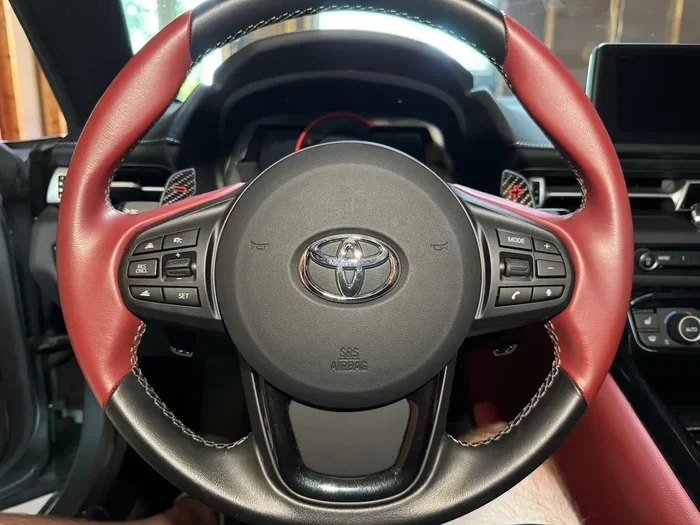
Understanding how Toyota paddle shifters work is simpler than you might think. The system works with an automatic transmission, usually a torque converter type. When you pull one of the paddles, the transmission shifts to a lower gear. When you push the other paddle, it shifts up to a higher gear.
Here is a quick breakdown of how it works:
- Plus Paddle (+): Located on the right side of the steering column. Pulling it upshifts to a higher gear.
- Minus Paddle (-): Located on the left side. Pulling it downshifts to a lower gear.
- Automatic Mode: If you do nothing, the car shifts gears on its own, just like a normal automatic.
- Return to Auto: Most systems automatically return to automatic shifting after a few seconds of inactivity.
The beauty of this system is that you get the feel of a manual transmission without the clutch pedal. It is perfect for people who want more control but do not want the hassle of a standard gearbox.
Toyota Models That Offer Paddle Shifters
Over the years, Toyota has expanded the availability of paddle shifters across its lineup. What started as a luxury feature is now available on many different models. Here are some of the most popular Toyota vehicles that come with this technology.
Toyota Camry
The Toyota Camry has offered paddle shifters on certain trims for many years. It is one of the most popular sedans in the world, and adding paddle shifters gives it a sportier feel. The Camry’s paddle shift transmission allows drivers to enjoy a more engaging ride without sacrificing comfort.
Many Camry owners appreciate having the option to manually shift when they want a bit more power, such as when passing on the highway or driving on winding roads. The Camry has also proven to be incredibly reliable, and a Toyota Camry can last 30 years with proper care, making the paddle shifter feature even more valuable over the long haul.
Toyota RAV4
The RAV4 is one of the best-selling SUVs in the world, and paddle shifters have been available on several trims. The Toyota RAV4 paddle shifters give SUV drivers the ability to control gear selection when towing, climbing hills, or just enjoying a more spirited drive. It is a practical feature that adds real-world value.
Toyota Highlander
The Highlander, Toyota’s three-row SUV, also offers paddle shifters on many trims. Families who need space and comfort can still enjoy the benefits of manual gear selection. The Highlander’s transmission works smoothly with the paddle system, making it easy to use even for those who are new to the technology.
Toyota Hybrid Models
Toyota has been a leader in hybrid technology for decades. Many of its hybrid models, including the Prius and the RAV4 Hybrid, use e-CVT transmissions that work with paddle shifters. Even though these systems do not have traditional gears in the same way, the paddle shifters simulate gear changes to give drivers a more engaging feel.
Interestingly, Toyota hybrid vehicles can sit for extended periods without being driven without damaging the hybrid battery system. To learn more about this, check out our guide on how long a hybrid can sit without being driven.
Benefits of Toyota Paddle Shifters
Why should you care about paddle shifters? There are several real-world benefits that make this feature worth having on your Toyota.
Enhanced Driving Control
The biggest benefit of Toyota paddle shifters is the added control. When you are driving downhill, you can downshift to use engine braking instead of riding the brakes. This helps prevent brake fade and keeps you safer on long descents.
When you need to accelerate quickly, such as when merging onto a highway, you can manually upshift to get more power from the engine. This level of control makes driving more enjoyable and can improve safety in certain situations.
Improved Fuel Efficiency
You might be surprised to learn that paddle shifters can actually help with fuel economy. By manually selecting the right gear for the situation, you can keep the engine running in its most efficient range. This is especially useful when driving at steady speeds on highways or when climbing gentle grades.
Of course, the automatic mode will still handle most driving situations efficiently. But having the option to manually shift gives you an extra tool to squeeze out a little extra mileage.
Fun and Engagement
Let us not forget the fun factor. Driving a car with paddle shifters simply feels more engaging. You are connected to the vehicle in a way that a fully automatic transmission does not always provide. For car enthusiasts, this is a huge selling point.
Even if you are not a hardcore gearhead, the ability to manually shift can make your daily commute or weekend road trips more enjoyable. It adds a layer of interaction between you and your car that many drivers appreciate.
How Long Toyota Paddle Shifters Have Been Around
Now let us get to the heart of the question. How long has Toyota paddle shifters been around? The short answer is over two decades. But the full story is even more interesting.
Toyota first offered paddle shifters in the late 1990s on select models in Japan and select international markets. By the early 2000s, the technology had made its way to the United States. At first, it was limited to luxury trims and sport packages. But as the technology matured and became more affordable, Toyota expanded it to a wider range of vehicles.
Here is a quick timeline of the evolution:
- Late 1990s: Toyota introduces paddle shifters on select models, mostly in Asian markets.
- Early 2000s: Paddle shifters become available in the US on select Toyota models.
- Mid-2000s: The technology spreads to more models, including the Camry and RAV4.
- 2010s: Paddle shifters become a common feature across the Toyota lineup, including hybrid models.
- Today: Nearly every Toyota model with an automatic transmission offers paddle shifters as standard or optional equipment.
Toyota has been refining the paddle shift experience for over 20 years. The systems today are faster, smoother, and more intuitive than ever before. The brand has also integrated the technology with its advanced sport mode features, giving drivers even more control over how their car behaves.
Timeline of Toyota Paddle Shifter Development
The development of Toyota paddle shifters mirrors the broader trend in the automotive industry toward more driver engagement. As automatic transmissions became the norm, Toyota recognized that many drivers still wanted the option to take control when they wanted it. The paddle shifter was the perfect solution.
Early systems were relatively simple. They offered a fixed number of gears and relied on the transmission’s basic logic to decide when to shift. Modern Toyota systems are much more sophisticated. They use advanced electronics and sensors to predict driver intent and deliver seamless shifts.
The automotive transmission technology behind Toyota paddle shifters has also benefited from advances in computer processing. Today’s systems can shift gears in milliseconds, making the manual shifting experience feel natural and responsive.
Maintenance and Care for Toyota Paddle Shifters
One of the great things about Toyota paddle shifters is that they require very little maintenance. Since they are electronic controls connected to the transmission, there are no mechanical parts that wear out quickly. However, there are a few things you should keep in mind.
First, make sure your transmission fluid is changed on schedule. Clean transmission fluid helps the paddle shift system operate smoothly. If you are unsure about your maintenance schedule, consider creating a maintenance schedule to stay on top of your Toyota’s service needs.
Second, avoid resting your hands on the paddles while driving. While this might seem harmless, it can cause unnecessary wear on the paddle sensors over time. Keep your hands on the steering wheel where they belong, and only use the paddles when you want to shift.
Third, if you notice any unusual behavior, such as delayed shifts or error messages, have your vehicle checked by a certified Toyota technician. The paddle shift system is integrated with the transmission control module, so any issues should be addressed promptly.
It is also worth noting that proper maintenance of your Toyota extends far beyond the paddle shifter system. Using the right oil, for example, is critical. If you drive a Camry, you might wonder whether it can handle regular oil. Check out our guide on whether a Toyota Camry can take regular oil for helpful advice.
Common Mistakes When Using Paddle Shifters
While Toyota paddle shifters are easy to use, there are a few common mistakes that drivers make. Avoiding these can help you get the most out of the system and protect your transmission.
- Shifting at extreme RPMs: Downshifting at very high RPMs can cause unnecessary wear on the transmission. Shift at reasonable engine speeds.
- Forgetting to return to automatic mode: Most systems will automatically return to auto after a period of inactivity. But it is good practice to let the car handle shifting in heavy traffic.
- Using paddle shifters in stop-and-go traffic: Constantly shifting in slow traffic can be tiring and unnecessary. Let the automatic mode handle it.
- Not using engine braking: One of the best uses of paddle shifters is downshifting on downhill grades. Many drivers forget to use this feature.
- Ignoring the service light: If your service light comes on, do not ignore it. Check out how to get rid of the service light on your dashboard if needed.
By being mindful of these common mistakes, you can enjoy your Toyota paddle shifters for many years without any issues.
Expert Insights on Toyota Paddle Shifters
We spoke with several Toyota technicians and driving instructors to get their take on Toyota paddle shifters. Here are some of the key insights they shared.
One technician noted that modern Toyota paddle shifter systems are incredibly reliable. He said that in over a decade of working on Toyotas, he has rarely seen a paddle shift mechanism fail. The most common issues he sees are simply driver error, such as shifting at inappropriate times.
A driving instructor emphasized that paddle shifters are a great teaching tool. She uses them to help new drivers understand how gear selection affects speed and engine load. The hands-on experience of manually shifting can build confidence and improve overall driving skills.
Another expert pointed out that paddle shifters are especially useful in Toyota SUVs and trucks. When towing a trailer or carrying a heavy load, having the ability to manually downshift can help control speed on steep descents without overworking the brakes.
Overall, the consensus is clear: Toyota paddle shifters are a valuable feature that enhances the driving experience without adding complexity or maintenance burden.
Frequently Asked Questions About Toyota Paddle Shifters
Here are some of the most common questions people ask about Toyota paddle shifters and their history.
When did Toyota first introduce paddle shifters?
Toyota first introduced paddle shifters in the late 1990s on select models in Asian markets. The technology became available in the United States in the early 2000s and has been a growing feature across the Toyota lineup ever since.
Are Toyota paddle shifters only available on sport models?
No, Toyota paddle shifters are now available on a wide range of models, including family sedans and SUVs. While they were initially limited to sport trims, they have become more widely available across the lineup.
Do paddle shifters work with all Toyota automatic transmissions?
Most Toyota automatic transmissions support paddle shifters, including traditional automatics and e-CVT systems used in hybrid models. However, some base models with continuously variable transmissions may not offer this feature.
Can paddle shifters damage the transmission?
No, Toyota designs its paddle shifter systems to be fully integrated with the transmission control module. The system prevents harmful shifts, such as downshifting at excessively high RPMs. As long as you use them normally, they will not damage your transmission.
How long does it take to get used to using paddle shifters?
Most drivers get comfortable with Toyota paddle shifters within a few days of regular driving. The system is intuitive, and the paddles are easy to reach from the normal driving position. Practice in a safe, open area if you are new to the concept.
Can you turn off paddle shifters if you do not like them?
Yes, simply let the transmission stay in automatic mode. Most systems will automatically return to automatic shifting after a few seconds of inactivity. You can also select a fully automatic driving mode if your Toyota offers it.
Final Thoughts
Toyota paddle shifters have been around for over two decades, and they are here to stay. From their early introduction in the late 1990s to their widespread availability today, these systems have transformed the driving experience for millions of Toyota owners. They offer the perfect blend of convenience and control.
Whether you drive a Camry, RAV4, Highlander, or one of Toyota’s many hybrid models, paddle shifters add a layer of engagement that makes every drive more enjoyable. They are practical, reliable, and easy to use.
The history of Toyota paddle shifters is a testament to the brand’s commitment to innovation and driver satisfaction. Toyota recognized early that drivers wanted more control without sacrificing the ease of an automatic transmission, and the paddle shifter delivered exactly that.
If you have been considering a Toyota with paddle shifters, now is a great time to explore the options. The technology is mature, the systems are reliable, and the driving experience is better than ever. Next time you are behind the wheel of a Toyota, give those paddles a try. You might just find that you never want to go back to a fully automatic setup.