How Much Do Dealerships Charge for Vehicle Diagnostics
Dealership diagnostics cost typically ranges from $80 to $200 for a standard diagnostic test. The final price depends on your vehicle type, the complexity of the issue, and the dealership’s labor rates. Understanding what’s included in a diagnostic test helps you avoid surprise bills and make informed decisions about your car repair.
You turn the key, and your dashboard lights up like a Christmas tree. The check engine light is on. Maybe it’s blinking. Either way, your stomach drops. You know what comes next — a trip to the dealership for diagnostics. But before you hand over your keys, you probably wonder: how much is this going to cost you?
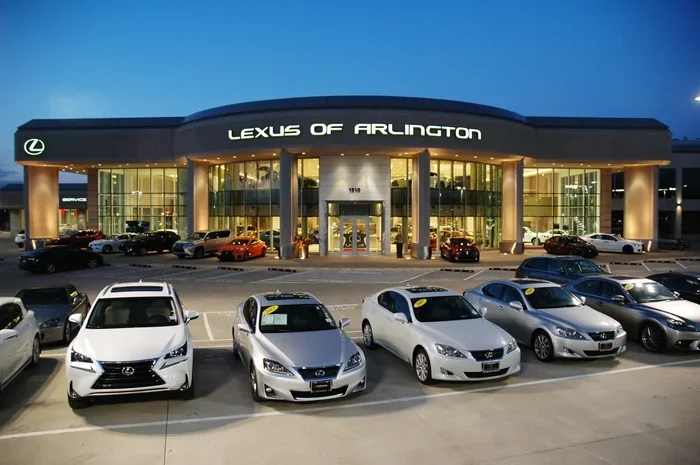
The dealership diagnostics cost can vary quite a bit. Some shops charge a flat fee. Others bill by the hour. And then there are the surprise add-ons that nobody warns you about. This guide breaks down everything you need to know about vehicle diagnostic test pricing at dealerships. You will learn what drives the price, what’s included, and how to avoid overpaying.
Let’s be honest. Nobody loves surprise car bills. But understanding the process takes away the guesswork. By the end of this article, you will feel confident walking into any dealership service department. You will know what a fair price looks like. And you will have the knowledge to make the best decision for your wallet and your vehicle.
Key Takeaways
- Average Cost Range: Most dealerships charge between $80 and $200 for a basic vehicle diagnostic test.
- Complex Diagnostics Cost More: Advanced systems like transmission or ABS diagnostics can push costs higher.
- Labor Rates Vary: Dealer labor rates often exceed independent shop rates by $30 to $70 per hour.
- Diagnostic Fees May Be Waived: Some dealerships waive the fee if you proceed with the repair.
- DIY Options Exist: Investing in an OBD scanner can save you hundreds on future diagnostic visits.
- Extended Warranties Help: Covered vehicles may have diagnostic costs fully paid by the warranty provider.
📑 Table of Contents
- What Is a Vehicle Diagnostic Test?
- How Much Do Dealerships Charge for Diagnostics?
- What Factors Drive Diagnostic Pricing?
- What Is Included in a Diagnostic Test?
- Dealership vs. Independent Shop: Which Saves More?
- How to Save Money on Diagnostic Costs
- Common Mistakes to Avoid
- When to Visit the Dealership for Diagnostics
- Final Thoughts on Dealership Diagnostics Cost
What Is a Vehicle Diagnostic Test?
A vehicle diagnostic test is a computerized scan of your car’s systems. Modern vehicles have dozens of computers and sensors. These systems monitor everything from engine performance to brake function. When something goes wrong, these computers store diagnostic trouble codes (DTCs).
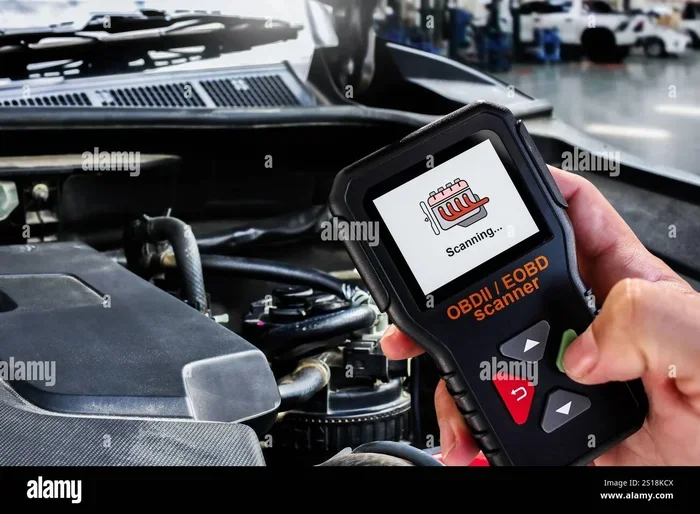
A technician plugs a scanner into your car’s onboard diagnostics port (OBD-II). The scanner reads these codes. It then translates them into information the technician can use to find the problem. Think of it like a health checkup for your car.
The test covers many systems:
- Engine diagnostics — checks fuel injection, ignition, and emissions
- Transmission diagnostics — monitors shifting and torque converter health
- ABS and brake system diagnostics — scans anti-lock brake and stability control modules
- Battery and charging system — tests alternator output and battery condition
- Airbag and safety systems — checks crash sensors and restraint modules
A basic engine diagnostic cost at most dealerships covers the main engine and emissions systems. But if you need a deeper scan of multiple modules, the price goes up. This is important to understand before you agree to any work.
How Much Do Dealerships Charge for Diagnostics?
The dealership diagnostics cost depends on several factors. Here is a general breakdown of what you can expect:
Basic Diagnostic Fee
A standard diagnostic test usually costs between $80 and $150. This covers a basic scan of the engine and emissions systems. The technician plugs in the scanner, pulls the codes, and gives you a report. This is the most common type of diagnostic visit.
Comprehensive Diagnostic
If your issue involves multiple systems, expect to pay $150 to $250. A comprehensive diagnostic scans the engine, transmission, ABS, and other modules. Luxury vehicles and newer models often fall on the higher end of this range.
Advanced or Specialized Diagnostics
Some problems require specialized equipment. For example, transmission diagnostic testing may need a dealer-specific tool. These advanced tests can cost $200 to $350 or more. European luxury brands like BMW and Mercedes often charge at the higher end.
Here is a quick comparison of average diagnostic costs by vehicle type:
- Economy cars (Toyota, Honda, Ford): $80 to $130
- Mid-range vehicles (Chevrolet, Nissan, Hyundai): $100 to $160
- Luxury vehicles (BMW, Mercedes, Audi): $150 to $300
- Truck/SUV diagnostics: $100 to $200
These numbers reflect national averages. Your local dealer may differ. Always ask for a cost estimate before the diagnostic begins.
What Factors Drive Diagnostic Pricing?
Not all diagnostic tests are created equal. Several factors influence the final car diagnostic pricing you will see on your bill.
Labor Rates
Dealership labor rates are typically higher than independent shops. A dealer technician earns more, and the dealership has higher overhead costs. You might pay $100 to $200 per hour at a dealership versus $60 to $100 at an independent garage. The diagnostic test itself usually takes 30 minutes to 2 hours. So labor is a big part of the diagnostic fee breakdown.
Vehicle Make and Model
Your vehicle type matters a lot. A simple Toyota Camry uses standard OBD-II protocols. A scan takes minutes and costs less. But a luxury SUV with complex computer networks may require specialized software and longer scan times. This drives up the dealership diagnostics cost.
Age of the Vehicle
Older vehicles sometimes need more time to diagnose. The computerized car diagnostics systems in cars from the 1990s or early 2000s are less standardized. Newer vehicles (2015 and later) have more uniform systems, making scans faster and sometimes cheaper.
Number of Modules Scanned
Modern cars have over 100 computers. A basic scan checks the engine control module. But if your issue involves the transmission, ABS, or infotainment system, each module adds to the scan time and cost. Ask the service advisor how many modules will be checked before you approve the work.
Dealer Location
Dealerships in major cities often charge more than rural locations. The cost of living and operating a business affects pricing. A dealership in New York City will likely charge more than one in a small Midwest town.
What Is Included in a Diagnostic Test?
Understanding what you get for your money helps you evaluate the dealership diagnostics cost. Here is what a standard diagnostic test typically includes:
- OBD-II scan: The technician connects a scanner to your car’s diagnostic port under the dashboard
- Code retrieval: The scanner reads any stored diagnostic trouble codes from the vehicle’s computers
- Freeze frame data: This captures the vehicle’s operating conditions at the time a fault was detected
- Initial assessment: The technician reviews the codes and provides a preliminary explanation
- Basic system check: Visual inspection of obvious issues like loose connections or damaged wires
Some dealerships also include a multi-point inspection at no extra charge. This checks things like tire wear, brake pad thickness, and fluid levels. It is a nice bonus but not guaranteed. Always ask what is included before you agree to the test.
Dealership vs. Independent Shop: Which Saves More?
One of the biggest decisions car owners face is where to get diagnostics done. Let us compare the two options.
Dealership Diagnostics
Dealerships have access to manufacturer-specific tools and training. They know your vehicle’s systems inside and out. The diagnostic labor rates are higher, but the expertise is often unmatched. If your car is under warranty, diagnostics may be covered entirely.
However, some dealerships have a reputation for recommending expensive repairs. The diagnostic test itself is just the first step. The real cost comes when they present the repair bill.
Independent Shop Diagnostics
Independent shops typically charge less for diagnostics. You might pay $50 to $100 for a basic scan. Many independent mechanics are highly skilled and experienced. They often have the same professional-grade equipment as dealerships.
The trade-off? Independent shops may not have access to proprietary manufacturer software. For complex or model-specific issues, a dealership may still be the better choice.
Here is a quick comparison:
- Dealership: Higher cost, manufacturer expertise, warranty coverage, proprietary tools
- Independent Shop: Lower cost, experienced mechanics, more flexible pricing, general tools
If your car is relatively new and still under warranty, the dealership is usually the safer choice. If your vehicle is older and out of warranty, an independent shop often provides better value.
How to Save Money on Diagnostic Costs
Nobody wants to overpay for car repairs. Here are practical tips to keep your dealership diagnostics cost as low as possible:
Ask About the Diagnostic Fee Policy
Many dealerships will waive the diagnostic fee if you proceed with the repair at their shop. Always ask about this policy upfront. Some dealers apply the diagnostic cost toward the repair bill. Others charge separately regardless. Knowing this before you hand over your keys saves surprises.
Get a Written Estimate
Before any diagnostic work begins, ask for a written estimate. This should include the diagnostic fee and any potential additional costs. A reputable dealership will not start work without your approval. If they do, consider finding a different shop.
Consider a DIY Scanner
If you deal with car issues regularly, investing in a quality OBD scanner pays for itself quickly. Basic scanners cost $30 to $80 and can read most diagnostic trouble codes yourself. Advanced scanners like the Autel MaxiCOM or BlueDriver connect to your phone and provide detailed explanations of each code. This means you can skip the diagnostic visit entirely for simple issues.
Of course, a DIY scanner will not replace a professional for complex problems. But for common issues like a loose gas cap or a faulty oxygen sensor, it works great.
Check Your Warranty Coverage
If your vehicle is under an extended warranty or manufacturer warranty, diagnostic costs may be fully covered. Call your warranty provider before visiting the dealership. They can tell you what is covered and which service centers are in-network. This is especially helpful if you are wondering about extended warranty diagnostics and whether they apply to your situation.
Time Your Visit Wisely
Dealerships are often less busy on weekday mornings. Some shops offer discounts for off-peak service appointments. It never hurts to call and ask about any current promotions or reduced-rate diagnostic specials.
Get a Second Opinion
If a dealership quotes you a high diagnostic or repair cost, get a second opinion. An independent shop can often confirm the diagnosis at a lower price. This is especially true for expensive repairs like transmission work or electrical issues.
Common Mistakes to Avoid
Even informed car owners make mistakes when it comes to diagnostics. Here are a few to avoid:
- Skipping the diagnostic entirely: Ignoring the check engine light can lead to bigger, more expensive problems down the road
- Choosing the cheapest option blindly: Extremely low diagnostic prices sometimes mean the shop cuts corners or uses low-quality equipment
- Not asking questions: A good service advisor will explain the codes and what they mean. If they do not, that is a red flag
- Agreeing to unnecessary repairs: Some shops recommend services you do not actually need. Always ask for proof of the issue before approving work
- Ignoring the repair order: Review the repair order carefully. Make sure the diagnostic fee and any repairs listed match what you agreed to
Avoiding these mistakes keeps you in control of the process and your budget.
When to Visit the Dealership for Diagnostics
Not every car problem needs a dealership visit. Here is a simple guide:
- Visit the dealership if: Your car is under warranty, the issue involves complex computer systems, you drive a luxury or specialty vehicle, or the check engine light is flashing
- Consider an independent shop if: Your car is older and out of warranty, you need a basic check engine light scan, or you want to save money on labor costs
- Try DIY diagnostics if: You have some car knowledge, the issue seems simple, and you own an OBD scanner
For more information on evaluating whether a dealership visit is worth it, check out our guide on how to know if a car is a good deal — the same principles apply to evaluating service costs.
Also, understanding your vehicle’s systems helps you make smarter decisions. If you want to learn more about diagnostic tools, read our article on how to read ABS codes without a scanner for hands-on insights into car diagnostics.
If you have an extended warranty, it is worth confirming what is covered. Visit our page on do dealerships honor extended warranties to understand how warranty coverage works for diagnostics and repairs.
Final Thoughts on Dealership Diagnostics Cost
The dealership diagnostics cost is a necessary expense when your car is acting up. Most drivers will pay between $80 and $200 for a standard diagnostic test. The key is knowing what to expect and asking the right questions before the work begins.
Remember that the diagnostic fee is an investment. A proper diagnosis prevents you from throwing money at unnecessary repairs. It tells you exactly what is wrong so you can make an informed decision about the fix.
Whether you choose a dealership or an independent shop, the most important thing is to stay informed. Understand the diagnostic fee breakdown. Know what systems are being scanned. And never feel pressured to approve work on the spot.
Your car is one of your biggest investments. Taking care of it starts with understanding what goes into diagnosing a problem. The next time that check engine light comes on, you will be ready. You will know the fair price, the right questions to ask, and the best path forward for your vehicle and your budget.
Stay proactive about your car’s health. Keep up with regular maintenance. And when something feels off, do not wait. A quick diagnostic test today can save you thousands in repairs tomorrow.
Frequently Asked Questions
Is a diagnostic fee refundable if I don’t do the repair?
Many dealerships will waive or refund the diagnostic fee if you complete the repair at their shop. However, policies vary by location and dealer. Always ask about the diagnostic fee policy before the test begins. Some shops charge a flat fee regardless of whether you proceed with repairs.
How long does a vehicle diagnostic test take?
A basic diagnostic scan typically takes 30 minutes to 1 hour. More complex tests involving multiple modules or specialized equipment can take 2 to 3 hours. The time depends on your vehicle’s make, model, and the number of systems being scanned.
Can I drive my car while the check engine light is on?
In most cases, yes. A steady check engine light usually indicates a non-emergency issue. However, if the light is flashing, pull over safely and get your vehicle towed. A flashing light often signals a serious problem like engine misfire that can damage the catalytic converter.
Do I need to go to the dealership for diagnostics if my car is under warranty?
For warranty-covered vehicles, the dealership is usually your best option. They have access to manufacturer-specific tools and training. Diagnostics for warranty claims are often fully covered. Check your warranty terms or call the dealership service department to confirm coverage before your visit.
Are there cheaper alternatives to dealership diagnostics?
Yes. Independent auto repair shops often charge 30 to 50 percent less than dealerships for diagnostics. You can also purchase an OBD scanner for $30 to $80 and perform basic scans yourself. For complex issues, a dealership’s expertise may justify the higher cost.
What should I do if the diagnostic reveals an expensive repair?
First, ask the service advisor for a detailed explanation and written estimate. Then consider getting a second opinion from an independent shop. Sometimes the same repair costs significantly less outside the dealership. Never feel pressured to approve expensive work immediately — take your time and make an informed decision.