How Much Does a Power Steering Pump Cost to Replace
The average power steering pump cost to replace ranges from $400 to $800, with parts accounting for $200 to $500 and labor adding another $200 to $300. Several factors like your vehicle model, pump type, and where you get the repair done can push the total higher or lower. Understanding these costs helps you make smart decisions about your steering system repair.
Your power steering pump is one of those parts you never think about until something goes wrong. Suddenly, turning the steering wheel feels like wrestling a steel band. The power steering pump cost to replace can vary quite a bit, and knowing what to expect helps you avoid surprises. This guide breaks down everything you need to know about steering pump replacement costs, symptoms, and your options.
Whether you drive a compact sedan or a heavy-duty truck, the steering system plays a huge role in daily driving. When the pump starts failing, it affects safety and comfort. Understanding the steering pump replacement cost empowers you to make informed choices. Let us walk through the details step by step.
Key Takeaways
- Average Replacement Cost: Most drivers pay between $400 and $800 for a full power steering pump replacement.
- Parts vs. Labor: The pump itself costs $200 to $500, while labor typically runs $200 to $300 depending on complexity.
- Vehicle Model Matters: Luxury and larger vehicles cost more to repair due to pricier parts and longer labor hours.
- DIY Is Possible: Experienced DIYers can save on labor costs, but the job requires specific tools and knowledge.
- Ignoring Symptoms Worsens Costs: Delaying repair leads to more damage and higher bills down the road.
- Electric vs. Hydraulic: Electric power steering systems have different failure modes and costs than traditional hydraulic setups.
📑 Table of Contents
- What Does a Power Steering Pump Do?
- Signs Your Power Steering Pump Is Failing
- Power Steering Pump Cost Breakdown
- Electric vs. Hydraulic Power Steering Systems
- Can You Replace a Power Steering Pump Yourself?
- How to Save Money on Power Steering Pump Replacement
- Common Mistakes to Avoid
- Expert Insights on Steering Pump Longevity
- Conclusion
What Does a Power Steering Pump Do?
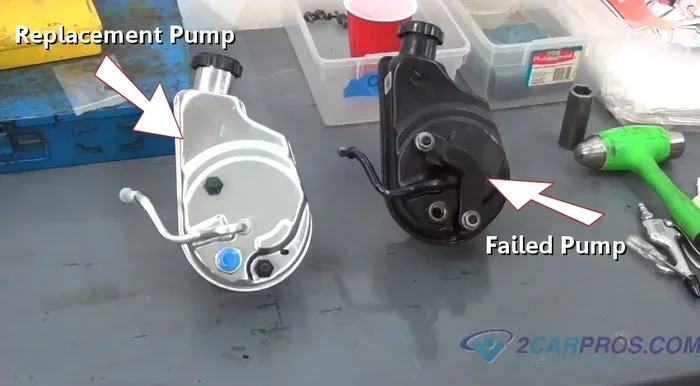
The power steering pump is the heart of your vehicle’s steering system. It uses hydraulic pressure to help you turn the wheels with minimal effort. Without it, steering would require significant physical strength, especially at low speeds or when parking.
Here is how the system works in simple terms:
- The pump draws power steering fluid from the reservoir.
- It pressurizes the fluid and sends it through hoses to the steering gear.
- The pressurized fluid helps the steering gear move the wheels smoothly.
- A return line sends the fluid back to the pump to repeat the cycle.
Most modern vehicles use a hydraulic power steering system, though some newer cars use electric power steering instead. The hydraulic system relies on the pump to create the pressure needed for smooth steering. When the pump fails, the whole system suffers.
Types of Power Steering Systems
Not all steering systems are the same. Understanding the type in your vehicle helps you understand the repair better.
Hydraulic Power Steering: This is the traditional setup found in most vehicles. It uses a belt-driven pump and hydraulic fluid to assist steering. The power steering pump cost for hydraulic systems is well-documented and relatively straightforward to replace.
Electric Power Steering (EPS): Many newer vehicles use electric motors instead of hydraulic pumps. EPS systems are more compact and energy-efficient. However, when an EPS motor fails, the replacement cost can be quite different from a hydraulic pump.
Hybrid Systems: Some vehicles combine both hydraulic and electric elements. These systems are more complex and may require specialized knowledge for repair.
Signs Your Power Steering Pump Is Failing
Catching steering pump problems early can save you from expensive damage. Here are the most common warning signs to watch for:
Whining or Groaning Noise When Turning
This is the most telltale sign of a failing pump. If you hear a whining noise that gets louder when you turn the wheel, the pump is struggling. The sound often resembles a squealing belt but comes from the steering area instead.
Stiff or Heavy Steering Wheel
When the pump cannot maintain proper pressure, the steering wheel becomes hard to turn. You might notice this most when parking or driving at low speeds. A steering wheel hard to turn feeling is never something to ignore.
Power Steering Fluid Leaks
Leaking fluid under your car is a clear red flag. Power steering fluid is usually clear, amber, or reddish. If you see puddles near the front of the vehicle, check the pump and hoses for leaks. Low fluid levels cause the pump to work harder and fail faster.
Groaning or Squealing Sounds
Beyond whining, you might hear groaning sounds when turning the wheel fully in either direction. This indicates the pump is losing its ability to maintain consistent pressure.
Fluid Discoloration
Healthy power steering fluid should be clear or light amber. If the fluid looks dark, brown, or has a burnt smell, the pump may be breaking down internally. Contaminated fluid damages the entire steering system over time.
Power Steering Pump Cost Breakdown
The power steering pump cost to replace depends on several factors. Let us break down what goes into the total price so you understand where your money goes.
Parts Cost
The pump itself typically costs between $200 and $500 for most standard vehicles. However, prices vary based on these factors:
- Vehicle Make and Model: Luxury brands and rare vehicles cost more for parts. A pump for a common sedan might cost $200, while one for a premium SUV could exceed $600.
- New vs. Remanufactured: Remanufactured pumps are cheaper, often $100 to $250, but they may not last as long as new ones.
- Brand Quality: OEM (Original Equipment Manufacturer) parts cost more than aftermarket options but offer better reliability.
Labor Cost
Labor for steering pump replacement typically runs between $200 and $300. The exact cost depends on:
- The complexity of accessing the pump in your vehicle
- Whether the belt and tensioner need removal during the job
- Local labor rates at the repair shop
Some vehicles make the pump easy to reach, while others require removing additional components. The more labor-intensive the job, the higher the cost.
Total Replacement Cost Range
For most vehicles, you can expect the total steering pump replacement cost to fall between $400 and $800. Here is a quick overview:
- Budget Range ($300-$500): Common vehicles with accessible pumps and aftermarket parts.
- Mid Range ($500-$800): Most standard vehicles with OEM or quality aftermarket parts.
- Premium Range ($800-$1,200+): Luxury vehicles or those with complex steering systems.
Keep in mind that if the power steering fluid needs to be flushed and replaced, that adds another $50 to $100 to the bill. Always ask your mechanic if a fluid flush is included in the estimate.
Comparison: Repair vs. Replace
Sometimes a pump can be rebuilt or repaired instead of replaced. Here is a quick comparison:
| Option | Cost Range | Pros | Cons |
|---|---|---|---|
| Full Replacement | $400-$800 | Most reliable, comes with warranty | Higher upfront cost |
| Rebuilt Pump | $150-$300 | Cheaper option | May not last as long |
| Repair (Seal Replacement) | $100-$250 | Lowest cost if leak is the only issue | Only works for minor issues |
Repairing a pump by replacing seals works only if the internal components are still in good shape. If the pump is making noise or failing to build pressure, a full replacement is the better choice.
Electric vs. Hydraulic Power Steering Systems
The type of steering system in your vehicle significantly impacts the power steering pump cost. Let us compare the two main types.
Hydraulic Power Steering
Hydraulic systems use a belt-driven pump and pressurized fluid to assist steering. These systems have been around for decades and are found in millions of vehicles. The steering pump replacement cost for hydraulic systems is well understood by most mechanics.
Pros of hydraulic systems include proven reliability and a natural feel at the wheel. Cons include the need for regular fluid changes and potential leaks from hoses and seals.
Electric Power Steering
Electric power steering uses an electric motor attached to the steering column or rack. There is no hydraulic pump or fluid involved. EPS systems are lighter and more fuel-efficient.
When an electric steering motor fails, the repair or replacement cost can be similar to or higher than a hydraulic pump replacement. The good news is that EPS systems require less routine maintenance since there is no fluid to change.
Which System Costs More to Fix?
Generally, hydraulic pump replacements are more standardized and often less expensive. Electric steering repairs vary widely depending on the vehicle. Always get a detailed estimate before committing to any steering system repair.
Can You Replace a Power Steering Pump Yourself?
For experienced DIYers, replacing a power steering pump is a doable weekend project. However, it requires the right tools, a clean workspace, and some mechanical knowledge.
Here is what the DIY process typically involves:
- Drain the power steering fluid from the system.
- Remove the belt that drives the pump.
- Disconnect the hoses from the pump.
- Unbolt the old pump and mount the new one.
- Reconnect the hoses and belt.
- Refill with fresh fluid and bleed the system.
The job can take anywhere from two to five hours depending on your vehicle. If you are comfortable with basic car maintenance, this is a worthwhile repair that can save you significant money on labor.
Important: Always reference your vehicle’s service manual for specific procedures. The process varies between models. If you are unsure about any step, it is better to consult a professional than to risk damaging the steering system.
One thing to keep in mind is that some repairs take longer than expected. For instance, the time it takes to fit a new bumper can give you a sense of how variable labor times can be across different jobs. Similarly, steering pump replacement time depends heavily on your specific vehicle.
How to Save Money on Power Steering Pump Replacement
Repairing a power steering pump does not have to break the bank. Here are practical tips to help you save money:
Get Multiple Estimates
Always get at least two or three quotes from different shops. Labor rates and part markups vary significantly between mechanics. A quick phone call or online estimate request can save you hundreds of dollars.
Consider Aftermarket Parts
OEM parts offer peace of mind, but quality aftermarket pumps from reputable brands can perform just as well at a lower price. Look for brands with good warranties and positive reviews.
Address Small Problems Early
If you notice whining noises or slight stiffness in the steering, get it checked right away. A small leak or low fluid level can be fixed cheaply. Ignoring these signs leads to complete pump failure, which costs much more to repair.
Regular vehicle maintenance goes a long way in preventing expensive repairs. For example, keeping your cooling system in good shape, much like following tips to prevent a car from overheating in summer, helps protect other components from premature wear.
Ask About Fluid Flush Inclusion
Some shops include a power steering fluid flush in the replacement price, while others charge extra. A fluid flush removes contaminants and extends the life of the new pump. Ask about this upfront so there are no surprises on the final bill.
Check Your Warranty Coverage
If your vehicle is still under warranty, the repair might be covered. Even extended warranties or powertrain warranties sometimes cover steering components. Always check before paying out of pocket.
Common Mistakes to Avoid
Steering system repairs come with their own set of pitfalls. Here are common mistakes drivers make:
- Ignoring Early Warning Signs: Waiting too long to address whining noises or stiff steering leads to complete pump failure and more expensive repairs.
- Using the Wrong Fluid: Not all power steering fluids are the same. Using the wrong type can damage the pump and other steering components.
- Skipping the Fluid Flush: Old, contaminated fluid shortens the life of a new pump. Always insist on a flush during replacement.
- Choosing the Cheapest Option: The lowest-priced repair is not always the best value. A poorly installed pump can fail within months.
- Not Checking the Belt and Tensioner: If the drive belt was the cause of the original problem, replacing the pump alone will not fix the issue. Always inspect related components.
When replacing major car components, it is worth considering the bigger picture. Just as replacing a transmission can extend the life of a vehicle, a new power steering pump restores smooth, safe driving for years to come.
Expert Insights on Steering Pump Longevity
Industry experts agree that a properly installed power steering pump should last between 100,000 and 150,000 miles under normal driving conditions. However, several factors can shorten or extend that lifespan.
Factors That Shorten Pump Life:
- Contaminated or old power steering fluid
- Frequent stop-and-go driving in heavy traffic
- Excessive steering lock-to-lock turns
- Driving with low fluid levels
- Using the wrong type of steering fluid
Factors That Extend Pump Life:
- Regular fluid changes every 50,000 to 60,000 miles
- Avoiding aggressive steering habits
- Keeping the system properly sealed and leak-free
- Using OEM-recommended fluids and components
Taking care of your steering system is part of overall car maintenance that keeps your vehicle running smoothly. Much like understanding how many miles a Ford F-150 can last or what mileage is good for a used car, knowing your steering system helps you plan for long-term vehicle health.
When it comes time for any major repair, always choose a trusted mechanic who specializes in your vehicle type. Whether you are dealing with steering issues, braking problems, or drivetrain concerns, a qualified professional will diagnose the root cause and recommend the right fix.
Conclusion
The power steering pump cost to replace typically falls between $400 and $800 for most vehicles, with the exact price depending on your car model, the type of steering system, and where you get the repair done. Understanding the breakdown of parts and labor costs helps you budget effectively and avoid overpaying.
Remember that early detection of steering problems saves money. If you notice whining noises, stiff steering, or fluid leaks, get your vehicle inspected promptly. A small repair today prevents a costly replacement tomorrow.
Whether you choose a professional mechanic or tackle the job yourself, the key is to use quality parts and follow proper procedures. Your steering system is too important to compromise on. Take care of it, and it will take care of you every time you turn the wheel.
Frequently Asked Questions
What is the average power steering pump replacement cost?
Most drivers pay between $400 and $800 for a complete power steering pump replacement. The pump parts cost $200 to $500, and labor typically adds $200 to $300. Luxury vehicles or those with complex steering systems may cost more.
Can I drive with a bad power steering pump?
You can drive short distances with a failing pump, but it is not safe. The steering becomes increasingly difficult, especially at low speeds. Continuing to drive with a bad pump can cause further damage to the steering system and increase repair costs.
How long does it take to replace a power steering pump?
A professional mechanic usually completes the job in two to four hours. DIY replacement may take longer, especially if you are less familiar with the process. The exact time depends on your vehicle model and how accessible the pump is.
What causes a power steering pump to fail?
Common causes include low fluid levels, contaminated fluid, worn drive belts, and normal wear over time. Driving habits like frequent hard turns and stop-and-go traffic also accelerate pump wear. Regular maintenance helps prevent premature failure.
Is it cheaper to rebuild or replace a power steering pump?
Rebuilding or repairing a pump is cheaper upfront, often $100 to $250. However, a rebuilt pump may not last as long as a new one. Full replacement costs more but offers better reliability and usually comes with a warranty.
How often should I change my power steering fluid?
Most manufacturers recommend changing power steering fluid every 50,000 to 60,000 miles. Regular fluid changes keep the pump and steering system working smoothly and extend their lifespan significantly.