How to Reset Electronic Throttle Control on Dodge Charger
Resetting the electronic throttle control on a Dodge Charger is a straightforward process you can do at home with basic tools. This guide walks you through the throttle body reset procedure, explains common symptoms of throttle problems, and helps you decide whether a DIY reset or professional service is the right move for your Dodge Charger.
Have you ever been driving your Dodge Charger and suddenly noticed the throttle acting weird? Maybe the engine sputters, or the accelerator feels sluggish. These issues can be frustrating, especially when you just want to enjoy the open road. The good news is that a throttle body reset often fixes these problems quickly and affordably.
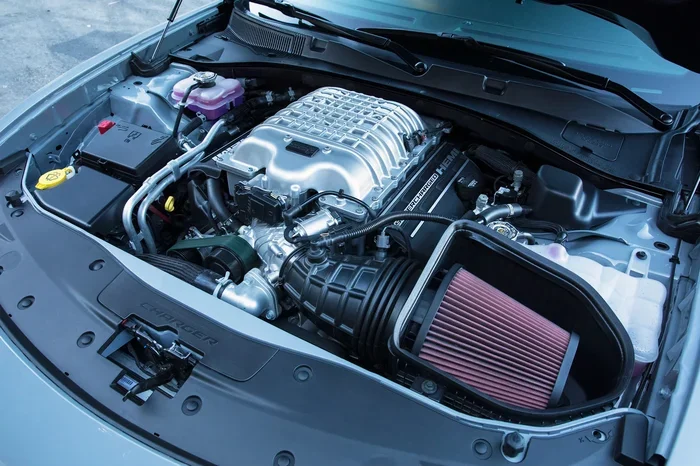
In this guide, we will walk you through the exact steps to reset electronic throttle control on Dodge Charger models. Whether you drive a 3.6L V6 or a 5.7L Hemi, the process is similar across most years. We will also cover what causes throttle control problems, how to know when a reset is needed, and tips to keep your Charger running at its best.
Key Takeaways
- Quick Fix: A throttle control reset on your Dodge Charger often resolves stalling, rough idle, and acceleration issues without a trip to the mechanic.
- Simple Tools: You only need a wrench, a clean cloth, and sometimes an OBD2 scanner to complete the reset.
- Safety First: Always disconnect the battery properly and let the system discharge before starting the reset procedure.
- Drive Cycle Matters: Completing a proper drive cycle after the reset helps the ECU relearn throttle positions and calibrate correctly.
- Know When to Call a Pro: Persistent warning lights or recurring throttle problems may signal deeper issues that need expert diagnosis.
- Preventive Care: Regular throttle body cleaning and inspection can prevent electronic throttle control problems from returning.
📑 Table of Contents
- What Is Electronic Throttle Control on a Dodge Charger?
- Common Symptoms of Electronic Throttle Control Problems
- How to Reset Electronic Throttle Control on Dodge Charger
- When Should You Reset the Throttle Control?
- How to Clean the Throttle Body on a Dodge Charger
- Common Mistakes to Avoid During a Throttle Reset
- Can You Drive With the Throttle Control Light On?
- Preventing Future Throttle Control Issues
- When to See a Professional Mechanic
- Final Thoughts
What Is Electronic Throttle Control on a Dodge Charger?
Modern Dodge Chargers use an electronic throttle body instead of a traditional cable. The system uses sensors and a motor to control how much air enters the engine. When you press the accelerator pedal, the pedal position sensor sends a signal to the engine computer, also known as the ECU. The ECU then tells the throttle body to open or close accordingly.
This electronic system offers better fuel efficiency and smoother acceleration. However, it also means more things can go wrong. Sensors can fail, the throttle body can get dirty, or the system may need a recalibration after a battery change or repair.
How the Throttle Control System Works
The electronic throttle control system has several key parts working together:
- Accelerator Pedal Sensor: Detects how far you press the gas pedal.
- Throttle Body Motor: Opens and closes the throttle plate based on ECU commands.
- Throttle Position Sensor: Monitors the position of the throttle plate and sends data back to the ECU.
- Engine Control Unit (ECU): The brain that processes all sensor inputs and adjusts the throttle accordingly.
When one of these components malfunctions, the ECU often triggers the check engine light and stores a trouble code. A throttle reset clears these codes and allows the system to relearn its baseline settings.
Common Symptoms of Electronic Throttle Control Problems
Knowing the warning signs helps you catch throttle issues early. Here are the most common symptoms drivers notice on their Dodge Chargers:
- Rough Idle: The engine shakes or runs unevenly when stopped at a light.
- Delayed Acceleration: There is a lag between pressing the gas pedal and the car responding.
- Engine Stalling: The engine shuts off unexpectedly, especially at low speeds.
- Check Engine Light: The warning light stays on or flashes on the dashboard.
- Reduced Power Mode: The vehicle limits engine power to protect itself from damage.
- Throttle Hesitation: The car jerks or hesitates during acceleration.
If you experience any of these symptoms, a throttle control reset is a great first step. Often, the system simply needs to recalibrate after a minor glitch or sensor hiccup.
How to Reset Electronic Throttle Control on Dodge Charger
Resetting the electronic throttle control is something most car owners can do at home. You do not need expensive tools or advanced mechanical skills. Follow these steps carefully to get the best results.
Step 1: Turn Off the Engine
Start by parking your Dodge Charger on a level surface. Turn the ignition off and remove the key from the ignition. If your Charger has a push-button start, simply press the start button without pressing the brake pedal. Make sure the engine is completely off before proceeding.
Step 2: Disconnect the Battery
Open the hood and locate the battery. Using a wrench, loosen the negative (black) terminal cable first. Carefully remove the cable from the battery post and tuck it away so it cannot accidentally touch the terminal again. Wait at least 15 minutes. This gives the ECU time to fully discharge and clear any stored codes.
Tip: Some mechanics recommend waiting 30 minutes for a complete reset, especially on newer Dodge models with more complex computer systems.
Step 3: Reconnect the Battery
After waiting the recommended time, reconnect the negative cable to the battery terminal. Tighten it securely with your wrench. Make sure the connection is firm and there is no corrosion on the terminal posts. A loose connection can cause the reset to fail or lead to other electrical issues.
Step 4: Turn the Ignition to the ON Position
Without starting the engine, turn the ignition key to the ON position. Wait about 10 to 15 seconds. You will notice the dashboard lights turn on and then some may turn off. This allows the ECU to begin its initial self-check sequence.
Step 5: Start the Engine and Let It Idle
Start the engine and let it idle for about 3 to 5 minutes. Do not touch the accelerator pedal during this time. The ECU needs this idle period to relearn the throttle body idle relearn procedure. You may notice the idle speed fluctuates slightly, which is completely normal.
Step 6: Complete a Drive Cycle
After the idle period, take your Dodge Charger for a short drive. Follow this simple drive cycle:
- Drive at a steady speed of 30 to 45 mph for 5 minutes.
- Slow down and come to a complete stop.
- Accelerate gently to 45 mph again.
- Repeat this cycle two more times.
This drive cycle helps the ECU fully recalibrate the throttle position sensor and pedal position sensor. After completing the drive cycle, the electronic throttle control system should be fully reset.
Alternative Method: Using an OBD2 Scanner
If the battery disconnect method does not work, you can use an OBD2 scanner to reset the throttle control system. Plug the scanner into the diagnostic port under your dashboard. Turn the ignition to the ON position and follow the scanner menu to clear throttle-related trouble codes. This method is faster and gives you access to specific diagnostic information about your Dodge Charger.
Note: You can find affordable OBD2 scanners at most auto parts stores for under $30. They are a handy tool to have in your garage.
When Should You Reset the Throttle Control?
Not every throttle issue requires a reset. Here are the situations where a throttle control reset makes the most sense:
- You recently disconnected or replaced the battery on your Dodge Charger.
- The check engine light came on with a throttle-related trouble code.
- You cleaned the throttle body and need the system to relearn the idle settings.
- The accelerator pedal feels unresponsive or erratic after a repair.
- The reduced power mode warning appeared and then disappeared on its own.
If the throttle problems started after a specific event like a battery replacement, a reset is almost always the first thing to try. It costs nothing and takes only about 20 minutes of your time.
How to Clean the Throttle Body on a Dodge Charger
Sometimes a reset alone is not enough. A dirty throttle body can cause the same symptoms that a reset fixes temporarily. Regular cleaning keeps the throttle body operating smoothly and prevents recurring issues.
What You Will Need
- Throttle body cleaner spray
- Clean lint-free cloths
- A small flathead screwdriver
- Rubber gloves
Cleaning Steps
- Disconnect the air intake duct from the throttle body.
- Spray throttle body cleaner onto the throttle plate and bore.
- Use a clean cloth to gently wipe away carbon buildup and grime.
- Do not force the throttle plate open or use abrasive tools.
- Reconnect the air intake duct once the throttle body is clean and dry.
- Perform the throttle reset procedure described above.
Cleaning the throttle body every 30,000 to 50,000 miles helps maintain optimal performance. This is especially important for Dodge Chargers driven in stop-and-go traffic or dusty conditions.
Common Mistakes to Avoid During a Throttle Reset
Even simple procedures can go wrong if you are not careful. Here are mistakes to avoid when resetting the throttle control on your Dodge Charger:
- Skipping the Wait Time: Not waiting long enough after disconnecting the battery means the ECU does not fully reset. Always wait at least 15 minutes.
- Touching the Accelerator: Pressing the gas pedal during the idle relearn phase confuses the ECU and can prolong the reset process.
- Ignoring Trouble Codes: If you use a scanner and find codes, do not just clear them without understanding what they mean. Some codes point to hardware failures that a reset cannot fix.
- Using the Wrong Cleaner: Never use household cleaners on the throttle body. Use only dedicated throttle body cleaner, which is safe for electronic components and rubber seals.
- Driving Aggressively After Reset: Avoid hard acceleration for the first 20 minutes after the reset. Let the system relearn gradually.
Avoiding these mistakes ensures your throttle body reset goes smoothly and delivers lasting results.
Can You Drive With the Throttle Control Light On?
This is a common question among Dodge Charger owners. The short answer is yes, but with caution. If the throttle control light is on, your vehicle has entered a limp mode that limits engine power to prevent damage. You can still drive to a safe location or a nearby repair shop, but avoid highway speeds and heavy acceleration.
If the light is flashing, pull over safely and turn off the engine. A flashing warning light usually indicates a more serious issue that needs immediate attention. After addressing the problem, you can check whether resetting the throttle control clears the light. If the light persists after a reset, it is time to visit a qualified mechanic for a thorough diagnosis.
Some owners also wonder whether you can reset the check engine light without disconnecting the battery. The answer is yes, using an OBD2 scanner, which is often the faster and more precise approach for throttle-related codes.
Preventing Future Throttle Control Issues
Once you have successfully reset the throttle control system on your Dodge Charger, you want to keep it running smoothly. Here are proven tips to prevent future throttle problems:
- Regular Maintenance: Follow the factory-recommended service schedule for your Dodge Charger. Regular inspections catch small problems before they become big ones.
- Clean the Throttle Body: Add throttle body cleaning to your maintenance routine every 30,000 miles.
- Use Quality Fuel: Premium or top-tier gasoline reduces carbon buildup in the throttle body and intake system.
- Check for Vacuum Leaks: Inspect vacuum hoses and connections regularly. A vacuum leak can cause throttle response issues and rough idle.
- Keep the Battery Healthy: A weak or failing battery can cause erratic behavior in the electronic throttle control system. Replace your battery every 4 to 5 years.
- Address Warning Lights Promptly: Do not ignore dashboard warning lights. Early diagnosis prevents minor issues from escalating into expensive repairs.
Taking these preventive steps keeps your Dodge Charger throttle system working reliably for years. It also saves you time and money on unnecessary trips to the repair shop.
When to See a Professional Mechanic
While a throttle control reset solves many issues, some problems require professional expertise. Consider seeing a mechanic if:
- The check engine light returns shortly after a reset.
- You hear unusual noises coming from the throttle body area.
- The accelerator pedal feels physically loose or spongy.
- The throttle body shows visible damage or excessive wear.
- Multiple warning lights appear on the dashboard at the same time.
A professional mechanic has access to advanced diagnostic tools and factory service manuals. They can pinpoint the exact cause of throttle problems and recommend the right repair. For Dodge Charger models equipped with the powerful Hemi engine, professional diagnosis is especially important because the electronic throttle system interacts with many other performance components.
Remember, you can always check whether you need to reset warning lights after routine maintenance to better understand your vehicle’s alert systems and avoid unnecessary worry.
Final Thoughts
Resetting the electronic throttle control on your Dodge Charger is a simple, effective way to resolve many common throttle-related issues. Whether you deal with rough idle, hesitation, or a check engine light, the reset process outlined in this guide gives you the power to fix the problem yourself. With just a few basic tools and about 30 minutes of your time, you can get your Charger back to running smoothly.
Always remember that prevention is the best medicine. Regular throttle body cleaning, quality fuel, and prompt attention to warning lights keep your electronic throttle control system in top shape. If the problem persists after a reset, do not hesitate to consult a professional mechanic who can diagnose deeper issues with your Dodge Charger.
Your Charger is built for performance, and keeping the throttle system in perfect working order ensures you get the most out of every drive. Keep this guide handy, and you will be well prepared the next time a throttle control issue comes up.
Frequently Asked Questions
How long does it take to reset electronic throttle control on a Dodge Charger?
The entire process takes about 20 to 30 minutes. This includes the battery disconnect wait time, the idle relearn phase, and a short drive cycle. Using an OBD2 scanner can cut the time in half since you skip the battery disconnect step.
Will resetting the throttle control erase my Dodge Charger’s stored codes?
Yes, a throttle control reset clears most throttle-related trouble codes from the ECU memory. However, if the underlying problem still exists, the codes will return after you drive the vehicle. A reset is a diagnostic tool, not a permanent fix for hardware failures.
Can a dirty throttle body cause the electronic throttle control light to come on?
Absolutely. Carbon buildup and grime inside the throttle body restrict airflow and confuse the sensors. This often triggers the throttle control warning light. Cleaning the throttle body and then performing a reset usually resolves the issue.
Is it safe to drive my Dodge Charger after a throttle reset?
Yes, it is safe to drive after a reset. However, avoid aggressive acceleration for the first 20 minutes. The ECU needs this time to relearn the throttle position and idle settings. If the throttle light remains on, drive cautiously and get the vehicle inspected.
Do I need an OBD2 scanner to reset the throttle control on a Dodge Charger?
No, you do not need one. The battery disconnect method works without any special tools. However, an OBD2 scanner is helpful if you want to read and clear specific trouble codes or if the battery method does not fully reset the system.
How often should I reset the electronic throttle control on my Dodge Charger?
You should only reset the throttle control when symptoms appear or after maintenance like a battery replacement or throttle body cleaning. Frequent resets are not normal and usually indicate an underlying problem that needs professional diagnosis.
=== CONCLUSION ===
Resetting the electronic throttle control on your Dodge Charger is one of the easiest and most effective repairs you can do at home. The process is simple, costs nothing, and often resolves frustrating throttle issues like rough idle, hesitation, and stalling. By following the steps in this guide, you take control of your vehicle’s maintenance and save time and money.
Remember to combine your reset with regular maintenance like throttle body cleaning and using quality fuel. These habits keep your Dodge Charger’s throttle system running smoothly for the long haul. If problems persist, a professional mechanic can provide the deep diagnosis your vehicle may need. Keep your Charger in top shape, and it will reward you with reliable performance every time you hit the road.