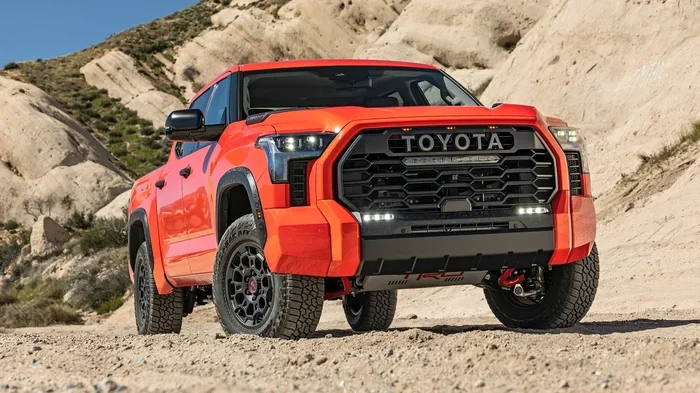
Toyota Tundra Weight How Much Does the Truck Weigh
The Toyota Tundra weight varies by model year and trim, but most versions sit between 5,000 and 6,800 pounds. The Tundra curb weight depends on the engine size, cab style, bed length, and added options. This guide breaks down the numbers so you know exactly what your truck weighs.
Key Takeaways
- Toyota Tundra weight ranges from 5,000 to 6,800 pounds depending on the model year, trim, and configuration.
- Curb weight is the most common measurement and includes a full tank of fuel but no passengers or cargo.
- Payload capacity and towing capacity are directly affected by the truck’s base weight.
- Different cab styles (regular, extended, and crew cab) significantly impact the Tundra weight.
- Engine choice matters because the V8 and twin-turbo V6 engines add different amounts of weight.
- Comparing Tundra weight to competitors like the GMC Sierra and Dodge Dakota helps you understand where it stands in the full-size truck class.
📑 Table of Contents
- Toyota Tundra Weight: What You Need to Know
- Toyota Tundra Curb Weight by Model Year
- Tundra Payload and Towing Capacity
- How Tundra Weight Compares to Other Trucks
- Factors That Affect Toyota Tundra Weight
- Tips for Managing Your Tundra’s Weight
- Common Mistakes People Make With Tundra Weight
- Expert Insights on Toyota Tundra Weight
- Conclusion
Toyota Tundra Weight: What You Need to Know
If you have ever wondered how much does the Toyota Tundra weigh, you are not alone. The Toyota Tundra weight is one of the most searched truck specs on the internet. Whether you are towing a trailer, hauling cargo, or just curious about your vehicle, knowing the weight matters a lot.
The Tundra curb weight changes depending on the year, trim level, engine, and body style. A basic single cab will weigh less than a crew cab with all the options. This guide will walk you through every important detail about Tundra curb weight, payload limits, and how it stacks up against other trucks. Let us break it all down.
Why Truck Weight Matters
Knowing your truck weight is not just trivia. It affects how much you can tow, how much payload you can carry, and even your fuel economy. If you overload a truck, you risk damaging the engine, transmission, and suspension. Staying within the Tundra maximum payload keeps your truck safe and performing at its best.
The gross vehicle weight rating (GVWR) is the absolute maximum weight your Tundra can be, including the truck itself, passengers, cargo, and fuel. Always check this number before loading up your truck. It is printed on the door jamb label and in your owner manual.
Toyota Tundra Curb Weight by Model Year
The Tundra curb weight has changed over the years. Toyota made updates to the platform, engine, and materials, which all affect the numbers. Here is a look at how the Toyota Tundra weight has evolved across generations.
First Generation (1999-2006)
The original Tundra was a game changer for Toyota. It entered the full-size truck market and competed with the Ford F-150 and Silverado. The Tundra curb weight for the first generation ranged from about 4,700 to 5,800 pounds. The single cab short bed was the lightest, while the crew cab long bed tipped the scales higher.
Engine options included a 4.7-liter V8 and a 5.7-liter V8. The bigger engine added a bit more weight to the front end. Overall, these early Tundras were lighter than many of today’s models.
Second Generation (2007-2013)
Toyota redesigned the Tundra in 2007. The Tundra weight increased slightly due to added safety features and a more robust frame. The curb weight for this generation ranged from roughly 5,100 to 6,100 pounds.
The 5.7-liter V8 became the standard engine and added heft compared to the older 4.7-liter. Toyota also introduced the Tundra towing capacity upgrades during this period, making it a more capable hauler.
Third Generation (2022-Present)
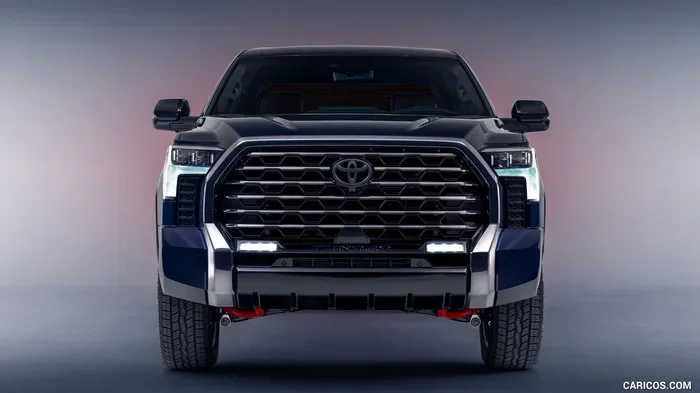
The newest Tundra brought a completely new platform. Toyota switched to a twin-turbo V6 engine and added a hybrid option. The Toyota Tundra weight for the third generation ranges from about 5,600 to 6,800 pounds.
The hybrid system adds weight because of the battery pack and electric motor. However, the new platform also uses lighter materials in some areas. The trade-off means the Tundra is heavier overall but offers better efficiency and more power.
Tundra Payload and Towing Capacity
Understanding the Tundra payload capacity is just as important as knowing the base weight. Payload is the amount of weight you can safely put in the cab and bed. Towing capacity is how much weight you can pull behind the truck with a trailer.
Payload Capacity Explained
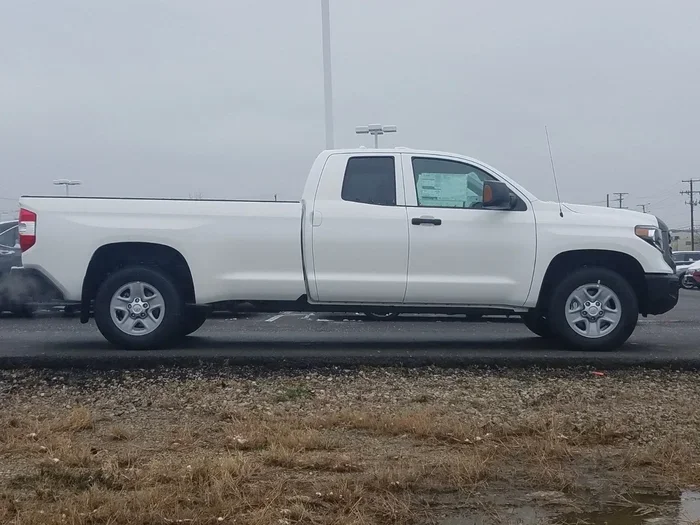
The Tundra maximum payload depends on the configuration. A basic double cab with the shorter bed usually has a lower payload than a regular cab with a long bed. This is because the cab size and wheelbase change the weight distribution.
Here are some general payload numbers for the current Tundra:
- Regular Cab: up to 2,000 pounds of payload
- Double Cab: up to 1,700 pounds of payload
- Max Towing Capacity: up to 12,000 pounds when properly equipped
Always check the specific numbers for your trim and engine combo. The Tundra payload capacity is also affected by whether you have the rear axle with the higher ratio.
How Towing Capacity Relates to Weight
The Tundra towing capacity is directly tied to the truck’s weight. A heavier truck can usually tow more because it has a stronger frame and bigger brakes. But there is a limit. Exceeding the towing capacity is dangerous and can void your warranty.
If you plan to tow a boat, a horse trailer, or a fifth wheel, make sure you know the Tundra towing limit for your specific model. The tongue weight of the trailer also counts toward your payload.
How Tundra Weight Compares to Other Trucks
Curious how the Toyota Tundra weight stacks up against the competition? Let us look at a few popular trucks in the full-size and mid-size categories.
Tundra vs. GMC Sierra
The GMC Sierra weight is very similar to the Tundra. Both are full-size half-ton trucks. The Sierra 1500 curb weight ranges from about 4,700 to 6,000 pounds depending on the configuration. The Tundra tends to sit in a similar range, making them close competitors in the weight department.
If you want a deeper comparison, check out our full breakdown of the GMC Sierra weight here on the site.
Tundra vs. Dodge Dakota
The Dodge Dakota is a mid-size pickup, so it is lighter than the Tundra. The Dodge Dakota weight ranges from about 4,000 to 5,300 pounds. The Tundra is noticeably heavier because it is a full-size truck with a bigger frame and more powerful engine options.
For the full details on the Dakota, you can read our article on the Dodge Dakota weight comparison.
Tundra vs. Jeep Rubicon
The Jeep Rubicon is a compact SUV, and it weighs much less than the Tundra. The Rubicon curb weight is around 4,400 to 4,900 pounds. The Tundra is more than 1,000 pounds heavier in most configurations. This difference matters when you are comparing towing ability and fuel economy.
Quick Comparison Table
| Truck | Approximate Curb Weight | Class |
|---|---|---|
| Toyota Tundra | 5,600 – 6,800 lbs | Full-Size |
| GMC Sierra 1500 | 4,700 – 6,000 lbs | Full-Size |
| Dodge Dakota | 4,000 – 5,300 lbs | Mid-Size |
| Jeep Rubicon | 4,400 – 4,900 lbs | Compact SUV |
As you can see, the Toyota Tundra weight places it firmly in the full-size truck category. It is heavier than mid-size trucks and SUVs but comparable to other full-size pickups.
Factors That Affect Toyota Tundra Weight
Not all Tundras weigh the same. Several factors influence the final number. Understanding these can help you choose the right configuration for your needs.
Cab Style
The cab style has a big impact on the Tundra weight. A regular cab has fewer seats and a shorter body, so it weighs less. The extended cab and crew cab add more metal, glass, and interior space, which increases the weight.
If you want a lighter truck for everyday driving, a regular cab might be the way to go. But if you need room for your whole family, the crew cab is worth the extra weight.
Bed Length
A longer bed adds weight. The short bed Tundra weighs less than the long bed version. This is simple math, but it is important to consider when you are choosing your configuration.
If you do not need a long bed for hauling large items, the short bed will keep your Tundra curb weight lower and improve your fuel economy slightly.
Engine Choice
The engine is one of the biggest contributors to the Toyota Tundra weight. The current Tundra offers a 3.4-liter twin-turbo V6 and a hybrid version. The hybrid system adds the battery pack and electric motor, which increases the overall weight.
The older generations used the 4.7-liter V8 and the 5.7-liter V8. These engines were heavy but offered strong towing performance. The new twin-turbo V6 is lighter and more efficient, but the hybrid system adds back some of that weight savings.
Added Options and Accessories
Every option you add increases the weight. Leather seats, a sunroof, a bed liner, running boards, and a tailgate all add pounds. Even the wheels and tires make a difference. Larger wheels with heavier tires can add 50 to 100 pounds to the total.
If you are trying to keep your Tundra weight down, consider which options are truly necessary. Every pound counts when you are near the maximum payload limit.
Tips for Managing Your Tundra’s Weight
Now that you know the Toyota Tundra weight and what affects it, here are some practical tips for managing the weight of your truck and its load.
Check Your Owner Manual
The owner manual has the exact Tundra curb weight and payload numbers for your specific configuration. Always refer to it before loading up your truck. The manual also lists the gross vehicle weight rating and the gross axle weight rating.
Use a Scale
If you want to know your exact weight, visit a truck stop or weigh station. You can weigh the truck empty and then again when fully loaded. This gives you a clear picture of how much weight you are actually carrying.
Distribute Weight Evenly
When hauling cargo in the bed, spread the weight evenly from side to side. Place heavier items over the axle and lighter items toward the tailgate. Proper weight distribution improves handling and keeps your Tundra towing capacity safe.
Consider a Weight Distribution Hitch
If you tow near your maximum capacity, a weight distribution hitch can help. It spreads the trailer tongue weight more evenly across all four axles. This improves stability and reduces the strain on the rear suspension.
Know Your Payload Before You Load
Before you load your truck, know the Tundra maximum payload for your configuration. Subtract the weight of passengers, fuel, and any accessories from the payload number to find out how much cargo you can safely carry.
If you are unsure about how much weight your pickup can handle, our guide on how much weight you can put in your pickup truck has more detailed information.
Common Mistakes People Make With Tundra Weight
Avoiding common mistakes can save you money and keep you safe on the road. Here are a few things to watch out for.
- Ignoring the tongue weight: The tongue weight of your trailer counts toward your payload. Too much tongue weight can cause the rear of the truck to sag.
- Overloading the bed: It is easy to pile too much cargo in the bed. This exceeds the payload and can damage the suspension and tires.
- Forgetting about fuel weight: A full tank of diesel or gasoline weighs about 6 to 8 pounds per gallon. A full tank of fuel adds noticeable weight to the truck.
- Not checking the GVWR: The gross vehicle weight rating includes everything. Make sure the total weight of the truck plus cargo plus passengers does not exceed this number.
Expert Insights on Toyota Tundra Weight
According to truck experts, the Toyota Tundra weight is right in line with other full-size American pickups. The twin-turbo V6 in the latest generation offers a good balance of power and efficiency. While the Tundra is heavier than some competitors, Toyota engineered it with a strong frame that can handle the demands of work and recreation.
One thing that sets the Tundra apart is its durability. The Tundra curb weight is higher than some lighter trucks, but that weight comes from a solid build quality that lasts for hundreds of thousands of miles. Many owners report that their Tundras easily surpass 300,000 miles with proper maintenance.
If you are in the market for a full-size truck and want to compare weights across the lineup, knowing the Toyota Tundra weight gives you a solid baseline. It is a capable, well-built truck that competes with the best in the industry.
Conclusion
The Toyota Tundra weight is an important spec to understand before you buy or load up your truck. From the first generation to the latest 2024 model, the Tundra curb weight has evolved with new technology and materials. Today’s Tundra weighs between 5,600 and 6,800 pounds depending on the configuration.
Knowing your Tundra weight helps you stay within safe limits for payload and towing. It also helps you make smarter decisions about options and accessories. Whether you use your Tundra for work, towing, or weekend adventures, understanding the weight is the first step to getting the most out of your truck.
Always refer to your owner manual for the exact numbers on your specific model. And remember, staying within the Tundra maximum payload and towing capacity keeps your truck running strong for years to come.
Frequently Asked Questions
What is the curb weight of a Toyota Tundra?
The Toyota Tundra curb weight ranges from about 5,600 to 6,800 pounds depending on the model year, cab style, bed length, and engine configuration. Always check the specific label on your truck for the exact number.
How much can a Toyota Tundra tow?
The Tundra towing capacity goes up to 12,000 pounds when properly equipped with the right towing package. The exact number depends on your engine, cab configuration, and axle ratio.
Does the Toyota Tundra weight affect fuel economy?
Yes, a heavier truck generally gets lower fuel economy. The Toyota Tundra weight plays a role in how many miles per gallon you get. Lighter configurations tend to be slightly more efficient than heavier ones.
How does the Tundra weight compare to the Ford F-150?
The Tundra is slightly heavier than most F-150 configurations. The F-150 curb weight ranges from about 4,000 to 5,700 pounds depending on the trim and engine. The Tundra’s full-size frame contributes to its heavier weight.
What is the difference between curb weight and gross vehicle weight?
Curb weight is the weight of the truck with a full tank of fuel but no passengers or cargo. Gross vehicle weight rating (GVWR) is the maximum safe weight including the truck, passengers, cargo, and fuel. The difference between the two is your available payload capacity.
Can I reduce my Toyota Tundra weight?
You can reduce the Tundra weight by removing unnecessary accessories, replacing heavy wheels with lighter ones, and avoiding overloading the bed. Every pound you remove improves handling and can slightly boost fuel economy.