How Much Is a Toyota Battery and What Affects the Price
The cost of a Toyota battery typically ranges from $150 to $350, depending on the type, model, and where you buy it. Hybrid Toyota batteries can cost significantly more, often between $1,500 and $4,000. Understanding what drives the price helps you make a smart buying decision and avoid overpaying.
Key Takeaways
- Standard Toyota Battery Cost: A regular Toyota battery usually costs between $150 and $350, including parts and installation.
- Hybrid Battery Prices Are Higher: Toyota hybrid batteries can range from $1,500 to $4,000 due to advanced technology.
- Several Factors Affect Price: Battery type, model year, CCA rating, and where you purchase all influence the final cost.
- DIY vs. Professional Installation: You can save money by installing the battery yourself, but professional installation ensures proper setup.
- Warranty Matters: Many Toyota batteries come with warranties that cover replacement within a set timeframe.
- Maintenance Extends Life: Regular care can help your Toyota battery last 3 to 5 years or longer.
📑 Table of Contents
- How Much Is a Toyota Battery and What Drives the Cost?
- Types of Toyota Batteries and Their Prices
- What Factors Affect the Price of a Toyota Battery?
- How Long Does a Toyota Battery Last?
- Signs Your Toyota Battery Needs Replacement
- Tips to Get the Best Deal on a Toyota Battery
- Can You Replace a Toyota Battery Yourself?
- Toyota Battery Maintenance for Longer Life
- How Does a Toyota Hybrid Battery Differ from a Standard Battery?
- Common Mistakes People Make When Buying a Toyota Battery
- Final Thoughts on Toyota Battery Pricing
How Much Is a Toyota Battery and What Drives the Cost?
If you have ever wondered how much is a Toyota battery, you are not alone. Car owners face this question more often than you might think. A dead or failing battery can leave you stranded, and the urgency to replace it often comes with sticker shock. The truth is that battery prices vary a lot. Several factors determine what you will pay at the register.
Understanding the cost breakdown helps you make a confident choice. You will learn about different battery types, what drives pricing, and how to get the best deal. This guide covers everything you need to know about Toyota battery cost in 2024 and beyond. Let us break it down step by step.
A standard Toyota battery replacement typically runs between $150 and $350. This price includes the battery itself and professional installation. However, if you drive a hybrid model, the cost jumps significantly. Hybrid battery replacement can range from $1,500 to $4,000 or more. The wide range exists because Toyota uses different battery technologies across its lineup.
Types of Toyota Batteries and Their Prices
Not all Toyota batteries are the same. Different models use different battery technologies. Knowing which type your Toyota needs is the first step in understanding the price. Let us look at the main options available.
Standard Lead-Acid Batteries
Most Toyota models use traditional lead-acid batteries. These are the most common and affordable option. They power the starter motor, lights, and basic electrical systems. A standard lead-acid battery for a Toyota Camry or Corolla typically costs between $150 and $250. This includes parts and installation at a service center.
These batteries come in different group sizes. The group size depends on your Toyota model and year. Common group sizes for Toyota vehicles include Group 35, Group 24F, and Group 25. Always check your owner manual to confirm the correct size. Using the wrong group size can cause fitment issues and electrical problems.
Toyota Hybrid Batteries
Toyota hybrid vehicles use a completely different type of battery. These are nickel-metal hydride (NiMH) or lithium-ion batteries. They work alongside the gasoline engine to improve fuel efficiency. Toyota hybrid battery cost is much higher than a standard battery. A new hybrid battery pack can cost anywhere from $1,500 to $4,000.
The price depends on the hybrid system. The Toyota Prius uses a smaller battery than the Toyota RAV4 Hybrid. The Camry Hybrid also falls in a different price range. Labor costs add to the total because hybrid battery replacement requires specialized knowledge. Not every shop can handle hybrid battery work safely.
Aftermarket vs. OEM Batteries
When shopping for a battery, you will see two main options: OEM and aftermarket. OEM stands for Original Equipment Manufacturer. These batteries are made by the same supplier Toyota uses at the factory. Aftermarket batteries are made by third-party companies. They meet or exceed OEM specifications but often cost less.
OEM Toyota batteries typically run $200 to $350. Aftermarket options can cost $100 to $250. The difference in price is real, but so is the peace of mind. OEM batteries come with a Toyota warranty and are guaranteed to fit and work correctly. Aftermarket batteries from reputable brands like Interstate, DieHard, or Optima are also reliable choices.
What Factors Affect the Price of a Toyota Battery?
Several key factors determine how much is a Toyota battery at the time of purchase. Understanding these factors helps you anticipate costs and avoid surprises. Let us walk through each one.
Battery Type and Technology
The type of battery your Toyota uses has the biggest impact on price. A standard lead-acid battery costs far less than a hybrid battery pack. Within lead-acid batteries, there are also differences. Standard flooded cell batteries are the cheapest. Enhanced flooded batteries (EFB) and absorbed glass mat (AGM) batteries cost more. AGM batteries offer better performance and longer life.
Toyota has been moving toward AGM batteries in newer models. These batteries handle the increased electrical demands of modern Toyotas. They also last longer than standard flooded batteries. If your Toyota requires an AGM battery, expect to pay on the higher end of the price range.
Cold Cranking Amps (CCA) Rating
Every car battery has a Cold Cranking Amps rating. This measures the battery’s ability to start your engine in cold weather. Higher CCA ratings mean the battery can deliver more power in low temperatures. Batteries with higher CCA ratings cost more.
Toyota vehicles in colder climates often need batteries with higher CCA ratings. A battery rated at 600 CCA will cost more than one rated at 400 CCA. If you live in a northern state, investing in a higher CCA battery is worth it. It ensures reliable starts even in freezing temperatures.
Battery Age and Freshness
Battery age matters more than most people realize. A battery that has been sitting on a shelf for months loses charge over time. This is called self-discharge. Fresh batteries perform better and last longer. Always check the manufacture date on the battery before you buy.
Look for a date code on the battery case. It usually shows the month and year. A battery manufactured within the last six months is ideal. Older stock batteries may cost less upfront but could fail sooner. You want a battery with plenty of useful life left.
Where You Purchase the Battery
The place you buy your battery affects the price significantly. Toyota dealerships charge a premium for OEM batteries and installation. You might pay $300 to $450 at a dealership. Independent auto parts stores like AutoZone or O’Reilly often charge less. Their installation services are also more affordable.
Online retailers offer competitive prices on battery parts alone. But remember, you still need to pay for installation if you are not doing it yourself. Some shops will install a battery you bought elsewhere for a small fee. This can save you money compared to buying everything from the dealer.
How Long Does a Toyota Battery Last?
Battery lifespan is an important part of the cost equation. A battery that lasts a long time gives you better value for your money. Most Toyota batteries last between 3 and 5 years. Some last longer with proper care. Several factors influence how long your battery will last.
Driving habits play a big role. If you take short trips frequently, the battery does not fully recharge. Over time, this shortens its lifespan. Extreme temperatures also take a toll. Hot weather causes fluid evaporation, and cold weather increases the strain on the battery. Parking in a garage helps protect the battery from temperature extremes.
Electrical accessories can drain the battery faster. Aftermarket lights, audio systems, and dashcams draw power even when the engine is off. If you use many electrical accessories, your battery may need replacement sooner. Keeping the terminals clean and tight also helps extend battery life.
One way to check your battery health is through a load test. Many auto parts stores offer free load testing. They can tell you if your battery is still strong or starting to weaken. Catching a weak battery early gives you time to plan for replacement. This avoids the stress of a sudden failure.
Signs Your Toyota Battery Needs Replacement
Knowing the warning signs of a failing battery saves you from unexpected breakdowns. Cars usually give clear signals before a battery dies completely. Watch for these common symptoms.
- Slow Engine Crank: If your engine turns over slowly when you start the car, the battery may be weak. A healthy battery cranks the engine quickly and confidently.
- Dashboard Warning Light: Many Toyotas have a battery or charging system warning light on the dashboard. If this light comes on, get the battery checked right away.
- Dim Headlights: Dimming headlights, especially when idling, suggest the battery is not holding a full charge.
- Electrical Issues: Power windows moving slowly, flickering dashboard lights, or a weak horn can all point to a failing battery.
- Swollen Battery Case: A bloated or swollen battery case indicates internal damage. Heat causes the battery case to expand. A swollen battery needs immediate replacement.
- Old Age: If your battery is more than 4 years old, have it tested regularly. Age alone can cause failure even if the battery still starts the car.
If you notice any of these signs, do not wait. A failing battery can leave you stranded at the worst possible time. Testing is quick and usually free at most auto parts stores. Replacing a battery early is always cheaper than dealing with a dead battery on the roadside.
Tips to Get the Best Deal on a Toyota Battery
Nobody wants to overpay for a car battery. Fortunately, there are smart ways to save money without sacrificing quality. Here are some practical tips to help you get the best deal.
- Compare Prices Online: Check prices at multiple retailers before you buy. Websites like Amazon, Walmart, and AutoZone often have different prices for the same battery.
- Ask About Installation Fees: Some stores include installation in the price. Others charge separately. Always ask for the total cost before you commit.
- Check for Rebates and Coupons: Many battery retailers offer rebates or coupons. These can save you $20 to $50 off the purchase price. Check the store website or ask the counter staff.
- Consider an Aftermarket Battery: OEM batteries are reliable, but quality aftermarket batteries from trusted brands offer great value. Brands like Interstate and DieHard are well known for durability.
- Ask About Warranty Coverage: A good battery warranty protects you if the battery fails early. Look for batteries with at least a 3-year warranty. Some Toyota batteries come with a 5-year or longer warranty.
- Don’t Ignore Core Charges: Most retailers charge a core charge for old batteries. This charge is refundable when you return the old battery. Make sure you get this refund.
Following these tips can save you money and ensure you get a quality battery. A little research goes a long way toward avoiding overpaying.
Can You Replace a Toyota Battery Yourself?
Replacing a Toyota battery is one of the easier DIY car maintenance tasks. If you are comfortable working under the hood, you can do it yourself. Here is what you need to know.
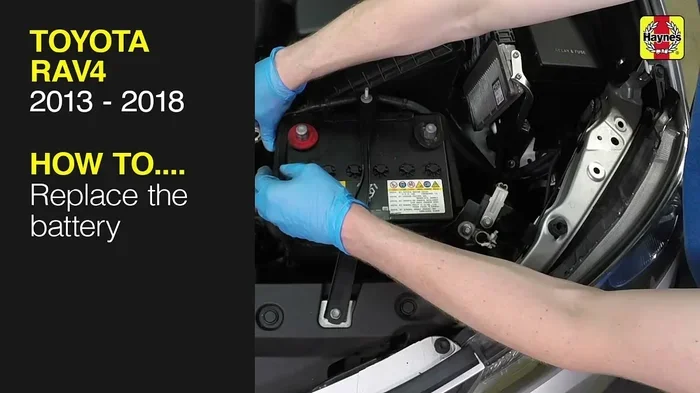
First, make sure you have the right battery. Match the group size and CCA rating to your Toyota model. You can find this information in the owner manual or on the old battery label. Next, gather a few basic tools. You will need a wrench, safety gloves, and safety glasses.
Start by disconnecting the negative terminal first. Then disconnect the positive terminal. Remove the battery hold-down clamp and lift the old battery out. Place the new battery in the tray and secure it with the hold-down clamp. Connect the positive terminal first, then the negative terminal. Apply a thin layer of dielectric grease to the terminals to prevent corrosion.
Many Toyota models also have a battery registration process. This is especially true for newer models with start-stop systems. You may need a Toyota scan tool to register the new battery. Some independent shops and parts stores can do this for a small fee. If you skip registration, the new battery may not charge properly.
For those who prefer not to DIY, professional installation is always an option. Toyota dealerships, independent mechanics, and chain auto stores all offer battery installation services. The cost for professional installation typically ranges from $20 to $50 on top of the battery price.
It is also worth noting that a low key battery is sometimes confused with a dead car battery. Before assuming your main battery is bad, check the key fob battery as well. A weak key fob battery can cause starting issues on push-button start Toyotas.
Toyota Battery Maintenance for Longer Life
Proper maintenance helps your Toyota battery last longer and perform better. Simple habits make a big difference over time. Here are some easy maintenance tips every Toyota owner should follow.
- Keep the Terminals Clean: Corrosion on battery terminals can disrupt the electrical connection. Clean terminals with a baking soda and water solution. A wire brush works well for removing corrosion buildup.
- Check the Charge Level: Use a multimeter to check the battery voltage regularly. A fully charged battery should read 12.6 volts or higher. Anything below 12.4 volts means the battery needs charging.
- Avoid Short Trips: Short trips do not give the alternator enough time to fully recharge the battery. If possible, combine errands into longer drives. This helps keep the battery topped off.
- Turn Off Accessories When the Engine Is Off: Leaving lights, the radio, or other accessories on drains the battery. Make it a habit to turn everything off before you shut down the engine.
- Secure the Battery: A loose battery vibrates and can cause internal damage. Make sure the hold-down clamp is tight and the battery sits firmly in its tray.
Following these simple steps can add years to your battery life. Prevention is always cheaper than replacement. A well-maintained battery also performs better when you need it most, like on a cold winter morning.
How Does a Toyota Hybrid Battery Differ from a Standard Battery?
Toyota hybrid vehicles use a high-voltage battery pack that works differently from a standard 12-volt battery. The hybrid battery stores energy recovered through regenerative braking. It also powers the electric motor at low speeds and during acceleration. This system is what gives Toyota hybrids their excellent fuel economy.
The hybrid battery pack contains many individual cells connected together. These cells are housed in a sealed module. Unlike a standard battery that you can replace in minutes, a hybrid battery requires specialized handling. The high voltage poses safety risks if not handled properly. Only trained technicians should work on hybrid battery systems.
Toyota hybrid batteries are designed to last a very long time. Many owners report 100,000 to 200,000 miles from their original hybrid battery. However, battery capacity does degrade over time. If you notice reduced fuel economy or a warning light on the dashboard, the hybrid battery may need inspection. Jump starting a Toyota hybrid requires special care because of the high-voltage system. Always consult your owner manual for the correct procedure.
Replacement cost for a Toyota hybrid battery has come down over the years. While it is still a significant expense, Toyota offers reconditioned and refurbished options. These can cost 30 to 50 percent less than a brand-new battery. Some independent shops also specialize in hybrid battery rebuilding. This can save you thousands compared to dealership pricing.
Regular maintenance of the hybrid system helps extend battery life. Keeping the cooling system in good condition is important. Hybrid batteries are sensitive to overheating. A well-maintained cooling system keeps the battery at the optimal temperature. This simple step can add many years of reliable service.
Common Mistakes People Make When Buying a Toyota Battery
Buying a car battery seems simple, but mistakes happen. Avoiding these common errors saves you money and frustration.
- Buying the Wrong Size: Not all Toyota batteries are the same size. Using the wrong group size can cause fitment problems and damage the battery tray.
- Ignoring the CCA Rating: A battery with too low a CCA rating may struggle to start your engine in cold weather. Always match or exceed the OEM CCA rating.
- Skipping the Warranty: Some buyers focus only on price and ignore warranty coverage. A longer warranty gives you better protection and peace of mind.
- Forgetting to Reset the Computer: On newer Toyotas, disconnecting the battery can reset important computer settings. You may need to reprogram window auto-up, radio presets, and other features after a battery swap.
- Choosing the Cheapest Option: The cheapest battery is not always the best value. A very low-priced battery may have a shorter lifespan or lower quality construction.
Steering clear of these mistakes helps you get the right battery at a fair price. A little research and preparation go a long way toward a smooth replacement experience.
Final Thoughts on Toyota Battery Pricing
So, how much is a Toyota battery? The answer depends on your vehicle, battery type, and where you buy it. A standard battery for a regular Toyota model costs between $150 and $350. Hybrid batteries cost significantly more, from $1,500 to $4,000. Understanding the factors that affect pricing puts you in a better position to make a smart decision.
Remember to consider warranty coverage, battery freshness, and professional installation when comparing prices. A quality battery from a reputable source gives you reliable starts and peace of mind. Regular maintenance also extends the life of your battery and saves you money in the long run.
Whether you choose to DIY or go with professional installation, the key is to act quickly when you notice warning signs. A weak battery can leave you stranded when you least expect it. Stay proactive, keep your battery in good condition, and your Toyota will start reliably for years to come.
For owners wondering about overall vehicle costs, understanding how much mileage is good for a used car can also help you evaluate whether a battery replacement or another major repair makes sense for your situation. Staying informed keeps you in control of your maintenance budget.
Frequently Asked Questions
How much does a Toyota Camry battery cost?
A Toyota Camry battery typically costs between $150 and $300, depending on the model year and battery type. Most Camry models use a standard lead-acid battery, which is widely available and affordable. Installation at a dealership or auto shop usually adds $20 to $50 to the total cost.
How long does a Toyota battery last on average?
Most Toyota batteries last between 3 and 5 years under normal driving conditions. Factors like extreme temperatures, short trips, and heavy electrical use can shorten this lifespan. Regular maintenance and periodic testing help you catch a weak battery before it fails completely.
Can I use an aftermarket battery in my Toyota?
Yes, you can use an aftermarket battery in most Toyota models. Aftermarket batteries from reputable brands meet or exceed OEM specifications. Just make sure the group size, CCA rating, and terminal placement match your Toyota’s requirements. Aftermarket batteries often cost less than OEM while providing reliable performance.
How much does a Toyota hybrid battery cost to replace?
A Toyota hybrid battery replacement typically costs between $1,500 and $4,000. The price depends on the model, battery type, and whether you choose a new or refurbished unit. Some Toyota dealerships offer reconditioned hybrid batteries at lower prices, which can save you hundreds of dollars.
What is the warranty on a new Toyota battery?
Toyota batteries typically come with a 3-year warranty, though some models include coverage for up to 5 years or longer. The warranty usually covers defects in materials and workmanship. Check with your dealer for the specific warranty details on the battery you are purchasing.
Does cold weather affect Toyota battery performance?
Yes, cold weather significantly affects battery performance. Low temperatures reduce a battery’s ability to deliver power. This is why the Cold Cranking Amps (CCA) rating matters. If you live in a cold climate, choose a battery with a higher CCA rating to ensure reliable starts during winter months.