How Much Should A Cabin Air Filter Cost For Your Car
The cabin air filter cost typically ranges from $10 to $70 for the part alone, with professional installation adding $20 to $50. Replacing your cabin air filter regularly keeps your car smelling fresh and your air quality healthy. DIY replacement can cut costs significantly, making it one of the easiest car maintenance tasks you can do at home.
Your car’s cabin air filter works quietly behind the scenes every time you drive. It traps dust, pollen, smog, and other airborne particles before they reach your lungs. But here is the question most car owners ask: how much should a cabin air filter cost? The answer is not as simple as you might think. Prices vary wildly based on the type of filter, your vehicle model, and whether you choose to DIY or visit a mechanic.
Understanding the cabin air filter cost helps you make smart decisions about your car maintenance. It also saves you money in the long run. In this guide, we will walk you through everything you need to know. From basic filter types to hidden costs and replacement tips, we have you covered. Let us get into it.
Key Takeaways
- Average cabin air filter cost ranges from $10 to $70 depending on the type and brand.
- Professional installation adds $20 to $50, but DIY replacement can save you that money entirely.
- Premium filters with activated carbon cost more but offer better odor and allergen protection.
- Replacing a dirty cabin air filter improves airflow, reduces odors, and protects your car’s HVAC system.
- Most manufacturers recommend replacing the filter every 12,000 to 30,000 miles.
- Cleaning a cabin air filter is possible in some cases, but replacement is often the better long-term option.
- Ignoring a clogged filter can lead to reduced airflow, strange smells, and potential HVAC damage.
📑 Table of Contents
- What Is a Cabin Air Filter and Why Does It Matter?
- How Much Should A Cabin Air Filter Cost?
- Types of Cabin Air Filters and What You Should Know
- When Should You Replace Your Cabin Air Filter?
- DIY Cabin Air Filter Replacement: A Step-by-Step Guide
- Common Mistakes to Avoid When Buying and Replacing Cabin Air Filters
- How Cabin Air Filter Cost Compares to Other Car Maintenance Expenses
- Expert Tips for Getting the Best Value on Your Cabin Air Filter
- Conclusion
What Is a Cabin Air Filter and Why Does It Matter?
A cabin air filter is a small but mighty component in your car’s heating, ventilation, and air conditioning system. It sits behind the glove box or under the dashboard, filtering the air that flows into your cabin. Think of it as a mask for your car’s interior.
Most people do not think about this filter until something goes wrong. Maybe the airflow feels weak. Or perhaps a musty smell hits you every time you turn on the AC. These are clear signs that your filter needs attention. A clean cabin air filter ensures you and your passengers breathe fresh, filtered air on every drive.
Over time, the filter collects dirt, pollen, mold spores, and even insect debris. When it gets clogged, your car’s HVAC system has to work harder. This can reduce fuel efficiency and cause unnecessary wear on your blower motor. So keeping your filter fresh is not just about air quality. It is also about protecting your car’s systems.
Many drivers wonder if they can skip this maintenance step entirely. Some even ask, “Can you clean a cabin air filter instead of replacing it?” The answer depends on the filter type, which we will cover shortly. But for now, just know that regular replacement is the safest bet for most vehicles.
How Much Should A Cabin Air Filter Cost?
The cabin air filter cost depends on several factors. The type of filter you choose plays the biggest role. But your vehicle make and model, where you buy it, and who does the installation all matter too. Let us break down the numbers.
Average Cabin Air Filter Prices by Type
Not all filters are created equal. Here is a quick look at what you can expect to pay for different types of cabin air filters:
- Standard paper filters: These are the most basic option. They cost between $10 and $25. They do a solid job trapping dust and pollen but need frequent replacement.
- Activated carbon filters: These filters add a layer of carbon to absorb odors and harmful gases. They typically cost between $20 and $50. They are a great choice if you live in a city with heavy pollution or traffic fumes.
- HEPA filters: High-Efficiency Particulate Air filters offer the best filtration. They can trap particles as small as 0.3 microns. Expect to pay $30 to $70 for a quality HEPA cabin air filter.
- Premium or OEM filters: Original Equipment Manufacturer filters are designed specifically for your vehicle. They often cost between $25 and $60. They offer a perfect fit and reliable performance.
- Reusable cabin filters: Some high-end filters are washable and reusable. They cost more upfront, usually $40 to $80. But they save money over time since you do not need to replace them as often.
Installation Costs: DIY vs Professional
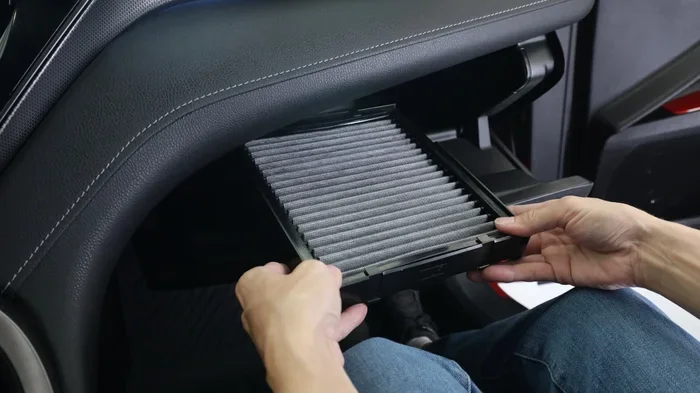
One of the best things about replacing a cabin air filter is that it is one of the easiest car maintenance tasks you can do yourself. Most filters are located behind the glove box or under the dashboard. You can usually swap it out in less than 15 minutes with basic tools.
If you choose the DIY route, you only pay for the filter itself. That keeps your total cabin air filter replacement cost between $10 and $70. But if you prefer to let a mechanic handle it, add $20 to $50 for labor. Some dealerships and auto shops charge even more, especially if your vehicle has a tricky filter location.
Here is a quick comparison:
- DIY replacement: Filter cost only. Total: $10 to $70. Time: 10 to 20 minutes.
- Independent mechanic: Filter plus labor. Total: $30 to $100. Time: 30 minutes to 1 hour.
- Dealership: Filter plus dealer labor rates. Total: $50 to $150. Time: 30 minutes to 1 hour.
As you can see, doing it yourself can save you a significant amount. But if you are not comfortable working under your dashboard, paying a professional is completely fine. There is no shame in that.
Types of Cabin Air Filters and What You Should Know
Choosing the right filter type affects both performance and price. Not every filter works the same way, and not every car needs the same level of filtration. Let us explore the main options available.
Standard Particle Filters
These are the most common cabin air filters found in vehicles. They use a fibrous material to trap dust, pollen, and larger particles. They are affordable and effective for everyday driving. If you live in a rural area with clean air, a standard filter might be all you need.
The main downside is that they do not do much for odors or gases. If you commute through heavy traffic or notice smells in your car, a standard filter will not solve that problem. For most drivers, though, a standard filter keeps the air clean and the system running smoothly.
Activated Carbon Filters
Activated carbon filters take air quality a step further. The carbon layer absorbs volatile organic compounds, exhaust fumes, and unpleasant odors. This makes them a popular choice for city drivers and anyone sensitive to smells.
The cabin air filter cost for carbon filters is higher than standard ones. But many drivers find the extra protection worth it. If you have ever noticed a rotten egg or exhaust smell in your car, a carbon filter can make a big difference. It also helps if you have allergies or respiratory sensitivities.
HEPA Filters
HEPA filters are the gold standard for air filtration. They can capture particles that are 100 times smaller than what standard filters catch. This includes bacteria, mold spores, and fine particulate matter from diesel exhaust.
The price tag reflects this superior performance. A quality HEPA cabin air filter can cost $50 or more. But if you live in an area with poor air quality or suffer from severe allergies, the investment pays off. Your car becomes a much healthier place to breathe.
Reusable and Washable Filters
Reusable filters are designed to last. You wash them periodically and reinstall them. They are typically made from electrostatic material that attracts and holds particles.
The upfront cabin air filter cost is higher, usually $40 to $80. But over the life of the vehicle, they can save you money. They also produce less waste, which is better for the environment. Just make sure you let the filter dry completely before reinstalling it. A wet filter can grow mold and make things worse.
When Should You Replace Your Cabin Air Filter?
Timing your filter replacement is just as important as choosing the right filter. Replace it too early, and you waste money. Replace it too late, and your air quality suffers. So how do you know when it is time?
Most manufacturers recommend replacing the cabin air filter every 12,000 to 30,000 miles. However, your driving conditions can change this significantly. If you drive in dusty areas, heavy traffic, or near industrial zones, you may need to replace it more often. The same goes for drivers with allergies or asthma.
Here are some clear signs your filter needs replacing:
- Weak airflow from your vents, even on high speed.
- Unpleasant odors when the AC or heat kicks on. If you notice a musty or dusty smell, your filter is likely the culprit. Changing the cabin air filter often solves this problem quickly.
- Increased allergy symptoms inside the car, such as sneezing or itchy eyes.
- Visible dirt or debris on the filter when you inspect it.
- Unusual noises from the HVAC system, caused by a clogged filter straining the blower motor.
If you are not sure whether your filter needs replacing, it is better to check it early rather than late. A quick inspection takes just a few minutes. And it can save you from bigger problems down the road.
Some drivers also ask, “Does changing the cabin air filter make the car smell better?” The answer is yes, absolutely. A fresh filter removes trapped odors and prevents new ones from building up. It is one of the simplest ways to keep your car smelling clean and inviting.
DIY Cabin Air Filter Replacement: A Step-by-Step Guide
Replacing your cabin air filter at home is easier than most people think. You do not need mechanic skills or fancy tools. Here is a simple walkthrough to help you do it right.
Step 1: Find Your Filter Location
The filter location varies by vehicle. In most cars, it is behind the glove box. In others, it sits under the dashboard near the firewall. Check your owner’s manual for the exact location. You can also search online for a quick video guide specific to your vehicle model.
Step 2: Gather Your Tools
You will need a flathead screwdriver or Phillips driver, depending on your car’s clips. A flashlight helps too, since the filter area can be dark. No special tools are required for most vehicles.
Step 3: Remove the Old Filter
Open the glove box and remove any items inside. Look for the filter cover, which is usually held in place by plastic clips. Gently squeeze the clips and pull the cover free. Slide out the old filter and note which direction the airflow arrow points. You will need to install the new filter the same way.
Step 4: Install the New Filter
Insert the new filter with the airflow arrow pointing toward the HVAC system. Push it firmly into place. Reattach the cover and secure the clips. Push the glove box back in. That is it. You just saved yourself $20 to $50 in labor costs.
If you want to learn more about maintaining your car’s air quality, you might also check whether cleaning a cabin air filter is an option before you buy a new one. It is worth exploring all your options.
Common Mistakes to Avoid When Buying and Replacing Cabin Air Filters
Even a simple task like filter replacement can go wrong if you are not careful. Here are the most common mistakes drivers make and how to avoid them.
Buying the wrong filter size. Not all cabin air filters fit every car. Using the wrong size can leave gaps that let unfiltered air into your cabin. Always check your owner’s manual or use a fitment guide when purchasing. The extra five minutes of research saves a lot of headaches.
Ignoring the filter direction. Every filter has an airflow arrow printed on the frame. Installing it backward reduces filtration efficiency and can restrict airflow. Take a moment to check the arrow before you slide the filter in.
Skipping replacement entirely. Some drivers go years without changing their cabin air filter. This leads to clogged filters, poor air quality, and potential HVAC damage. Set a reminder on your phone every 15,000 miles to check your filter. It takes five minutes and can save hundreds in repair bills.
Choosing the cheapest option every time. The cheapest cabin air filter may not provide the best filtration. It might also wear out faster. Investing in a mid-range activated carbon filter offers a great balance of price and performance for most drivers.
Forgetting to check for mold. If your car sits unused for long periods, moisture can build up and cause mold on the filter. If you notice a musty smell, inspect the filter closely. You may need to replace it rather than clean it. And if you are dealing with a dead battery situation, remember that some hybrid and electric vehicles have unique cabin filter systems that require special attention.
How Cabin Air Filter Cost Compares to Other Car Maintenance Expenses
To put the cabin air filter cost in perspective, let us compare it to other common maintenance items. A cabin air filter is one of the least expensive parts to replace in your entire car. Here is how it stacks up:
- Oil change: $35 to $75
- Air filter (engine): $15 to $30
- Tire rotation: $25 to $50
- Brake pad replacement: $150 to $300 per axle
- Cabin air filter: $10 to $70 (part only)
As you can see, replacing your cabin air filter is one of the most affordable maintenance tasks you can do. Yet it has a direct impact on your comfort and health. It is a small investment that pays big dividends in air quality and HVAC system longevity.
For comparison, a clogged engine air filter can reduce fuel efficiency and cost you more at the pump over time. The same principle applies to your cabin filter. A dirty filter makes your HVAC system work harder, which can increase fuel consumption slightly. Keeping it clean helps your car run efficiently.
Expert Tips for Getting the Best Value on Your Cabin Air Filter
Saving money on your cabin air filter cost does not mean sacrificing quality. Here are some expert tips to help you get the best deal without compromising performance.
- Buy in bulk: Purchasing two or three filters at once often comes with a discount. You can also store them in a cool, dry place until you need them.
- Compare brands: Popular brands like Mann, Bosch, and Fram offer reliable options at different price points. Read reviews and compare filtration ratings before buying.
- Check for recalls or updates: Some vehicle models have known issues with filter fitment. A quick online search can reveal if your car has any known problems with a specific filter type.
- Consider your environment: If you drive in a dusty or high-pollution area, invest in a carbon or HEPA filter. The extra cost is worth the improved air quality and protection for your HVAC system.
- Set a maintenance schedule: Mark your calendar or set a phone reminder to check your filter every 15,000 miles. Staying on top of maintenance prevents costly repairs later.
If you are curious about the bigger picture of car maintenance costs, understanding how long a factory takes to build a car can give you a new appreciation for the engineering that goes into every vehicle you drive. It also reminds you that regular maintenance keeps all that engineering running smoothly for years.
Conclusion
The cabin air filter cost is one of the most affordable car maintenance expenses you will face. Whether you choose a basic paper filter for $10 or a premium HEPA filter for $70, the benefits are clear. You breathe cleaner air, your car smells better, and your HVAC system stays healthy.
Replacing your cabin air filter every 12,000 to 30,000 miles is a simple habit that pays off. You can do it yourself in under 20 minutes or pay a professional for a quick service. Either way, the investment is small compared to the comfort and protection it provides.
Do not wait until you notice weak airflow or strange odors. Make filter replacement a regular part of your car care routine. Your lungs and your car will thank you. A clean cabin air filter is one of the easiest ways to keep your daily drive fresh, healthy, and enjoyable.
Frequently Asked Questions
Can I clean my cabin air filter instead of replacing it?
Some standard paper filters can be lightly cleaned with compressed air, but they lose efficiency over time. Most experts recommend replacement over cleaning for the best air quality. If you are unsure, check our guide on cleaning versus replacing a cabin air filter.
How often should I replace my cabin air filter?
Most manufacturers recommend replacing the filter every 12,000 to 30,000 miles. However, if you drive in dusty or polluted areas, you may need to replace it more frequently. Checking the filter every 15,000 miles is a good habit to build.
Does a cabin air filter affect fuel economy?
Yes, indirectly. A clogged cabin air filter makes your HVAC system work harder, which can slightly increase fuel consumption. Keeping your filter clean helps your car run more efficiently and reduces unnecessary strain on the blower motor.
Can I drive without a cabin air filter?
You can, but you should not. Driving without a filter lets dust, pollen, and debris enter your car’s interior. It can also allow unfiltered air to damage your HVAC system over time. Always replace a missing or damaged filter as soon as possible.
What is the difference between a cabin air filter and an engine air filter?
The cabin air filter cleans the air that enters the passenger compartment. The engine air filter cleans the air that enters the engine for combustion. They serve different purposes and are located in different parts of the car. Both are important for maintaining your vehicle.
Are expensive cabin air filters worth the money?
Premium filters with activated carbon or HEPA technology offer superior filtration, especially for allergy sufferers and city drivers. If you prioritize air quality and have the budget, investing in a higher-quality filter is definitely worthwhile. For basic driving in clean areas, a standard filter works just fine.