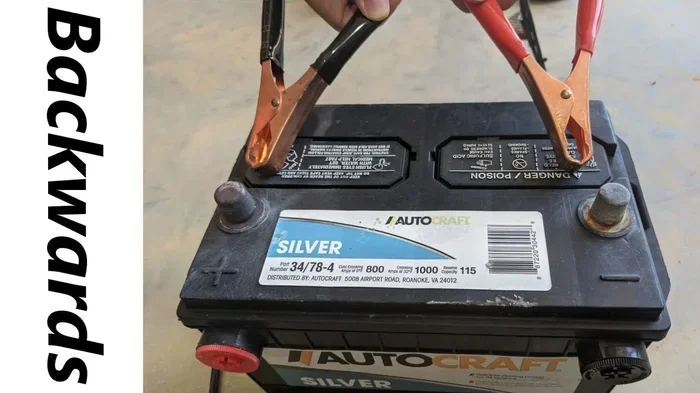
Hooked Battery Up Backwards Now Car Wont Start Guide
Hooking up a car battery backwards is a common mistake that can cause serious electrical damage and leave your car won’t start. When you connect the positive and negative cables to the wrong terminals, the entire electrical system can suffer. This guide explains exactly what happens, which parts get damaged, and how to fix the problem safely.
You just finished connecting your car battery, turned the key, and nothing happens. No crank. No click. Nothing. Then it hits you — you hooked the battery up backwards. Your heart sinks. Your car won’t start, and you’re probably worried you fried something expensive.
Take a deep breath. This is a more common mistake than you think, and the good news is that many cars survive a backwards battery connection just fine — especially if you catch it quickly. But some parts can get damaged, and you need to know what to check and what to do next.
This guide walks you through everything that happens when you hook battery up backwards, which components are at risk, and the exact steps to get your car running again. Whether you’re a DIY mechanic or someone who just wants to understand the problem, this article has you covered.
Key Takeaways
- Reverse polarity can fry fuses, ECU, and alternator: Connecting the battery backwards sends current the wrong way through sensitive electronics.
- Check your battery terminals first: The red cable goes to positive (+), and the black cable goes to negative (-). Always double-check before connecting.
- Resetting the system often works: Disconnect the battery for 15-30 minutes and reconnect correctly to clear error codes.
- Inspect fuses and the alternator after a backwards connection: These are the most common parts damaged by reverse polarity.
- Use a multimeter to test voltage: A simple test can reveal if your electrical system is still functioning properly after a mistake.
- Prevention is simple: Color-coded cables and matching symbols on battery terminals make it easy to avoid this problem.
📑 Table of Contents
- What Happens When You Hook a Battery Up Backwards
- Which Parts Get Damaged When Polarity Is Reversed?
- Can a Car Run Without a Battery After Reverse Polarity?
- Step-by-Step: How to Fix a Car After Hooking the Battery Backwards
- How to Prevent Hooking the Battery Up Backwards
- Common Mistakes People Make After a Backwards Battery Connection
- How to Jump Start a Car Safely After Battery Damage
- When to Call a Professional Mechanic
- Key Takeaways
What Happens When You Hook a Battery Up Backwards
The Basics of Battery Polarity
Every car battery has two terminals. The positive terminal is marked with a plus sign (+) and usually has a red cover or red cable. The negative terminal is marked with a minus sign (-) and typically has a black cable. When you connect everything correctly, electrical current flows in the right direction through your car’s system.
But when you swap the cables — positive to negative and negative to positive — the current reverses. This is called reverse polarity, and it sends electricity through circuits that aren’t designed to handle it in that direction.
Think of it like trying to pour water through a funnel upside down. Some things will still work, but others will get messy fast. The same idea applies to your car’s electrical system.
Immediate Signs of a Backwards Connection
The moment you connect a battery backwards, you might notice some obvious signs:
- The dashboard lights come on but look dim or flickering.
- The car makes a grinding or buzzing noise when you turn the key.
- Nothing happens at all when you try to start the engine.
- You smell something burning or notice smoke from the engine bay.
- Fuses blow immediately after connection.
If you notice any of these signs, disconnect the battery right away. The sooner you catch a backwards connection, the less damage you’ll face. Leaving it connected for even a few seconds can cause lasting harm to sensitive electronics.
Which Parts Get Damaged When Polarity Is Reversed?
Not every part of your car is equally vulnerable to reverse polarity. Some components are built to handle electrical surges, while others are very sensitive. Here is a breakdown of the parts most likely to get damaged when you hook battery up backwards.
The Fuse Box
Fuses are your car’s first line of defense. They are designed to blow and break the circuit when too much current flows through. When you connect the battery backwards, the surge of reversed current often blows one or more fuses immediately.
This is actually a good thing in a way. The fuse sacrifices itself to protect more expensive parts of the electrical system. Check your fuse box first after a backwards connection. If you see a blown fuse, that’s a clear sign the current went the wrong way.
The ECU (Engine Control Unit)
The ECU is the brain of your car. It controls fuel injection, ignition timing, and many other critical functions. This module is very sensitive to reverse polarity, and a backwards battery connection can fry it completely.
When the ECU is damaged, your car might not start at all, or it might run poorly with erratic idling, stalling, and warning lights on the dashboard. Replacing an ECU can be expensive, often costing several hundred dollars or more depending on your vehicle.
The Alternator
The alternator charges your battery while the engine runs. It contains diodes that allow current to flow in only one direction. When you reverse the battery connection, those diodes can burn out.
A damaged alternator means your battery won’t charge properly while driving. Over time, this leads to a dead battery and a car that won’t start. If you suspect alternator damage, you should test a car battery with a multimeter to check the charging voltage.
The Starter Motor
The starter motor is what cranks your engine when you turn the key. It relies on the correct flow of electricity to spin the engine over. Reverse polarity can damage the brushes and windings inside the starter motor.
A damaged starter might make a clicking sound but won’t turn the engine. In some cases, the starter spins freely without engaging the engine, which means the internal gears are stripped or the motor is burned out.
The Voltage Regulator
The voltage regulator controls how much voltage the alternator sends to the rest of the car. It keeps everything between 13.5 and 14.5 volts. Reverse polarity can knock this regulator out of calibration or destroy it entirely.
Without a working voltage regulator, your electrical system gets either too much or too little power. This can damage other components over time, including the battery itself and various sensors throughout the car.
Can a Car Run Without a Battery After Reverse Polarity?
Here is a question many people ask after a backwards battery incident: can the car still run without a battery? The short answer is sometimes, but it depends on the damage.
Some vehicles can run briefly on alternator power alone if the battery is disconnected or dead. However, the alternator is not designed to power everything in the car by itself. Lights, the fuel pump, and the ECU all draw significant power.
To learn more about this topic, check out our article on can a car run without a battery. Understanding how your car’s electrical system works helps you figure out the next steps after a mistake like this.
If your car has suffered electrical damage from a backwards connection, you might find that even with a new battery installed, the car still won’t start. This is because the damage extends beyond just the battery. The ECU, fuses, or alternator could still be affected.
Step-by-Step: How to Fix a Car After Hooking the Battery Backwards
So you’ve made the mistake. Now what? Don’t panic. Follow these steps carefully to assess the damage and get your car running again.
Step 1: Disconnect the Battery Immediately
If you haven’t already, disconnect the battery cables right now. Remove the negative cable first, then the positive cable. This prevents any further electrical damage while you work on the problem.
Do not try to start the car again until you’ve corrected the connection. Every attempt sends more current through damaged circuits and can make the problem worse.
Step 2: Inspect the Fuses
Open your fuse box and look for blown fuses. A blown fuse usually has a visible break in the metal strip inside the glass or plastic housing. Replace any blown fuses with the correct amperage rating.
Check your owner’s manual for the fuse box diagram. It tells you which fuse controls which circuit. Start with the fuses related to the starter motor, fuel pump, and ECU.
Step 3: Check the Battery Terminals for Damage
Look at the battery terminals and cables for signs of melting, discoloration, or corrosion. A backwards connection can generate heat at the terminals, which can melt the cable insulation or pit the terminal surfaces.
If the terminals look damaged, clean them with a wire brush or replace them. Poor terminal connections can cause starting problems even after you’ve fixed the backwards connection issue.
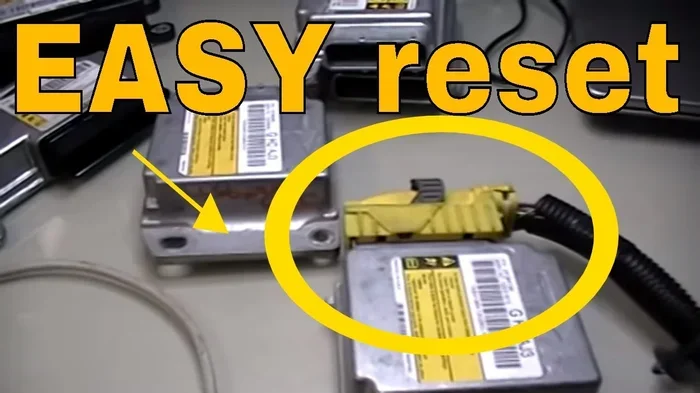
Step 4: Reset the Car’s Computer Systems
After fixing the connection and replacing any blown fuses, you need to reset the car’s computer systems. Disconnect the battery for at least 15 to 30 minutes. This clears any error codes stored in the ECU and allows the systems to recalibrate.
After reconnecting the battery correctly, try starting the car. If it cranks and starts, you may be in the clear. But if it still won’t start, you need to dig deeper.
Step 5: Test the Electrical System
Use a multimeter to check the battery voltage. A healthy battery should read around 12.6 volts when the engine is off. When the engine is running, the voltage should be between 13.5 and 14.5 volts.
If you don’t have a multimeter, consider borrowing one or visiting an auto parts store. Many stores offer free battery and charging system testing. You can also learn how to test a car battery with a multimeter to do it yourself at home.
Step 6: Check for ECU and Alternator Damage
If the car still won’t start after resetting the system, you likely have damage to the ECU or alternator. Look for warning signs like flashing dashboard lights, erratic behavior from the gauges, or a battery that dies quickly after a jump.
At this point, it’s smart to take the car to a qualified mechanic. They can run diagnostic scans to check for error codes and test the alternator output. Trying to replace the ECU or alternator yourself can be tricky if you’re not experienced with automotive electrical systems.
How to Prevent Hooking the Battery Up Backwards
The best fix is prevention. Here are some simple habits that keep you from ever making this mistake again.
Always Match Colors
Red cable goes to the positive terminal. Black cable goes to the negative terminal. This is the universal standard for car batteries. Never swap the colors, no matter how rushed you are.
Some people get confused because the battery posts might look similar. But the positive post is usually slightly larger than the negative post, and it has a plus sign stamped into the battery case. Take the extra two seconds to look before you clamp.
Use the “Positive First, Negative Last” Rule
When connecting a new battery, always attach the positive cable first. Then attach the negative cable last. When disconnecting, remove the negative cable first, then the positive.
This sequence reduces the risk of sparks near the battery, which is especially important because batteries can produce hydrogen gas. It also helps you remember the correct polarity.
Label Your Cables
If your battery cables are old or the color has faded, wrap a small piece of tape around each cable with a “+” or “-” marker. This simple trick takes seconds and saves you from a world of trouble.
You can also buy battery terminal covers that are color-coded. They slip over the terminals and make it impossible to connect the wrong cable to the wrong post.
Double-Check Before Starting
After connecting the battery, take a moment to look at both terminals. Make sure the red clamp is on the positive post and the black clamp is on the negative post. This quick check takes five seconds and can save you hours of troubleshooting.
Common Mistakes People Make After a Backwards Battery Connection
Trying to Start the Car Repeatedly
One of the worst things you can do after hooking the battery backwards is to keep trying to start the car. Each attempt sends more current through damaged circuits and can turn a minor fuse blow into a major ECU failure.
If the car doesn’t start after you’ve corrected the connection, stop trying. Instead, follow the diagnostic steps outlined above.
Ignoring Warning Lights on the Dashboard
After a backwards connection, your dashboard might light up with warning symbols. These are not normal and should not be ignored. The check engine light, battery light, or ABS light could all indicate damage from the reverse polarity event.
Have a mechanic scan the car for error codes. Many auto parts stores will do this for free. The codes tell you exactly which systems are affected and help you prioritize repairs.
Replacing the Battery Without Checking Other Parts
Some people assume that a new battery will fix everything after a backwards connection. But if the alternator, ECU, or fuses are damaged, a new battery won’t help.
Always inspect the entire electrical system before replacing parts blindly. Otherwise, you’ll end up spending money on parts that don’t address the real problem.
How to Jump Start a Car Safely After Battery Damage
If your battery is dead or damaged from the backwards connection, you might need a jump start to get going. But you need to do it correctly to avoid making things worse.
Always follow the correct jump start sequence: connect red to positive on both batteries first, then black to negative on the good battery and to an unpainted metal surface on the dead car. Remove the cables in the reverse order.
If you own a Toyota hybrid, the process is a bit different. You can learn more about jump starting a Toyota hybrid battery in our dedicated guide. Hybrid vehicles have high-voltage systems that require extra caution during jump starting.
Also, if your car won’t hold a charge after the incident, you may need to charge a dead car battery with a proper battery charger before attempting to start the engine. A slow charger is gentler on a damaged battery and helps restore it more safely.
Keep in mind that if the alternator was damaged by the backwards connection, jump starting might get the car running temporarily, but the battery won’t charge properly while driving. This means the car will die again soon after you turn off the engine.
When to Call a Professional Mechanic
Not every backwards battery incident can be fixed at home. Here are the signs that you need professional help:
- The car still won’t start after you’ve corrected the connection and replaced blown fuses.
- Multiple electronic systems are malfunctioning, including the radio, power windows, and dashboard gauges.
- The check engine light stays on after resetting the battery.
- You notice a burning smell coming from the engine bay that doesn’t go away.
- The battery won’t hold a charge even after a full recharge.
- You hear grinding or clicking sounds when you turn the key that don’t go away.
A qualified mechanic has the diagnostic tools and expertise to identify hidden damage. They can test the alternator output, check the ECU for fault codes, and inspect the wiring harness for any areas where reverse current caused damage.
Trying to save money by avoiding the mechanic can sometimes cost more in the long run. Undetected damage to the ECU or alternator can lead to a car that breaks down on the road, which is far more expensive than a diagnostic visit.
Key Takeaways
- Hooking a battery up backwards sends current the wrong way through your car’s electrical system, which can damage sensitive components.
- Fuses, the ECU, the alternator, and the starter motor are the most vulnerable parts when reverse polarity occurs.
- Disconnect the battery immediately if you realize you’ve connected it backwards, and don’t try to start the car again.
- Reset the system by disconnecting the battery for 15-30 minutes after correcting the connection and replacing any blown fuses.
- Use a multimeter to test voltage and make sure the electrical system is functioning properly before driving.
- Prevent future mistakes by following the color-coded cable system and always connecting positive first.
- See a mechanic if the car still won’t start after basic troubleshooting, as internal damage may require professional diagnostics.
Frequently Asked Questions
Can hooking a battery up backwards destroy the car completely?
In most cases, a backwards connection blows fuses and may damage the ECU or alternator, but it rarely destroys the entire car. Many vehicles survive a backwards battery connection with only minor damage, especially if you disconnect it quickly. The key is to stop immediately and assess the situation before trying to start the engine again.
How much does it cost to fix damage from a backwards battery connection?
The cost varies widely depending on what got damaged. Replacing a blown fuse costs just a few dollars. A new alternator might run $300 to $600, and an ECU replacement can cost anywhere from $500 to $1,500 or more. Getting a proper diagnosis from a mechanic helps you understand exactly what needs to be replaced and how much it will cost.
Will my car battery still work after being connected backwards?
Sometimes yes, sometimes no. A brief backwards connection might not damage the battery itself, but a prolonged reverse current can degrade the internal plates and reduce the battery’s lifespan. If you notice the battery won’t hold a charge after the incident, it might need to be replaced. You can test the battery with a multimeter to check its health.
How long should I wait before reconnecting the battery after a backwards incident?
Disconnecting the battery for 15 to 30 minutes is usually enough to reset the car’s computer systems and clear error codes. This gives the capacitors time to discharge and the ECU time to reset. After this waiting period, reconnect the battery correctly and try starting the car.
Can a backwards battery connection cause the car battery to die while driving?
Yes, it can. If the alternator was damaged by the reverse polarity, it won’t charge the battery properly while the engine runs. This means the battery slowly loses charge during driving, and eventually the car will stall and won’t restart. If you experience this after a backwards connection, get the alternator tested as soon as possible.
Is it safe to drive after fixing a backwards battery connection?
Only after you’ve confirmed that the electrical system is working properly. Check that the battery voltage reads correctly, all dashboard warning lights are off, and the car starts reliably. If anything seems off, have a mechanic inspect the vehicle before driving long distances. A car battery dying while driving can leave you stranded, so it’s better to be safe than sorry.
=== CONCLUSION ===
Hooking your battery up backwards is a stressful experience, but it’s also a fixable one. The most important thing is to act quickly and avoid making the problem worse by repeatedly trying to start the car. Disconnect the battery, check the fuses, reset the system, and test everything before you drive again.
Most cars survive a backwards battery connection with nothing more than a blown fuse or two. But if the ECU, alternator, or starter motor got damaged, you’ll need professional help to get things running again. Use a multimeter to check your electrical system, and don’t hesitate to see a mechanic if something still feels off.
Going forward, take a few extra seconds to match the cable colors to the correct terminals. This simple habit saves you from the headache, expense, and frustration of a backwards battery connection. Your car will thank you, and your wallet will too.